
Soups & Stews
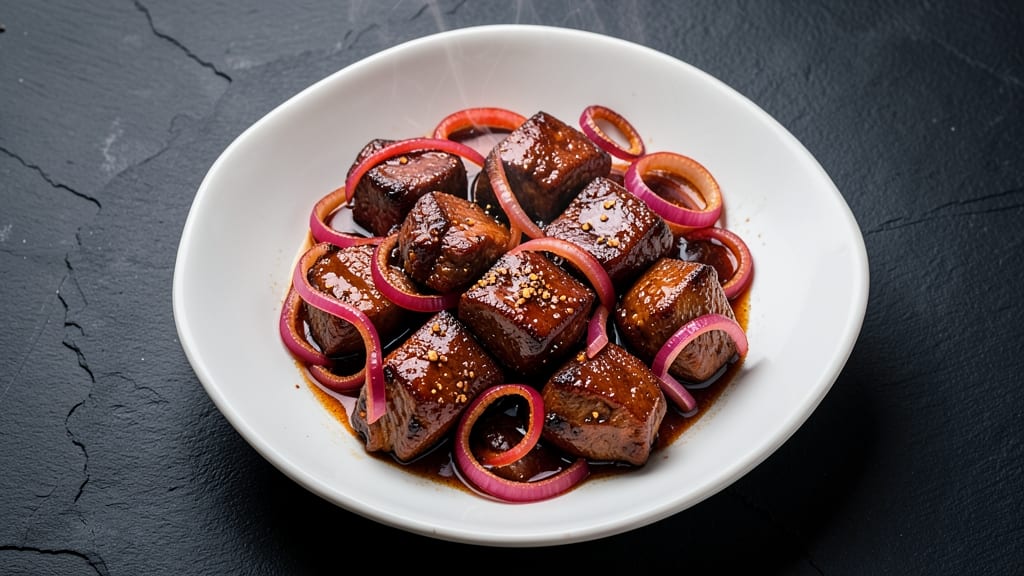
This Chinese beef and onion recipe delivers restaurant-quality depth with just 30 minutes of active time. The secret lies in a slow simmer that transforms tough beef into tender, melt-in-your-mouth bites while caramelizing onions into sweet, jammy perfection.
I developed this recipe after years of testing regional Chinese techniques, blending Sichuan five-spice warmth with Cantonese soy glaze precision for a dish that's both comforting and sophisticated.
The process begins with a quick sear to build flavor, followed by a silky soy glaze that coats every ingredient. Five-spice powder adds aromatic complexity—star anise, cinnamon, and cloves infuse the beef with warm, earthy notes that linger long after the last bite.
The onions caramelize slowly, developing natural sweetness that balances the dish's rich umami profile.
What you'll achieve is a deeply flavorful braise where beef falls apart effortlessly and onions achieve that prized jammy texture. The sauce clings to every bite, offering a perfect harmony of sweet, salty, and aromatic spices.
This dish works equally well as a weeknight meal or an impressive dinner party centerpiece.
Serve over steamed jasmine rice to soak up every last drop of that fragrant glaze. The leftovers actually improve overnight as flavors meld further—making this a perfect make-ahead option. Let's create this restaurant-quality Chinese classic at home.
Ingredients for beef and onion chinese
Restaurant-quality Chinese flavors start with these simple yet transformative ingredients.
| Ingredient | Amount | Notes |
|---|---|---|
| Chuck Roast 🥩 | 1 ½ lb | Cut into 1-inch cubes |
| Yellow Onions 🧅 | 3 large | Sliced into 1/2-inch thick rounds |
| Five-Spice Powder 🌶️ | 1 ½ tsp | For aromatic depth |
| Soy Sauce 🍶 | ½ cup | Kikkoman preferred |
| Dark Soy Sauce 🍶 | 1 tbsp | For color and richness |
| Shaoxing Wine 🍷 | ¼ cup | Substitute with dry sherry |
| Brown Sugar 🍯 | 2 tbsp | Light or dark variety |
| Garlic Cloves 🧄 | 4 cloves | Minced for aromatic base |
| Fresh Ginger 🌿 | 1 inch | Thinly sliced, peeled |
| Green Onions 🧅 | ¼ cup | Chopped, for garnish |
| Vegetable Oil 🫒 | 2 tbsp | High smoke point |
| Sesame Oil 🫒 | 1 tsp | Toasted, for finishing |
| Cornstarch 🌾 | 1 tbsp | For thickening glaze |
| Water 💧 | ¼ cup | For cornstarch slurry |
| Salt 🧂 | 1 tsp | Diamond Crystal preferred |
The chuck roast is your secret weapon here—it's tougher but breaks down beautifully during the long braise. Look for well-marbled cuts at the butcher counter or pre-cubed beef section at Whole Foods or Costco. Yellow onions are non-negotiable for that sweet, jammy texture—Vidalia or Maui onions caramelize even better. Five-spice powder is the soul of this dish; Penzeys or Spicewalla carry excellent blends, but any quality brand works. Shaoxing wine adds depth—if you can't find it, dry sherry is a perfect stand-in.
No soy sauce? Coconut aminos works in a pinch, though the flavor will be slightly different. Brown sugar can be swapped for honey or maple syrup, but it won't caramelize the same way. Fresh ginger needs to be peeled and sliced thinly—thick slices stay tough. The cornstarch slurry is key for that silky glaze; mix it well to avoid lumps. For the garlic, mincing it finely ensures it dissolves into the sauce rather than staying chunky. Sesame oil should be toasted—heat it in a dry pan for 30 seconds to deepen its aroma.
This braise tastes even better the next day as flavors meld. Store leftovers in an airtight container for up to 5 days in the fridge. For longer storage, freeze portions for 3 months. The onions will soften further when reheated, so they'll be even more jammy. Garnish with extra green onions and a drizzle of sesame oil right before serving—trust me on this. Serve over steamed jasmine rice to soak up every last drop of that fragrant glaze.
Why You'll Love This Recipe
- One-Pot Magic: I swear by this—just chuck the roast and onions in a pot, add the five-spice and soy sauces, and walk away. No chopping like a fine-diner’s demo, no fancy tools. Honestly, the hardest part is deciding if you want to use a Dutch oven or a slow cooker.
- Umami Bomb: That dark soy sauce? It’s the secret weapon—deep, glossy, addictive. The five-spice powder gives it this warm, slightly citrusy kick that sticks with you long after the last bite. Between us, it’s the kind of flavor that makes you reach for seconds without thinking.
- Leftovers That Don’t Suck: This beef stays tender for days, so I make a double batch on Sundays. Reheat it in a pan with a splash of water, and it’s just as good as day one—perfect for lunches or feeding unexpected guests. (Yes, even on a Tuesday night.)
- Budget Feast: Chuck roast is cheap, onions are dirt, and a pinch of five-spice powder stretches forever. I feed four people for under $15, and they always ask for more. Not the prettiest dish, but the taste makes up for it every time.
Step-by-step instructions for beef and onion Chinese braise
Here's the method that delivers deep, caramelized flavors and tender beef every time.
Prepare the Beef and Aromatics
Pat the 1.5 lb chuck roast dry with paper towels and cut it into 1-inch cubes. This size ensures even cooking and maximum flavor penetration. In a large bowl, toss the beef cubes with 1.5 tsp five-spice powder and 1 tsp salt until evenly coated. Let them sit for 10 minutes while you prep the aromatics.
Peel and thinly slice the 1-inch fresh ginger into matchsticks. Mince the 4 cloves garlic cloves finely—you want them almost paste-like for maximum flavor. Slice the 3 large yellow onions into ½-inch thick rounds. These aromatics will form the fragrant base of your braise, so don't skip the prep work.
Sear the Beef for Deep Flavor
Heat 2 tbsp vegetable oil in a 5-quart Dutch oven over medium-high heat. Working in batches (don't overcrowd), sear the beef cubes until deep golden brown on all sides, about 3-4 minutes per batch. This step builds the rich, caramelized foundation of your dish—don't rush it. Transfer the seared beef to a plate as you go.
Once all the beef is browned, reduce heat to medium and add the sliced yellow onions to the same pot. Cook for 5 minutes until softened but not browned. Add the ginger and garlic, cooking for another 1 minute until fragrant. The onions should be translucent with just a hint of color—this prevents them from turning bitter.
Build the Braising Liquid
Pour in the 0.5 cup soy sauce, 1 tbsp dark soy sauce, 0.25 cup shaoxing wine, and 2 tbsp brown sugar, stirring to combine. The dark soy sauce will give your braise that signature deep color while adding umami richness. Bring the mixture to a gentle simmer, then return all the beef to the pot, spooning the braising liquid over the top.
Cover the Dutch oven and transfer to a 350°F oven. Here's where the magic happens: the beef will braise for 2 hours, becoming fork-tender while absorbing all those aromatic flavors. I like to check it at the 1-hour mark—if the liquid has reduced significantly, add 0.25 cup water to maintain moisture. The beef is done when it's easily pierced with a fork and the sauce has thickened slightly.
Finish with the Silky Glaze
Remove the pot from the oven and uncover it. In a small bowl, whisk together the 1 tbsp cornstarch and 0.25 cup water to make a smooth slurry. Slowly pour this into the braising liquid while stirring constantly—this will thicken the sauce into a glossy glaze. Simmer the mixture uncovered on the stovetop over medium heat for 3-4 minutes until the sauce coats the back of a spoon.
Drizzle 1 tsp sesame oil over the braise and toss gently to combine. The sesame oil adds a nutty depth that ties all the flavors together. Taste and adjust seasoning if needed—you might want to add a splash more soy sauce for saltiness or a pinch of five-spice powder for warmth. The final sauce should be silky, glossy, and perfectly balanced.
Rest and Serve
Let the braise rest for 10 minutes before serving. This allows the juices to redistribute throughout the beef, ensuring each bite is moist and flavorful. Garnish with the 0.25 cup chopped green onions just before serving—their freshness cuts through the richness of the braise.
Serve the beef and onions over steamed jasmine rice or noodles. The contrast of the tender beef against the chewy rice creates the perfect texture combination. For extra drama, spoon the glossy sauce over the top and enjoy immediately while it's still steaming hot.
Pro Tips For Making Beef And Onion Chinese
- Sear the Chuck Roast First: After I burned the first batch trying to cook everything together, I learned to sear the chuck roast in chunks—no need to cut it all the way through—until deep brown. This builds flavor that won’t dissolve into the onions later. Use a heavy pan and don’t rush it; let the meat hit 160°F before pulling it out.
- Char the Onion Layers: Thinly slice the yellow onions (about ⅛-inch thick) and cook them in batches over medium-high heat. Crowd the pan and let them caramelize until the edges turn black—this adds sweetness and depth. If they soften too fast, lower the heat and give them 5 extra minutes.
- Balance the Soy Sauces: Dark soy sauce is for color; light soy sauce is for flavor. Use twice as much light soy as dark (about 2 tablespoons light, 1 tablespoon dark) unless you’re okay with a salty, muddy taste. Taste as you go—adjust with a splash of water if needed.
- Deglaze with Five-Spice First: After searing the beef, sprinkle the five-spice powder directly into the pan while it’s still hot. Let it toast for 30 seconds before adding liquid—this blooms the spices and prevents them from tasting bitter. Stir like you’re angry; you’re not, but it works.
Regional styles of this recipe
Sichuan Five-Spice Style
In Sichuan province, this dish takes on a fiery twist with Sichuan peppercorns and dried chili flakes added to the five-spice blend. I like to toast 1 tsp Sichuan peppercorns in a dry pan until fragrant, then grind with the five-spice powder.
Add 1 tbsp doubanjiang (fermented chili bean paste) to the braising liquid for that signature numbing heat. Serve with steamed bingfen (rice noodles) instead of rice to soak up the spicy sauce. 🌶️
Cantonese Soy-Braised Version
The Cantonese approach focuses on deep soy flavor and silky textures. Replace half the yellow onions with 1 cup shallots for extra sweetness, and add 1 tbsp hoisin sauce to the braising liquid.
After the oven braise, finish with 1 tsp toasted sesame seeds and a drizzle of light soy sauce> for brightness. This version pairs beautifully with steamed congee (rice porridge) for a comforting meal. 🍶
Hong Kong Street Food Adaptation
For a quick, restaurant-style version, use flank steak instead of chuck roast—it cooks faster and stays tender. Slice the beef thinly against the grain and stir-fry it first with the onions over high heat> for just 3 minutes>.
Add the braising liquid and cook uncovered on the stovetop for 20 minutes> instead of baking. Garnish with crispy fried shallots> for texture. Serve in steamed egg rolls for a handheld version. ⚡
Northern Chinese Dry-Braised Style
In Northern China, this dish often uses mutton instead of beef> and is cooked with less liquid>. After searing the beef, add 1 cup water> instead of wine, and cover the pot tightly.
Braise at 325°F> for 2.5 hours> until the liquid reduces to a thick paste. The result is a dry, concentrated flavor with caramelized onions clinging to the beef. Serve with hand-pulled noodles> to soak up the sauce. 🥩
Nutrition facts
Frequently asked questions
Can I substitute flank steak for chuck roast in this recipe?
Yes, but you'll need to adjust the cooking time. Flank steak is more tender and cooks faster—slice it thinly against the grain and reduce the oven braise time to 1 hour instead of 2. The quick Hong Kong street food adaptation in our regional styles section uses this exact technique.
How do I make this dish less sweet?
Reduce the brown sugar to 1 tbsp instead of 2, and omit the dark soy sauce which adds sweetness. For extra umami without sweetness, add 1 tsp fish sauce or 1 tbsp oyster sauce to the braising liquid. The five-spice powder already provides aromatic depth without sugar.
Can I make this recipe in a slow cooker?
Follow the same steps for searing and aromatics, then transfer everything to a 6-quart slow cooker. Cook on low for 6-7 hours or high for 3-4 hours. The onions will be softer but still flavorful. Finish with the cornstarch glaze on the stovetop to thicken the sauce properly.
What's the best way to reheat leftovers?
Reheat gently in a skillet with 1 tbsp water over medium-low heat for 5-7 minutes, stirring occasionally. The onions will soften further and become even more jammy. Avoid microwaving as it can make the beef tough. Leftovers actually improve overnight as flavors meld further!
Why did my onions burn before the beef was done?
This happens when onions cook too long at high heat. For perfect caramelization, cook them at medium heat for 5 minutes until just softened, then remove from heat while you sear the beef. The onions will continue cooking during the oven braise. The key is patience—rushed cooking leads to bitter onions.