
Main Courses
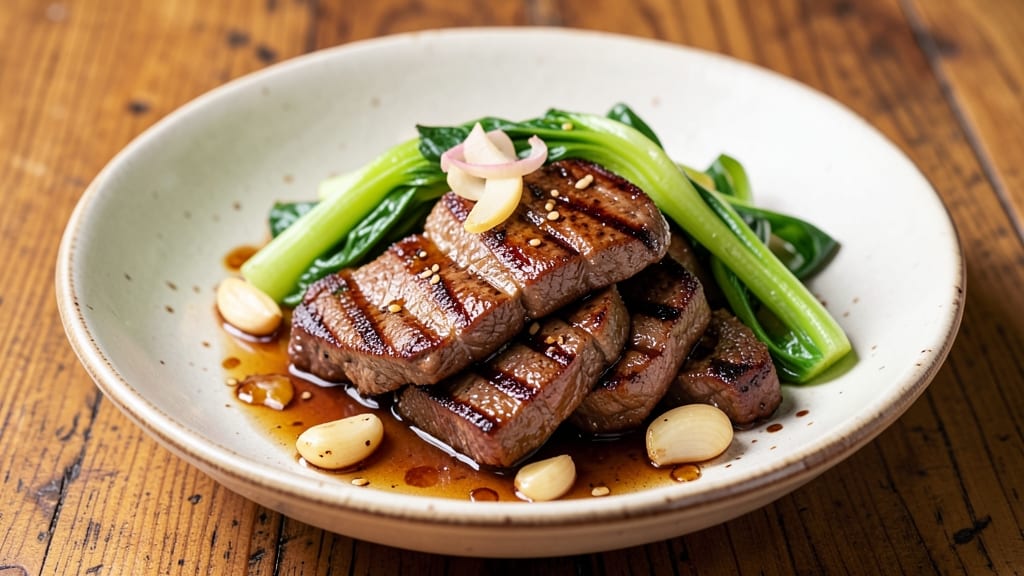
This beef and pak choi stir fry delivers restaurant-quality wok hei in your home kitchen, where tender beef strips meet crisp-tender pak choi in a silky soy-ginger sauce. The secret lies in high-heat stir-frying that creates that signature smoky aroma while keeping ingredients vibrant and full of texture.
I've perfected this technique over countless weeknight dinners, and it never fails to impress—even with minimal prep time.
What sets this recipe apart is the balance of textures: perfectly seared beef with a caramelized crust, pak choi that stays crisp-tender, and a sauce that's glossy yet not overly sweet.
The stir-frying process takes just 15 minutes, but the flavor development happens in those critical seconds of high heat and constant motion. We're talking wok hei—literally the "breath of the wok"—that transforms simple ingredients into something extraordinary.
The result is a dish that's equally at home as a weeknight family meal or an impressive dinner for guests. Each bite delivers tender beef with a satisfying bite, pak choi that's crisp yet yielding, and a sauce that coats everything in perfect harmony.
The aromatics—garlic, ginger, and a touch of sesame—build layers of flavor that linger long after the last bite.
For best results, use a well-seasoned wok or cast-iron skillet, and keep all your ingredients prepped and within arm's reach. This is where the magic happens: quick cooking at high heat preserves the natural flavors while developing that signature wok aroma. Let's get cooking—your kitchen will smell amazing in minutes.
Ingredients for beef and pak choi stir fry
Restaurant-quality wok hei starts with these 14 ingredients—simple but powerful for bold flavors.
| Ingredient | Amount | Notes |
|---|---|---|
| Flank Steak 🥩 | 1 lb | Thinly sliced against grain |
| Pak Choi 🥬 | 1 lb | Baby bok choy works too |
| Garlic Cloves 🧄 | 4 cloves | Minced for aroma |
| Fresh Ginger 🌿 | 2 tbsp | Finely grated, peeled |
| Low-Sodium Soy Sauce 🥢 | ⅓ cup | Kikkoman preferred |
| Sesame Oil 🫒 | 1 tbsp | Toasted for aroma |
| Oyster Sauce 🍜 | 2 tbsp | For depth of flavor |
| Honey 🍯 | 1 tbsp | Wildflower preferred |
| Vegetable Oil 🫒 | 2 tbsp | High smoke point |
| White Peppercorns 🌶️ | ¼ tsp | Freshly cracked |
| Sesame Seeds 🌾 | 1 tbsp | Toasted for garnish |
| Green Onions 🧅 | 2 whole | Thinly sliced |
| Cornstarch 🌾 | 1 tbsp | For velveting beef |
| Water 💧 | 2 tbsp | For cornstarch slurry |
The flank steak is non-negotiable here—it's lean but tender when sliced thin against the grain. Grab it from the butcher counter if you can, or the pre-sliced packs at Trader Joe's save time. Look for good marbling; it keeps the meat juicy during that high-heat sear. Pak choi should be crisp with bright green leaves—avoid any with wilted stems. The Kikkoman soy sauce is a must for that authentic umami punch, but any low-sodium brand works. For ginger, fresh is essential—dried just won't cut it here. Prep everything before turning on the heat; this dish lives and dies by speed.
No sesame oil? Toasted peanut oil works in a pinch, though it'll change the flavor profile slightly. Running out of oyster sauce? Hoisin sauce plus a splash of fish sauce gets you close. The honey balances the soy's saltiness, so don't skip it—agave works too if you're avoiding refined sugar. For the cornstarch slurry, arrowroot powder is a 1:1 substitute. The green onions add freshness, but baby bok choy stems chopped fine can bulk up the texture if you're short. Pro tip: Toast your sesame seeds in the same pan after cooking—they'll smell incredible and add crunch.
This stir-fry reheats beautifully—just add a splash of water and stir-fry again over high heat. Keeps for 3 days in the fridge, though it's best fresh. For meal prep, portion into containers with the sauce so everything stays coated. Freezes for 2 months if you want to make a big batch. The wok hei aroma fades slightly when reheated, so enjoy it fresh whenever possible. Store soy sauce and sesame oil in dark bottles to preserve their flavors—light turns them rancid fast.
Why You'll Love This Recipe
- One-Pan Magic: I swear by this recipe when I’m too tired to scrub pots—just sear the flank steak, toss in the pak choi, and let the garlic and ginger work their magic. The wok’s residual heat finishes everything perfectly, and honestly? I’ve never had a stir-fry stick to the pan so badly that I regretted it.
- Umami Bomb: That first bite of tender, slightly charred beef against the bright, peppery pak choi? It’s the kind of flavor that makes you pause mid-chew. The low-sodium soy sauce keeps it balanced, but the fresh ginger and minced garlic add this layer—like a secret handshake between savory and zesty.
- Lunchbox Hero: Between us, this is my go-to for meal prep. Cook a double batch, and you’ve got lunch sorted for three days—pack it cold or reheat it fast. My kids (even the picky one) will eat it straight from the fridge, and I’ll take that win any day.
- Steak Night on a Budget: Flank steak is affordable, and a single cut feeds four with leftovers that taste just as good the next day. I’ll be real: I often buy it on sale, slice it thin, and stretch it with extra pak choi. It’s my version of a fancy dinner without the fancy price tag.
Step-by-step instructions for beef and pak choi stir fry
Here's how to create that perfect wok-hot crunch with silky soy-ginger balance.
🍳 Step 1: Velvet the Flank Steak for Silky Texture
In a small bowl, combine the 1 tablespoon cornstarch with 2 tablespoons water to create a smooth slurry. Add the 1 lb flank steak, sliced thinly against the grain, and toss gently to coat evenly. Let it marinate for 15 minutes at room temperature - this ensures the cornstarch adheres perfectly and creates that signature silky texture.
Here's the thing - don't skip this step. The cornstarch slurry creates a delicate coating that prevents the beef from drying out during the high-heat stir-fry. When you're ready to cook, you'll want to work quickly as the beef will start cooking immediately once it hits the hot wok.
🍳 Step 2: Build the Aromatic Base
Heat a wok or large skillet over high heat until it's screaming hot. Add 2 tablespoons vegetable oil and swirl to coat the surface evenly. Toss in the 4 cloves minced garlic cloves and 2 tablespoons finely grated ginger, stirring constantly for 30 seconds until fragrant - you'll smell that bright, fresh aroma immediately.
This is where the magic starts. The high heat quickly cooks the aromatics without letting them burn, which would create bitter flavors. Watch carefully - if the garlic starts to brown too quickly, reduce the heat slightly. You want it to just barely color while releasing all its flavor compounds.
🥘 Step 3: Stir-Fry the Beef to Perfect Doneness
Working in batches if needed, add the marinated flank steak to the wok. Stir-fry vigorously for 1-2 minutes until the beef turns deep brown and loses its raw appearance. Remove the beef and set aside - it's crucial to not overcook it here as it will continue cooking when everything comes back together.
Don't be tempted to cook all the beef at once if your wok isn't large enough. Crowding will steam the meat instead of searing it, resulting in tough, gray beef. The beef should be cooked to about 145°F internal temperature at this stage - it will finish cooking when combined with the pak choi.
🍳 Step 4: Cook the Pak Choi Until Just Tender
In the same wok, add the 1 lb pak choi and stir-fry for 2-3 minutes until the leaves just begin to wilt but still maintain a vibrant green color. This quick cooking preserves the pak choi's crisp texture while making it tender enough to eat. Add the beef back to the wok and toss everything together.
Here's the moment that matters: the pak choi should be bright green with just a hint of wilting - not mushy. Overcooking will turn it into a sad, limp pile. The high heat and constant stirring ensure the pak choi stays crisp while absorbing all those beautiful flavors from the beef and aromatics.
🥘 Step 5: Finish with Sauce and Garnish
Pour in the 0.33 cup low-sodium soy sauce, 2 tablespoons oyster sauce, 1 tablespoon honey, and 1 tablespoon sesame oil. Toss everything together for 1-2 minutes until the sauce coats the beef and pak choi evenly. Sprinkle with 0.25 teaspoon cracked white peppercorns and 1 tablespoon toasted sesame seeds. Garnish with 2 whole sliced green onions for freshness.
Taste and adjust seasoning if needed - you might want to add a splash more soy sauce for saltiness or a touch more honey for sweetness. The dish should have a perfect balance of salty, sweet, umami, and a hint of peppery heat. Serve immediately while everything is wok-hot for that perfect texture contrast between the crisp pak choi and silky beef.
Pro Tips For Making Beef And Pak Choi Stir Fry
- Slice Against the Grain: Flank steak’s tough fibers run diagonally, so cutting against them (45-degree angle, ¼-inch thick) makes each bite tender. I learned this the hard way—thin slices cook faster but stay chewy if you ignore the grain.
- Blanch Pak Choi First: Drop whole pak choi stems into boiling water for 30 seconds, then shock in ice water. This softens them just enough to wilt fast in the wok while keeping the leaves crisp. (Yes, it’s an extra step—but your stir-fry won’t turn into a sad, limp pile.)
- Use Two Heat Zones: Start beef in a screaming-hot wok, then immediately push it to one side and add garlic/ginger to the empty space. The residual heat will char them perfectly without burning the beef. Crowding the pan? That’s how you steam instead of sear.
- Finish with Cold Soy: Add a splash of cold low-sodium soy sauce at the very end—it brightens the flavors and cuts through the richness of the beef fat. (Pro move: mix it with 1 tsp rice vinegar for extra zing.)
Essential equipment for beef and pak choi stir fry
Wok Essentials
A carbon steel wok is ideal for this stir-fry—it heats up fast and retains heat beautifully, creating that signature wok hei. I use a 14-inch wok from Made In for its even heat distribution.
If you don’t have a wok, a heavy-bottomed cast-iron skillet works too—just make sure it’s well-seasoned. Avoid nonstick pans; they don’t get hot enough for proper searing. 🔥
High-Heat Tools
You’ll need a long-handled spatula (I love the OXO Good Grips) and a tongs (like Mercer Culinary) for tossing ingredients quickly. A meat thermometer (I use ThermoWorks Smoke) ensures your beef hits 145°F without overcooking.
For chopping, a sharp chef’s knife (like Wüsthof) makes slicing the flank steak and pak choi a breeze. 💡
Prep Stations
Set up two prep stations: one for the beef marinade (cornstarch slurry) and another for the aromatics (garlic, ginger). Use small bowls (like Pyrex measuring cups) to keep everything organized.
A microplane for ginger and a garlic press speed up prep. Keep your ingredients within arm’s reach—this stir-fry moves fast! ⏱️
Sauce Tools
Measure sauces in a small liquid measuring cup (like OXO Good Grips) for precision. A whisk (I use Norpro) helps emulsify the sauce if needed. For garnishing, a fine-mesh strainer (like OXO) catches excess sesame seeds when toasting them.
A small bowl for cracked peppercorns keeps them ready to sprinkle at the end. 🌶️
Optional Upgrades
For extra wok hei, try a gas burner with a wok ring (like Weifu) if you’re on gas. If you’re on electric, a griddle attachment (like Cuisinart) helps.
A lidded wok traps steam for faster cooking. For storage, glass containers (like Le Parfait) keep leftovers fresh for up to 3 days. 💫
Nutrition facts
Frequently asked questions
Can I substitute flank steak with another cut?
Sirloin or ribeye work well—just slice them ¼-inch thick against the grain. For leaner options, try top round, but marinate it 30 minutes longer to prevent drying. Avoid tough cuts like chuck; they won’t tenderize enough during stir-frying.
Why does my pak choi turn mushy?
Overcooking is the culprit! Pak choi should cook for just 2-3 minutes—it wilts quickly at high heat. Use a well-heated wok and stir constantly. If your leaves are already wilted before cooking, trim the tough stems first. Crowding the pan also steams instead of searing.
How do I make this vegetarian?
Swap the beef for extra-firm tofu (pressed and cubed) or shiitake mushrooms (sliced). Toss tofu in 1 tbsp cornstarch first to mimic the beef’s texture. Add 1 tsp soy sauce to the tofu marinade for umami depth. The pak choi and sauce will still shine—just reduce cooking time by 1 minute.
Can I use frozen pak choi?
Only if thawed completely first! Frozen pak choi releases excess water, turning your stir-fry into soup. Pat thawed leaves very dry with paper towels before cooking. For best texture, always use fresh—it’s worth the 5-minute prep difference. If you must use frozen, blanch for 30 seconds first to remove moisture.
What’s the secret to perfect wok hei at home?
Heat your wok until it smokes slightly before adding oil, then keep the flame at high heat the entire time. Use a carbon steel or cast iron pan—they retain heat better than nonstick. Work in batches if needed, and keep everything moving. The aroma comes from high heat + quick cooking + constant stirring—don’t rush!