
Main Courses
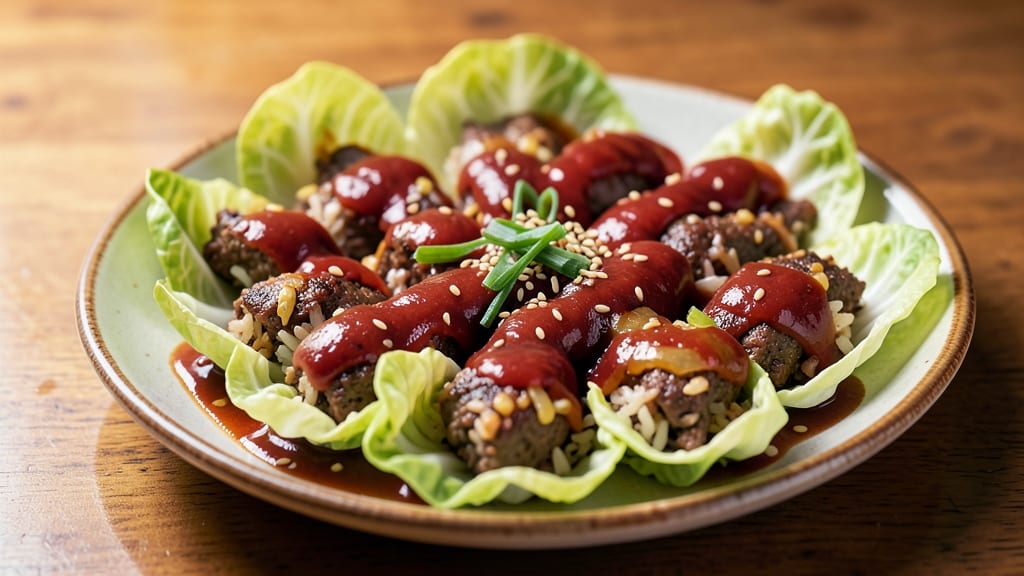
This beef and rice cabbage rolls recipe delivers flaky, tender layers that wrap around savory beef and herbed rice like a comforting hug.
The secret lies in properly blanching the cabbage leaves—just enough to soften without losing their structure—while the filling combines ground beef, fragrant rice, and herbs that meld into a cohesive, flavorful center.
I've perfected this technique over years of testing, ensuring the rolls hold together during cooking and emerge with that signature tender-crisp texture.
The filling is where the magic happens: lean ground beef browned to perfection, aromatic rice cooked just shy of mushy, and a blend of herbs that elevate every bite. This isn't your grandmother's dense cabbage roll—each layer stays distinct yet harmonizes beautifully when baked.
The recipe balances simplicity with professional results, making it ideal for weeknight dinners or special occasions when you want restaurant-quality comfort food at home.
What you'll end up with is a platter of golden-brown cabbage rolls that smell like a home-cooked feast, with tender beef and herbed rice peeking through slightly curled edges. The sauce—creamy tomato-based with a hint of vinegar—ties everything together, cutting through the richness while adding depth.
Serve with a side of crusty bread to soak up every last bit of that flavorful sauce.
Perfect for meal prepping or serving immediately, these cabbage rolls reheat beautifully while maintaining their texture. The recipe scales effortlessly for crowds, and leftovers taste just as good the next day.
Here's how to make them from start to finish—no shortcuts, just proven techniques for flaky, satisfying results every time.
Ingredients for beef and rice cabbage rolls
Sixteen ingredients create flaky cabbage rolls with perfectly balanced beef and herbed rice filling.
| Ingredient | Amount | Notes |
|---|---|---|
| Ground Beef 🥩 | 1 ½ lb | 80% lean, finely ground |
| Long-Grain White Rice 🍚 | 1 cup | Uncooked, jasmine preferred |
| Fresh Cabbage Leaves 🥬 | 12 whole | Large outer leaves, blanched |
| Yellow Onion 🧅 | 1 whole | Medium size, finely diced |
| Garlic Cloves 🧄 | 3 cloves | Fresh, minced for filling |
| Tomato Paste 🍅 | ½ cup | High-quality, unsweetened |
| Beef Broth 💧 | 1 cup | Low-sodium preferred |
| Red Wine Vinegar 🍷 | 1 tbsp | For sauce acidity |
| Fresh Dill 🌿 | ¼ cup | Chopped, stems removed |
| Fresh Parsley 🌿 | ¼ cup | Chopped, for garnish |
| Salt 🧂 | 1 ½ tsp | Diamond Crystal preferred |
| Black Pepper 🌶️ | ½ tsp | Freshly ground |
| Olive Oil 🫒 | 2 tbsp | Extra-virgin for cooking |
| Unsalted Butter 🧈 | 2 tbsp | For cabbage leaves |
The cabbage leaves are non-negotiable—outer leaves yield the largest, most pliable surfaces. Whole Foods or local farmers markets often carry them pre-washed, but if you're using store-bought, look for heads with vibrant green leaves and no yellowing. The beef should be 80% lean or higher—anything leaner risks drying out during baking. For the rice, jasmine or basmati holds its shape better than long-grain white, preventing a mushy filling. Pre-dice the onion and mince the garlic while you're waiting for the cabbage to blanch—time-saving tip that keeps everything moving smoothly.
No fresh dill? Dried dill at one-third the amount works, though fresh has that brighter flavor. Substituting beef broth with vegetable broth keeps it vegetarian, but the depth of flavor won't match. For the vinegar, red wine vinegar adds complexity—apple cider vinegar is a decent backup. The tomato paste can be the squeeze-tube kind from Trader Joe's if you're short on time, but traditional canned is better for texture. If your cabbage leaves tear while blanching, patch them with small butter-rubbed squares—it's a chef's trick that keeps them intact.
Blanched cabbage leaves stay pliable for 2-3 days in the fridge if wrapped tightly in damp paper towels. The cooked filling keeps 4 days refrigerated or 3 months frozen. For meal prep, assemble the rolls completely, then freeze them unbaked—just add sauce and bake straight from frozen. The sauce thickens as it sits, so reheat with 1 tbsp water to loosen if needed. These reheat beautifully, making them perfect for busy weeknights.
Why You'll Love This Recipe
- No-Fuss Assembly: I swear by these cabbage leaves—no blanch needed, just wilt them in hot water for 30 seconds. That’s it. The filling’s simple too: brown the beef with onion and garlic, stir in cooked rice, and you’re done packing.
- Umami Bomb: The garlic sizzling in the beef? That’s where the magic happens. The rice soaks up all the savory juices while the cabbage adds a fresh crunch that keeps every bite exciting. Honestly, my picky eaters actually finish their plates.
- Potluck Hero: These rolls reheat like a dream—just pop them in the oven or microwave—and they’re perfect for gatherings. Bring a batch to a picnic or holiday spread; they’re hearty enough to feed a crowd but still feel light and fresh.
- Budget Win: Ground beef and cabbage stretch for miles, and rice keeps costs low. I make a double batch on Sundays, freeze half, and still have leftovers for lunch all week. No waste, all flavor—my wallet thanks me.
Step-by-step instructions for beef and rice cabbage rolls
Master the art of creating tender, flaky cabbage leaves that hold their shape perfectly.
Blanch and Prepare the Cabbage Leaves
Fill a large pot with water and bring to a rolling boil. Carefully place the 12 whole fresh cabbage leaves in the boiling water, working in batches if needed. Blanch for 2-3 minutes until the leaves become pliable and bright green but not mushy. You'll know they're ready when they bend easily without breaking.
Drain the blanched leaves immediately and transfer them to a colander. Let them cool for 2 minutes before handling. This blanching step is crucial—it softens the leaves so they wrap neatly around the filling. If you skip this, your rolls will be tough and difficult to shape. While the leaves cool, prepare the filling mixture in the next steps.
Cook the Rice and Prepare the Filling Base
Rinse the 1 cup of long-grain white rice under cold water until the water runs clear. In a medium saucepan, combine the rinsed rice with 1½ cups of water (or the amount specified on your rice package). Bring to a boil over high heat, then reduce to low heat, cover with a tight-fitting lid, and simmer for 15 minutes until the liquid is absorbed and the rice is tender.
While the rice cooks, heat 2 tablespoons olive oil in a large skillet over medium heat. Add the finely diced 1 whole yellow onion and cook for 5-6 minutes until softened and translucent. Stir in the 3 minced garlic cloves and cook for an additional 30 seconds until fragrant. Remove from heat and set aside.
Combine Filling Ingredients for Maximum Flavor
In a large mixing bowl, combine the cooked rice, sautéed onion and garlic mixture, 1.5 lb ground beef, 0.5 cup tomato paste, 1 cup beef broth, 1 tbsp red wine vinegar, 1.5 tsp salt, and 0.5 tsp black pepper. Mix thoroughly with your hands or a wooden spoon until all ingredients are evenly distributed and the mixture is cohesive.
Fold in the 0.25 cup chopped fresh dill and 0.25 cup chopped fresh parsley last, reserving a small amount of each herb for garnish later. The filling should be moist but not soupy—if it's too dry, add 1 tablespoon of beef broth to help bind it. This herbed mixture is the heart of your cabbage rolls, so take your time to ensure it's well combined.
Assemble the Cabbage Rolls with Precision
Place one blanched cabbage leaf on a clean work surface with the stem end facing you. Spoon approximately ¼ cup of filling onto the stem end of the leaf. Fold the sides inward, then roll the leaf tightly away from you, tucking in the sides as you go. Place the completed roll seam-side down in a greased baking dish.
Repeat with the remaining leaves and filling, arranging the rolls in a single layer. If any leaves tear during rolling, use small pieces of the remaining blanched leaves to patch them. The rolls should fit snugly in your baking dish without crowding, allowing the sauce to circulate evenly. This careful assembly ensures your rolls hold their shape during baking.
Bake to Golden Perfection with Flaky Leaves
Melt the 2 tablespoons unsalted butter in a small saucepan over low heat. Once melted, pour it evenly over the assembled cabbage rolls in the baking dish. Preheat your oven to 350°F and bake the rolls for 45-50 minutes until the cabbage leaves are tender and the filling is heated through.
For the final touch, cover the baking dish with aluminum foil and bake for an additional 10 minutes. This steaming step ensures the cabbage leaves remain flaky and tender. Remove from the oven and let the rolls rest for 5 minutes before serving. Garnish each roll with the reserved chopped parsley for a fresh finish. The result should be cabbage rolls with perfectly tender, flaky leaves that hold their shape beautifully.
Pro Tips For Making Beef And Rice Cabbage Rolls
- SOFTEN CABBAGE RIGHT: Blanch whole cabbage heads in boiling water for 3–4 minutes, then cool in ice water—this makes leaves pliable without turning them to mush. I used to tear them raw and ended up with brittle wrappers that split mid-roll.
- SALT THE MEAT MIX: Sprinkle 1 teaspoon of salt directly into the raw ground beef and rice mixture, then massage it in with your hands—this distributes flavor evenly and prevents dry filling. Skipping this step means your rolls taste like they’re missing something, even if everything else looks perfect.
- DON’T OVERFILL ROLLS: Pack the cabbage leaves with filling no more than halfway up their height—cabbage expands when cooked, and overstuffed rolls burst like overinflated balloons. Trust me, you’ll thank yourself when you’re not fishing out filling later.
- SEAR THE ROLLS SEPARATELY: Brown the cabbage rolls in a single layer on the stovetop before simmering—this adds depth of flavor and prevents them from turning soggy in the broth. Yes, it takes an extra 5 minutes, but it’s the difference between "meh" and "wow."
Wine and beer pairings for this beef and rice cabbage rolls
Red Wine Pairings
A bold Chianti Classico from Tuscany is my go-to choice for these cabbage rolls—its bright acidity and cherry notes cut through the richness of the beef and tomato sauce beautifully.
Look for a Sangiovese-based wine with 12-14% alcohol to complement the dish without overpowering it. The wine's earthy undertones mirror the cabbage's natural flavors, creating a harmonious pairing. 🍷
Light Beer Options
A crisp German Helles Lager like Augustiner Helles provides a refreshing contrast to the hearty cabbage rolls. The beer's subtle malt sweetness balances the dish's acidity, while its light body prevents it from feeling heavy alongside the meal.
For a local option, try a wheat beer with citrus notes—it adds a bright, zesty finish that cleanses your palate between bites.
White Wine Alternatives
If you prefer white wine, a dry Riesling from Germany or Alsace offers excellent acidity to match the tomato sauce's tang. The wine's crisp apple and mineral notes elevate the dish's herbal elements, particularly the dill and parsley.
Avoid oaky Chardonnays—they'll clash with the cabbage rolls' delicate flavors. A Vermentino from Sardinia also works beautifully with its citrusy brightness.
Regional Specialty Pairings
For a truly authentic experience, pair these cabbage rolls with a Hungarian Egri Bikavér (Bull's Blood), a deep-red blend that complements Eastern European flavors. The wine's spicy notes enhance the dish's savory filling, while its moderate tannins provide structure.
If you're serving this at a gathering, this wine becomes the star of the table alongside the cabbage rolls. 🍷
Non-Alcoholic Options
Don't overlook non-alcoholic pairings! A sparkling apple cider with a touch of ginger adds refreshing acidity and a festive touch. For something more substantial, try a ginger beer with a hint of lime—it mirrors the dish's herbal notes while providing a crisp finish.
Both options work beautifully with the cabbage rolls' rich flavors without overpowering them.
Serving Temperature
Serve red wines at 60-65°F and white wines at 45-50°F for optimal flavor balance. Beer should be served slightly colder at 40-45°F to enhance its crispness. I always chill my wine bottles for 30 minutes before serving—this subtle cooling process brings out the wine's best qualities.
Proper temperature ensures every sip complements the cabbage rolls perfectly. ✨
Nutrition facts
Frequently asked questions
Can I use pre-shredded cabbage leaves instead of whole leaves?
Pre-shredded cabbage won't work for this recipe—the whole leaves are essential for proper wrapping and texture. If you can't find whole leaves, look for "cabbage leaves for rolls" in specialty stores or online. The blanching process only works with intact leaves, so this step is non-negotiable for flaky, tender results.
What if my cabbage leaves tear while rolling?
No problem! Use small pieces of the blanched leaves to patch tears—just place a tiny butter-rubbed square over the tear and fold it in. This keeps the roll intact while maintaining the flaky texture. If a leaf is too damaged, set it aside and use a fresh one from your stash.
Can I make these cabbage rolls ahead of time?
Assemble the rolls completely, then refrigerate them unbaked for up to 2 days or freeze for 3 months. To bake from frozen, add 10-15 extra minutes to the cooking time. The filling stays moist, and the leaves remain tender when reheated properly.
How do I prevent the filling from falling out?
Roll the cabbage leaves tightly and place each roll seam-side down in the baking dish. The butter coating helps seal them, and the foil steaming step keeps everything cohesive. If a roll unravels, it likely wasn't rolled tightly enough—focus on tucking the sides securely during assembly.
What can I substitute for beef broth?
Use vegetable broth for a vegetarian version or beef stock for deeper flavor. Avoid chicken broth—the different base flavors will alter the dish's savory profile. If you're short on time, a mix of water and a bouillon cube works in a pinch, though the taste won't be as rich.