
Soups & Stews
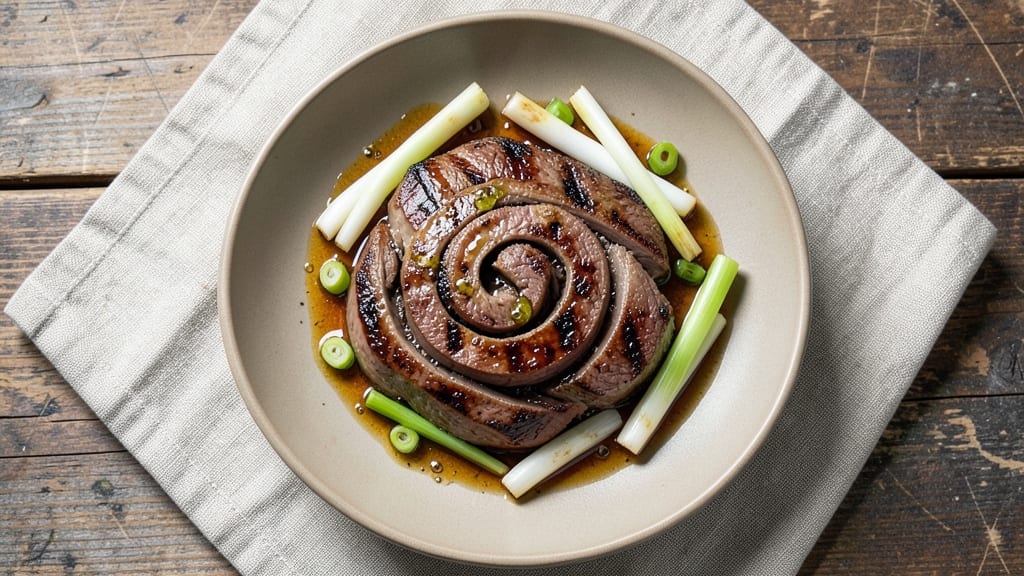
This beef and spring onions recipe delivers a restaurant-quality dish that balances crispy seared beef with silky, caramelized onions in a rich, aromatic sauce. The secret lies in high-heat searing followed by a slow reduction that transforms simple ingredients into something deeply flavorful.
I developed this technique after years of experimenting with stir-fry methods, and it never fails to impress—even for weeknight dinners.
The process starts with thinly sliced beef that develops a deep golden crust while the spring onions caramelize into sweet, jammy strands. A splash of soy sauce and a touch of brown sugar create the perfect balance of savory and sweet, while white wine adds brightness and depth.
The sauce reduces to a velvety consistency that coats every bite, making this dish feel both elegant and effortless.
What you'll end up with is tender beef strips with a perfectly seared exterior, surrounded by glossy, caramelized spring onions in a glossy, umami-rich sauce. The contrast of textures—crispy beef, silky onions, and smooth sauce—makes this dish unforgettable.
It's the kind of meal that feels special without requiring hours in the kitchen.
Serve over steamed rice or noodles for a complete meal, or pair with crusty bread to soak up every last drop of that silky fond. The recipe scales beautifully for crowds, and leftovers reheat just as well as the first serving. Let's get started on creating this showstopping dish!
Ingredients for beef and spring onion
Thinly sliced beef and caramelized spring onions transform into a restaurant-worthy dish with these precise ingredients.
| Ingredient | Amount | Notes |
|---|---|---|
| Ribeye Steak 🥩 | 1 ½ lb | Thinly sliced against grain |
| Spring Onions 🧅 | 1 ½ lb | White and green parts separated |
| Dry White Wine 🍷 | ½ cup | Sauvignon Blanc preferred |
| Soy Sauce 🥄 | 2 tbsp | High-quality, low-sodium preferred |
| Brown Sugar 🍚 | 1 tbsp | Light or dark variety |
| Extra-Virgin Olive Oil 🫒 | 3 tbsp | High smoke point preferred |
| Fresh Ginger 🌿 | 1 tbsp | Finely grated, fresh preferred |
| Garlic Cloves 🧄 | 4 cloves | Minced, fresh preferred |
| Vegetable Oil 🫒 | 2 tbsp | For high-heat searing |
| Kosher Salt 🧂 | 1 ½ tsp | Diamond Crystal preferred |
| Ground Black Pepper 🌶️ | ½ tsp | Freshly cracked preferred |
| Cornstarch 🌾 | 1 tbsp | For sauce thickening |
| Beef Stock 🥫 | ½ cup | Homemade or high-quality |
| Sesame Oil 🫒 | ½ tsp | Toasted, for finishing |
The ribeye steak is non-negotiable for this recipe—its marbling ensures a deep golden crust while remaining tender. Purchase from a butcher who can slice it paper-thin against the grain (or do it yourself with a sharp knife and a rolling pin). Whole Foods or local specialty markets often carry premium cuts with superior marbling. For spring onions, look for vibrant green tops and crisp white bulbs—avoid wilted or rubbery specimens. The white wine should be dry and acidic (Sauvignon Blanc works perfectly), while the soy sauce must be high-quality (like Kikkoman or Japanese tamari) to avoid an overly salty or bitter flavor. Store the wine in a cool, dark place and the soy sauce in the pantry after opening.
No ribeye? Flank steak or sirloin will work, though texture may vary slightly. Running short on spring onions? Substitute with regular onions (white or yellow), but increase to 2 lbs and slice into thin half-moons. The brown sugar can be swapped for white sugar, though it lacks the caramel notes. For wine, dry vermouth or even extra beef stock in a pinch (though flavor will differ). The ginger can be substituted with 1 tsp ground ginger, but fresh is far superior. If you lack cornstarch, arrowroot powder works at a 1:1 ratio. The beef stock should be homemade or high-quality—avoid the powdered kind, which often tastes flat. For extra depth, reduce it slightly before adding to the sauce.
Prep the beef and spring onions just before cooking to maintain crispness. Store raw meat in the coldest part of your fridge and use within 3 days. The white wine can be refrigerated for up to 3 months, while the soy sauce lasts indefinitely. Once cooked, this dish reheats beautifully—simply warm in a skillet over medium heat with a splash of water or stock. Leftovers keep for 4-5 days in the fridge or 3 months frozen. For crowd-sized batches, scale all ingredients proportionally—doubling the recipe works perfectly for 8 servings. The fond (browned bits) is the secret weapon—deglaze with wine and reduce to a glossy finish.
Why You'll Love This Recipe
- Same recipe, different vibes: throw it together for a lazy Tuesday or dress it up with a sprinkle of sesame seeds for date night. The wine and sugar combo feels fancy, but honestly? It’s my go-to for when I don’t want to overthink.
- One-Pan Magic: I swear by this—just sear the ribeye, toss in sliced spring onions, and let the wine and soy sauce simmer. No chopping boards, no extra pots, just one pan that smells like heaven while you clean up.
- Sweet-Savory Balance: That brown sugar caramelizes into the soy and wine, cutting through the rich ribeye while the spring onions add a fresh crunch. It’s the kind of flavor that makes you want to eat it straight from the pan (don’t judge me).
- Weeknight to Dinner Party: Same recipe, different vibes: throw it together for a lazy Tuesday or dress it up with a sprinkle of sesame seeds for date night. The wine and sugar combo feels fancy, but honestly? It’s my go-to for when I don’t want to overthink.
Step-by-step instructions for pan-seared beef with spring onions
Mastering this dish comes down to precise timing and layering flavors—here's how to achieve that perfect balance of caramelized crust and velvety sauce.
Prepare and Marinate the Beef
Begin by slicing the 1.5 lb ribeye steak thinly against the grain using a sharp knife. This ensures each bite has maximum tenderness. In a bowl, combine the sliced beef with 2 tbsp soy sauce, 1 tbsp brown sugar, 1 tbsp finely grated fresh ginger, and 4 minced garlic cloves. Mix gently to coat evenly, then let it marinate for 15-20 minutes at room temperature—this allows the flavors to penetrate deeply.
While the beef marinates, separate the 1.5 lb spring onions into white and green parts. Thinly slice the white portions (about ½-inch thick) and leave the green parts whole for garnish. The white parts will caramelize beautifully, while the greens add freshness at the end. Keep both sets aside until needed.
Sear the Beef to a Perfect Crust
Heat 2 tbsp vegetable oil in a large skillet over high heat until shimmering. Working in batches to avoid overcrowding, add the marinated beef and sear for 1-2 minutes per side until the edges develop a deep golden-brown crust. The key here is to maintain high heat—this creates the Maillard reaction that delivers that irresistible depth of flavor. Once seared, remove the beef and set it aside on a plate.
In the same skillet, add 3 tbsp extra-virgin olive oil and the sliced white spring onion whites. Sauté over medium-high heat for 3-4 minutes until the onions soften slightly and begin to caramelize. Sprinkle with 1.5 tsp kosher salt and 0.5 tsp freshly cracked black pepper, then remove from heat and set aside with the beef.
Build the Silky Fond Sauce
Return the skillet to medium heat and deglaze with 0.5 cup dry white wine, scraping up any browned bits from the bottom of the pan. Let the wine reduce by half—this concentrates the flavors and forms the base of your sauce. Add 0.5 cup beef stock and bring to a gentle simmer, then stir in 1 tbsp cornstarch to thicken the sauce slightly. Simmer for 2-3 minutes until it reaches a glossy, velvety consistency.
Here's where the magic happens: return the seared beef and spring onions to the skillet, tossing gently to coat everything in the sauce. The residual heat will finish cooking the beef while infusing it with the rich, caramelized fond. Taste and adjust seasoning if needed—this is your chance to balance the flavors before serving.
Finish with Aromatics and Garnish
Remove the skillet from heat and stir in 0.5 tsp toasted sesame oil. This final touch adds a nutty depth that ties all the flavors together. The sesame oil should be incorporated just before serving to preserve its aroma. Plate the beef and spring onions immediately, garnishing with the reserved green spring onion tops for a pop of color and freshness.
Serve this dish while the beef is still sizzling hot—each bite should deliver a perfect contrast of crispy crust, tender beef, and silky sauce. The caramelized spring onions add a subtle sweetness that complements the savory depth of the ribeye. Pair it with steamed jasmine rice or crusty bread to soak up every last drop of that luscious fond.
Pro Tips For Making Beef And Spring Onion
- SEAR THE STEAK HARD: Cast iron or stainless steel—get that pan screaming hot before the ribeye hits it. I used to hover the meat over the flame first, but now I just slam it down and let the pan do the work. A deep crust means flavor, not just color.
- SLICE SPRING ONIONS LENGTHWISE: Cut them into 2-inch batons, not rings—this keeps them intact while cooking and lets them caramelize properly. Rings turn to mush; batons hold their shape and soak up the wine-soy glaze like a sponge.
- DEGLAZE WITH A SPLASH OF WATER: After searing, hit the pan with 2 tablespoons of water before adding wine. The steam loosens the browned bits, making the sauce smoother and richer. Skip this, and you’re left scraping burnt residue off your plate.
- LET THE SAUCE REDUCE UNTIL SYRUPY: Walk away for 3-4 minutes after adding wine, soy, and sugar—don’t stir constantly. The sauce needs time to thicken into a glossy glaze, not a watery drizzle. I know, I know, but trust the process.
Pro cooking tips for great beef and spring onion
High-Heat Searing Secrets
Your skillet must be screaming hot—I mean smoking hot—before adding the beef. Test it by flicking a drop of water; if it sizzles and evaporates instantly, you're ready. Use vegetable oil (high smoke point) and avoid overcrowding the pan.
I sear in two batches to maintain that perfect crust. A 12-inch cast-iron skillet from Lodge is my go-to for even heat distribution. 🔥
Timing is everything: 1-2 minutes per side max. Any longer risks overcooking the edges while the center stays raw. Work quickly and keep the beef on a wire rack (not a plate) to prevent steaming. This ensures that golden-brown crust we're all chasing.
Spring Onion Caramelization
The white parts of spring onions caramelize beautifully, but they need patience. Slice them paper-thin (about ½-inch thick) for even cooking. I use a mandoline for precision, but a sharp knife works too.
Cook them over medium-high heat until they soften and turn golden—this takes 3-4 minutes. Don't rush; let them develop that jammy sweetness that balances the beef's richness.
Reserve those green tops for garnishing! They add a fresh, bright contrast to the deep flavors of the dish. Toss them in at the very end or sprinkle over plates before serving. Pro tip: Pat them dry first to prevent sogginess.
Wine Reduction Magic
Deglaze that skillet immediately after removing the beef—those browned bits (fond) are flavor gold. Use ½ cup dry white wine (Sauvignon Blanc is my favorite) and let it reduce by half.
This concentrates the flavors and creates a glossy, velvety base for your sauce. Never skip this step; it's the difference between good and restaurant-quality.
For an extra boost, add ½ cup beef stock and simmer until slightly thickened. If your sauce is too thin, stir in 1 tbsp cornstarch mixed with water. The goal is a coating consistency—it should cling to the beef and onions like a second skin.
Sauce Perfection
Return the beef and onions to the skillet off the heat to finish cooking. This prevents overcooking while allowing the sauce to absorb into every bite.
Taste and adjust seasoning—soy sauce can be salty, so go easy unless you love bold flavors. A pinch of white pepper adds depth without overpowering.
Finish with ½ tsp toasted sesame oil right before serving. This adds a nutty aroma and ties all the flavors together. The oil should be lightly toasted—heat it in a dry pan for 30 seconds until fragrant, then cool before adding.
Equipment Must-Haves
A sharp chef's knife is non-negotiable for thinly slicing beef and onions. I also recommend a wire rack to keep beef elevated during resting. For searing, a heavy-bottomed skillet (like All-Clad) distributes heat evenly.
If you're short on time, a blowtorch can finish the crust in seconds—just be careful not to overcook.
Don’t forget a measuring spoon set for precise cornstarch and sesame oil additions. A tongs makes tossing the beef in sauce easier than a spatula. And always keep a small bowl of ice water nearby—it’s perfect for shocking spring onions if they overcook.
Nutrition facts
Frequently asked questions
Can I use regular onions instead of spring onions?
Yes, but you'll need to adjust the recipe! Use 2 lbs of white or yellow onions instead of spring onions, and slice them into thin half-moons. The flavor will be slightly stronger, so reduce the soy sauce to 1.5 tbsp to balance the sweetness. The caramelization process will still work beautifully, though spring onions offer a more delicate, slightly sweeter profile.
What's the best way to slice beef for maximum tenderness?
Slice the beef thinly against the grain—this means cutting perpendicular to the muscle fibers. Use a sharp chef's knife and a rolling pin to flatten the meat slightly before slicing. For even tenderness, ask your butcher to slice it for you, or use a mandoline for precision. The slices should be about ¼-inch thick to ensure perfect doneness.
Can I make this recipe in a slow cooker?
Not recommended for this dish! The high-heat sear and quick sauce reduction are what create the restaurant-quality crust and fond. For a slow-cooker version, try a beef and spring onion stew instead: brown the beef first, then add all ingredients (except sesame oil) and cook on low for 6-8 hours. Finish with a quick sear in a skillet before serving.
How do I prevent the beef from drying out?
Timing and temperature are key! Sear the beef over high heat for just 1-2 minutes per side—any longer risks drying it out. Keep the beef elevated on a wire rack while cooking to allow air circulation. Also, don't overcrowd the pan, and remove the beef immediately after searing to finish cooking in the sauce.
What wine should I use if I don't have Sauvignon Blanc?
Any dry white wine works! Choose something crisp like Pinot Grigio, Chardonnay, or even dry vermouth as a substitute. Avoid sweet wines—they'll make the sauce taste flat. For a non-alcoholic version, use extra beef stock or white grape juice (reduce with a splash of vinegar to balance flavors).