
Soups & Stews
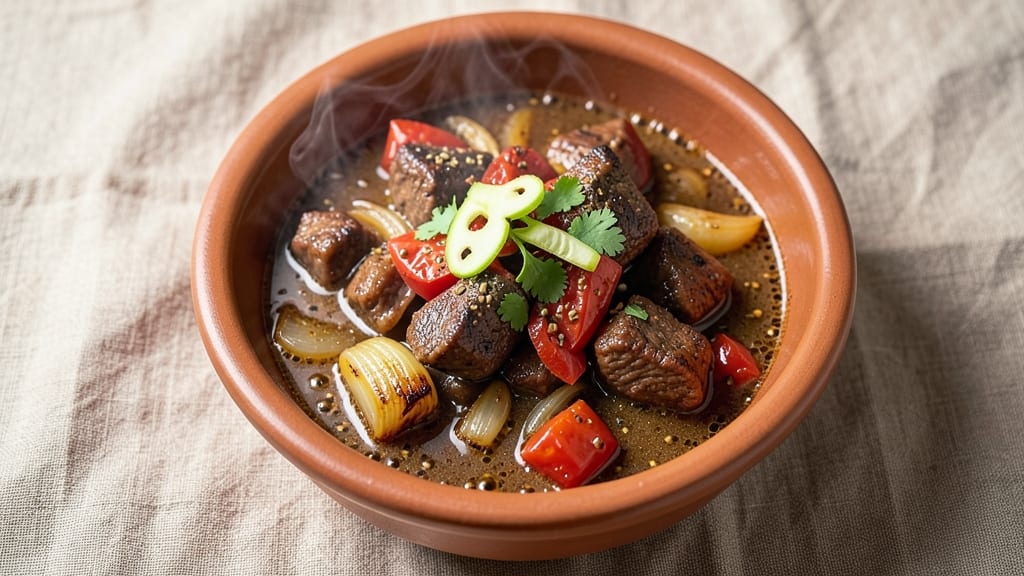
This beef and tomato curry recipe delivers restaurant-quality depth with just a few simple techniques—slow-simmered spices, tender beef, and a sauce that thickens into velvety perfection. The key lies in blooming whole spices in hot oil first, unlocking their aromatic potential before they meet the tomatoes and beef.
My version skips shortcuts like pre-made spice blends, opting instead for fresh ginger, garlic, and a blend of cumin, coriander, and turmeric that builds flavor layer by layer.
The process is straightforward but requires patience: sear the beef in batches to develop a rich crust, then let the curry simmer for at least 45 minutes until the sauce reduces to a thick, glossy consistency.
The tomatoes soften into a sweet-tangy base, while the beef becomes fork-tender without falling apart. This isn’t an instant meal—it’s a slow-cooked masterpiece that rewards your time with every spoonful.
What you’ll end up with is a dish that’s deeply satisfying: rich, aromatic, and balanced between the smoky warmth of the spices, the bright acidity of the tomatoes, and the melt-in-your-mouth beef.
The sauce clings to the protein like a second skin, while the spices linger on your palate long after the last bite. Serve it over basmati rice or with warm naan to soak up every last drop of that luxurious sauce.
Perfect for weeknight dinners when you crave comfort, or for impressing guests with a dish that feels both elegant and approachable. The best part? Leftovers taste even better the next day as the flavors meld further. Let’s get cooking—this curry is worth the wait.
Ingredients for beef and tomato curry
Restaurant-quality curry starts with these aromatic ingredients—spices that bloom, beef that tenderizes, and tomatoes that sweeten into velvety perfection.
| Ingredient | Amount | Notes |
|---|---|---|
| Chuck Roast Beef 🥩 | 1 ½ lb | Cut into 1-inch cubes, marbling preferred |
| Canned San Marzano Tomatoes 🍅 | 2 cups | Crushed or whole, no salt added |
| Yellow Onion 🧅 | 1 whole | Medium size, finely diced |
| Fresh Ginger Root 🌿 | 1 ½ tbsp | Finely grated, aromatic |
| Garlic Cloves 🧄 | 6 cloves | Minced, not pre-minced jar |
| Ground Cumin 🌶️ | 1 tbsp | Freshly toasted for depth |
| Ground Coriander 🌿 | 1 tbsp | Sweet, not bitter |
| Turmeric Powder 🧂 | 1 tsp | Bright yellow, no additives |
| Garam Masala 🌶️ | 1 tbsp | Store-bought or homemade blend |
| Extra-Virgin Olive Oil 🫒 | ½ cup | For searing, fruity variety |
| Vegetable Oil 🫒 | 1 tbsp | For simmering, neutral flavor |
| Fresh Cilantro 🌿 | ¼ cup | Chopped, for garnish |
| Kosher Salt 🧂 | 1 ½ tsp | Diamond Crystal preferred |
| Black Peppercorns 🌶️ | ½ tsp | Freshly cracked |
| Water 💧 | 1 cup | For thinning sauce if needed |
The beef is non-negotiable here. Chuck roast with good marbling breaks down beautifully, but sirloin tips work in a pinch if you're short on time. I always grab mine from the butcher counter at Whole Foods—they cut it just right. Look for bright red color and visible fat; that's where the flavor hides. The tomatoes? San Marzano is the gold standard, but any no-salt-added crushed tomatoes will do. Fresh ginger and garlic are worth the extra minute to prep—pre-minced jarred ginger tastes like sawdust in comparison. Spices lose potency fast, so buy small amounts from bulk bins if you don't use them often.
No fresh ginger? Powdered works at half the amount, but you'll miss that bright zing. Short on cumin? Cumin seeds toasted and ground add incredible depth—just dry-toast in a pan for 30 seconds first. The garam masala blend is where the magic happens; if you can't find it, mix 1 tsp each of cinnamon, cardamom, cloves, and black pepper. For the oil, stick with olive oil for searing—its smoke point is high enough, and the flavor complements the dish beautifully. The vegetable oil later keeps things from sticking without overpowering. Prefer a drier curry? Skip the water entirely and let the sauce reduce naturally.
This curry tastes even better the next day—plan ahead. Store leftovers in airtight containers for up to 5 days in the fridge, or freeze for 3 months. I like to portion it into individual containers so I can grab one for lunch without reheating the whole batch. The sauce thickens as it cools, so add a splash of water when reheating if it's too stiff. Fresh cilantro wilts fast, so store it wrapped in damp paper towels in a sealed bag. The spices? Keep them in a cool, dark cabinet—they'll stay potent for months.
Why You'll Love This Recipe
- One-Pot Magic: I swear by this recipe when I’m too tired to scrub pots—throw everything in one deep skillet, and the beef practically melts into the tomatoes while you chop. The onions caramelize right there, no extra pan needed.
- Deep, Rich Layers: Between the slow-cooked chuck’s tenderness and the bright, juicy San Marzano tomatoes, this curry has texture—that crispy edge on the beef with the creamy center? It’s the kind of bite that lingers, like a good story you can’t wait to finish.
- Meal Prep MVP: Make a double batch on Sunday, and you’ve got lunch for three days. The flavors actually get better as it sits—my husband’s favorite for quick lunches, and it reheats like a dream (no sad, dry curry here).
- Budget-Friendly Luxury: Chuck roast is cheap, but it cooks up like a steakhouse cut when braised with ginger and garlic. Honestly, I’d rather eat this than takeout—same satisfaction, way better for my wallet, and zero delivery fees.
Step-by-step instructions for beef and tomato curry
Here's how to build a rich, aromatic curry that simmers into perfect harmony.
Prepare the Beef and Aromatics
Cut the 1.5 lb chuck roast beef into 1-inch cubes, keeping some fat for flavor. In a large bowl, combine the beef with 1.5 tsp kosher salt, 0.5 tsp freshly cracked black peppercorns, 1 tbsp ground cumin, 1 tbsp ground coriander, and 1 tsp turmeric powder. Toss until the beef is evenly coated and the spices cling to the surface.
While the beef marinates, finely dice the whole yellow onion and grate the 1.5 tbsp fresh ginger root. Mince the 6 garlic cloves - this is where the foundation of your curry's flavor begins. I like to use a microplane for the ginger to get that fine, aromatic texture that dissolves beautifully into the sauce.
Sear the Beef for Deep Flavor
Heat a large Dutch oven over medium-high heat. Add 0.5 cup extra-virgin olive oil and let it shimmer for 30 seconds. Working in batches, add the seasoned beef cubes and sear for 2-3 minutes per side until they develop a rich, golden-brown crust. This step is crucial - don't overcrowd the pan or the beef will steam instead of sear.
Once all the beef is browned, remove it from the pot and set aside. In the same pot, add 1 tbsp vegetable oil and sauté the diced onion for 4-5 minutes until softened and translucent. Add the grated ginger and minced garlic, cooking for another 1-2 minutes until fragrant - you should smell that warm, spicy aroma filling your kitchen.
Build the Curry Base
Pour in the 2 cups canned San Marzano tomatoes and scrape up any browned bits from the bottom of the pot. This releases all the flavor locked in from searing the beef. Add 1 tbsp garam masala and bring the mixture to a gentle simmer over medium heat. Let it cook uncovered for 10 minutes to allow the flavors to meld and the sauce to thicken slightly.
Return the seared beef to the pot, nestling it into the sauce. Pour in 1 cup water and stir gently to combine. The liquid should just barely cover the beef - if it's too thin, the curry will be watery. Here's the thing - we want that rich, cohesive sauce that clings beautifully to every bite of beef.
Slow Simmer to Tender Perfection
Reduce the heat to low and cover the pot with a tight-fitting lid. Let the curry simmer gently for 1.5 to 2 hours, stirring occasionally. The beef needs this time to become fork-tender while absorbing all those wonderful spices. You'll know it's ready when the beef easily pulls apart with a fork and the sauce has thickened into a luxurious consistency.
About 20 minutes before the curry is done, taste and adjust the seasoning. The spices should be balanced - you want to taste the warmth of the cumin and coriander, the earthy garam masala, and the bright acidity from the tomatoes. If it needs more salt, add it gradually - you can always add more, but you can't take it out.
Finish and Serve
Once the beef is tender, remove the lid and increase the heat to medium. Let the sauce reduce slightly for 5-10 minutes until it coats the back of a spoon. This final reduction intensifies the flavors and creates that perfect sauce-to-beef ratio.
Stir in the 0.25 cup chopped fresh cilantro just before serving. The bright, fresh notes cut through the richness of the curry beautifully. Serve immediately with steamed basmati rice or warm naan bread. Each bite should deliver tender beef, aromatic spices, and a sauce that's rich yet balanced - that's the magic of a well-made curry.
Pro Tips For Making Beef And Tomato Curry
- Brown the Beef First: Chuck roast won’t tenderize if it’s swimming in liquid too soon. Sear it in batches over medium-high heat until deep brown—about 3-4 minutes per side—before touching a drop of water. The crust locks in flavor and prevents the curry from tasting like stewed meat.
- Grate, Don’t Mince Ginger: I used to pulse ginger in a food processor, but grating it by hand (with the peel on) releases more oils and aroma. Use about 2 tablespoons of fresh, finely grated ginger—no need to peel it first. It’ll melt into the sauce smoothly, and you won’t waste precious time.
- Crush Garlic, Don’t Chop: Smash those garlic cloves with the flat side of your knife before mincing—it breaks down the cell walls and releases more flavor. For this curry, 4-5 cloves, crushed and sautéed until golden (not burned), make a real difference. Skip this, and your curry will taste underwhelming.
- Simmer Tomatoes Low: After adding the San Marzano tomatoes, reduce the heat to a gentle simmer. High heat turns the sauce rubbery and dulls the natural sweetness. Let it bubble quietly for at least 20 minutes—this is where the flavors marry, not where you rush. Patience here pays off.
Best sauces and condiments for this beef and tomato curry
Creamy Coconut Twist
Transform your curry into a luscious coconut version by adding 1 can (13.5 oz) full-fat coconut milk during the final 30 minutes of simmering. Stir in 1 tbsp lime zest and 2 tbsp lime juice for brightness.
The coconut milk softens the spices while adding a velvety texture—perfect with jasmine rice. For extra richness, toast 1 tbsp desiccated coconut in a dry pan and sprinkle on top. 🥥
Yogurt Sauce Swirl
Balance the heat with a cooling yogurt swirl by stirring ½ cup plain Greek yogurt into the finished curry just before serving. The tang cuts through the richness while adding creaminess.
I like to dollop extra yogurt on the side for dipping—especially with garlic naan. For a smoky touch, add ½ tsp smoked paprika to the yogurt before mixing. 🥛
Tamarind Glaze
Add depth with a tamarind glaze by simmering 2 tbsp tamarind paste with 1 tbsp honey and 1 tbsp water until smooth. Stir this into the curry during the last 10 minutes of cooking.
The tamarind’s tangy-sweet flavor brightens the tomatoes while adding complexity. Garnish with toasted cashews for crunch. 🌶️
Mango Chutney
For a sweet-spicy contrast, blend 1 cup ripe mango chunks, 1 tbsp red chili powder, 1 tbsp apple cider vinegar, and 1 tbsp honey into a chunky chutney.
Serve alongside the curry for dipping or spoon over the top. The mango’s juiciness complements the beef beautifully while adding a vibrant color. 🍈
Ginger-Scallion Oil
Elevate the dish with a drizzle of ginger-scallion oil by infusing ½ cup neutral oil with 2 tbsp minced scallions and 1 tbsp grated ginger. Heat until fragrant (don’t let it brown), then strain and drizzle over the curry just before serving.
This adds a fresh, herbal note that cuts through the richness. 🌿
Lemon-Tahini Sauce
Create a silky tahini sauce by whisking 2 tbsp tahini, 2 tbsp lemon juice, 1 tbsp honey, and 2 tbsp water until smooth. Drizzle over the curry or serve on the side for dipping.
The tahini adds a nutty depth, while the lemon keeps it bright. Perfect with warm pita bread for scooping. 🥗
Nutrition facts
Frequently asked questions about beef and tomato curry
Can I use ground beef instead of cubed chuck roast?
You can, but the texture will differ. Ground beef cooks much faster and won't develop the same tender, melt-in-your-mouth quality. If you must use it, brown it thoroughly first and reduce the simmering time to 30-45 minutes instead of 2 hours. For best results, stick with cubed beef—it absorbs the spices beautifully and stays juicy.
How do I make this curry less spicy?
Adjust the heat by reducing the cumin and coriander to ½ tsp each and omit the garam masala initially. Instead, add ½ cup plain yogurt at the end for cooling richness. For extra mildness, simmer with 1 extra cup water to dilute the spices slightly. Always taste as you go!
What's the best way to reheat leftovers?
Reheat gently in a saucepan over low heat with 2-3 tbsp water added to prevent drying. Cover and simmer for 10-15 minutes, stirring occasionally. Never microwave—it makes the sauce watery and beef tough. If the curry thickens too much, stir in a splash of water or broth. Leftovers taste even better the next day!
Can I make this curry in a slow cooker?
Brown the beef first in a skillet, then transfer everything to the slow cooker. Cook on low for 6-7 hours or high for 3-4 hours. The slow cooker's gentle heat keeps the beef tender while letting the spices meld perfectly. Add ½ cup water if the sauce gets too thick during cooking.
What if my curry sauce is too thin?
Simmer uncovered for 10-15 extra minutes to reduce the liquid naturally. If it's still too thin, mix 1 tbsp cornstarch with 2 tbsp water, stir into the curry, and simmer for 5 minutes until thickened. For a smoother texture, blend ½ cup of the sauce and stir it back in. Never over-thicken—aim for a glossy, clingy consistency.