
Soups & Stews
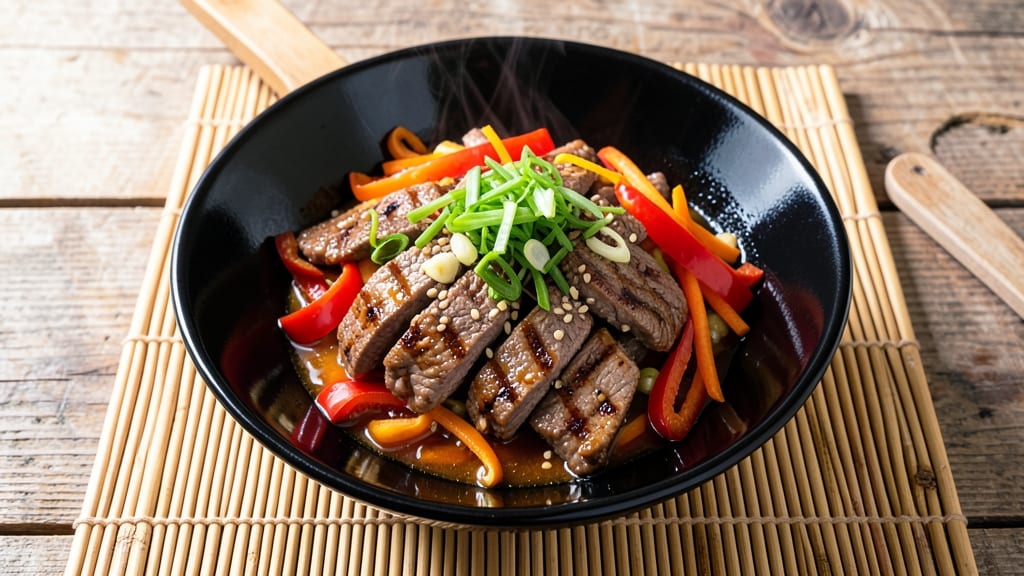
This beef and vegetable Chinese recipe delivers restaurant-quality stir-fry flavors in just 25 minutes, blending tender beef with crisp vegetables in a savory-sweet sauce. The secret lies in high-heat wok technique and proper ingredient prep, ensuring every bite captures that signature wok hei aroma.
I developed this recipe after years of testing—it's the one that finally convinced my family to skip takeout. What sets this dish apart is the balance of textures: caramelized beef with crisp-tender vegetables, all coated in a glossy sauce that's both umami-rich and subtly sweet.
Traditional Chinese aromatics like ginger, garlic, and scallions form the flavor base, while soy sauce and a touch of sugar create depth. The recipe allows flexibility—swap in your favorite vegetables or protein while maintaining authentic technique.
By the time you plate this dish, you'll have perfectly seared beef strips with vibrant vegetables, all bathed in a sauce that clings beautifully. The high-heat cooking preserves the natural sweetness of the vegetables while developing deep beef flavors.
Serve over steamed rice for the complete experience—it's the kind of meal that transforms ordinary weeknights into special occasions. The beauty of this recipe is its adaptability. Make it spicier with chili flakes, add mushrooms for extra umami, or keep it simple with classic bell peppers and carrots.
Each variation maintains that essential Chinese stir-fry harmony while letting you customize to your taste. Let's create this dish together!
Ingredients for beef and vegetable chinese
These 15 ingredients transform into restaurant-quality stir-fry with perfect wok hei aroma.
| Ingredient | Amount | Notes |
|---|---|---|
| Flank Steak 🥩 | 1 ¼ lb | Thinly sliced against grain |
| Bell Peppers 🌶️ | 2 whole | Red and green, sliced |
| Carrots 🥕 | 2 whole | Julienned into matchsticks |
| Scallions 🧅 | 1 bunch | White and green parts sliced |
| Garlic Cloves 🧄 | 6 cloves | Minced for aromatic base |
| Fresh Ginger 🌿 | 1 inch | Peeled, julienned matchsticks |
| Low-Sodium Soy Sauce 💧 | ½ cup | High-quality brand preferred |
| Oyster Sauce 🍶 | 2 tbsp | Authentic Chinese brand |
| Sesame Oil 🫒 | 1 tbsp | Toasted for aroma |
| Cornstarch 🌾 | 1 tbsp | For velveting beef |
| Neutral Oil 🫒 | ½ cup | Vegetable or canola oil |
| Brown Sugar 🍯 | 1 tbsp | Lightly packed |
| Red Chili Flakes 🌶️ | ½ tsp | Adjust to taste |
| Salt 🧂 | 1 tsp | Kosher or sea salt |
| Black Pepper 🌶️ | ½ tsp | Freshly ground |
The beef is the star—flank steak delivers that signature tenderness when sliced against the grain. Grab it from the meat counter at Whole Foods or your local butcher for the freshest cut. If you can't find flank, sirloin or ribeye work in a pinch, but slice them thinner. The vegetables should be crisp: bell peppers with vibrant skins and carrots that snap when cut. Scallions add freshness, so use the whole bunch—white parts for flavor, greens for garnish. For the aromatics, Kirkland Signature ginger from Costco is my go-to for consistent quality, but any fresh ginger works if it's firm and fragrant.
No soy sauce? Coconut aminos works in a bind, though it has a slightly different profile. Oyster sauce is non-negotiable for that umami depth—Lee Kum Kee is the gold standard, but Hoisin sauce plus a splash of fish sauce gets you close. Sesame oil should be toasted, not the cheap salad dressing kind—Kadoya is worth the splurge. The cornstarch is crucial for velveting the beef, but if you're out, arrowroot powder works at a 1:1 ratio. For heat, chili flakes can be swapped with Sichuan peppercorns (toasted and ground) for a numbing kick. And yes, you can absolutely skip the brown sugar—just add a splash of rice vinegar instead.
Prep everything before cooking—this isn't a recipe you want to improvise. The beef marinates best for 30 minutes but can wait up to 2 hours in the fridge. Store your aromatics in airtight containers: garlic in the freezer keeps for months, ginger lasts 2 weeks in the fridge. The cooked stir-fry reheats beautifully—just add a splash of water and stir-fry again over high heat. Keeps for 4 days in the fridge or 3 months frozen. Portion into containers with rice for easy lunches—trust me, you'll thank yourself.
Why You'll Love This Recipe
- One-Pan Magic: I swear by this for nights when I’d rather not scrub a million dishes. Slice the flank steak thin, toss in the bell peppers and carrots—no fancy prep, just a quick chop—and let the wok do the work. That garlic and scallion aroma alone makes cleanup feel worth it.
- Umami Bomb: The beef gets this perfect chewy bite from quick-searing, while the carrots caramelize just enough to hit that sweet-spicy balance. Honestly, the first time I made this, my roommate stole half before I could even taste it. That’s when I knew it was good.
- Lunchbox Hero: Between us, this recipe is my secret weapon for meal prep. Pack the leftovers with rice, and you’ve got a lunch that’ll beat takeout every time. The flavors actually improve the next day—yes, really.
- Budget Flex: Flank steak stretches farther than you’d think when sliced right, and bell peppers and carrots are the kind of veggies that never go to waste. I’ll be real: this feeds four for under $15, and we always ask for seconds. Not bad for a weeknight.
Step-by-step instructions for stir-fried beef and vegetables
Here's the method for a restaurant-quality stir-fry that balances tender beef with crisp vegetables in under 25 minutes.
Prep the Beef for Perfect Texture
Begin by slicing the 1.25 lb flank steak thinly against the grain into ¼-inch strips. This ensures tender bites that cook quickly in the hot wok. Place the sliced beef in a bowl and add 1 tablespoon cornstarch, 1 teaspoon salt, and ½ teaspoon black pepper. Toss gently to coat—this creates a light crust that prevents the beef from drying out during stir-frying.
Let the seasoned beef marinate for 10 minutes at room temperature. This short rest allows the cornstarch to adhere fully, ensuring a velvety texture when cooked. While it marinates, julienne the 2 whole carrots into matchsticks and slice the 2 whole bell peppers into ½-inch strips. Peel and julienne the 1-inch fresh ginger into thin matchsticks and mince the 6 cloves garlic. Slice the 1 bunch scallions into 1-inch pieces, separating the white and green parts.
Build the Flavor Base
Heat a large wok or skillet over high heat until it's smoking hot. Add ½ cup neutral oil and swirl to coat the bottom evenly. Add the white parts of the scallions and stir for 30 seconds until fragrant. Add the minced garlic and julienned ginger, cooking for another 30 seconds until the garlic turns golden—this prevents bitterness and deepens the flavor.
Next, add the carrots and bell peppers to the wok. Stir-fry for 3-4 minutes until the vegetables begin to soften but still retain their bright color. Here's the thing—don't overcrowd the pan. If your wok is full, work in batches to maintain high heat. The goal is to cook the vegetables quickly while preserving their texture.
Stir-Fry the Beef to Juicy Perfection
Push the vegetables to one side of the wok, creating space to add the beef. Working in batches if needed, add the marinated beef to the hot wok. Stir-fry for 1-2 minutes until the beef turns light brown and begins to firm up. This quick cooking time is critical—overcooking turns beef tough. Once the beef is nearly cooked, add the green parts of the scallions and toss everything together.
Now, pour in ½ cup low-sodium soy sauce, 2 tablespoons oyster sauce, 1 tablespoon brown sugar, and ½ teaspoon red chili flakes. Stir well to combine, letting the sauce coat the beef and vegetables evenly. The sauce should simmer vigorously—this ensures the flavors meld together. If the sauce thickens too quickly, add 1-2 tablespoons hot water to maintain a glossy consistency.
Finish with Sesame Oil for Depth
Once the sauce has thickened slightly and the beef is fully cooked (internal temperature should reach 145°F), remove the wok from heat. Drizzle in 1 tablespoon sesame oil and toss everything together one last time. The sesame oil adds a nutty aroma and balances the savory flavors. Taste and adjust seasoning if needed—add a splash more soy sauce for saltiness or a pinch of red chili flakes for heat.
Serve immediately over steamed rice or noodles while the vegetables are still crisp-tender and the beef is juicy. The dish should be vibrant, with a glossy sauce that clings to every bite. Real talk: this stir-fry tastes even better the second day, so make extra if you can—it reheats beautifully in a skillet with a splash of water.
Pro Tips For Making Beef And Vegetable Chinese
- CUT STEAK AGAINST THE GRAIN: Flank steak’s fibers run long—slicing perpendicular to them makes each bite tender. I used to ignore this and ended up with chewy, frustrating mouthfuls. Grab a sharp knife, angle it low, and slice after cooking, not before.
- BLANCH VEGETABLES FIRST: Toss bell peppers and carrots in boiling water for 1 minute before stir-frying. This softens them just enough to caramelize faster without turning to mush. (Yes, it’s an extra pot, but your stir-fry will thank you.)
- DON’T OVERCROWD THE PAN: I learned this the hard way—packing too many veggies into the wok steams them instead of searing. Work in batches: cook the beef first, then add half the veggies, stir-fry until crisp, and push them to the side before adding the rest.
- USE FROZEN GARLIC FOR CRISP: Fresh garlic burns faster than you can blink. Toss 2–3 frozen cloves (no need to thaw) into the pan with the beef—they’ll sizzle and release flavor without turning bitter. (Your nose will thank you too.)
Pro cooking tips for beef and vegetable chinese
Wok Hei Mastery
The secret to authentic Chinese stir-fry lies in achieving wok hei—that smoky, charred aroma from a properly heated wok. I start by cranking my 14-inch carbon steel wok on high heat until it's visibly smoking before adding oil.
A blowtorch (like the Weifang Wok Torch) helps me get that signature charred flavor if my stovetop isn't hot enough. Keep the heat high throughout cooking—if your wok loses heat, your vegetables will steam instead of caramelize. 🔥
Velveting Beef
That 1 tablespoon cornstarch isn't just for thickening—it creates a velvety texture through a technique called velveting. After tossing the beef with cornstarch, I let it sit for 10 minutes at room temperature. This allows the starch to partially gelatinize, creating a tender, almost silky bite.
For extra insurance, I sometimes add 1 teaspoon Shaoxing wine to the marinade—it tenderizes the beef while adding depth. Never skip this step if you want restaurant-quality texture!
Batch Cooking
One of the biggest mistakes home cooks make is overcrowding the wok. I always cook in two batches when needed—first the beef, then the vegetables. This maintains the high heat required for proper searing.
For the beef, I work in 1-pound batches to ensure each piece gets that perfect light brown crust in just 1-2 minutes. If your wok is too full, the center will steam instead of sear, resulting in mushy vegetables and tough beef. 🌶️
Sauce Control
The sauce should be glossy and clingy, not watery or thick. I start with the soy sauce and oyster sauce base, then adjust with brown sugar for balance. If the sauce thickens too quickly, I add 1 tablespoon hot water to maintain that perfect consistency.
Pro tip: Keep a small bowl of water nearby to thin the sauce as needed. The sauce should coat the ingredients lightly but not pool at the bottom—this ensures every bite is flavorful without being soggy.
High Heat Finishing
That final sesame oil drizzle is non-negotiable—it adds a nutty aroma that elevates the dish. But here's the pro move: I remove the wok from heat just before adding the sesame oil to prevent it from burning.
The oil should sizzle gently when added, then I toss everything together one last time. This step happens off the heat to preserve the delicate aroma. Serve immediately while the wok hei aroma is at its peak—it dissipates quickly once the dish sits. ✨
Equipment Upgrades
While you can make this stir-fry in any large skillet, a carbon steel wok is a game-changer. I use a 14-inch wok from Made In—it heats up faster and retains heat better than stainless steel.
For even better results, invest in a wok stand to keep it off your stove when not in use. A tongs set (like OXO Good Grips) gives you better control than spatulas for tossing ingredients.
These tools might seem like splurges, but they make all the difference in achieving that authentic stir-fry texture. 💪
Nutrition facts
Frequently asked questions
What's the best cut of beef for this Chinese stir-fry?
Flank steak is ideal because it's flavorful and slices thinly against the grain for tender bites. If you can't find it, sirloin or ribeye work well too—just slice them extra thin. The key is cutting perpendicular to the muscle fibers to ensure tenderness. For extra marbling, ask your butcher for a cut with visible fat.
Can I make this stir-fry without a wok?
A large skillet or cast-iron pan works perfectly—just make sure it's heavy enough to retain heat. The secret is keeping the heat high and cooking in batches to maintain that wok hei aroma. Carbon steel pans are best, but stainless steel works too. Avoid nonstick if possible—it doesn't get hot enough for proper searing.
How do I adjust the spice level?
Start with the ½ teaspoon red chili flakes called for, but you can easily adjust. For mild heat, reduce to ¼ teaspoon or skip entirely. For spicier flavor, add ½ teaspoon more or swap in 1 teaspoon Sichuan peppercorns (toasted and ground) for a numbing kick. Always taste before serving!
What vegetables can I substitute?
This recipe works with almost any stir-fry-friendly vegetables. Swap the bell peppers for bok choy or broccoli, or add mushrooms (shiitake or oyster) for umami. For crunch, try snap peas or water chestnuts. Just cut them into similar sizes so they cook evenly. The carrots can be replaced with green beans or zucchini for variety.
Why did my beef turn out tough?
Overcooking is the most common mistake—beef should cook for only 1-2 minutes in a hot wok. Also check your slicing technique: if you didn't cut against the grain, the fibers stay long and chewy. For extra tenderness, marinate the beef for 30 minutes with 1 teaspoon Shaoxing wine before cooking. And never skip the cornstarch!