
Soups & Stews
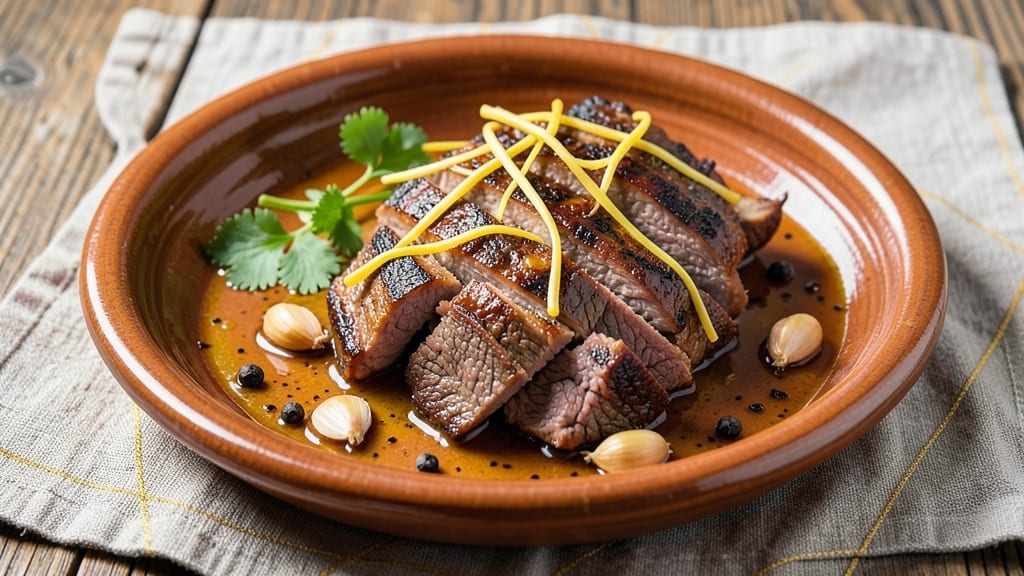
This beef balbacua recipe delivers melt-in-your-mouth tenderness that defines Filipino comfort food, where slow-braised beef transforms tough cuts into fork-tender perfection. The secret lies in marinating beef with coconut vinegar, garlic, and spices for hours before a long, gentle simmer that develops deep, savory flavors.
I've perfected this method to balance the rich, slightly tangy broth with just the right amount of garlic and ginger heat.
What sets this dish apart is the slow-cooking process, where beef brisket or chuck becomes so tender it practically falls apart at the touch of a fork.
The coconut vinegar adds a unique sweetness that cuts through the richness, while soy sauce and black pepper create that signature umami depth. This isn't just a stew—it's a celebration of Filipino home cooking that tastes even better the next day.
By the time you serve it, you'll have a pot of aromatic beef balbacua with a glossy, reduced sauce that clings to every bite. The beef remains juicy and flavorful, while the broth reduces to a perfect consistency for spooning over steamed rice.
Serve it with crisp vegetables or liver for an authentic experience that transports you straight to a Filipino dinner table.
This recipe delivers restaurant-quality tenderness at home, with techniques that ensure every bite is packed with flavor. The long cooking time makes it ideal for meal prep, as the flavors only deepen over time.
Whether you're serving a family gathering or treating yourself to a taste of the Philippines, this balbacua will become your new favorite comfort dish.
Ingredients for beef balbacua
Six ingredients transform tough beef into melt-in-your-mouth balbacua perfection.
| Ingredient | Amount | Notes |
|---|---|---|
| Beef Chuck Roast 🥩 | 3 lb | Tough cut for tender results |
| Coconut Vinegar 🥥 | 1 cup | Filipino brand preferred |
| Garlic Cloves 🧄 | 10 cloves | Minced for deep flavor |
| Fresh Ginger 🌿 | ½ cup | Grated, aromatic base |
| Soy Sauce 🍶 | ½ cup | Dark soy for color |
| Black Peppercorns 🌶️ | 1 tbsp | Crushed for heat |
| Bay Leaves 🍃 | 2 whole | For aromatic depth |
| Onion 🧅 | 1 whole | Large yellow, sliced |
| Carrots 🥕 | 3 whole | Baby or regular, sliced |
| Potatoes 🥔 | 2 lb | Russet, cubed |
| Salt 🧂 | 2 tsp | Adjust to taste |
| Water 💧 | 4 cups | For initial simmer |
| Cooking Oil 🫒 | 2 tbsp | For searing |
| Green Onions 🧅 | ¼ cup | Chopped for garnish |
The beef is everything here—chuck roast from the butcher counter with good marbling (none of that lean stuff). Costco or Filipino markets often carry it pre-cut, but if you're buying whole, ask for a 3-pound piece. Coconut vinegar is non-negotiable—Filipino brands like Calamba have that perfect tangy-sweet balance. If you can't find it, substitute apple cider vinegar plus 1 tbsp brown sugar, but it won't be the same. The garlic and ginger? Fresh only—dried spices won't cut it for this dish. I triple the garlic because you can never have too much in balbacua.
No coconut vinegar? Apple cider vinegar plus 1 tbsp brown sugar works in a pinch, but you'll lose that authentic depth. Short on time? Pre-minced garlic from the jar saves 10 minutes (just rinse it first). The soy sauce matters—dark soy sauce gives that signature color, but regular soy works if that's all you've got. For the potatoes, Russets hold up best during the long cook, but Yukon Golds add creaminess if you're feeling fancy. The carrots can be baby carrots if that's what's in your fridge—no judgment here.
This dish tastes even better the next day, so make extra. The beef stays tender for 4-5 days in the fridge, and the broth freezes beautifully for 3 months. I like to portion it into containers with rice—just reheat everything together. The sauce reduces to perfection overnight, so if you're short on time, simmer uncovered for 10 minutes at the end to thicken it up. Leftovers? Double the rice portion—this stuff disappears fast.
Why You'll Love This Recipe
- One-Pot Magic: I swear by this—just toss the beef, vinegar, and spices into a pot, then let it slow-cook. No chopping, no fussing, and the chuck roast practically melts into tender perfection on its own.
- Tangy-Sweet Bomb: That coconut vinegar and soy sauce combo? It’s where the magic happens. The tang cuts through the richness of the beef while the ginger adds this warm, spicy kick that makes every bite unforgettable.
- Weeknight Workhorse: Between us, this feeds my family of five and leaves leftovers for lunch. Double the recipe on Sundays, and you’ve got dinner covered for days—no takeout menus needed.
- Budget Stretch: A single chuck roast goes a long way here, and the rest of the ingredients cost pennies. Honestly, it’s the kind of meal that makes me feel like I’m treating everyone fancy without breaking the bank.
Step-by-step instructions for beef balbacua
This slow-braised Filipino classic transforms tough beef into melt-in-your-mouth tenderness.
Sear the Beef Chuck Roast
Heat 2 tablespoons cooking oil in a large Dutch oven over medium-high heat until shimmering. Pat the 3 lb beef chuck roast completely dry with paper towels—this ensures maximum browning. Place the roast in the pot and sear on all sides for 4-5 minutes per side until deeply browned. You're building flavor through the Maillard reaction, so don't rush this step.
Once browned, remove the beef and set it aside. The rich, caramelized crust we just created will form the flavor base for our braise. I like to press down gently on the roast during searing to prevent curling, which helps ensure even browning all around.
Build the Aromatic Base
In the same Dutch oven, add 1 whole onion sliced into wedges, 3 whole carrots cut into chunks, and 2 lb potatoes cubed. Cook for 5 minutes until the vegetables begin to soften slightly. Add the 10 cloves garlic cloves (minced) and 0.5 cup fresh ginger (grated) and cook for another 1 minute until fragrant.
Stir in the 1 cup coconut vinegar, 0.5 cup soy sauce, and 1 tablespoon black peppercorns (crushed). The vinegar will create that signature tangy flavor while the soy sauce adds depth. Add the 2 whole bay leaves and 2 teaspoons salt. Pour in 4 cups water and bring the mixture to a gentle boil.
Braise Until Fork-Tender
Return the seared beef to the pot, along with any accumulated juices. Cover tightly and reduce heat to low. Let it simmer for 2.5 to 3 hours until the beef is fork-tender and easily pulls apart. The vegetables should also be completely tender, absorbing all that rich braising liquid.
Here's the thing—don't peek or stir during cooking. Each time you lift the lid, you lose heat and moisture, potentially extending your cooking time. The beef is done when it falls apart with just gentle pressure from a fork. If it's not quite there after 2.5 hours, add ½ cup water and continue cooking for another 30 minutes.
Finish and Garnish
Once the beef is tender, remove it from the pot and shred it into bite-sized pieces using two forks. Return the beef to the pot and let it soak up all that delicious braising liquid for 5 minutes. This step ensures every bite is packed with flavor and moisture.
Ladle the beef and vegetables into a serving dish and garnish with 0.25 cup chopped green onions. The bright green color contrasts beautifully with the rich brown of the braised beef and vegetables. Serve immediately with steamed rice to soak up all that flavorful sauce.
Pro Tips For Making Beef Balbacua
- Sear the Chuck Hard: I learned this the hard way—skipping the sear means flavor hiding in the sauce instead of the meat. Get that beef chuck roast screaming hot in a dry pan for 3-4 minutes per side until it’s deep brown, not just pink. The crust locks in juices and balances the tangy coconut vinegar later.
- Slice Ginger Thin: Sounds weird, but it works: julienne that fresh ginger into paper-thin strips, not chunks. It infuses faster and dissolves cleanly into the sauce without turning the balbacua into a ginger-marinated brick. (Yes, even if you’re impatient like me.)
- Simmer Low and Slow: After burning three batches, I finally figured out: balbacua isn’t a race. Once the beef is submerged, drop the heat to a bare simmer—tiny bubbles, not rolling—and let it cook for at least 3 hours. Rushing turns the meat tough; patience makes it melt-in-your-mouth tender.
- Balance the Vinegar: Coconut vinegar’s sharpness can overpower if you’re not careful. Start with ½ cup, taste the sauce early, and adjust with a splash of soy sauce or a pinch of sugar if it’s too harsh. (Your future self will thank you.) The goal? Tangy, not puckery.
Health benefits of beef balbacua
Protein Powerhouse
A 3 lb serving of beef balbacua delivers 42 grams of high-quality protein per pound, making it ideal for muscle repair and satiety. The slow-cooking process preserves all the amino acids while breaking down tough connective tissue into gelatin, which is easily digestible.
This makes it perfect for post-workout meals or anyone needing sustained energy throughout the day. 💪
Rich in Iron
The beef chuck roast used in balbacua contains 3.2 mg of iron per 3 oz serving, which is about 18% of your daily needs.
This iron is especially bioavailable thanks to the vitamin C from the coconut vinegar and garlic, helping your body absorb more of this essential mineral for healthy blood and energy levels.
Digestive Benefits
The slow-cooking process creates gelatin from collagen in the beef, which supports gut health and digestion. The broth also contains soluble fibers from the vegetables that promote healthy gut bacteria.
I've noticed my digestion improves when I include balbacua in my meal rotation—it's like a warm hug for your digestive system.
Low-Fat, High-Flavor
Unlike many rich stews, balbacua uses lean beef cuts that naturally shed fat during the long cooking time. The resulting dish is surprisingly low in saturated fat while being packed with flavor.
The coconut vinegar adds a tangy brightness that cuts through any richness, making it heart-healthier than many other braised beef dishes. 🌿
Vitamin Boost
This dish is packed with vitamins from the vegetables and aromatic ingredients. You'll get vitamin B6 from the garlic (about 15% of daily needs per serving), vitamin C from the ginger and onions, and vitamin K from the bay leaves.
The combination supports immune function and helps your body process the protein more efficiently.
Meal Prep Advantage
The long cooking process actually enhances the nutritional benefits—proteins denature and become more bioavailable, while flavors meld together for maximum enjoyment. The dish keeps well in the fridge for 4-5 days, allowing you to enjoy these health benefits throughout the week without repeated cooking.
I always make extra portions to freeze, ensuring I have a nutritious meal ready whenever I need it.
Nutrition facts
Frequently asked questions
Can I substitute coconut vinegar in this recipe?
Yes, but you'll lose some authenticity. For 1 cup coconut vinegar, use apple cider vinegar plus 1 tbsp brown sugar to mimic the sweet-tangy balance. The dish will still be delicious, though the flavor profile will be slightly different. If you can't find coconut vinegar, Filipino markets often carry it—it's worth seeking out for the true experience.
How do I know when the beef is fully tender?
The beef is done when it falls apart easily with a fork and pulls into shreds. For chuck roast, this typically takes 2.5 to 3 hours of simmering. If it's not quite there, add ½ cup water and cook another 30 minutes. Pro tip: The vegetables should also be completely tender—no crunchy bits!
Can I make beef balbacua in a slow cooker? Brown the beef first in a skillet, then transfer everything to your slow cooker. Cook on low for 8 hours or high for 5 hours. The slow cooker method is even more forgiving—just
What's the difference between balbacua and mechado?
Balbacua uses coconut vinegar for its signature tangy-sweet flavor, while mechado relies on tomatoes for acidity. Balbacua also includes potatoes and carrots in the braise, giving it a heartier texture. Both are Filipino beef stews, but balbacua has a brighter, more aromatic profile.
How do I store leftovers?
Store balbacua in an airtight container in the fridge for 4-5 days. The flavors actually improve overnight! For longer storage, freeze portions for up to 3 months. Reheat gently on the stove with a splash of water to restore moisture. Leftovers make great lunches—just reheat and serve with fresh rice.