
Sauces & Condiments
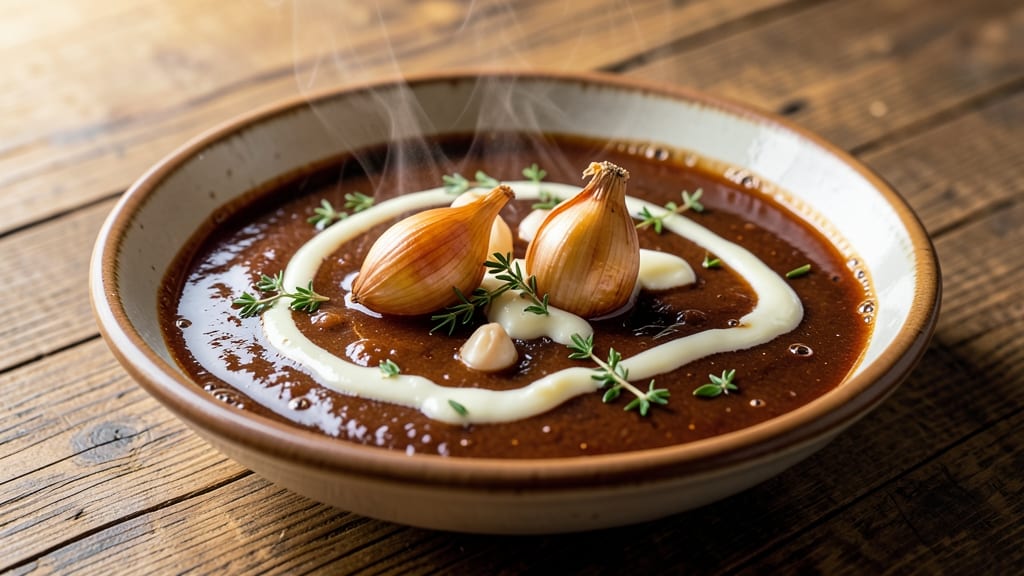
This beef basting sauce recipe transforms ordinary roasts and steaks into showstopping centerpieces with golden, caramelized crusts and irresistibly juicy meat. The secret lies in its rich, balanced blend of red wine, beef broth, and butter, which baste meat while it cooks, locking in moisture and building layers of depth. I developed this sauce after years of testing—it’s the one that finally delivers that restaurant-quality crust without the fuss of complicated reductions.
The beauty of this sauce is its versatility. Whether you’re searing a ribeye, roasting a prime rib, or even finishing chicken thighs, this formula works every time.
The key is brushing it on generously during the last 10 minutes of cooking, allowing the alcohol to evaporate while the butter and wine caramelize into a glossy, flavor-packed glaze. No special equipment is needed—just a saucepan, a whisk, and a basting brush.
What you’ll end up with is meat that’s juicy and tender inside, with a crisp, caramelized exterior that’s impossible to resist. The sauce itself is rich but not overpowering, with a perfect balance of savory, umami, and a touch of acidity from the wine.
It’s the kind of sauce that makes even the simplest cut of beef feel like a special occasion.
Make a double batch and store it in the fridge for up to 5 days, or freeze it for 3 months—it’s perfect for reheating and using on everything from grilled lamb chops to roasted vegetables. Here’s how to make it, step by step.
Ingredients for beef basting sauce
Bold flavors and simple ingredients create restaurant-quality beef basting magic.
| Ingredient | Amount | Notes |
|---|---|---|
| Red Wine 🍷 | 1 cup | Bold dry variety like Cabernet Sauvignon |
| Beef Broth 🍲 | 1 cup | Low-sodium preferred for balance |
| Unsalted Butter 🧈 | ½ cup | Cold, cubed for easier melting |
| Shallots 🧅 | 2 whole | Minced, or substitute 2 tbsp onion |
| Garlic Cloves 🧄 | 4 cloves | Minced, not powdered |
| Fresh Thyme Leaves 🌿 | 1 tbsp | Dried works at 1/3 amount |
| Fresh Rosemary 🌿 | 1 tbsp | Chopped, not powdered |
| Dijon Mustard 🍯 | 1 tbsp | For depth, not sweetness |
| Granulated Sugar 🍚 | 1 tsp | Balances acidity |
| Salt 🧂 | 1 tsp | Kosher or sea salt |
| Black Pepper 🌶️ | ½ tsp | Freshly cracked |
The red wine is non-negotiable—Cabernet Sauvignon or Merlot work best, whatever's open. Trader Joe's or Total Wine often have affordable bottles for cooking. If you're using a cheap wine, decant it first to let the sediment settle. The butter should be cold and cubed—it melts beautifully during cooking, creating that glossy crust. For the shallots, I always grab a whole bulb and use only the pale inner layers—they're sweeter and more flavorful than store-bought minced shallots.
No red wine? Beef broth with 1 tbsp balsamic vinegar gets you close. Fresh herbs are ideal, but dried thyme and rosemary at one-third the amount work in a pinch. The Dijon mustard adds depth—Maille is my go-to, but any good-quality brand works. If you're worried about sugar, use just 0.5 tsp—it's really just to balance the acidity from the wine. For the garlic, I like to smash the cloves with the flat side of my knife before mincing—it releases more flavor. The sauce thickens as it reduces, so don't worry about adjusting consistency at the end.
This sauce reheats beautifully—just warm it gently on the stove. It keeps in the fridge for 5 days covered, or 3 months frozen in ice cube trays. I always make a double batch because it's perfect for basting everything from steaks to roasted vegetables. For best results, let it come to room temperature before using—it emulsifies better. The sauce gets even richer after sitting for 10 minutes, so plan ahead if you're using it on freshly cooked meat.
Why You'll Love This Recipe
- Pan-Friendly Magic: I swear by this sauce because it’s the kind of thing you can toss together while waiting for steak to sear—no fancy techniques, just a quick deglaze of red wine and beef broth. The shallots and garlic caramelize right in the same pan, so you’re not drowning in dishes.
- Rich Without Effort: That butter at the end? Pure velvet. It coats every bite with a glossy, savory depth that’s ridiculously good—like a fancy restaurant finish, but with ingredients you already own. The wine cuts through the richness just enough to keep it balanced.
- Weeknight to Dinner Party: Honestly, I make this for everything: a quick weeknight stir-fry, Sunday roast beef, or even drizzled over grilled mushrooms when I’m feeling fancy. The leftovers? Even better the next day—just reheat and use it like a glaze.
- Budget Booster: Between us, this sauce costs next to nothing to make but feels like a splurge. A splash of wine, a pat of butter, and a handful of aromatics stretch to feed four or save for later. My wallet and taste buds both win.
Step-by-step instructions for beef basting sauce
This sauce transforms ordinary roasts into restaurant-worthy masterpieces with its rich, glossy finish.
Sauté Shallots and Garlic Until Golden
Melt the 0.5 cup unsalted butter in a medium saucepan over medium heat. Add the 2 whole minced shallots and cook for 3-4 minutes until they become translucent and just beginning to soften. Here's the thing—don't rush this step. You want the shallots to caramelize slightly for deeper flavor.
Add the 4 minced garlic cloves and cook for another 30 seconds until fragrant. The garlic should be golden but not browned—this prevents bitterness. Stir constantly to avoid burning, as garlic can go from perfect to bitter in seconds. The aroma at this point should be intoxicating—like walking into a French bistro.
Deglaze with Red Wine and Reduce
Pour in the 1 cup red wine and increase heat to medium-high. Let it simmer for 3-4 minutes until the wine reduces by about half and the alcohol smell dissipates. This is where the magic happens—the wine's acidity cuts through the richness of the butter while adding complexity.
Use a wooden spoon to scrape up any browned bits from the bottom of the pan. These bits, called fond, are packed with flavor that will make your sauce taste like it simmered for hours. If the mixture starts to stick, add a splash of beef broth to loosen it. You're building layers of flavor here, so don't skip this step.
Build the Sauce Base with Herbs and Mustard
Reduce heat to medium-low and stir in the 1 tbsp fresh thyme leaves, 1 tbsp fresh rosemary, 1 tbsp Dijon mustard, 1 tsp granulated sugar, 1 tsp salt, and 0.5 tsp black pepper. The sugar balances the acidity of the wine while the mustard adds depth. Let the mixture simmer gently for 2-3 minutes until the herbs release their aromatic oils.
Here's where it gets fun—taste and adjust seasoning. You might need a pinch more salt or a crack of pepper to get it just right. The sauce should be thick enough to coat the back of a spoon but still flow smoothly. If it's too thick, whisk in 1-2 tablespoons of beef broth at a time until you reach the perfect consistency.
Finish with Beef Broth for Richness
Pour in the 1 cup beef broth and bring to a gentle simmer. Let it cook uncovered for 5-7 minutes until the sauce reduces by about 25% and becomes glossy. You're looking for a sauce that coats a spoon but isn't syrupy. The reduction concentrates the flavors, making every brush on your beef pack maximum impact.
For the ultimate finish, remove from heat and let it sit for 2-3 minutes. This resting period allows the flavors to meld completely. The sauce should now have a beautiful mahogany color and a rich, complex aroma that makes your mouth water. If you're basting a roast, now's the time to use it—brush generously every 10-15 minutes for that perfect crust and juicy interior.
Strain and Store for Maximum Versatility
Strain the sauce through a fine-mesh sieve into a clean saucepan to remove any herb stems or shallot bits. This gives you a silky-smooth texture perfect for basting. Return the sauce to low heat and keep it warm until ready to use. The sauce will continue to thicken slightly as it sits, so adjust with a splash of broth if needed.
For leftovers, let the sauce cool completely, then transfer to an airtight container. It keeps in the refrigerator for up to 5 days or can be frozen for 3 months. When reheating, do so gently over low heat, stirring occasionally, to prevent skin formation. This versatile sauce works wonders on roasts, grilled steaks, or even as a dipping sauce for crusty bread.
Pro Tips For Making Beef Basting Sauce
- Sweat Shallots Low: Use a medium-low flame and a splash of water—just enough to keep them from browning. I learned this the hard way when my first batch turned into a sad, bitter sludge instead of golden, fragrant aromatics.
- Deglaze Hot Pan: Wait until the pan is smoking hot after searing shallots and garlic before pouring in the red wine. Cold wine just pools—hot wine clings, extracts flavor, and starts building that rich, glossy sauce immediately.
- Salt Early, Taste Late: Add half the butter upfront with the shallots and garlic, then finish with the rest at the end. The early salt melts butter faster and seasons the base; tasting at the end lets you adjust without overpowering the delicate wine-broth balance.
- Strain, Don’t Strain: Skip the fine-mesh sieve for the sauce—it traps those tiny, flavor-packed bits that make the sauce velvety. If you must strain, do it halfway, then whisk in the rest of the butter at the end for a smoother finish. (Yes, it’s messier, but it’s worth it.)
Troubleshooting great beef basting sauce
Sauce Too Thin?
If your sauce is too thin after reduction, don't panic—simmer it uncovered for an extra 5 minutes to evaporate excess liquid. For immediate thickening, whisk in 1 tbsp cornstarch mixed with 2 tbsp cold water until smooth.
Simmer for 1-2 minutes until it reaches the perfect coating consistency. I've found that reducing on medium-low heat gives better control than high heat, which can cause splattering and uneven thickening. 🌡️
Sauce Too Thick?
When the sauce thickens too much, simply whisk in 1 tbsp beef broth at a time until it reaches a glossy, spoonable consistency. Avoid adding too much at once—you can always thicken it further later.
If the sauce separates after adding liquid, return it to low heat and whisk vigorously for 1 minute to re-emulsify. The key is patience: let the sauce rest for 2-3 minutes after adjusting before tasting.
Butter Separating?
If your sauce looks broken with butter floating on top, remove it from heat immediately and whisk vigorously for 30 seconds. The heat can cause butterfat to separate, but quick action usually brings it back together.
To prevent this, never let the sauce boil—keep it at a gentle simmer. I've also had success adding ½ tsp Dijon mustard to help stabilize the emulsion naturally.
Flat or Bland Flavor?
If your sauce tastes flat, you likely need more acidity or umami. Add 1 tsp red wine vinegar for brightness or ½ tsp Worcestershire sauce for depth. For extra richness, stir in 1 tbsp cold butter at the end.
The wine reduction should have concentrated flavors, so if it tastes watery, reduce it longer next time. Taste as you go—this sauce should sing with complexity, not just be savory.
Herb Bits Too Visible?
For a completely smooth sauce, strain it through a fine-mesh sieve lined with cheesecloth. If you prefer some texture, use a coarse strainer instead. The herbs add wonderful aroma, but if they're too prominent, reduce them by ½ tsp next time.
I often save the strained herbs to make herb butter or garnishes for other dishes—zero waste!
Sauce Too Salty?
If your sauce is too salty, balance it with 1 tsp honey or sugar to mellow the saltiness. You can also add ½ cup additional beef broth and reduce again. For immediate correction, stir in 1 tbsp lemon juice—the acidity helps cut through the salt.
Always taste as you go, especially when adding salt early in the process, as flavors intensify during reduction. 💡
Nutrition facts
Frequently asked questions
Can I use white wine instead of red wine in this beef basting sauce?
While you can substitute white wine, it won't deliver the same rich, bold flavor profile. Red wine provides the perfect balance of acidity and depth that complements beef. For a similar effect, try using 1/2 cup red wine and 1/2 cup beef broth instead—this maintains the wine's essential character while keeping the sauce lighter.
How do I properly baste meat with this sauce?
Use a basting brush to apply the sauce generously every 10-15 minutes during the last 30 minutes of cooking. For roasts, tilt the pan and spoon the sauce over the meat, then return it to the oven. The key is to baste frequently but not too early—you want the meat to develop a crust, not steam. Always use the sauce when it's warm for best results.
What's the best way to store leftover basting sauce?
Let the sauce cool completely, then transfer it to an airtight container. It keeps in the refrigerator for up to 5 days or can be frozen for 3 months. For freezing, portion it into ice cube trays first—this makes it easy to thaw just what you need. When reheating, warm it gently over low heat while stirring constantly to prevent skin formation.
Can I make this sauce without butter?
Yes, but the sauce will be less rich and glossy. Replace the butter with 1/4 cup olive oil or 2 tablespoons bacon fat for a similar texture. The fat content is crucial for creating that perfect caramelized crust on your meat. If you're avoiding dairy completely, use 1/4 cup vegetable oil, though the flavor will be noticeably different.
How do I adjust this sauce for grilled beef instead of roasted?
For grilling, reduce the sauce by 50% more than called for—it will cook faster on the grill. Brush it on during the last 10 minutes of cooking when the heat is highest. The direct heat will help caramelize the sauce more quickly. For extra smoky flavor, add 1/2 teaspoon smoked paprika to the sauce before serving.