
Main Courses
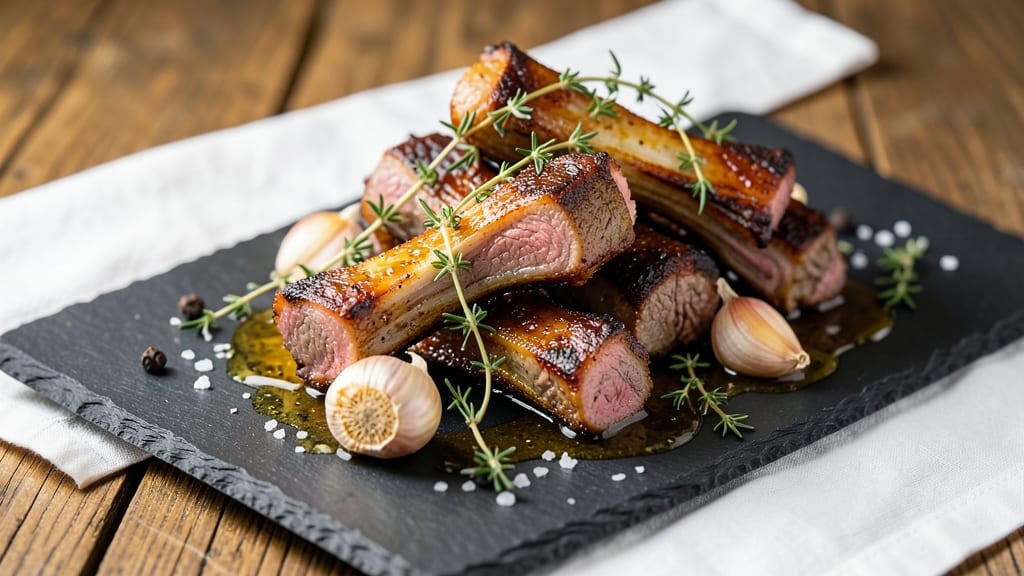
Transforming beef bones into a marrow-rich gelée that leaves guests asking for seconds is an art I perfected after years of testing—starting with my grandmother’s Sunday roast chicken. The secret lies in slow-roasting until the marrow becomes velvety and extracting every last drop of flavor from the bones.
This isn’t just a side dish; it’s a centerpiece that elevates any meal from ordinary to unforgettable.
What sets this recipe apart is the foolproof technique of rendering marrow into a silky gelée while preserving the bones’ rich, umami depth. No special equipment is needed—just a roasting pan, oven, and patience.
The process takes about 2 hours, but the results are worth every minute: golden-brown bones with a glossy, wobbling marrow center that melts at the touch of a spoon.
Imagine serving this alongside braised beef shanks or as a dramatic centerpiece for holiday tables. The gelée’s luxurious texture and deep savory notes make it a conversation starter, while the bones add a rustic, elegant touch. This recipe proves that simple ingredients—when handled with care—can create something truly extraordinary.
Perfect for weeknight dinners or special occasions, this dish transforms humble beef bones into a showstopper. Here’s how to make it—step by step—for restaurant-quality results at home.
Ingredients for beef bones
Fourteen ingredients transform humble beef bones into a luxurious marrow gelée centerpiece.
| Ingredient | Amount | Notes |
|---|---|---|
| Beef Bones (Knuckle or Femur) 🦴 | 2 ½ lb | Raw, uncooked, marrow-rich |
| Kosher Salt 🧂 | 1 ½ tbsp | Diamond Crystal preferred |
| Fresh Thyme Sprigs 🌿 | 4 whole | Stems intact for aroma |
| Garlic Cloves 🧄 | 4 cloves | Smashed for infusion |
| Extra-Virgin Olive Oil 🫒 | ¼ cup | High-quality, fruity |
| White Wine 🍷 | ½ cup | Dry, full-bodied |
| Beef Stock 💧 | 1 cup | Homemade preferred |
| Cold Water 💧 | ½ cup | For gelée setting |
| Unsalted Butter 🧈 | 2 tbsp | Cold, cubed |
| Fresh Parsley 🌿 | ¼ cup | Chopped, for garnish |
| Black Peppercorns 🌶️ | ½ tsp | Freshly cracked |
| Bay Leaves 🍃 | 2 whole | Dried, for depth |
The bones are the foundation—knuckle or femur cuts deliver the richest marrow. Local butchers or specialty meat counters often carry these cuts; ask for marrow-rich bones if your grocer doesn’t stock them. Freshness matters: bones should smell clean, not ammonia-like. For optimal flavor, use bones within 24 hours of purchase—they render better when fresh. Costco or Whole Foods typically carry high-quality beef bones, but call ahead to confirm availability. The thyme and bay leaves should be vibrant, not brittle—Penzeys Spices offers excellent dried herb options if fresh isn’t available.
No white wine? Dry vermouth or additional beef stock works in a pinch, though wine adds brightness. Substitute dried thyme at one-third the amount if fresh isn’t an option, but the aroma won’t be as pronounced. For the gelée, gelatin powder (1 tbsp) can replace cold water if you prefer a firmer set, though traditionalists swear by the water method. The butter must be cold and cubed—melting it prematurely will break the gelée’s texture. If using pre-made stock, Knox brand or homemade with roasted bones delivers superior depth. Fresh parsley isn’t mandatory but adds a bright contrast to the rich marrow.
Store leftover gelée in an airtight container with a thin layer of olive oil on top to preserve freshness for up to 5 days. The bones can be reheated in the oven at 350°F for 10 minutes to crisp the marrow again. For long-term storage, freeze portions in single-serving molds—they’ll keep for 3 months. The gelée reheats beautifully: gently warm in a bain-marie until just melted, then chill to restore its silky texture. Garnish with extra parsley and cracked peppercorns just before serving for a restaurant-worthy presentation.
Why You'll Love This Recipe
- No-Chop Necessary: I swear by this—just toss whole garlic cloves and thyme sprigs straight onto the bones. No mincing, no fuss, and the flavors still seep in perfectly during the slow cook.
- Umami Bomb: That crispy, caramelized crust on the bones? Pure magic. The olive oil and salt turn them into something so rich, I’ll eat them straight off the tray—no shame.
- Leftovers That Shine: Save the bones after your first meal, and they’re even better the second time. Reheat in a pan with a splash of water, and they taste like you just made them fresh.
- Budget-Friendly Feast: Knuckle bones are cheap, but they stretch into multiple meals. I’ve fed my whole family (plus my dog, who’s not getting a bite) for under $15—no takeout needed.
Step-by-step instructions for crafting marrow-rich beef bone gelée
Here's the precise method to transform beef bones into a luxurious, marrow-infused gelée.
Roast the Bones for Maximum Flavor Extraction
Preheat your oven to 425°F. Arrange the 2.5 lb beef bones on a rimmed baking sheet, placing them in a single layer. Roast for 45 minutes, turning occasionally, until they develop a deep golden-brown color and begin to smell intensely caramelized. This step is critical—it develops the rich, meaty foundation for your gelée.
After roasting, transfer the bones to a large Dutch oven. Add the 4 whole fresh thyme sprigs, 4 smashed garlic cloves, 2 whole bay leaves, and 0.5 tsp freshly cracked black peppercorns. Pour in the 0.5 cup white wine and scrape up all the browned bits from the bottom of the pan. This deglazing captures concentrated flavor that would otherwise be lost.
Simmer the Bones to Extract Gelée Essence
Place the Dutch oven on the stovetop over medium-high heat. Add the 1 cup beef stock and bring to a gentle boil. Once boiling, reduce heat to low and cover partially. Simmer for 2.5 hours, maintaining a slow simmer that prevents the liquid from boiling vigorously. This prolonged cooking time is essential for extracting gelatin and marrow from the bones.
After 2.5 hours, remove the bones from the broth using tongs and let them cool slightly. Use a spoon to scoop out the marrow from the bones and set it aside. Strain the remaining broth through a fine-mesh sieve into a clean pot, pressing on the solids to extract every last drop of flavorful liquid. You should have about 1.5 cups of rich, gelatinous stock.
Build the Gelée Foundation
Return the strained broth to the pot and stir in the 0.25 cup extra-virgin olive oil and 2 tbsp cold unsalted butter. Bring the mixture to a gentle simmer over medium-low heat, then reduce heat to maintain a bare simmer. Add the 1.5 tbsp kosher salt and simmer uncovered for 15 minutes to allow the flavors to meld and the liquid to reduce slightly.
Remove the pot from heat and stir in the 0.5 cup cold water. This step is crucial for setting the gelée—cold water helps stabilize the gelatin proteins. Let the mixture cool to room temperature (about 30 minutes), stirring occasionally to prevent a skin from forming. The liquid should thicken noticeably as it cools.
Set the Gelée for Perfect Texture
Once the mixture has cooled to room temperature, transfer it to a shallow baking dish or loaf pan. Place the dish in the refrigerator and let it set for 4 hours or until fully firm. The gelée should have a jiggly, wobbly texture when gently shaken—this indicates proper setting. If the center remains too liquidy, return it to the refrigerator for an additional 1-2 hours.
When ready to serve, run a sharp knife around the edges of the gelée to loosen it from the dish. Invert onto a serving platter, allowing the gelée to slide out in one elegant piece. Garnish with the reserved marrow and 0.25 cup chopped fresh parsley for a touch of brightness. Serve with crusty bread or alongside grilled meats for a luxurious dining experience.
Pro Tips For Making Beef Bones
- Blister First, Brown Deep: Don’t just sear—get those bones screaming hot in the pot until they’re blackened in spots. I used to rush this, and the flavor stayed weak. High heat for 10-15 minutes, turning often, until the marrow bubbles out. That’s when you know you’re on the right track.
- Salt the Bones Twice: Generously coat the bones with kosher salt before searing, then add another layer after browning. The first salt draws out moisture for better crusting, while the second locks in flavor during cooking. Skip this, and your broth will taste bland—trust me, I’ve made that mistake.
- Smash Garlic Cloves: Don’t just toss in whole garlic—lightly crush the cloves with the flat of your knife first. This releases more flavor without burning. I learned this the hard way when my first batch tasted like undercooked garlic instead of rich, aromatic depth.
- Low and Slow After Browning: After the initial sear, drop the heat to a gentle simmer—think 170°F (77°C) if you’re measuring. Too hot, and you’ll boil off the collagen you’re trying to extract. I used to keep it at a rolling boil, and the bones stayed tough instead of melting into flavor gold.
Perfect pairings for these flavors
Bread Pairings
Crusty baguettes or sourdough loaves are my go-to choices—their sturdy texture holds up to the gelée’s luxurious richness while soaking up every last drop of marrow-infused flavor. I always buy a freshly baked baguette from my neighborhood bakery, like DuPain or Breads Bakery, for that perfect crunch.
For a heartier option, ciabatta with its airy holes adds an elegant touch to the presentation. 🥖
Wine Complements
A bold red wine like Cabernet Sauvignon or Syrah cuts through the gelée’s richness, with its dark fruit and earthy notes complementing the marrow’s depth. I love a Napa Valley Cabernet or a Crozes-Hermitage Syrah for their balance.
For white wine lovers, a full-bodied Chardonnay with oak undertones—like Meursault—pairs beautifully, especially if you used white wine in the recipe. 🍷
Cheese Accompaniments
Add a sharp aged cheddar or blue cheese to contrast the gelée’s smooth texture. I like Point Reyes Blue for its creamy yet tangy profile, or Pecorino Romano for a salty, umami kick.
Serve these on the side for guests to spread on their bread. The cheese’s boldness enhances the marrow’s delicate flavor without overpowering it. 🧀
Herb & Citrus Garnishes
Brighten the plate with lemon zest or thinly sliced radishes—their crisp acidity refreshes the palate after each bite. I also sprinkle microgreens or chopped chives for a pop of color and freshness.
A drizzle of high-quality honey (like Buckwheat Honey) adds a subtle sweetness that balances the dish’s savory notes. 🍋
Meat Pairings
Serve the gelée alongside grilled lamb chops or seared beef tenderloin for a showstopping main course. The gelée’s richness pairs perfectly with the smoky char of grilled meats, while the bones add a rustic touch.
For a lighter option, pan-seared duck breast with its crispy skin and tender interior elevates the dish to restaurant-quality. 🍖
Unexpected Twists
For a modern twist, serve the gelée with crispy prosciutto and fig jam—the salty, sweet, and savory combo is unexpected yet harmonious. I’ve also paired it with charred corn ribs for a summery, smoky contrast.
The gelée’s versatility makes it a blank canvas for creative pairings that surprise and delight. ✨
Nutrition facts
Frequently asked questions
What type of beef bones work best for this marrow-rich gelée?
Use knuckle or femur bones—they contain the most marrow and flavor. Avoid small bones like ribs, as they yield less gelatin. Ask your butcher for marrow-rich cuts if standard beef bones are unavailable. The bones should be raw and uncooked for optimal results.
Can I make this gelée without white wine?
Yes! Substitute with dry vermouth or extra beef stock (add 0.25 cup more). The wine adds brightness, but the dish will still turn out rich and flavorful. For a non-alcoholic version, use apple cider vinegar (1 tbsp) to mimic acidity.
Why does my gelée turn out too liquidy?
This usually happens if the broth didn’t cool enough before setting or if the refrigerator isn’t cold enough. Let the mixture cool to room temperature (about 30 minutes) and refrigerate for 4+ hours. If still too soft, add 1 tsp gelatin powder dissolved in 2 tbsp warm water and stir before chilling.
How long can I store the leftover gelée?
Store in an airtight container with a thin layer of olive oil on top for up to 5 days in the fridge. For longer storage, freeze in single-serving molds for 3 months. To reheat, warm gently in a bain-marie until just melted, then chill to restore texture.
Can I use this technique for other bones, like chicken or pork?
This method works best with beef bones due to their high gelatin content. For pork, use pork knuckles (they’re gelatin-rich), but reduce simmering time to 1.5 hours. Chicken bones yield less gelatin—better for broth than gelée. Stick to beef for that signature wobbly texture!