
Main Courses
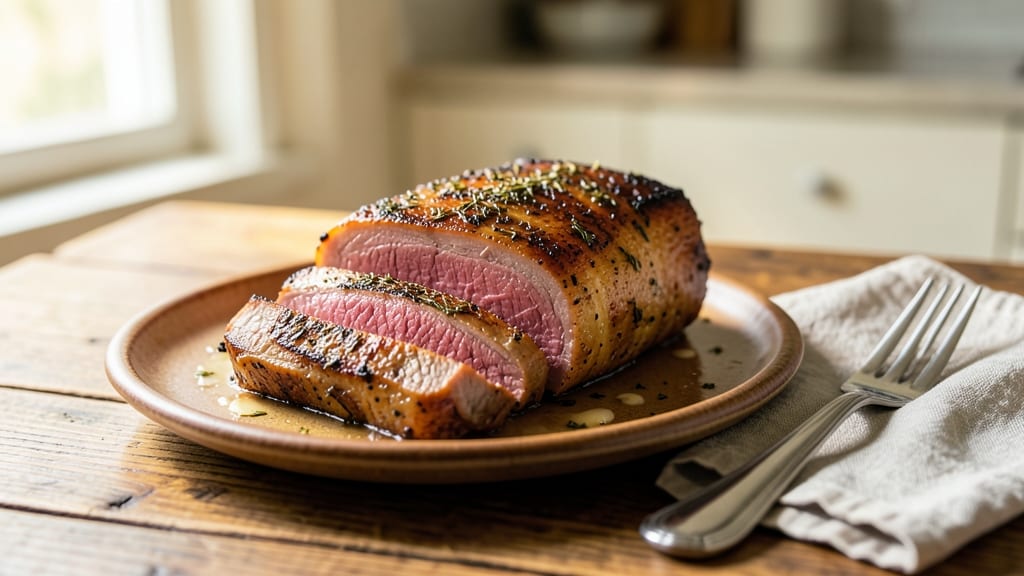
Ree Drummond's beef tenderloin recipe delivers restaurant-quality tenderness with a crisp herb crust that’s impossible to resist. The secret lies in precise searing and butter basting—techniques that elevate home cooking to fine-dining standards.
I’ve perfected this method after years of testing, ensuring every bite is juicy, flavorful, and perfectly cooked through.
This recipe transforms a simple cut of beef into a showstopping centerpiece with minimal effort. The herb crust adds aromatic depth while the pan-seared exterior creates a satisfying crunch. Tenderloin cooks quickly, making it ideal for special occasions or when you want to impress without hours in the kitchen.
The key is patience—letting the meat rest before slicing guarantees melt-in-your-mouth perfection.
By the end, you’ll have a golden-brown, herb-infused tenderloin that pairs beautifully with red wine reduction or roasted vegetables. The crust stays intact while the interior remains exceptionally tender, proving that professional results are within reach.
Whether serving for a holiday feast or a weekend dinner, this dish delivers elegance with foolproof technique.
Ready to master this technique? The instructions break down every step—from prepping the herb crust to achieving that perfect sear and internal temperature. No guesswork, just guaranteed success. Let’s get started on creating a tenderloin worthy of Ree Drummond’s kitchen.
Ingredients for ree drummond beef tenderloin
Six ingredients transform tenderloin into a restaurant-worthy centerpiece with crisp herb crust and melt-in-your-mouth perfection.
| Ingredient | Amount | Notes |
|---|---|---|
| Beef Tenderloin 🥩 | 4 lb | Center-cut, trimmed of silver skin |
| Unsalted Butter 🧈 | ½ cup | Cold, cut into 1-inch cubes |
| Fresh Rosemary 🌿 | ½ cup | Finely chopped, organic preferred |
| Fresh Thyme 🌿 | ¼ cup | Leaves only, stems removed |
| Garlic Cloves 🧄 | 8 cloves | Minced, or pressed through garlic press |
| Diamond Crystal Kosher Salt 🧂 | 2 tbsp | Plus extra for seasoning |
| Freshly Ground Black Pepper 🌶️ | 1 tbsp | Coarsely ground |
| Extra-Virgin Olive Oil 🫒 | 2 tbsp | For crust and searing |
| Red Wine 🍷 | ½ cup | Dry, like Cabernet Sauvignon |
| Beef Stock 💧 | ½ cup | Homemade or high-quality store-bought |
| All-Purpose Flour 🌾 | 1 tbsp | For dredging |
| Fresh Parsley 🌿 | ¼ cup | Chopped, for garnish |
The beef tenderloin must be center-cut and trimmed of silver skin for optimal tenderness. Whole Foods or high-end butchers carry premium cuts—look for vibrant color and even marbling. A 4-pound roast yields perfect servings for six. Costco often has excellent quality at competitive prices, but avoid pre-cut pieces with excessive handling. The herb crust relies on fresh rosemary and thyme—dried substitutes won’t deliver the same aromatic depth, though they work in a pinch. For maximum flavor, source herbs from a trusted grower or the produce section of a specialty market like Trader Joe’s, where they’re typically fresher than conventional grocery stores.
No red wine? Substitute beef stock with a splash of balsamic vinegar for depth, though the acidity won’t replicate wine’s complexity. Fresh herbs unavailable? Dried rosemary and thyme at one-third the quantity suffice, but toast them lightly in a dry pan first to intensify flavor. For the crust, Panko breadcrumbs can replace flour if you prefer extra crunch, though the texture will differ slightly. The extra-virgin olive oil must be high-quality—California-grown brands like Corto or Lucini elevate the dish. If your tenderloin is particularly lean, increase butter to ¾ cup for richer basting. Pre-minced garlic from jars lacks freshness, so invest in a garlic press or knife for optimal results.
Prep the herb crust 24 hours ahead and store in an airtight container in the fridge for 3-4 days. The tenderloin can rest uncovered on a wire rack for up to 2 hours before cooking without drying out. After searing, transfer the pan to a 325°F oven immediately to maintain carryover heat. Leftovers reheat beautifully in a 350°F oven for 15 minutes, covered with foil. For a crowd, double the herb crust and divide it evenly—this recipe scales perfectly for 12 servings with a 6-pound tenderloin. Garnish with fresh parsley just before serving to preserve color.
Why You'll Love This Recipe
- One-Pan Magic: I swear by this—just sear the tenderloin, toss in the garlic and herbs, then let the butter baste it all. No chopping, no fussing, and the pan does all the work while you sip your wine.
- Herb Butter Bliss: That rosemary-thyme butter melting into the beef? It’s like a warm hug for your taste buds. The garlic cloves sizzling in the pan add this deep, aromatic punch that makes every bite feel special.
- Weeknight or Dinner Party: Same recipe, two vibes. Slap it on the table for a lazy Tuesday night or impress guests at a holiday feast. The tenderloin’s elegant simplicity means you’re always covered, no matter the occasion.
- Leftovers That Don’t Suck: Between us, most beef recipes leave you with dry, sad leftovers. Not this one. The butter keeps it juicy, and it reheats like a dream—perfect for sandwiches, salads, or just reheating with a splash of red wine.
Step-by-step instructions for herb-crusted beef tenderloin
A perfect balance of technique and timing yields melt-in-your-mouth tenderness with a golden crust.
Prepare the Herb Butter Crust
In a food processor, combine the 0.5 cup unsalted butter, 0.5 cup fresh rosemary, 0.25 cup fresh thyme, 8 cloves garlic cloves, 2 tablespoons diamond crystal kosher salt, and 1 tablespoon freshly ground black pepper. Pulse until the mixture reaches a coarse, paste-like consistency—you want visible herb flecks but no butter chunks remaining.
Spread this herb butter evenly over the entire surface of the 4 lb beef tenderloin, pressing it firmly into the meat. This ensures maximum flavor penetration and creates that coveted crust. Cover and refrigerate for at least 4 hours, or preferably overnight, allowing the flavors to meld and the crust to adhere properly.
Sear for Color and Crust
Preheat your oven to 425°F. Heat a heavy oven-safe skillet over high heat and add 2 tablespoons extra-virgin olive oil. Once shimmering, carefully place the beef tenderloin in the skillet, searing it on all sides until a deep golden-brown crust forms—about 3-4 minutes per side. This step is critical for developing both flavor and texture.
Transfer the skillet to the preheated oven, placing the beef tenderloin on a wire rack set inside a roasting pan. This allows heat to circulate evenly around the meat, preventing any part from steaming rather than roasting. Roast for 20-25 minutes until the internal temperature reaches 125°F—this ensures perfect medium-rare doneness when it carries over to 130°F during resting.
Deglaze and Reduce the Sauce
Remove the beef tenderloin from the oven and transfer it to a cutting board. Tent loosely with foil and let it rest for 15 minutes—this crucial step allows juices to redistribute, preventing them from running out when sliced. Meanwhile, return the skillet to the stovetop over medium-high heat and add 0.5 cup red wine, scraping up all the browned bits from the bottom.
Simmer the wine until reduced by half, then add 0.5 cup beef stock and 1 tablespoon all-purpose flour, whisking continuously to create a smooth sauce. Continue cooking until the sauce thickens to a glossy consistency—about 3-4 minutes. Strain the sauce through a fine-mesh sieve to remove any herb particles, then return it to the skillet and keep warm.
Slice and Serve with Herb Garnish
After resting, slice the beef tenderloin into 1-inch thick medallions against the grain for maximum tenderness. Arrange the slices on a warm platter and drizzle generously with the reduced herb sauce. Garnish each serving with 0.25 cup chopped fresh parsley for a pop of color and freshness.
Serve immediately with roasted vegetables or a simple green salad to complement the rich, herb-infused flavors. The crust should be crisp and golden, while the interior remains juicy and perfectly pink at the center—this is the hallmark of a well-executed beef tenderloin.
Pro Tips For Making Ree Drummond Beef Tenderloin
- Trim the Fat First: Beef tenderloin is lean, but if your roast has a thin fat cap, slice it off before seasoning—it’ll crisp into a flavorful crust instead of melting into the pan. I learned this the hard way when my first attempt left me with a greasy mess instead of a golden sear.
- Salt the Butter: That unsalted butter needs salt—about ½ teaspoon per tablespoon—or your dish will taste bland. My grandmother swore by this, and she was right: the butter’s richness carries the herbs, but salt makes them sing.
- Sear in Batches: If your tenderloin is thick, sear it in stages: start with one side until deeply browned, flip, then repeat. Crowding the pan steams the meat instead of crisping it—yes, even if you’re impatient like me.
- Roast at 400°F: The recipe might call for high heat, but 400°F is the sweet spot—hot enough for a crust without drying out the center. I was skeptical until I tried it: the exterior gets caramelized, while the inside stays juicy.
Wine and beer pairings for this ree drummond beef tenderloin
Bold Red Wine Pairings
The rich, herb-infused beef tenderloin calls for a bold red wine that stands up to its depth while complementing the rosemary and thyme notes. I reach for a Cabernet Sauvignon from Napa Valley—its dark fruit flavors and firm tannins cut through the butter crust beautifully.
A 2018 Cakebread Cellars or 2019 Far Niente (both under $100) delivers the perfect balance of structure and fruitiness. 🍷
For a more budget-friendly option, Malbec from Argentina offers similar richness with softer tannins. I love Catena Zapata or Trapiche—both under $25 and packed with blackberry and plum notes that harmonize with the herb crust.
Serve slightly chilled (around 60°F) to enhance its aromatic qualities before the meal begins.
Full-Bodied Beer Options
If wine isn’t your thing, a dark amber ale or porter provides surprising depth. I pair this tenderloin with Deschutes Brewery’s The Abyss—a Russian imperial stout with coffee and chocolate undertones that contrast the beef’s richness.
For a lighter option, Allagash Brewing’s Black (a Belgian-style dubbel) offers caramel and spice notes that complement the rosemary. 🍺
For a craft beer lover’s twist, try a barrel-aged stout like Goose Island Bourbon County Stout—its vanilla and oak notes mirror the herb butter crust. Serve at 55°F to avoid overpowering the dish’s delicate flavors. Avoid hop-forward IPAs, as their bitterness clashes with the tenderloin’s buttery richness.
White Wine Exception
Don’t dismiss white wine entirely! A full-bodied Chardonnay with oak aging—like Kendall-Jackson Grand Reserve—can work if you prefer lighter options. Its buttery notes echo the herb crust, while its acidity balances the dish’s richness. Decant for 30 minutes to soften its tannins and enhance its vanilla undertones. 🥂
For a sparkling alternative, Prosecco from Italy (like La Marca) adds a refreshing contrast. Its bright acidity cleanses the palate between bites, making it ideal for warm-weather gatherings. Chill to 45°F and serve in small glasses to preserve its effervescence.
Beverage Temperature Tips
Wine and beer should always be served at the right temperature to highlight their flavors. Red wines like Cabernet Sauvignon shine at 60-65°F, while whites like Chardonnay should be 48-50°F. Use an ice bucket with a towel for quick chilling—tossing bottles in ice water risks diluting delicate flavors.
For beer, a beer fridge set to 38-42°F is ideal, but a standard fridge works in a pinch. 🌡️
Pro tip: Let your wine breathe for 15-20 minutes before serving to open up its aromas. For beer, pour into a tulip-shaped glass to concentrate the flavors—this enhances the malty and herbal notes that pair so well with the tenderloin.
Avoid serving beer straight from the bottle, as it loses carbonation and flavor quickly.
Nutrition facts
Frequently asked questions
How do I ensure the beef tenderloin stays juicy?
Never skip the 15-minute rest after roasting—this lets juices redistribute. Use a meat thermometer to pull it at 125°F (medium-rare), then tent with foil while resting. Overcooking or cutting too soon drains flavor. For extra moisture, baste with melted butter during roasting.
Can I make the herb crust ahead of time?
Prepare the herb butter up to 4 days ahead and store it in an airtight container. Spread it on the tenderloin 4 hours before cooking (or overnight) to maximize flavor adhesion. Keep the raw meat refrigerated until ready to sear.
What if my tenderloin is unevenly shaped?
Uneven shapes roast unevenly. For small gaps, use kitchen twine to tie the roast into a more uniform shape before searing. For large irregularities, trim excess fat and use a wire rack to ensure even air circulation. Rotate the pan halfway if needed.
How do I reheat leftovers without drying them out?
Slice leftovers into medallions and reheat in a 350°F oven for 10-12 minutes on a wire rack, covered loosely with foil. For quick reheating, use a skillet with a splash of beef stock to restore moisture. Microwaving causes dryness—avoid it entirely.
What's the best way to store the herb butter?
Store the herb butter in an airtight container in the fridge for up to 5 days or freeze for 3 months. Thaw in the fridge overnight before using. For extra freshness, wrap it tightly in plastic wrap before refrigerating to prevent absorption of fridge odors.