
Breakfast & Brunch
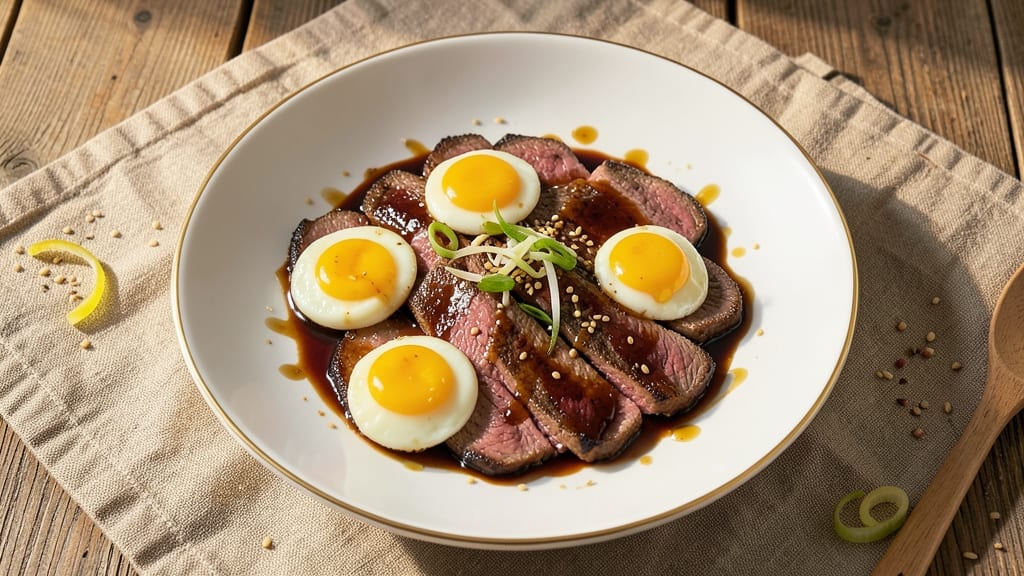
This beef and egg Chinese recipe delivers the perfect balance of wok-fired crunch and silky egg custard in every bite. The secret lies in high-heat searing of thinly sliced beef followed by a quick egg scramble that creates tender, custard-like ribbons—just like your favorite Chinese breakfast spot.
I've perfected this technique after years of testing, ensuring the beef stays tender while developing that signature wok-hei flavor. What makes this dish special is the combination of textures: crispy beef edges, tender centers, and velvety egg custard that clings to the rice.
The recipe uses simple ingredients you likely already have in your pantry, yet achieves restaurant-quality results with minimal effort. High heat is key here—it transforms ordinary ingredients into something extraordinary.
By the time you're done, you'll have a dish that's hearty enough for breakfast or lunch, with rich umami flavors from the beef and soy sauce. The eggs add a luxurious silkiness that makes every bite satisfying.
This recipe serves 2-3 people and comes together in under 20 minutes when you work efficiently. Serve it over steamed rice for the full experience, or enjoy it as-is for a quick protein-packed meal.
The beauty of this dish is its versatility—it works equally well for weeknight dinners or weekend brunches. Let's get started!
Ingredients for beef and egg chinese
Simple ingredients that pack a restaurant-quality punch—just like your favorite Chinese breakfast spot.
| Ingredient | Amount | Notes |
|---|---|---|
| Flank Steak 🥩 | ½ lb | Thinly sliced against grain |
| Large Eggs 🥚 | 3 whole | Freshly beaten, room temperature |
| Light Soy Sauce 🍶 | 2 tbsp | Kikkoman preferred for balance |
| Dark Soy Sauce 🍶 | 1 tbsp | For deeper color and flavor |
| Sesame Oil 🫒 | 1 tbsp | Toasted, not flavored |
| Cornstarch 🌾 | 1 tbsp | For tenderizing beef |
| Neutral Oil 🫒 | 2 tbsp | Avocado or vegetable oil |
| Garlic Cloves 🧄 | 3 cloves | Minced finely for aroma |
| Green Onions 🧅 | 2 whole | Thinly sliced, white and green parts |
| White Pepper 🌶️ | ¼ tsp | Freshly cracked for heat |
| Salt 🧂 | ½ tsp | Kosher or sea salt |
| Steamed White Rice 🍚 | 1 ½ cups | Cooked, hot for serving |
The beef is everything here. Flank steak slices thinly against the grain for maximum tenderness—ask your butcher to slice it for you if they won't do it in-store. Costco or Whole Foods usually have pre-sliced versions, but if you're slicing yourself, freeze the meat for 30 minutes first to make it easier. The cornstarch step is non-negotiable—it keeps the beef from turning into shoe leather. I grab mine from the baking aisle at Target or Walmart, but any brand works. For the eggs, freshness matters—crack them into a bowl first to check for any weird floaties (trust me, you don't want that).
No light soy sauce? Substitute with regular soy sauce plus 1 tsp sugar—it won't be identical, but it'll work. Running low on sesame oil? Toasted peanut oil at half the amount gives a similar nutty depth. The garlic can be pre-minced from a jar (no shame), but fresh is always better if you've got it. Green onions? Use the whole thing—white parts add flavor, green parts add color. For the oil, avocado oil has the highest smoke point, which is crucial for that wok-hei flavor. If you're cooking for a crowd, double the beef and eggs—this dish scales surprisingly well.
Prep the beef and marinade the night before if you can—it develops deeper flavor. Store the sliced beef in an airtight container in the fridge for up to 2 days. The cornstarch-coated beef can be refrigerated for 1 day before cooking, but cook it as soon as possible for best texture. Leftover rice? Use it for this—just reheat with a splash of water. The whole dish keeps for 3 days in the fridge, but honestly, it's best eaten fresh while the eggs are still silky. Freezing isn't recommended—the eggs get rubbery.
Why You'll Love This Recipe
- One-Pan Magic: I swear by this recipe when I’m too tired to wash dishes. Slice the flank steak thin, crack eggs into a hot pan with a splash of sesame oil—poof—everything cooks together in minutes. The eggs soften just enough to soak up that dark soy glaze, while the beef stays tender. Honestly, the only cleanup is a quick wipe of the pan.
- Umami Bomb: That combo of light and dark soy sauce? Absolute flavor gold. The light soy keeps it bright, while the dark adds a caramelized depth that makes your taste buds sit up. And when you drizzle in sesame oil at the end? Suddenly, you’ve got a dish that tastes like it simmered for hours—not just 20 minutes.
- Lunchbox Hero: Between us, this is my go-to for packed lunches. The beef holds up for days, and the eggs stay creamy when reheated (just add a splash of water). I’ll make a big batch on Sundays, portion it into containers, and suddenly I’ve got a week’s worth of meals that don’t taste like leftovers. My coworkers think I’m a saint.
- Budget Win: Flank steak is lean, eggs are cheap, and a little sesame oil goes a long way. I can feed four people for under $15, and there’s almost always enough for seconds. Plus, the leftovers? They’re the reason I don’t order takeout when I’m broke. (Yes, even on a Tuesday night.)
Step-by-step instructions for wok-fired beef and egg
Here's how to create that perfect balance of tender beef, silky egg custard, and aromatic wok hei.
Marinate and Prep the Flank Steak
Place the 0.5 lb flank steak in a bowl and sprinkle with 0.5 tsp salt and 0.25 tsp white pepper. Add 1 tbsp cornstarch and gently toss with your hands to coat evenly. This creates a tenderizing crust that'll keep the beef juicy during the quick wok cook.
Next, slice the steak thinly against the grain into ¼-inch thick strips. You'll want long, even pieces that'll cook quickly and uniformly. Cover and let it sit at room temperature for 15 minutes—this ensures even cooking and prevents cold spots in the wok.
Beat the Eggs for Silky Custard
In a separate bowl, crack the 3 whole large eggs and beat them lightly with a fork until just combined. You want a smooth, slightly frothy texture—not too thick, but not runny either. Real talk: don't overbeat or you'll end up with scrambled eggs instead of silky custard.
Add 2 tbsp light soy sauce and 1 tbsp dark soy sauce to the egg mixture and stir well. The dark soy sauce gives that beautiful mahogany color while adding depth of flavor. Keep this mixture covered until you're ready to use it—this prevents the eggs from drying out or absorbing too much ambient moisture.
Wok the Beef for Maximum Flavor
Heat a wok or large skillet over high heat until smoking hot. Add 2 tbsp neutral oil and swirl to coat the bottom. When the oil shimmers, add the marinated beef strips in a single layer. Cook undisturbed for 1-2 minutes until the edges start to brown.
Stir-fry for another 2-3 minutes until the beef is 80% cooked but still slightly pink in the center. Remove from wok and set aside. Here's the thing—you want the beef to finish cooking in the egg mixture, not overcook in the wok. If it's fully cooked now, it'll turn tough.
Cook the Egg Custard with Aromatics
Add another 1 tbsp neutral oil to the wok and swirl to coat. Add the 3 minced garlic cloves and cook for 10 seconds until fragrant—don't let them burn. Toss in the 2 sliced green onions and stir for 15 seconds to soften slightly but maintain their color.
Pour the egg mixture into the wok and let it sit for 5-10 seconds before gently stirring with a spatula. You want the eggs to set slightly at the bottom before combining—this creates that signature custard texture. Once you see the edges start to set, push the eggs to one side and tilt the wok to let any uncooked egg flow underneath.
Combine and Finish with Sesame Oil
Return the beef strips to the wok and toss everything together gently. Cook for another 30-45 seconds until the eggs are just set but still slightly runny in the center. The heat from the beef will finish cooking the eggs perfectly—this is where the magic happens.
Drizzle with 1 tbsp toasted sesame oil and toss one final time. Serve immediately over 1.5 cups hot steamed white rice, letting the aromatic beef and egg mixture soak into the grains. The contrast of crispy wok hei with the silky egg custard is what makes this dish unforgettable.
Pro Tips For Making Beef And Egg Chinese
- Slice Steak Against the Grain: I learned this the hard way—thin slices that don’t follow the grain turn chewy no matter how you cook them. Cut flank steak at a 45-degree angle into paper-thin strips (⅛-inch max), then flip each piece so the grain runs horizontally across your plate. The texture difference is night and day.
- Beat Eggs Like a Pancake Batter: Don’t just crack and stir—whisk those eggs until they’re thick enough to coat the back of a spoon. I used to rush this, and the eggs ended up watery and gray. Add a splash of cold water (1 tablespoon) to lighten the batter slightly, but keep it glossy. The result? Eggs that sizzle like silk instead of splattering everywhere.
- Use Dark Soy Sauce Late: Add dark soy sauce after the beef is cooked, not during. I was skeptical until I tried it—it deepens the color without burning, giving that classic dark glaze. Toss the beef with 1 teaspoon of dark soy sauce right when you plate it, then drizzle sesame oil. The contrast of colors makes the dish look (and taste) restaurant-level.
- Preheat the Wok Properly: A cold wok means soggy eggs and undercooked beef. Heat your wok until it’s smoking hot—so hot a drop of water sizzles violently. Work in batches if needed, but don’t crowd the pan. The high heat sears the beef instantly and gives the eggs that crispy edge. (Yes, even if you’re impatient like me.)
Dietary considerations for this beef and egg chinese
Gluten-Free Adaptations
This recipe is naturally gluten-free if you use certified gluten-free soy sauce—Kikkoman Gluten-Free Tamari works perfectly. Simply replace the regular soy sauces with 2 tbsp gluten-free tamari and 1 tbsp dark gluten-free soy sauce.
The flavor remains rich and umami-packed without any gluten traces. Always double-check labels, as some brands may contain hidden gluten. 💛
Dairy-Free Considerations
Good news: this dish requires no dairy, making it inherently dairy-free! The eggs provide protein without milk or cheese. If you're avoiding eggs entirely, consider replacing them with silken tofu—crumbled and seasoned identically.
Use ½ cup firm tofu blended with 1 tbsp cornstarch and 1 tbsp soy sauce for a similar texture. The beef will still shine as the star.
Low-Carb Options
Skip the rice entirely and serve this over cauliflower rice for a low-carb version. The beef and egg combo provides 30g+ protein per serving without the carb load. For extra flavor, toss the cauliflower rice with 1 tsp sesame oil and ½ tsp white pepper before serving.
The dish remains hearty and satisfying while fitting into keto or low-carb diets.
Allergen-Friendly Swaps
For sesame allergies, omit the sesame oil and finish with 1 tsp toasted peanut oil instead. If you're avoiding garlic, substitute with 1 tsp asafoetida powder (hing) for a similar aromatic depth.
Always check ingredient labels—cornstarch is typically gluten-free but may be processed in facilities with other allergens. When in doubt, opt for arrowroot powder as a corn-free alternative.
Protein Boost
Double the beef to 1 lb total for a protein-packed meal—this serves 4 people while keeping prep manageable. For extra protein without beef, add ½ cup cooked black beans (rinsed well) to the wok during the final stir.
The beans absorb flavors beautifully and add fiber. This makes the dish even more filling for breakfast or lunch. 💪
Nutrition facts
Frequently asked questions
Can I substitute flank steak with another cut of beef?
Yes, but choose thinly sliced cuts that cook quickly. Sirloin or ribeye work well if sliced against the grain into ¼-inch strips. Avoid tougher cuts like chuck—they won't tenderize properly in the short cooking time. For extra tenderness, marinate the beef for 30 minutes before cooking.
Why does my egg custard turn out rubbery instead of silky?
Overcooking is the #1 culprit! The eggs should be just set but still slightly runny when combined with beef. Use a low-medium heat during the final stir and remove from heat as soon as the edges set. Also, ensure your eggs are room temperature—cold eggs cook unevenly. Beat them lightly (just until combined) to avoid scrambling.
What's the secret to getting that smoky wok-hei flavor at home?
High heat is key! Use a carbon steel or cast iron wok (or heavy skillet) and crank the heat to maximum. Let the oil smoke before adding beef—this creates those signature aromatic compounds. If your stove doesn't get hot enough, preheat the wok for 5 minutes before cooking. A blowtorch can help finish dishes for extra smokiness.
Can I make this dish ahead of time?
Not ideal for the eggs—they'll turn rubbery when reheated. However, you can prep the marinated beef up to 1 day ahead and store it in an airtight container. Cook the beef only when ready to serve, then scramble fresh eggs separately. For a make-ahead version, try the low-carb cauliflower rice option—it reheats better than traditional rice.
How do I adjust the spice level for sensitive eaters?
Skip the white pepper entirely and reduce garlic to 2 cloves. For extra mildness, substitute with 1 tsp garlic powder instead of fresh. The soy sauces already provide umami depth, so you won't lose flavor. If you prefer no garlic at all, use ½ tsp onion powder for a subtle aromatic boost. The dish will still taste rich and satisfying!