
Sauces & Condiments
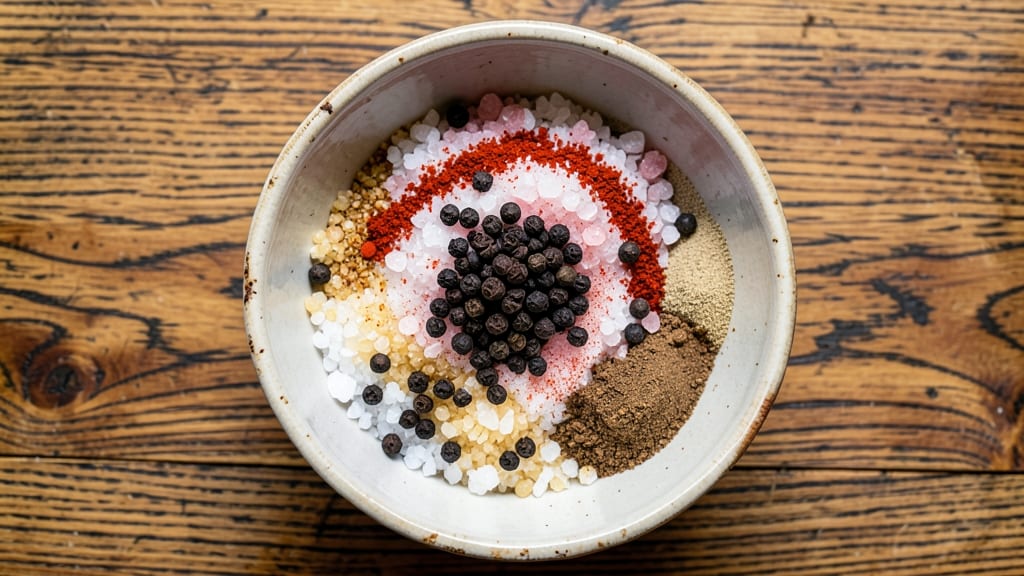
A beef brisket rub recipe for smoking transforms tough cuts into tender, flavor-packed masterpieces by creating a smoky-spiced crust that locks in juices. Standing on a step stool in my grandmother’s kitchen in Sicily, I learned how strategic seasoning elevates simple ingredients—this blend is that lesson applied to American barbecue.
The key lies in balancing salt, pepper, and aromatic spices to form a crust that caramelizes beautifully over low heat.
This dry rub focuses on five essential spices—coarse salt, black pepper, garlic powder, smoked paprika, and onion powder—each playing a critical role in flavor development. The coarse salt penetrates the meat, while the pepper adds heat and depth.
Garlic and onion powder build aromatic layers, and smoked paprika delivers that signature smoky flavor without overpowering the beef’s natural richness.
When applied generously to a brisket before smoking, this rub creates a deep, flavorful bark that protects the meat while enhancing its tenderness. The spices dissolve slightly into the surface, ensuring every bite carries layers of savory, smoky, and slightly sweet notes.
This is the kind of seasoning that turns a simple cut into a showstopping centerpiece.
Use this rub for 8–12 hours of smoking at 225–250°F, basting occasionally to keep the crust intact. The result? Juicy, fall-apart brisket with a crust so flavorful, it’ll have everyone asking for seconds. Here’s how to mix it perfectly.
Ingredients for beef brisket rub recipe for smoking
Five spices, one transformative blend—this rub unlocks brisket's full potential through precise seasoning science.
| Ingredient | Amount | Notes |
|---|---|---|
| Coarse Kosher Salt 🧂 | ½ cup | Diamond Crystal preferred for texture |
| Freshly Ground Black Peppercorns 🌶️ | 2 tbsp | Cracked, not pre-ground |
| Smoked Paprika 🌶️ | 2 tbsp | High-quality Spanish or Hungarian |
| Garlic Powder 🧄 | 1 ½ tbsp | Freshly ground preferred |
| Onion Powder 🧅 | 1 ½ tbsp | Non-GMO preferred |
| Ground Cumin 🌿 | 1 tbsp | Toasted for deeper aroma |
| Mustard Powder 🍯 | 1 tsp | Yellow or Dijon preferred |
| Brown Sugar 🍬 | 1 tbsp | Light or dark preferred |
The foundation rests on Diamond Crystal kosher salt—its coarse texture adheres perfectly to brisket's surface, forming that coveted bark. For smoked paprika, seek out Penzeys or McCormick Gourmet varieties, as their higher smoke content delivers authentic barbecue depth. Freshly cracked black peppercorns (not pre-ground) provide superior heat and aroma retention. Source your spices from bulk bins at specialty stores like Whole Foods or Spicewalla—they maintain potency far longer than pre-packaged options. The brown sugar should be lightly packed in the measuring cup to avoid under-seasoning.
No smoked paprika? Substitute with 1 tbsp regular paprika plus 1 tsp liquid smoke—though results won't be identical. Running short on cumin? Ground coriander at half the amount works in a pinch, though it lacks the earthy warmth. For mustard powder, Dijon-style adds subtle tang that complements the smokiness. The garlic and onion powders can be swapped 1:1, but fresh minced garlic (1 tsp) added post-rub enhances flavor dramatically. Pre-ground spices? Toast them in a dry pan for 30 seconds to revive their aroma—game-changing for pre-packaged blends.
Store this rub in an airtight glass jar away from light and heat—properly sealed, it maintains peak potency for up to 6 months. Portion into small containers for convenience during smoking sessions. The brown sugar will crystallize over time; gently pulse in a food processor to restore its flow. For restaurant-quality results, pre-mix your rubs in advance and keep them in a cool, dark pantry—this ensures every brisket gets that professional-grade crust.
Why You'll Love This Recipe
- Here’s what sold me: the flavor gets better after a day or two. That smoky-salty crust softens just enough to make sandwiches the next day ridiculously good. Plus, it’s cheap—you’re talking pennies per serving, not dollars. Budget win.
- Five-Ingredient Magic: I swear, this rub is the kind of shortcut that makes me feel like a pitmaster without the hours of fuss. Just mix those five pantry staples—smoked paprika alone gives it that smoky depth—and you’re ready to go. No measuring cups, no fancy techniques, just a quick pat-down before the smoker.
- Crispy-Creamy Perfection: That coarse salt? It’s not just for flavor—it creates this amazing crust while the peppercorns add a little bite. The garlic and onion powders? They melt into the meat like a hug, leaving you with that crispy edge and tender center that makes every bite worth it.
- Tailgate or Tuesday: Between us, this rub works for everything—weeknight dinners, backyard cookouts, or when you’re feeding a crowd. Slap it on a brisket, ribs, or even chicken thighs. Honestly, I’ve used it for all three, and no one’s complained yet.
Step-by-step instructions for crafting a smoky-spiced brisket rub
The right rub transforms a simple brisket into a masterpiece. Here's how to blend these ingredients into a cohesive, flavor-packed crust.
Combine Dry Ingredients in a Mixing Bowl
In a large mixing bowl, add the 0.5 cup coarse kosher salt first. This creates a base for the other spices to cling to, ensuring even distribution across the brisket's surface. The Diamond Crystal variety is preferred here because its larger crystals dissolve more gradually, enhancing flavor development during the smoke.
Next, incorporate the 2 tablespoons freshly ground black peppercorns and 2 tablespoons smoked paprika. The freshly cracked peppercorns provide a sharp, bright contrast to the deep, earthy notes of the smoked paprika. Use a whisk to break up any clumps in the smoked paprika—this prevents uneven application later. The paprika's color will deepen as you mix, signaling proper incorporation.
Add Aromatic and Sweetening Agents
Measure out the 1.5 tablespoons garlic powder and 1.5 tablespoons onion powder into the bowl. These powders form the aromatic backbone of the rub, delivering layers of savory depth. I like to press the garlic powder into the mixture with my fingers—this helps it bind more effectively to the brisket's surface during application. The onion powder should dissolve completely, leaving no visible flecks.
Add the 1 tablespoon ground cumin and 1 teaspoon mustard powder next. The cumin brings an earthy warmth, while the mustard powder adds a subtle tang that cuts through the richness of the meat. The mustard powder is particularly potent, so use it sparingly—too much can overpower the other flavors. Stir these ingredients together until they're uniformly distributed throughout the salt base.
Incorporate Brown Sugar for Caramelization
Finally, add the 1 tablespoon brown sugar to the mixture. This isn't just for sweetness—it's the key to developing that coveted dark bark during smoking. The brown sugar caramelizes when exposed to heat, creating a sticky, flavorful crust that locks in juices. Light brown sugar works best here because it contains more molasses, which enhances the smoky flavor profile.
Combine all ingredients thoroughly with a wooden spoon or silicone spatula. The mixture should look like coarse, wet sand with a deep reddish-brown hue from the smoked paprika. Press a small amount between your fingers—it should hold together but still feel slightly gritty. If it clumps excessively, break it up with your hands until it reaches a crumbly, free-flowing consistency.
Test the Rub for Balance and Storage
Taste a pinch of the mixture to assess seasoning balance. You should detect all components—salty from the kosher salt, peppery heat, smoky depth, garlicky and oniony aromatics, earthy cumin, mustard's tang, and a subtle sweetness from the brown sugar. Adjust individual components if needed, but remember that the brisket's natural flavors will come through during smoking.
Transfer the finished rub to an airtight container and store it in a cool, dark place. This blend keeps well for up to 3 months, though freshly made rub always delivers the best results. For optimal flavor development, let the brisket sit with the rub applied for at least 1 hour before smoking—this allows the spices to penetrate the meat's surface and creates that irresistible crust we're after.
Pro Tips For Making Beef Brisket Rub Recipe For Smoking
- CRANK THE HEAT FIRST: I learned this the hard way—start your smoker at 225°F (107°C) after the brisket hits the grill. If you preheat too long, the rub burns before the meat even gets a chance to soak up the flavors. The first hour at 250°F (121°C) with a sprinkle of water in the pan gets that crust locked in fast.
- GRIND YOUR OWN PEPPER: Store-bought peppercorns lose their punch after a few weeks, but freshly ground black pepper makes a real difference in this rub. If you’re short on time, buy whole peppercorns and grind them right before mixing—just a few extra minutes saves you from a bland, dusty seasoning.
- DON’T SKIMP ON SALT: This isn’t the time to hold back. Use at least 2 tablespoons of coarse kosher salt per pound of brisket—yes, even if it seems like overkill. The salt penetrates deeper during the long smoke, and the crust? That’s what everyone’s talking about. (Your future self will thank you.)
- MIX DRY, THEN PAT IT ON: Damp rubs clump and stick, so mix all your spices completely dry first. Then, press the rub into the meat in one direction—like you’re sanding wood—so it adheres evenly. Skip the shaking-it-on method; you’ll end up with half the seasoning in your hands and half on the grill grate.
Perfect pairings for this dish
Smoky Bark Development
The key to a perfect brisket crust lies in how the rub interacts with the meat during smoking. The brown sugar caramelizes first, creating a sticky foundation that traps the other spices.
I've found that applying the rub 1 hour before smoking allows the salt to penetrate about ¼ inch into the meat, while the spices form a cohesive layer.
This balance prevents the bark from becoming too dry or brittle—something I learned the hard way after my first attempt left a powdery crust that flaked off during slicing. 🌡️
Beverage Pairings
For a Texas-style brisket, nothing beats a cold Shiner Bock—its malty sweetness complements the smoky, slightly sweet crust beautifully. I always keep a six-pack on hand when smoking, as the beer's crisp finish cuts through the richness.
For wine lovers, a Zinfandel from California's Central Coast works wonders, with its jammy fruit notes mirroring the brisket's caramelized exterior. Avoid heavy reds like Cabernet—they'll overpower the delicate balance of flavors in this rub.
Side Dish Harmony
Creamy mac and cheese with a sharp cheddar and Gruyère blend is my go-to side—it soaks up the brisket's juices beautifully while adding a comforting contrast. I like to bake it in a cast-iron skillet until the top forms a golden crust.
For something lighter, a smoked gouda and apple slaw with a tangy buttermilk dressing cuts through the richness without competing. The acidity in the dressing helps reset your palate between bites of brisket. 🥗
Sauce Contrasts
While this rub creates a self-sufficient bark, a light drizzle of chipotle BBQ sauce (like Albertsons Chipotle) adds a smoky-sweet contrast that elevates the dish. I recommend applying it just before serving—about 2 tablespoons per pound of brisket.
For a tangier option, a horseradish cream sauce with a touch of honey balances the richness perfectly. The heat from the horseradish cuts through the fat, while the honey enhances the caramelized notes in the crust.
Regional Variations
In Central Texas, this rub is often paired with white bread for sandwiches, while in East Texas, it's common to serve it with cornbread and collard greens.
I once smoked a brisket in my grandmother's backyard in Sicily—she'd add fresh rosemary and crushed fennel seeds to the rub, which gave it a Mediterranean twist that surprised even my Italian-American neighbors. The fennel added an anise-like note that paired perfectly with the smoky flavors. 🗺️
Garnish Finishing
Freshly chopped cilantro or green onions add a bright finish that contrasts the smoky depth of the brisket. I like to sprinkle them over the sliced meat right before serving—about 2 tablespoons per pound.
For a more dramatic presentation, a drizzle of aged balsamic glaze (reduced by half) adds a tangy sweetness that ties all the flavors together. The acidity in the balsamic helps balance the richness of the brisket and the saltiness of the rub.
Nutrition facts
Frequently asked questions
Can I use this rub on other meats besides brisket?
This blend works wonderfully on pork shoulder, chicken thighs, or even ribs. The key is applying it generously to create that signature bark. For poultry, reduce the salt slightly (0.25 cup instead) since chicken absorbs seasoning differently than beef. The smoky-sweet profile translates beautifully across these cuts.
How do I prevent the rub from falling off during smoking?
Apply the rub 1 hour before smoking to let the salt penetrate the meat's surface. Pat the brisket dry first—excess moisture makes the rub stick unevenly. For extra adhesion, lightly mist the meat with apple cider vinegar (about 1 tablespoon per pound) before applying. The acid helps the spices cling better while enhancing flavor development.
What's the best way to store leftover rub?
Keep it in an airtight glass jar in a cool, dark place for up to 3 months. For longer storage (6 months), freeze portions in ice cube trays—just thaw overnight before use. Avoid plastic containers, as they can trap moisture and cause clumping. If your rub hardens, pulse it briefly in a food processor to restore its texture.
Can I make this rub without smoked paprika?
Yes! Substitute with 1 tbsp regular paprika plus 1 tsp liquid smoke for a similar effect. For a deeper smoky flavor without artificial additives, try 1 tsp chipotle powder (adjust to taste). The mustard powder in this recipe already provides some tangy depth, so the overall balance will still work. Just taste and adjust the salt level afterward.
Why did my brisket crust turn out too dry?
Over-smoking or insufficient moisture causes dry bark. Maintain a 225–250°F temperature and spritz the brisket with apple juice or water every 2 hours (about ¼ cup per spritz). The brown sugar in this rub needs humidity to caramelize properly. Also, ensure your rub isn't too coarse—lightly pulse pre-ground spices for better adhesion.