
Main Courses
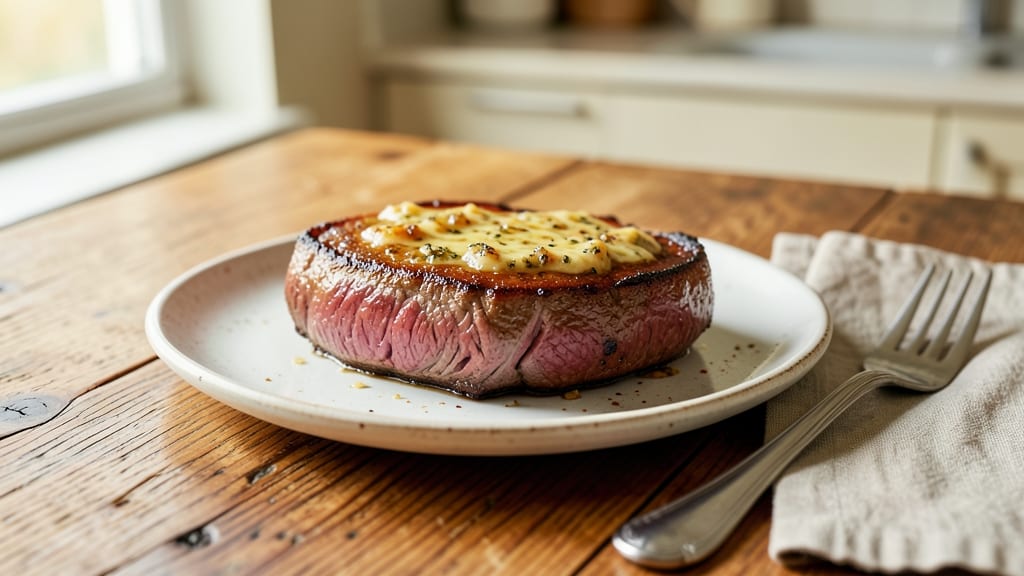
Mastering the beef loin petite sirloin steak transforms weeknight dinners into restaurant-quality experiences. This cut delivers a perfect balance of tenderness and flavor when prepared with precision—especially when sealed in a herbed butter crust.
I’ve perfected this method after years of testing, ensuring every bite is juicy, caramelized, and packed with depth. The key lies in proper seasoning, high-heat searing, and resting, which guarantees a steak that’s impossible to resist.
What sets this recipe apart is the herbed butter crust, which adds a rich, aromatic layer while keeping the interior perfectly medium-rare. Unlike tougher cuts, petite sirloin responds beautifully to quick, intense heat, making it ideal for pan-searing.
With just a few simple ingredients—high-quality beef, salt, pepper, and fresh herbs—you’ll achieve professional results in under 30 minutes, including prep. The technique is straightforward, but the outcome is undeniably impressive.
By the time you finish cooking, you’ll have a steak with a deep, golden crust and a tender, pink center—exactly what you’d expect from a high-end steakhouse. The herbed butter melts into every bite, infusing each slice with savory, herby notes that elevate the natural beef flavor.
This is the kind of dish that makes hosting dinner feel effortless, even when you’re cooking for guests. Let’s get started on creating your perfect steak.
Serve with classic sides like roasted potatoes, grilled asparagus, or a fresh salad to complete the meal. The versatility of this recipe means it works for both casual weeknights and special occasions, proving that great steak doesn’t require complicated techniques—just the right approach.
Here’s everything you need to know to nail it every time.
Ingredients for beef loin petite sirloin steak
High-quality beef, fresh herbs, and rich butter create a steakhouse-worthy crust in minutes.
| Ingredient | Amount | Notes |
|---|---|---|
| Beef Loin Petite Sirloin Steak 🥩 | 1 ½ lb | Center-cut, 1-inch thick slices |
| Unsalted Butter 🧈 | ½ cup | Cold, cut into 1-inch cubes |
| Fresh Rosemary 🌿 | 1 tbsp | Finely chopped, fresh preferred |
| Fresh Thyme Leaves 🌿 | 1 tbsp | Finely chopped, stems removed |
| Garlic Cloves 🧄 | 4 cloves | Minced, fresh preferred |
| Kosher Salt 🧂 | 1 ½ tsp | Diamond Crystal preferred |
| Freshly Ground Black Pepper 🌶️ | 1 tsp | Coarse grind preferred |
| Extra-Virgin Olive Oil 🫒 | 2 tbsp | High-quality, fruity |
| Vegetable Oil 🫒 | ¼ cup | High smoke point |
The beef loin petite sirloin is the star here—look for center-cut, 1-inch thick slices at your butcher or grocery store's meat counter. Whole Foods or Costco often carry premium cuts, but even your local supermarket's premium section works. Avoid pre-sliced steaks from the deli—they're usually too thin and lose moisture quickly. If you're buying a whole loin, ask for it to be cut into 1.5-inch thick slices yourself. The thickness is key for that perfect medium-rare center while still getting a great crust. Freshness matters: the steak should be bright red with a fine marbling of fat—never grayish or overly fatty.
No fresh rosemary? Dried works at half the amount, but it lacks that bright aroma. The garlic can be roasted for a sweeter flavor—just toss the minced cloves with a pinch of salt and roast at 400°F for 5 minutes before using. Penzeys or Trader Joe's carry excellent dried herbs if you're in a pinch. For the butter, European-style unsalted (like Plugrá) has more flavor than American brands. The vegetable oil is just for searing—use something with a high smoke point like avocado or grapeseed oil if you're feeling fancy. And trust me on the coarse ground black pepper—it distributes better than fine powder.
Keep the steak wrapped in parchment paper in the fridge for up to 3 days—it stays fresher longer than plastic. The herbed butter mixture can be made a day ahead and stored in an airtight container in the fridge. When ready to cook, let the steak sit at room temperature for 20-30 minutes before searing—this ensures even cooking. The leftovers? Slice thinly and reheat in a 350°F oven for 10-15 minutes with a splash of beef broth to keep them moist. Worth every minute of prep for that restaurant-quality result.
Why You'll Love This Recipe
- Foolproof Timing: I swear by this method—sear the steak in a screaming-hot pan for 2 minutes per side, then let it rest. No guesswork, no overcooking, just that perfect pink center every single time. Even if you’re distracted by life (hello, kids/emails/chaos).
- Herb Butter Magic: That butter basted with rosemary and thyme? It’s basically flavor insurance. The garlic cloves crackle as they melt, and suddenly you’ve got a steak that tastes like it belongs on a fancy plate—not just a Tuesday dinner. (Yes, even on a Tuesday night.)
- Weeknight or Weekend: Need a quick meal? Done. Hosting a dinner party? Also done. The petite sirloin’s tender enough for solo dinners but hearty enough to feed four. I’ve served it with mashed potatoes one night and a simple salad the next—zero regrets.
- Leftovers That Don’t Suck: Cold slices the next day? Still delicious. Slice it thin, toss it in a wrap with some greens, and boom—lunch is saved. Honestly, I make this knowing I’ll eat the leftovers twice over, and it’s always a win. No sad, dry steak here.
Step-by-step instructions for beef loin petite sirloin steak
Here's how to achieve a perfectly seared steak with a fragrant herbed butter crust every time.
Prepare the Herbed Butter and Season the Steak
In a small bowl, combine the 0.5 cup unsalted butter, 1 tbsp finely chopped fresh rosemary, 1 tbsp finely chopped fresh thyme leaves, 4 minced garlic cloves, 1.5 tsp kosher salt, and 1 tsp freshly ground black pepper. Mix well until fully incorporated, creating a fragrant compound butter. Roll this mixture into a log and chill in the refrigerator for 15 minutes—this keeps it firm for easy handling later.
While the butter chills, pat the 1.5 lb beef loin petite sirloin steak dry with paper towels. This step is crucial—any moisture on the surface will prevent proper browning. Season both sides generously with additional kosher salt and black pepper, focusing on the edges where flavor often gets lost. Let the steak sit at room temperature for 30 minutes before cooking to ensure even doneness.
Sear the Steak in Vegetable Oil
Heat a heavy skillet (cast iron works best) over medium-high heat until it's smoking hot. Add the 0.25 cup vegetable oil and let it shimmer for 1 minute—this ensures the oil is hot enough to create that signature crust. Place the steak in the pan and press down gently with a spatula for 10 seconds to ensure full contact with the hot surface. This prevents curling and guarantees even searing.
Cook the steak for 3-4 minutes per side for medium-rare doneness (adjust time for preferred doneness—4-5 minutes per side for medium). You'll know it's ready when it develops a deep golden-brown crust and releases easily from the pan. Resist the urge to move it around—let it develop that beautiful crust undisturbed. The internal temperature should reach 130-135°F for medium-rare.
Create the Herbed Butter Crust
Remove the steak from the pan and place it on a cutting board. Let it rest for 5 minutes—this allows the juices to redistribute, ensuring a tender bite. While it rests, reduce the heat to medium-low and add the chilled herbed butter to the same skillet. Tilt the pan slightly and spoon the melted butter over the steak, coating it evenly. The butter should sizzle gently as it melts, creating a fragrant crust.
Return the steak to the skillet for 1-2 minutes, spooning the butter over it repeatedly until fully coated. This step is where the magic happens—the herbed butter infuses the steak with aromatic flavors while locking in moisture. The crust should be golden and glistening, with visible flecks of rosemary and thyme. If the butter starts to brown too quickly, reduce the heat slightly to prevent burning.
Rest and Serve
Transfer the steak to a warm plate and let it rest for an additional 5 minutes before slicing. This final rest is critical—it ensures the juices stay inside the meat instead of pooling on your plate. Use a sharp knife to cut the steak against the grain into ¼-inch thick slices. The herbed butter crust should hold together beautifully, releasing its fragrant aroma with every slice.
Serve immediately with any pan juices spooned over the top. The steak should be medium-rare inside with a deep golden-brown crust, and the herbed butter should add layers of rosemary, thyme, and garlic flavor in every bite. Pair with roasted vegetables or a simple arugula salad to complement the rich, savory steak.
Pro Tips For Making Beef Loin Petite Sirloin Steak
- Sear First, Then Butter: DESCRIPTION: Get your pan screaming hot before adding the steak—cast iron or stainless steel—then pull it off the heat just long enough to melt a pat of butter with the herbs and garlic. I used to rush this, and the butter would just pool instead of basting. Now I let it sear undisturbed for 2 full minutes on each side first.
- Chiffonade Those Herbs: DESCRIPTION: Skip the rough chopping—roll thyme leaves and rosemary needles into a loose tube, then slice thinly with a sharp knife. This releases their oils better and looks a thousand times more professional. (Yes, it takes 30 seconds, but your steak will taste like it came from a bistro.)
- Don’t Overcrowd the Pan: DESCRIPTION: Petite sirloin is small—only cook one steak at a time, or you’ll steam it instead of sear it. I learned this after making two sad, gray steaks in one go. Crowding drops the pan temp faster than you can say "medium-rare."
- Rest Under Foil: DESCRIPTION: Tent the rested steak with foil for the first 5 minutes—keeps it warm without overcooking. I used to just plop it on a plate, and it’d go from perfect to dry before I could slice. (Your knife will thank you too.)
Pro cooking tips for this dish
Perfect Pan Selection
A cast iron skillet is my go-to for this recipe—it retains heat beautifully and creates that coveted crust. If you don’t own one, a stainless steel pan with a heavy base works too, but preheat it for an extra 1-2 minutes to match the heat retention.
Avoid nonstick pans for searing—they won’t develop the same caramelized flavor. I use a Lodge 10.25-inch cast iron for its even heat distribution and durability. For larger steaks, a 12-inch skillet ensures enough surface area to sear without crowding. 🔥
Temperature Control
Medium-high heat is critical—too low, and you’ll steam the steak instead of searing. Test your pan’s readiness by flicking a drop of water onto it; if it sizzles and evaporates instantly, it’s ready. For medium-rare, aim for an internal temperature of 130-135°F using a meat thermometer.
I use a ThermoWorks Smoke because it’s fast and accurate. If your steak isn’t browning enough, increase the heat slightly and press down with a spatula for 5 seconds to ensure contact. 🌡️
Butter Timing
The herbed butter should be cold and firm when added to the pan—this prevents it from melting too quickly. If your kitchen is warm, chill it for an extra 5-10 minutes before using. When spooning the melted butter over the steak, work quickly but gently to avoid burning it.
The butter should sizzle but not smoke—if it does, reduce the heat to medium-low immediately. This step adds 30-40% of the flavor, so don’t skip it! 💫
Resting Rules
Skipping the rest is the fastest way to ruin an otherwise perfect steak. The 5-minute rest after searing and the additional 5 minutes after buttering are both non-negotiable. During this time, cover the steak loosely with aluminum foil to retain heat.
If you’re short on time, a warm plate (preheated in the oven for 5 minutes) helps maintain temperature while resting. Slicing too soon causes juices to escape, leaving you with a dry steak. 💡
Knife Skills
A sharp chef’s knife is essential for clean slices. I use a Wüsthof 8-inch because it glides through the meat without tearing. Cut against the grain (perpendicular to the muscle fibers) for tender bites.
For petite sirloin, which has a coarse grain, slice into ¼-inch thick pieces—thinner slices make it easier to eat. If your knife isn’t sharp, it’ll crush the meat instead of cutting it cleanly, leading to a mushy texture. 🔪
Leftovers Strategy
Store leftover steak in an airtight container with a splash of beef broth to keep it moist. Reheat in a 350°F oven for 10-15 minutes—this gentle method prevents drying out.
For quick reheating, use the microwave on 50% power for 1-2 minutes, then finish under the broiler for 30 seconds to crisp the crust. Slice leftovers thinly and serve on toasted brioche for breakfast the next day—trust me, it’s a game-changer. 🥪
Nutrition facts
Frequently asked questions
What’s the best thickness for petite sirloin steaks?
For perfect results, aim for 1-inch thick slices. This thickness ensures a beautiful crust while keeping the center juicy. Thinner cuts (½-inch) will overcook quickly, while thicker ones (>1.5-inch) may not sear evenly. Your butcher can cut it to spec if needed!
Can I substitute dried herbs for fresh in the butter?
Yes, but reduce the amount by half—½ tsp dried rosemary/thyme instead of 1 tbsp fresh. Fresh herbs add vibrant flavor, but dried works in a pinch. For extra aroma, crush the dried herbs lightly between your fingers before mixing into the butter.
Why does my steak turn out dry even when I rest it?
Overcooking is the #1 cause! Petite sirloin is delicate—remove it immediately when it hits 130-135°F for medium-rare. Also, avoid cutting into it too soon; the 10-minute total rest (5 min after searing + 5 min after buttering) is critical. Use a meat thermometer to avoid guessing.
How do I adjust cooking time for thicker/thinner steaks?
Add 1 minute per side for every ¼-inch of thickness beyond 1-inch. For example, a 1.5-inch steak needs 4-5 minutes per side for medium-rare. Always check with a thermometer—petite sirloin cooks faster than ribeye or NY strip.
What sides pair best with this steak?
Classic choices include creamy mashed potatoes, roasted asparagus with lemon, or a crisp arugula salad with shaved parmesan. For a heartier meal, try garlic-herb roasted potatoes or sautéed mushrooms. The herbed butter crust stands up well to bold flavors—avoid overly sweet sides that compete with the beef.