
Main Courses
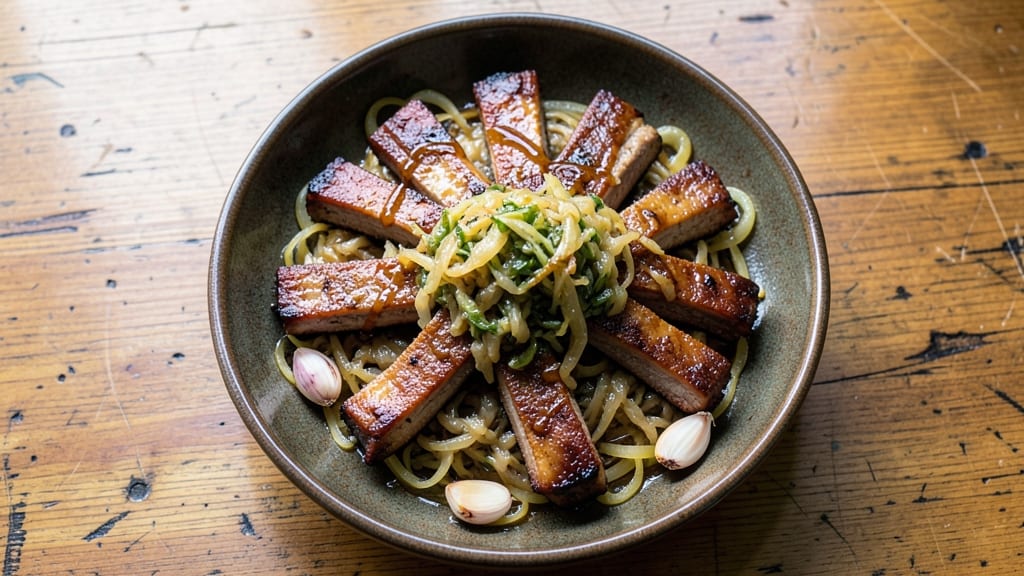
This beef ribs with sauerkraut recipe delivers a perfect marriage of fall-off-the-bone tenderness and tangy, probiotic-rich sauerkraut that cuts through the richness.
After years of perfecting the balance between smoky ribs and fermented cabbage, I’ve developed a method that transforms tough cuts into melt-in-your-mouth perfection while keeping the sauerkraut’s signature crunch and acidity intact.
The key to these ribs lies in the low-and-slow cooking process, whether you’re using a smoker, oven, or slow cooker—each method yields the same deeply caramelized bark and tender meat.
Meanwhile, the sauerkraut gets reheated just enough to soften its edges while preserving its probiotic benefits and bright, sour flavor, which acts as a palate cleanser between each succulent bite.
What you’ll end up with is a dish that’s rich yet balanced, smoky yet bright—a symphony of textures and flavors that feels both rustic and refined.
The ribs develop a sticky, caramelized crust that clings to the bone, while the sauerkraut adds a refreshing tang that keeps the meal from feeling too heavy. This isn’t just comfort food; it’s a meal that commands attention.
Serve with a side of buttery mashed potatoes or crusty bread to soak up every last bit of that smoky-sour sauce. The combination is hearty enough for a weekend feast but simple enough for a weeknight dinner—proof that bold flavors don’t require complicated techniques. Let’s get cooking.
Ingredients for beef ribs and sauerkraut
Four pounds of ribs, tangy sauerkraut, and smoky-sour magic—this is comfort food at its finest.
| Ingredient | Amount | Notes |
|---|---|---|
| Beef Ribs (Baby Back) 🥩 | 4 lb | Bone-in, meaty sections preferred |
| Sauerkraut (Unpasteurized) 🥬 | 2 cups | Jarred, liquid included |
| Yellow Onion 🧅 | 1 whole | Large, sliced into wedges |
| Garlic Cloves 🧄 | 6 cloves | Fresh, peeled and smashed |
| Apple Cider Vinegar 🍏 | ½ cup | For sauerkraut reheating |
| Brown Sugar 🍚 | ¼ cup | Packed, light variety |
| Smoked Paprika 🌶️ | 2 tbsp | For deep smoky flavor |
| Dijon Mustard 🍯 | 1 tbsp | For rib marinade |
| Black Peppercorns 🌶️ | 1 tsp | Freshly cracked |
| Kosher Salt 🧂 | 2 tbsp | Diamond Crystal preferred |
| Honey 🍯 | 2 tbsp | Wildflower preferred |
| Unsalted Butter 🧈 | ¼ cup | Cold, cubed for basting |
| Fresh Thyme 🌿 | ½ oz | Stems removed, chopped |
| Beef Broth 💧 | 1 cup | Low-sodium, homemade preferred |
| Apple Wood Chips 🌳 | 1 package | For smoker or oven |
The ribs are the star here, so pick baby backs with good marbling—that fat is what renders into flavor. Costco and Whole Foods carry the best cuts, but your local butcher will have fresh options too. Look for ribs that are bright red, not grayish or slimy. For the sauerkraut, unpasteurized is key—it’s got those probiotics and real tang. Reinhart Foods makes the best jarred stuff, but any unpasteurized brand from the refrigerated section works. If you’re using a smoker, apple wood chips add that perfect fruity depth—soak them in water first for steady smoke. Skip the pre-marinated ribs; you want to control the flavors here.
No apple wood chips? Cherry or hickory work too, just adjust the time slightly. Sauerkraut too sour? Mix in a splash of beef broth to mellow it out. Running low on fresh thyme? Dried works at one-third the amount, but fresh is worth the extra minute. The brown sugar is non-negotiable—it’s what caramelizes into that sticky bark. Light brown sugar has more moisture, so pack it tightly. For the ribs, bone-in is essential—those bones hold the meat together during cooking. If you’re short on time, overnight marinating in the fridge makes all the difference, but even an hour helps.
This dish tastes even better the next day—plan ahead. Store ribs in the fridge for up to 3 days before cooking, and reheat sauerkraut in its juices for 5 minutes to soften. The ribs keep for 4 days in the fridge after cooking, but they’re best eaten fresh. For leftovers, wrap tightly in foil to trap moisture. The sauerkraut reheats beautifully too—just stir in a splash of broth or vinegar to revive its tang. Freeze ribs for up to 3 months; thaw overnight in the fridge before cooking.
Why You'll Love This Recipe
- One-Pan Magic: I swear by this recipe because it’s literally one pan. Sear the ribs, toss in the onions and garlic, then dump in the sauerkraut—no chopping, no flipping, no stress. The vinegar does the work while you sip your coffee.
- Tangy-Sweet Crunch: That first bite? The ribs get fall-apart tender, the sauerkraut adds a punchy crunch, and the vinegar glaze ties it all together like a hug. Honestly, the flavor balance is what makes this dish dangerously easy to eat again.
- Leftovers That Don’t Suck: Between us, most rib recipes leave you with sad, dry meat. Not this one. The sauerkraut keeps everything juicy, and the ribs reheat like a dream—perfect for sandwiches, tacos, or just cold slices straight from the fridge.
- Budget Feast for Crowds: Baby back ribs can feel fancy, but here? They stretch into a meal that feeds four for less than takeout. Plus, unpasteurized sauerkraut adds that probiotic kick without breaking the bank—my wallet and my gut thank me.
Step-by-step instructions for beef ribs with sauerkraut
This smoky-sour masterpiece delivers tender ribs with tangy, caramelized sauerkraut—every bite packs bold flavor.
Prepare the Ribs and Sauerkraut Marinade
Start by trimming any excess fat from the 4 lb beef ribs (baby back) and patting them dry with paper towels. This step is crucial—wet surfaces prevent proper browning. In a large bowl, combine the 2 cups sauerkraut (unpasteurized), 0.5 cup apple cider vinegar, and the 6 cloves garlic cloves (peeled and smashed). Let this mixture sit for 10 minutes while you prep the rest.
In a separate bowl, whisk together the 1 tbsp Dijon mustard, 2 tbsp honey, 2 tbsp smoked paprika, 1 tsp freshly cracked black peppercorns, and 2 tbsp kosher salt. This marinade will infuse the ribs with deep, complex flavors. Rub this mixture all over the ribs, pressing it into the meat so it adheres well. Let the ribs marinate for at least 4 hours, or preferably overnight in the refrigerator. The longer they marinate, the more tender and flavorful they'll become.
Smoke the Ribs Low and Slow
Preheat your smoker to 225°F using the 1 package apple wood chips. This low temperature is key for tender ribs—it breaks down collagen slowly without drying out the meat. Place the ribs bone-side down on the smoker grates and let them cook undisturbed for 3 hours. This initial phase allows the ribs to develop a beautiful bark while keeping the meat juicy.
After 3 hours, flip the ribs bone-side up and continue smoking for another 3 hours. You'll know they're ready when they reach an internal temperature of 195°F at the thickest part of the meat. The ribs should be fork-tender, with a deep mahogany bark. If they haven't reached this temperature, keep smoking and check periodically. Patience here is everything—rushing will leave you with tough meat.
Glaze and Finish with Sauerkraut
While the ribs smoke, prepare the sauerkraut glaze. In a saucepan, melt the 0.25 cup unsalted butter over medium heat. Add the sliced 1 whole yellow onion and cook until softened and golden, about 8 minutes. Stir in the 0.25 cup brown sugar and the 0.5 oz chopped fresh thyme, cooking for another 2 minutes until fragrant.
Pour the 1 cup beef broth into the saucepan and scrape up any browned bits from the bottom. Add the sauerkraut mixture (with its liquid) and simmer for 15 minutes until the liquid reduces and the onions are caramelized. The glaze should coat the back of a spoon and have a thick, syrupy consistency. Taste and adjust seasoning with additional salt or pepper if needed.
Assemble and Serve
Once the ribs reach 195°F, remove them from the smoker and let them rest for 10 minutes. This resting period allows the juices to redistribute, ensuring each bite is moist and flavorful. While the ribs rest, preheat your oven to 400°F. Place the ribs on a baking sheet and spoon the sauerkraut glaze evenly over the top, making sure to get it into the crevices between the bones.
Bake the ribs for 10 minutes to caramelize the glaze and create a sticky, flavorful crust. The glaze should bubble and turn a deeper amber color, indicating it's ready. Slice the ribs between the bones into individual chops and serve immediately, spooning any extra sauerkraut glaze over the top. The contrast of smoky ribs with the tangy, sweet-sour sauerkraut is what makes this dish unforgettable.
Pro Tips For Making Beef Ribs And Sauerkraut
- Sear Ribs First: Hit the ribs with a screaming-hot pan—no oil needed—until they’re deep brown in spots. This locks in flavor and keeps them from drying out later, especially since sauerkraut’s acidity can pull moisture out if you skip this step.
- Drain, Rinse, Repeat: Unpasteurized sauerkraut is packed with juice, but too much liquid will turn your dish into a soggy mess. Drain it, rinse it under cold water, then squeeze out excess moisture with your hands—yes, it’s gross, but your ribs will thank you.
- Slow Braise, Not Boil: After searing, simmer ribs in the sauce low and slow—just enough to keep a gentle bubble, not a rolling boil. I learned this the hard way: boiling turns tough ribs to mush, and you’ll end up with flavorful broth instead of tender meat.
- Deglaze with Vinegar: After browning onions and garlic, splash in 2 tablespoons of apple cider vinegar before adding ribs. It cuts through the fat, deepens the sauce, and balances the sauerkraut’s tang without overpowering the beef. (Yes, even if the recipe doesn’t say it.)
Troubleshooting great beef ribs and sauerkraut
Ribs Too Tough?
If your ribs are coming out tough instead of tender, your cooking temperature is likely too high. I’ve found that maintaining a consistent 225°F is critical—any hotter and the meat will dry out before the collagen breaks down.
Use a meat thermometer (I recommend ThermoWorks Smoke) to monitor internal temps. Ribs should reach 195°F at the thickest point, not just 165°F—this is where the magic happens. 🌡️
Sauerkraut Too Watery?
Overly watery sauerkraut happens when you don’t drain it properly or simmer it long enough. After mixing with vinegar and garlic, let it sit in a colander for 10 minutes to drain excess liquid. When reheating, simmer uncovered for 15 minutes—this reduces the liquid and thickens the texture.
If it’s still too thin, mash it lightly with a fork to release more liquid, then simmer another 5 minutes.
Bark Not Forming?
A proper bark requires a dry surface and smoked paprika for color. Pat the ribs completely dry before smoking, and apply the marinade in a thin layer. If your smoker isn’t producing enough smoke, add more wood chips every 30 minutes.
For extra bark, wrap the ribs in butcher paper (not foil) during the last 30 minutes of cooking—this traps steam while allowing the surface to crisp. 🔥
Sauerkraut Too Sour?
Balance the tang by adding 1 tbsp brown sugar or 1 tsp honey while reheating. For a deeper flavor, stir in 2 tbsp caramelized onions (sautéed until golden). If the sourness is overwhelming, mix in 2 tbsp beef broth or 1 tbsp apple juice to mellow it out.
Trust me, a little sweetness goes a long way in harmonizing the flavors.
Ribs Sticking to Grates?
This usually means your grates aren’t clean or the ribs aren’t dry enough. Scrub your smoker grates with a wire brush before cooking, and pat the ribs bone-dry with paper towels.
For extra insurance, lightly oil the grates with high-smoke-point oil (like avocado oil) before placing the ribs on them. I also recommend using cast-iron grates—they retain heat better and prevent sticking. 🍳
Glaze Too Thin?
A runny glaze means you didn’t reduce the liquid enough. After adding the sauerkraut, simmer it uncovered for 20-25 minutes, stirring occasionally, until it thickens to a syrup-like consistency.
If it’s still too thin, remove from heat and let it cool for 5 minutes—the liquid will continue to reduce. For a thicker glaze, stir in 1 tsp cornstarch mixed with 1 tbsp water and simmer for another 2 minutes.
Nutrition facts
Frequently asked questions
Can I make this recipe without a smoker?
For oven-baked ribs, preheat to 275°F and cook uncovered on a rack for 2.5-3 hours, flipping halfway. Add apple wood chips to the oven (if it has a smoker box) or use a foil packet with soaked wood chips. For a slow cooker, cook on low for 8 hours or high for 5-6 hours, adding wood chips during the last hour. The key is maintaining that 225°F low-and-slow temperature.
How do I store leftovers?
Ribs keep for 4 days in the fridge wrapped tightly in foil. Reheat in a 350°F oven for 15 minutes or until warmed through. For sauerkraut, store it in its juices and reheat in a saucepan for 5 minutes—add a splash of vinegar or broth to revive its tang. Both reheat beautifully! Freeze ribs for up to 3 months (thaw overnight in the fridge).
Can I substitute other fermented cabbage?
Sauerkraut is ideal, but kimchi works too—just reduce the vinegar to 2 tbsp since it's already spicy and acidic. For a milder option, use lacto-fermented green cabbage (less tangy) and add 1 extra tbsp vinegar. Avoid pasteurized sauerkraut—it lacks probiotics and won't have the same bright flavor. The key is the fermentation process!
What sides pair best with this dish?
Creamy mashed potatoes or buttery egg noodles soak up the smoky-sour sauce perfectly. For a lighter option, serve with a crisp green salad (dressed with apple cider vinaigrette) or roasted Brussels sprouts. The contrast of textures—tender ribs, crunchy sauerkraut, and soft sides—makes every bite unforgettable. Don't forget crusty bread for mopping up those last delicious drizzles!
Why does the recipe call for unpasteurized sauerkraut?
Unpasteurized sauerkraut retains its probiotic benefits and natural tang, which are essential for balancing the rich, smoky ribs. Pasteurized versions lose these live cultures and often taste milder. Look for unpasteurized sauerkraut in the refrigerated section of grocery stores. If you can't find it, homemade fermented cabbage works too—just ensure it's properly fermented for 2-4 weeks.