
Main Courses
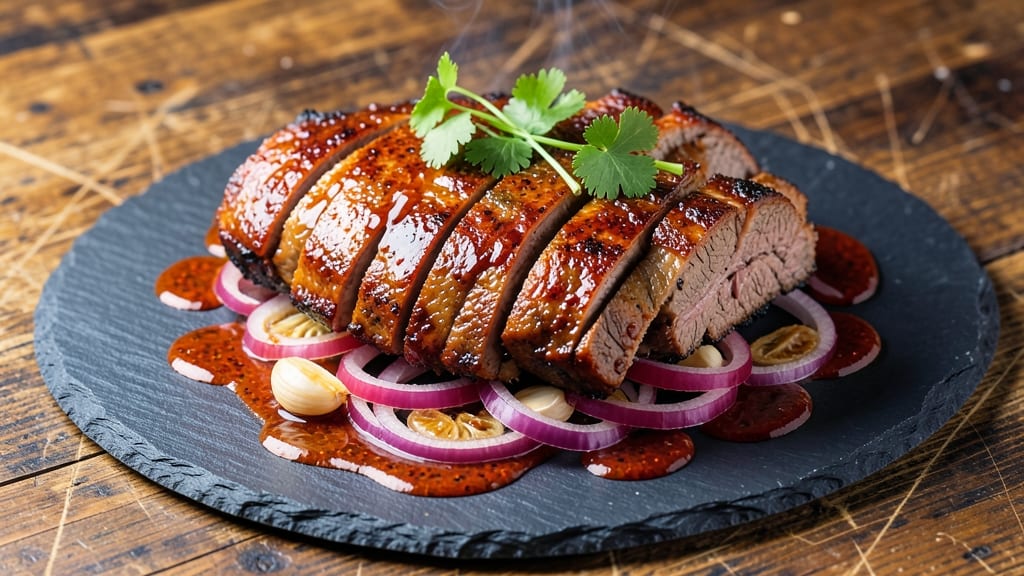
Transforming tough beef shoulder into Texas-style ribs with fall-off-the-bone tenderness and a deep, smoky bark is what separates good BBQ from great. This recipe delivers restaurant-quality results using a proven two-stage cooking method that builds flavor layer by layer—just like the pitmasters in Central Texas.
The secret lies in precise temperature control and patience, which turns inexpensive cuts into showstopping centerpieces.
What makes these ribs truly special is the smoky bark that develops during the final stages of cooking, while the meat remains impossibly tender inside.
We'll use a simple but effective dry rub that balances sweet, smoky, and savory notes, then slow-cook the beef until it practically melts when you pull it from the smoker or oven.
The key is maintaining a consistent 225°F temperature for hours, which breaks down collagen and transforms tough muscle fibers into melt-in-your-mouth perfection.
By the time you serve these ribs, every bite will reveal that perfect contrast—crispy, caramelized bark giving way to tender meat that falls apart at the touch of a fork. The aroma alone will have your guests gathering at the table before the meal is ready.
This is the kind of dish that turns casual weeknight dinners into memorable gatherings, all while keeping the techniques accessible for home cooks.
Pair these ribs with classic Texas sides like buttery cornbread and tangy coleslaw for the full experience. The recipe includes optional shortcuts for those using an oven instead of a smoker, so you can achieve the same results regardless of your equipment.
Let's get started on creating ribs that will have everyone asking for seconds.
Ingredients for beef shoulder texas style ribs
Six pounds of beef shoulder transforms into Texas-style ribs with smoky bark and melt-in-your-mouth tenderness.
| Ingredient | Amount | Notes |
|---|---|---|
| Beef Shoulder (Bone-In) 🥩 | 6 lb | Chuck roast with bone, cut into ribs |
| Yellow Onion 🧅 | 1 whole | Yellow or red, chopped |
| Garlic Cloves 🧄 | 8 cloves | Fresh, peeled and minced |
| Brown Sugar 🍚 | ½ cup | Packed, light or dark |
| Smoked Paprika 🌶️ | 2 tbsp | For deep smoky flavor |
| Chili Powder 🌶️ | 1 ½ tbsp | Medium heat preferred |
| Ground Black Pepper 🌶️ | 1 ½ tbsp | Freshly ground for bite |
| Kosher Salt 🧂 | 1 ½ tbsp | Diamond Crystal preferred |
| Ground Cumin 🌿 | 1 tbsp | Toasted for depth |
| Apple Cider Vinegar 🍎 | ¼ cup | For tangy brightness |
| Honey 🍯 | ¼ cup | Wildflower for complexity |
| Beef Broth 💧 | 2 cups | Low-sodium, homemade or quality |
| Wood Chips (Hickory or Oak) 🌳 | 2 cups | For authentic smoky flavor |
| Butter (Unsalted) 🧈 | ½ cup | Full-fat for richness |
The beef shoulder is the star—look for cuts with good marbling and a thick layer of fat on top, which renders down for moisture. Costco or local butcher shops often carry the best cuts, but the meat department at Whole Foods works too. If you're buying a whole chuck roast, ask your butcher to cut it into ribs—this saves time and ensures even cooking. The ribs should be about 2-3 inches thick for perfect bark and tenderness. For extra flavor, trim any excess fat but leave a thin layer for protection during cooking.
No smoked paprika? Regular paprika plus a pinch of liquid smoke gets you close. The apple cider vinegar adds tang, but lemon juice works in a pinch. Honey can be swapped for maple syrup, though it adds a different depth. For the dry rub, Trader Joe's has a great pre-mixed BBQ spice blend you can tweak. The beef broth is non-negotiable—low-sodium is key so you don’t over-salt the ribs. If you’re short on time, slow-cook the ribs in a Dutch oven with wood chips instead of a smoker for similar results.
Store raw ribs in the fridge for up to 3 days before cooking. The dry rub keeps for 3 months in an airtight container, so make extra for future meals. Once cooked, ribs reheat beautifully—wrap in foil with a splash of broth and 450°F for 10 minutes. For leftovers, portion into containers with a drizzle of the cooking juices to keep them moist. These ribs freeze well for up to 3 months, making them perfect for meal prep.
Why You'll Love This Recipe
- One-Pan Wonder: I swear by this—just toss the beef shoulder, onions, and garlic on a sheet pan, add the spices, and let the oven do the work. No messy pits or brining, just hands-off magic.
- Sweet-Smoky Magic: That brown sugar and smoked paprika combo? It caramelizes into a sticky, savory crust that’ll have you licking your fingers. The beef falls apart like butter, and the onions turn glassy-sweet—no extra work, just pure flavor.
- Budget Hero: A beef shoulder costs half what ribs do, and you get double the meat. Honestly, I make this when I want restaurant-quality ribs without the markup. Plus, the spices are cheap, and it stretches for meals all week.
Step-by-step instructions for beef shoulder Texas-style ribs
Here's how to transform a simple beef shoulder into fall-apart ribs with a perfect smoky bark.
Prepare and Season the Beef Shoulder
Begin by trimming any excess fat from the beef shoulder, leaving about ¼-inch thickness on the surface. This creates the ideal balance between flavor and texture. Pat the meat completely dry with paper towels—this step is crucial for developing that coveted crispy bark later.
In a small bowl, combine the 0.5 cup brown sugar, 2 tablespoons smoked paprika, 1.5 tablespoons chili powder, 1.5 tablespoons ground black pepper, 1.5 tablespoons kosher salt, and 1 tablespoon ground cumin. Mix thoroughly to create a well-blended dry rub. Generously coat the beef shoulder with this mixture, pressing it into the meat so it adheres well. The rub should cover every inch of the surface, including the bone side.
Place the seasoned beef shoulder on a wire rack set over a baking sheet. Cover loosely with plastic wrap and refrigerate for at least 12 hours, or preferably overnight. This resting period allows the rub to penetrate deeply and the meat to relax, ensuring more even cooking later. The longer it rests, the better the flavor distribution will be.
Smoke the Beef Shoulder Low and Slow
Set up your smoker using the 2 cups of wood chips (hickory or oak) and preheat to 225°F. This low temperature is key for achieving tender meat with that signature Texas-style bark. Once the smoker reaches temperature and you see clean, blue smoke, place the beef shoulder fat-side up on the grill grates. The fat will render slowly, basting the meat throughout the cook.
Close the lid and resist the urge to check on the ribs—every time you open the smoker, you lose heat and moisture. Smoke the beef shoulder undisturbed for 6 to 8 hours, or until the internal temperature reaches 165°F. This is when you'll hit "the stall," where the temperature plateaus as moisture evaporates. Don't worry; this is completely normal and part of the process.
At this point, remove the beef shoulder from the smoker and wrap it tightly in heavy-duty aluminum foil. Return it to the smoker and continue cooking until the internal temperature reaches 203°F, which should take an additional 3 to 4 hours. The foil helps the meat absorb moisture and continue cooking without drying out, while still allowing the bark to develop.
Rest and Slice for Maximum Tenderness
Once the beef shoulder reaches 203°F, remove it from the smoker and transfer it to a cutting board. Let it rest for at least 1 hour, or preferably 2 hours, before slicing. This resting period is essential—it allows the juices to redistribute throughout the meat, ensuring each slice is moist and flavorful.
Using a sharp carving knife, slice the beef shoulder against the grain into ½-inch thick slices. The grain runs along the length of the meat, so cutting perpendicular to it shortens the muscle fibers, making each bite more tender. Arrange the slices on a serving platter, ensuring the smoky bark is visible and appealing.
To serve, drizzle with a sauce made from the 0.25 cup apple cider vinegar, 0.25 cup honey, and 2 cups beef broth, simmered together until slightly thickened. This sauce enhances the natural flavors of the ribs and ties everything together beautifully. Each bite should deliver that perfect balance of tender meat, smoky bark, and rich, savory flavors.
Pro Tips For Making Beef Shoulder Texas Style Ribs
- Trim the Fat First: Cut away the thick silver skin and excess fat from the beef shoulder before cooking—it’s the only way to get that crispy bark Texas-style ribs are famous for. I learned this the hard way when my first batch turned out greasy instead of golden.
- Char the Onions: Caramelize the sliced yellow onions in a dry pan until deep brown and sticky before adding them to the rub—this cuts down on cooking time later and adds a smoky depth. Skip this, and you’re just boiling onions instead of building flavor.
- Don’t Rush the Rest: Let the ribs sit wrapped in foil at room temp for at least 30 minutes after cooking before slicing—this keeps the meat juicy and makes it easier to pull apart. I used to slice them right away, and the meat always turned out dry.
- Use Two Rubs: Apply half the smoked paprika and brown sugar mix before searing, then finish with the rest after the slow cook. This ensures a balanced crust without burning the spices. My grandmother swore by this, and she was right: the bark is richer this way.
Wine and beer pairings for this beef shoulder texas style ribs
Texas-Style Red Wine
For these rich, smoky ribs, a bold Texas red blend or Cabernet Sauvignon from the Hill Country region cuts through the fat beautifully. I love William Chris Cabernet Sauvignon—its dark fruit and oak notes complement the smoky paprika and caramelized bark.
The high tannins also help cleanse your palate between bites. 🍷
Oaked Chardonnay
If you prefer white wine, an oaked Chardonnay like Chateau Ste. Michelle brings buttery richness that mirrors the ribs' texture. The oak enhances the honey and brown sugar in the rub while balancing the smoky depth. Serve slightly chilled to highlight its crisp acidity.
Texas-Style Beer Pairings
A Texas-style lager like Lone Star or Shiner Bock is my go-to beer pairing. The malty sweetness and subtle hop bitterness contrast perfectly with the ribs' smoky-sweet profile. For a craft option, try Jester King All Day—its citrus notes brighten each bite. 🍺
Smoky Bourbon Cocktail
For a non-alcoholic or boozy twist, mix bourbon (like Maker's Mark) with apple cider vinegar and a splash of honey—echoing the ribs' sauce. Serve over ice with a smoked salt rim for an authentic Texas touch. This drink enhances the ribs' depth without overpowering them.
Regional Texas Sips
In Central Texas, Mexican Coke (with real cane sugar) is a classic pairing—its caramel notes harmonize with the ribs' sweet-savory bark. For a refreshing contrast, try Lone Star Lemonade with a pinch of smoked salt. Both options highlight the ribs' Texas roots. 🌶️
Nutrition facts
Frequently asked questions
Can I make these ribs in an oven instead of a smoker?
Use a 250°F oven with a water pan on the bottom rack for moisture. Place the beef shoulder on a rack over a foil-lined tray, then add 2 cups of soaked wood chips to the tray. Close the oven door and smoke for 6-8 hours until 165°F, then wrap in foil and cook to 203°F. The bark won't be as intense, but the meat will still be tender.
Why does the recipe call for wrapping the beef in foil?
The foil wrap creates a steam bath that keeps the meat moist during the second cooking phase. This is critical for breaking down collagen and achieving that fall-apart tenderness while still allowing the bark to develop. Without it, the surface would dry out before the center cooked through.
What's the best way to store leftovers?
Portion ribs into airtight containers with a drizzle of the cooking juices to prevent drying. They'll keep in the fridge for 4-5 days or freeze for 3 months. To reheat, wrap slices in foil with a splash of broth and bake at 450°F for 10 minutes—this restores moisture and maintains texture.
Can I substitute pork shoulder for beef?
Not recommended for this recipe. Pork shoulder has different fat distribution and connective tissue, resulting in a less tender final product. If you must use pork, reduce the cook time by 1-2 hours and monitor closely to avoid dryness. The flavor profile will differ significantly from authentic Texas-style beef ribs.
How do I know when the ribs are done?
Use a meat thermometer to check the internal temperature. The ribs are done when they reach 203°F—this is the probe-tender stage where collagen fully breaks down. The bark should be deep brown and crispy, but if you cut into it and see pink meat, it needs more time. Never rely on color alone!