
Main Courses
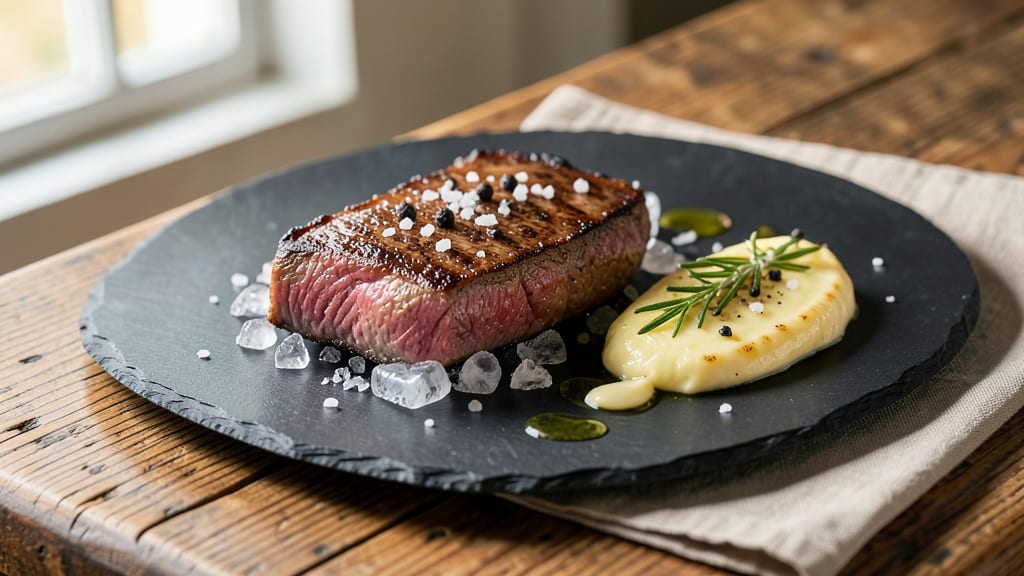
This beef top loin New York strip steak boneless recipe delivers the perfect balance of a seared crust and buttery interior that steakhouse chefs swear by.
After years of testing different techniques, I’ve refined this method to ensure every bite is tender yet flavorful, with a crust that crackles at the slightest touch. The secret lies in precise temperature control and proper resting—two steps most home cooks overlook.
The recipe starts with a simple seasoning of coarse salt and freshly cracked black pepper, letting the natural richness of the beef shine through.
You’ll cook the steak using a reverse sear technique—first in the oven to reach the ideal internal temperature, then finished in a screaming-hot cast-iron skillet for that coveted crust. This method guarantees a juicy, medium-rare center every time, even for thicker cuts.
What you’ll end up with is a steak that’s tender, flavorful, and visually stunning, with a deep caramelized crust and a pink, buttery interior. The key is patience—letting the steak rest for at least 10 minutes before slicing ensures every slice stays juicy and holds its shape.
Serve with a classic red wine reduction or a sprinkle of flaky sea salt for an extra touch of elegance.
Whether you’re grilling for a special occasion or treating yourself to a weeknight upgrade, this recipe transforms a simple cut of beef into a restaurant-worthy masterpiece. Let’s get cooking—your taste buds will thank you.
Ingredients for beef top loin new york strip steak boneless
Precision-cut beef meets minimal seasoning—this is where restaurant-quality steaks begin.
| Ingredient | Amount | Notes |
|---|---|---|
| Beef Top Loin New York Strip Steak Boneless 🥩 | 1 ½ lb | Center-cut, 1.5-inch thick slices |
| Kosher Salt 🧂 | 1 tbsp | Coarse grain preferred (Diamond Crystal) |
| Freshly Cracked Black Peppercorns 🌶️ | 1 ½ tsp | Coarsely ground, not pre-ground |
| Extra-Virgin Olive Oil 🫒 | 2 tbsp | High smoke point preferred |
| Unsalted Butter 🧈 | 2 tbsp | Cold, cubed for basting |
| Garlic Cloves 🧄 | 4 cloves | Minced for basting butter |
| Fresh Thyme Leaves 🌿 | ¼ cup | Chopped for butter infusion |
| Flaky Sea Salt 🧂 | 1 tsp | For finishing (Maldon preferred) |
| Cast-Iron Skillet 🍳 | 1 whole | 10-12 inch for proper sear |
The beef top loin New York strip steak boneless is non-negotiable for this recipe. Look for center-cut slices with visible marbling—USDA Choice or Prime at your local butcher shop or Whole Foods delivers superior results. Thickness matters: 1.5 inches ensures even cooking. If purchasing pre-sliced, verify the thickness yourself—many grocery stores undercut for convenience. For the ultimate experience, source from a specialty butcher who can trim the steak to your exact specifications. The reverse sear technique demands patience, so prioritize quality over quantity here.
No coarse kosher salt? Diamond Crystal kosher salt is the gold standard, but Morton coarse salt works in a pinch—just use slightly more. Freshly cracked black peppercorns are essential; pre-ground loses its potency quickly. For the basting butter, European-style unsalted butter (like Plugrá) adds richness, but any high-fat butter will suffice. Short on fresh thyme? Dried thyme at one-third the amount works, though the flavor won’t be as vibrant. The cast-iron skillet is critical—if yours isn’t seasoned, heat it empty for 10 minutes before use to restore its non-stick properties. And always let your steak come to room temperature for 30-45 minutes before cooking—this ensures even doneness.
Steaks should rest for at least 10 minutes before slicing—this is where the magic happens. Cover loosely with foil and place on a wire rack over a baking sheet to prevent sogginess. The butter-basting mixture (olive oil, garlic, thyme) can be prepped a day ahead and stored in the fridge. For leftovers, wrap individual slices in parchment paper and refrigerate for up to 3 days. Freezing isn’t recommended for this cut, as it can dry out the texture. When reheating, use a skillet over medium heat for 10-15 seconds per side—just enough to warm through without overcooking.
Why You'll Love This Recipe
- Five-Ingredient Magic: I swear by this recipe because it’s that simple—just steak, salt, pepper, oil, and butter. No fancy marinades or last-minute shopping trips. Honestly, the only real effort is letting the steak sit at room temp while I grab a glass of wine.
- Butter-Basted Perfection: That crispy crust with a melt-in-your-mouth center? The secret’s in the butter—just a few minutes basting while it sears. I’ll be real: it’s the kind of steak that makes people ask, “What’d you do to it?” (Spoiler: not much.)
- Date Night or Dinner Party: Between us, this steak is my go-to for impressing without stressing. Serve it with a simple salad or roasted potatoes, and suddenly you’re hosting a fancy meal. (Yes, even on a Tuesday night.)
- Leftover Luxury: Cook once, enjoy twice. Slice the leftovers thin for sandwiches or chowder the next day—still rich, still satisfying. I’ve even thrown them into a stir-fry when I’m too tired to cook. Reliable? Absolutely.
Step-by-step instructions for beef top loin New York strip steak boneless
Mastering this steak requires precision—here's how to achieve a perfect crust and tender interior every time.
Season and Rest the Steak
Remove the beef top loin New York strip steak boneless from the refrigerator and place it on a wire rack set over a plate. Pat the surface completely dry with paper towels—this ensures maximum contact with the hot skillet. Generously season both sides with the 1 tablespoon kosher salt and 1.5 teaspoons freshly cracked black peppercorns, pressing firmly so the seasoning adheres.
Let the seasoned steak rest at room temperature for exactly 30 minutes. This step is critical—it allows the meat to cook more evenly and prevents uneven searing. The steak should reach roughly 60°F before cooking. If you're short on time, you can reduce the rest to 20 minutes, but the texture won't be as perfect.
Preheat the Cast-Iron Skillet
Place the 10-12 inch cast-iron skillet over medium-high heat until it's smoking hot. Add the 2 tablespoons extra-virgin olive oil and let it shimmer for 3-4 minutes. The oil should be hot enough to sizzle when you sprinkle a pinch of kosher salt into it—this indicates proper heat. If the oil isn't hot enough, the steak will steam instead of sear.
While the skillet heats, prepare the garlic-thyme butter by combining the 2 tablespoons unsalted butter, 4 minced garlic cloves, and 0.25 cup chopped fresh thyme leaves in a small bowl. Set this aside—it will be used to baste the steak during cooking.
Sear the Steak to Perfection
Carefully place the steak in the hot skillet, away from you to avoid oil splatter. Press down gently on the steak during the first minute to ensure even contact with the pan. Cook undisturbed for 3-4 minutes until a deep, golden-brown crust forms. You'll see the edges begin to pull away slightly from the skillet—this is your signal to flip.
Flip the steak and immediately add half of the garlic-thyme butter to the pan, tilting to coat the bottom. Baste the steak with the melted butter for 30 seconds, then flip again and baste the other side. Continue basting every 30 seconds, adding the remaining butter as needed. For medium-rare doneness, this should take an additional 3-4 minutes per side.
Check Temperature and Rest
Use a meat thermometer to check the internal temperature—it should read 130-135°F for medium-rare. If the steak isn't quite there, continue cooking for another 30 seconds per side. Remove the steak from the skillet and transfer it to a cutting board. Sprinkle generously with the 1 teaspoon flaky sea salt while it's still hot.
Let the steak rest for 8-10 minutes before slicing. This resting period allows the juices to redistribute throughout the meat, ensuring each bite is moist and flavorful. Tent loosely with aluminum foil if you're concerned about it cooling too quickly. The temperature will rise about 5°F during resting, so don't be tempted to pull it early.
Slice and Serve
Slice the steak against the grain into ½-inch thick slices. The meat should be tender with a deep, caramelized crust on the outside and a pink, buttery interior throughout. Serve immediately with any pan juices spooned over the top. The garlic-thyme butter should have infused the steak with aromatic flavor, complementing the natural richness of the beef.
For best results, serve with roasted vegetables or a simple arugula salad to balance the richness. The steak's natural beefy flavor pairs beautifully with bold accompaniments. Enjoy your perfectly seared beef top loin New York strip steak boneless—this method delivers restaurant-quality results at home.
Pro Tips For Making Beef Top Loin New York Strip Steak Boneless
- Preheat Pan Like It’s Your Job: Cast iron or stainless steel—get it screaming hot for 5-7 minutes before adding oil. I used to rush this, and my steaks would steam instead of sear, leaving me with sad, gray edges instead of that golden crust we’re all after.
- Salt Before the Pan: Generously coat the steak with kosher salt at least 40 minutes before cooking. My grandmother swore by this, and she was right: the salt penetrates deeper, and the crust forms better than if you slap it on right before searing.
- Butter at the End Only: Add the unsalted butter and cracked black pepper in the last 30 seconds of cooking—when the steak is already halfway done. This isn’t the time for early butter baths; you’ll just end up with a greasy pan and undercooked meat.
- Use a Meat Thermometer: Pull the steak at 120°F for medium-rare (yes, it’ll rise to 125°F while resting). I learned this the hard way after cutting into a steak that was still pink inside but overcooked because I guessed wrong—don’t make my mistake.
Pro cooking tips for this dish
Reverse Sear Mastery
The reverse sear technique is non-negotiable for this steak—it guarantees a perfect medium-rare center with a restaurant-worthy crust. Preheat your oven to 250°F and place the steak on a wire rack over a baking sheet.
Cook until the internal temperature reaches 110-115°F—this takes about 20-30 minutes depending on thickness. I use a ThermoWorks Smoke thermometer for precision, as oven temps can fluctuate. 🌡️
Skillet Sear Secrets
Your skillet must be screaming hot—450°F or higher—to create that coveted crust. I recommend using a Lodge cast-iron skillet because it retains heat like a dream. Add 2 tablespoons of high-smoke-point oil (like Avocado oil) and let it shimmer for 3-4 minutes before adding the steak.
The moment you hear that satisfying sizzle, you know you're on the right track.
Butter Basting Like a Pro
Don’t skip the garlic-thyme butter—it’s what transforms a good steak into a showstopper. Melt 2 tablespoons of cold butter in the skillet after the initial sear, then baste the steak generously every 30 seconds while it cooks.
The butter should foam and bubble—this is your cue to flip. I like to add a pinch of Maldon flaky salt at the end for extra drama. ✨
Resting Done Right
This is where most home cooks fail—skipping the rest or cutting too soon. After searing, transfer the steak to a cutting board and let it rest for 8-10 minutes under loose foil.
The internal temp will rise another 5°F, so if you pulled it at 130°F, it’ll hit 135°F by the time you slice. Pro tip: Use a meat rest stand to keep the steak elevated and prevent sogginess.
Slicing Against the Grain
Always slice perpendicular to the muscle fibers for maximum tenderness. Use a sharp chef’s knife (I love my Wüsthof) and cut into ½-inch thick slices. The grain runs diagonally across the strip steak, so rotate your cutting board midway if needed.
Serve immediately with any pan juices spooned over the top—this adds extra flavor and keeps the steak moist. 💪
Temperature Control
Never guess—always use a meat thermometer. For medium-rare, aim for 130-135°F internal temp. Overcooking by even 5°F can turn a juicy steak into a dry one. If your steak runs cold, let it sit at room temp for 10 minutes before checking the temp again.
And remember: the steak continues cooking off-heat during resting, so don’t rush it. ⏰
Nutrition facts
Frequently asked questions
Can I cook this steak without a cast-iron skillet?
A cast-iron skillet is ideal for that perfect sear, but you can use a heavy stainless steel or carbon steel pan in a pinch. Just ensure it gets screaming hot—450°F+—and preheat it for at least 5 minutes before adding oil. For grilling, preheat to high heat and cook 3-4 minutes per side, basting with butter as directed. The crust may be slightly less dramatic, but the interior will still be tender.
What if my steak is thicker or thinner than 1.5 inches?
Adjust cooking times based on thickness: for every ¼-inch thicker, add 1-2 minutes to the oven phase and 30 seconds per side during searing. For thinner cuts (1 inch), reduce oven time by 5-7 minutes and sear for 2-3 minutes per side. Always use a meat thermometer—130-135°F for medium-rare is your target.
How do I fix an overcooked steak?
If your steak reaches 145°F+, it’s likely dry. Try slicing thinly and serving with a rich sauce (like red wine reduction or béarnaise) to add moisture. For next time, pull the steak 5°F below your target temp and rest—it’ll rise during resting. Never overcompensate by cooking longer; the texture won’t recover. A 10-minute soak in cold beef broth can help plump slices slightly, but it’s not a miracle fix.
Can I marinate this steak overnight?
No—marinating tender cuts like New York strip steak for more than 30 minutes can break down the muscle fibers, making it mushy. Instead, season generously with salt and pepper and let it rest at room temp for 30 minutes before cooking. For extra flavor, create a dry brine by applying salt 12-24 hours ahead and patting dry before cooking. This enhances tenderness without over-marinating.
What sides pair best with this steak?
Classic pairings include creamy mashed potatoes, roasted asparagus, or a crisp arugula salad with lemon vinaigrette. For a heartier meal, try truffle mac and cheese or garlic butter mushrooms. Avoid heavy, saucy sides that compete with the steak’s flavor—opt for bright, fresh, or caramelized accompaniments to balance the richness.