
Soups & Stews
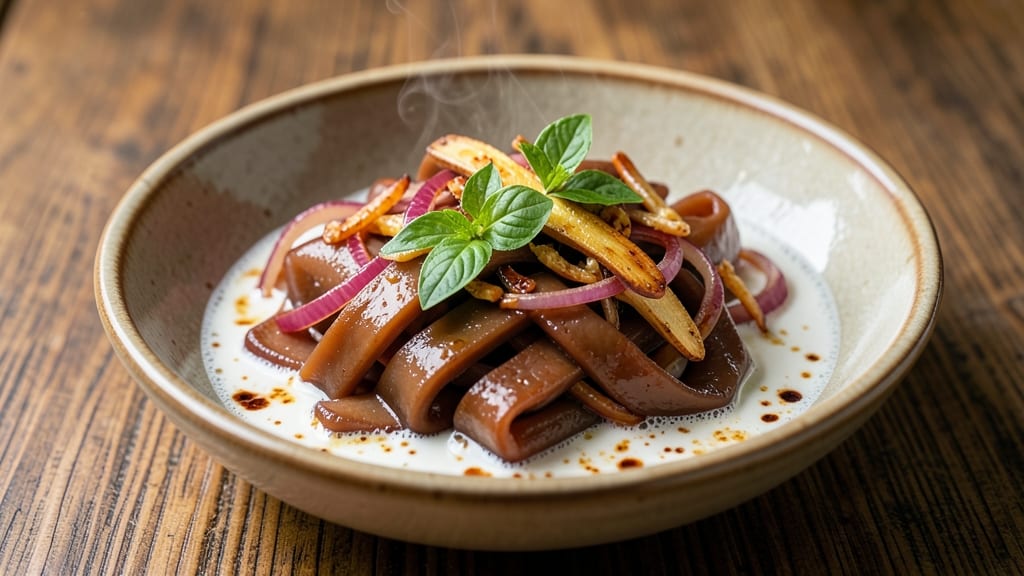
Master the beef tripe goto recipe I’ve refined over years—where slow simmering turns tough cuts into a crispy, melt-in-your-mouth triumph. This recipe captures the rich, earthy umami of traditional Filipino goto—where tender tripe transforms into a dish so flavorful, it becomes the star of any table.
The secret lies in the slow braising process, which breaks down the collagen while building layers of savory depth.
What sets this recipe apart is the crispy top magic—achieved through a simple baking step that creates a golden, crackling crust while keeping the interior silky and tender.
We’ll use a blend of garlic, ginger, and soy sauce for that signature umami punch, then finish with a toasted sesame oil drizzle for extra aroma. The result? A dish that balances chewiness with crispy edges, where every bite delivers restaurant-quality satisfaction.
This method works for both traditional goto and modern adaptations like tripe tacos or stir-fries, making it versatile for any meal. The slow simmer ensures deep flavor penetration, while the crispy finish adds a textural contrast that elevates the dish.
Whether you're serving a family dinner or hosting a gathering, this recipe delivers professional results with simple techniques.
Ready to master the art of tripe? We’ll cover every step—from cleaning and prepping the tripe to achieving that perfect crispy crust. Let’s get started on a dish that transforms humble ingredients into something extraordinary.
Ingredients for beef tripe goto
Mastering crispy tripe begins with these umami-rich ingredients for restaurant-quality Filipino goto.
| Ingredient | Amount | Notes |
|---|---|---|
| Beef Tripe 🥩 | 1 ½ lb | Cleaned and cut into strips |
| Yellow Onion 🧅 | 1 whole | Sliced into half moons |
| Garlic Cloves 🧄 | 6 cloves | Minced for depth of flavor |
| Fresh Ginger 🌿 | ½ cup | Finely grated, peeled |
| Soy Sauce 🥄 | ½ cup | High-quality, preferably Japanese |
| Coconut Milk 🥥 | 13 ½ oz | Full-fat canned variety |
| Tomatoes 🍅 | 4 whole | Roma or vine-ripened, chopped |
| Bay Leaves 🌿 | 2 whole | Dried, for aromatic depth |
| Black Peppercorns 🌶️ | 1 tsp | Crushed, freshly ground |
| Sugar 🍚 | 1 tbsp | White granulated |
| Sesame Oil 🫒 | 1 tbsp | Toasted for finishing aroma |
| Breadcrumbs 🍞 | ½ cup | Panko for extra crispiness |
| Salt 🧂 | 1 ½ tsp | Kosher or sea salt |
The beef tripe is the star—look for well-trimmed cuts at your local butcher or Asian market. Costco often carries pre-cleaned tripe, but if buying whole, soak it in salted water for 2 hours to remove impurities. Fresh ginger and garlic are non-negotiable here; Penzeys or bulk bins at natural markets offer the best quality. For the soy sauce, Kikkoman or Japanese shoyu brands deliver that authentic depth. The coconut milk should be full-fat—Thai Kitchen or Goya cans work perfectly for this recipe.
No fresh ginger? Ground ginger at half the amount works in a pinch, though fresh is ideal. Substituting coconut milk? Heavy cream plus a splash of water mimics the richness. Skip the sugar if you prefer savory—some traditional recipes omit it entirely. For the crispy top, panko breadcrumbs are essential; regular breadcrumbs won't give that satisfying crunch. The tomatoes can be canned if fresh aren't available—just drain them well to avoid watering down the sauce.
Store prepped tripe in the fridge for up to 2 days before cooking. The finished goto reheats beautifully—simmer on low for 10-15 minutes to restore that crispy texture. Portion into containers with sauce for easy leftovers. Freezes well for 3 months, making it perfect for meal prep. The crispy topping loses its crunch when reheated, so save that for fresh servings.
Why You'll Love This Recipe
- Pantry Powerhouse: I swear by this recipe because it uses what’s already in my cupboard—no fancy shopping trips. The tripe soaks up the soy sauce like a sponge, and the ginger-onion-garlic trio turns basic ingredients into something that tastes like it simmered all day.
- Umami Bomb: That first bite? The crispy edges on the tripe with the tender center, all wrapped in a sauce that’s salty-sweet from the soy and bright from the fresh ginger—it’s the kind of flavor that makes you pause mid-bite. Honestly, I’ve tried other tripe recipes, but this one hits the spot every time.
- Leftovers That Don’t Suck: Between us, most leftovers are sad. Not this. The flavors deepen overnight, and I’ve reheated portions for breakfast (yes, with rice) or packed it for lunch without a second thought. It’s the rare dish that gets better the next day.
- Budget Win: A pound of tripe feeds four for under $10, and the rest of the ingredients? Peanuts. I’ll be real: my grocery budget stretches further when I make this, and my wallet thanks me. Plus, it’s one of those meals where you feel like you’re treating yourself without breaking the bank.
Step-by-step instructions for beef tripe goto
Transform tough tripe into tender, aromatic perfection with this slow-simmered technique.
Prepare the Tripe for Maximum Tenderness
Rinse the 1.5 lb beef tripe thoroughly under cold water and drain. Cut it into ¼-inch thick strips—this size ensures even cooking and better texture. Place the strips in a large pot, cover with cold water, and add 1.5 tsp salt. Bring to a boil over high heat, then immediately reduce to a simmer for 30 minutes. This initial boiling removes impurities and begins breaking down the collagen.
Drain the tripe and rinse again under cold water to remove any scum that rises to the surface. The tripe is now ready for the flavor-building process. Here's the thing—this step is non-negotiable. Skipping it means tough, chewy results instead of the silky texture we're aiming for.
Build the Aromatic Base
In a deep pot or Dutch oven, heat 1 tbsp sesame oil over medium heat. Add the sliced 1 whole yellow onion and cook for 5 minutes until softened and translucent. Add the 6 cloves minced garlic cloves and 0.5 cup finely grated fresh ginger, cooking for another 2 minutes until fragrant. You'll notice the kitchen filling with warm, citrusy aromas—that's your cue the base is ready.
Stir in the 4 whole chopped tomatoes, 0.5 cup soy sauce, and 1 tbsp sugar. Add 2 whole bay leaves and 1 tsp crushed black peppercorns. Let this mixture simmer uncovered for 10 minutes until the tomatoes break down and the flavors meld. This aromatic foundation is what transforms simple tripe into restaurant-quality goto.
Slow-Simmer the Tripe to Perfection
Add the prepared tripe strips to the pot, ensuring they're fully submerged in the sauce. Pour in 13.5 oz coconut milk, then bring everything to a gentle simmer. Here's where patience pays off—cover the pot and maintain a low simmer for 2 hours. The tripe will gradually absorb the rich flavors and become fork-tender. Stir occasionally to prevent sticking, but don't overmix or you'll break up the strips.
After 2 hours, check for tenderness by piercing a strip with a fork. It should slide in easily with minimal resistance. If not, continue simmering for another 30 minutes. The sauce should reduce slightly, becoming thick and glossy—this is when the magic happens. The tripe will develop that signature silky texture while maintaining structure.
Create the Crispy Top Magic
Transfer the tripe to a serving dish, leaving the sauce behind. Increase the heat under the sauce to medium-high and let it reduce by half, about 8-10 minutes. This concentrated sauce is the heart of the dish. While it reduces, toast 0.5 cup breadcrumbs in a dry skillet over medium heat for 2-3 minutes until golden brown and fragrant.
Spoon the reduced sauce over the tripe, then sprinkle the toasted breadcrumbs evenly on top. Return to the stovetop for 1-2 minutes just until the breadcrumbs turn deep golden brown and crispy. This crispy topping is what makes this dish special—it adds texture contrast while sealing in all those rich flavors. Serve immediately while the breadcrumbs are still crunchy.
Pro Tips For Making Beef Tripe Goto
- Scald, Don’t Boil: Start your tripe in cold water, then bring it to a gentle simmer—no rolling boil. I learned this the hard way when my tripe turned rubbery after a full hour of aggressive bubbling. Keep it moving with a wooden spoon, and you’ll end up with tender layers instead of chewy disappointment.
- Slice Against the Grain: Cut the tripe thin (¼-inch max) and always parallel to the muscle fibers. Thick slices hide their texture, and cross-cutting makes them tough. If your knife’s dull, take the time to sharpen it—this isn’t the place to rush.
- Salt the Ginger: Toss your sliced ginger with a pinch of salt before adding it to the pan. It mellows the bite and prevents it from turning bitter as it cooks. (Yes, even if you’re impatient like me—just do it.)
- Deglaze with Soy Early: Let the onions caramelize until dark brown, then hit the pan with half the soy sauce immediately. The deep flavor clings to the tripe from the start, and you’ll avoid that last-minute dash of liquid that dilutes everything. Trust me, it makes a real difference.
Creative variations of this dish
Filipino Goto Classics
Start with the traditional Filipino goto—where tripe is slow-cooked until tender in a rich sauce of tomatoes, garlic, and ginger. I love adding 1 tbsp calamansi juice (or lime) at the end for that signature tangy brightness.
For a deeper umami kick, stir in 1 tbsp fish sauce during the final 30 minutes of simmering. Serve with steamed white rice to soak up every bit of that savory sauce. 🌶️
Spicy Korean Tripe Stew
Transform this into a Korean-style tripe stew by boosting the heat with 2 tbsp gochujang (Korean chili paste) and 1 tbsp Korean red pepper flakes. Add 1 cup kimchi during the last 20 minutes of simmering for tangy depth.
Garnish with sliced green onions and a drizzle of sesame oil. This version is perfect with steamed rice or mandu (dumplings). 🔥
Italian Tripe Pasta
For an Italian-inspired twist, replace the coconut milk with 1 cup whole milk and add 1 tsp dried oregano and ½ tsp red pepper flakes.
Serve the tripe over fresh spaghetti with a sprinkle of Parmigiano-Reggiano and crispy pancetta. The garlic and ginger base translates beautifully into this Mediterranean style. 🍝
Taco-Style Crispy Tripe
Turn this into crispy tripe tacos by baking the tripe strips on a parchment-lined tray at 400°F for 15 minutes after simmering, then tossing with taco seasoning (1 tbsp chili powder, ½ tsp cumin, ½ tsp paprika).
Serve in corn tortillas with pickled red onions, avocado, and a squeeze of lime. The crispy edges add a fun texture contrast. 🌮
Vietnamese Tripe Pho
Create a Vietnamese-style tripe pho by simmering the tripe in a beef broth (use 4 cups store-bought or homemade) with 1-inch ginger slices, 3 star anise pods, and 1 cinnamon stick.
Serve with rice noodles, thinly sliced onions, bean sprouts, and hoisin sauce. The aromatic broth elevates the tripe to new heights. 🥢
Crispy Tripe Stir-Fry
For a quick stir-fry version, pan-fry the cooked tripe strips in 1 tbsp vegetable oil until crispy, then toss with 1 tbsp oyster sauce, 1 tsp soy sauce, and ½ tsp sugar.
Serve over jasmine rice with steamed bok choy and sliced scallions. This version is ready in under 20 minutes—perfect for weeknight dinners. ⚡
Nutrition facts
Frequently asked questions
What's the best way to clean beef tripe before cooking?
Start by rinsing the tripe under cold water, then soak it in salted water (1 tbsp salt per gallon) for 2 hours to remove impurities. Rinse thoroughly again before cutting into strips. For pre-cleaned tripe, skip the soaking and just rinse well. This step is crucial for removing any lingering odors and ensuring a clean flavor.
Can I substitute coconut milk in this recipe?
Yes! For a dairy-based version, use 1 cup heavy cream plus 2 tbsp water to mimic coconut milk's richness. For a lighter option, try 1 cup vegetable broth with an extra 1 tbsp soy sauce to maintain umami. The texture will differ slightly, but the flavor remains delicious.
Why does the tripe need to simmer for so long?
The long simmer (2 hours) breaks down collagen in the tripe, transforming it from chewy to silky tender. This slow process also allows flavors to deeply penetrate the meat. Skipping this step results in tough, rubbery tripe—patience is key for that melt-in-your-mouth texture!
How do I fix tripe that's still chewy after cooking?
If your tripe is undercooked, return it to the pot with ½ cup fresh water and simmer uncovered for another 30-45 minutes. Stir occasionally to prevent sticking. For extra tenderness, add 1 tsp baking soda (it tenderizes meat) during the final 15 minutes of cooking. Don't overcook or it'll turn mushy!
What are the best sides to serve with crispy tripe?
Classic pairings include steamed jasmine rice (to soak up the sauce), garlic green beans, or crispy fried plantains. For a heartier meal, serve with buttery mashed potatoes or a fresh mango-avocado salad to balance the rich flavors. The crispy topping makes it a complete dish on its own!