
Main Courses
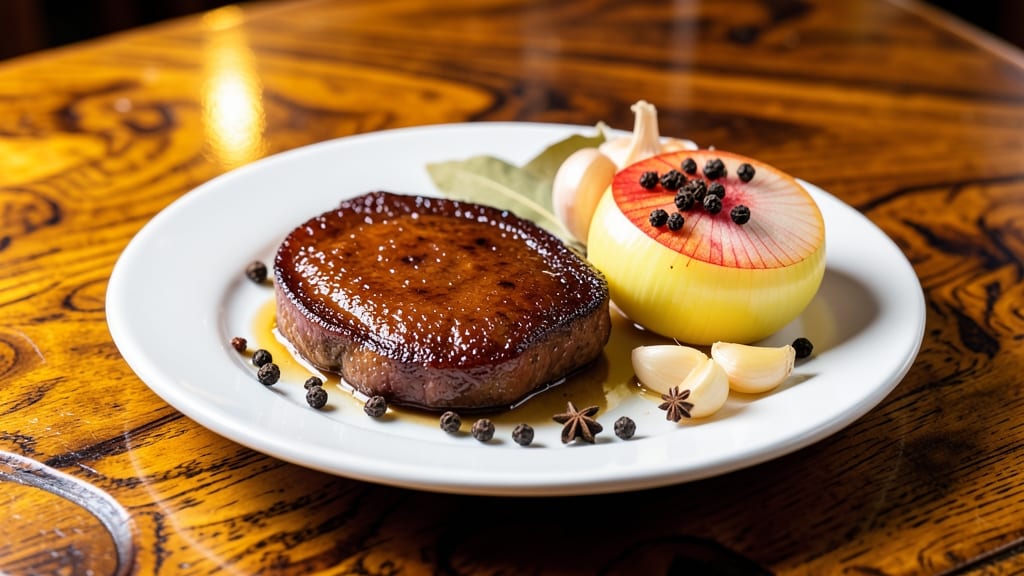
Mastering a boiled beef tongue recipe transforms a humble cut into a showstopping centerpiece that melts in your mouth—no fancy equipment required. The key lies in slow simmering, which breaks down connective tissue into velvety richness while preserving that signature fall-off-the-bone tenderness.
I’ve perfected this method after years of testing, balancing traditional techniques with time-saving shortcuts that still deliver restaurant-quality results.
This recipe begins with thorough soaking to remove impurities, followed by a precise seasoning blend that enhances the tongue’s natural depth. The slow cook transforms tough muscle into tender, jelly-like perfection, while aromatics like bay leaves and peppercorns infuse every bite with subtle complexity.
What you’ll end up with is a dish that’s equal parts impressive and comforting—ideal for special occasions or when you want to elevate a simple meal.
The beauty of boiled beef tongue lies in its versatility. Serve it sliced thinly with tangy mustard, crisp pickles, and buttery mashed potatoes for a classic presentation, or experiment with modern twists like chimichurri or caramelized onions.
The texture alone—juicy yet yielding—makes it unforgettable. Whether you’re cooking for a crowd or treating yourself, this method ensures success every time.
Ready in about 3 hours (including prep), this recipe delivers foolproof results with minimal effort. The secret? Patience and attention to detail—two small investments that yield a dish worthy of any table. Let’s get started on creating your most tender, flavorful beef tongue yet.
Ingredients for boiled beef tongue
Four aromatic sprigs, two pounds of beef, and a slow simmer turn humble ingredients into restaurant-worthy tenderness.
| Ingredient | Amount | Notes |
|---|---|---|
| Beef Tongue 🥩 | 2 lbs | Fresh, whole, cleaned and soaked |
| Bay Leaves 🌿 | 4 whole | Dried, high-quality preferred |
| Black Peppercorns 🌶️ | 1 tbsp | Freshly cracked for aroma |
| Allspice Berries 🍃 | 1 tsp | Whole berries for depth |
| Garlic Cloves 🧄 | 6 cloves | Peeled, lightly crushed |
| Yellow Onion 🧅 | 1 whole | Peeled, halved, root intact |
| Carrots 🥕 | 2 whole | Scrubbed, unpeeled for color |
| Apple Cider Vinegar 🍎 | ½ cup | For initial soaking |
| Kosher Salt 🧂 | ½ cup | Diamond Crystal preferred |
| Fresh Thyme 🌿 | 2 sprigs | Stems removed for flavor |
| Water 💧 | 4 cups | Filtered preferred for clarity |
| Yellow Mustard 🍯 | ¼ cup | For serving, tangy variety |
| Pickle Spears 🥒 | 1 cup | Crisp, for classic pairing |
The beef tongue is the star, so source it fresh from a butcher—look for vibrant color and minimal odor. Costco or Whole Foods often carry high-quality tongues, but local butchers will have the freshest cuts. If you can't find fresh, vacuum-sealed packaged tongue works in a pinch, but pat it dry thoroughly before cooking. The soaking step is non-negotiable—apple cider vinegar and salt draw out impurities, leaving you with a cleaner-tasting result. I always soak mine overnight, but at least 4 hours makes a difference.
No bay leaves? Dried thyme at double the amount works, though it won't match the complexity. Short on allspice? Cinnamon sticks or cloves add warmth, but reduce to half the quantity. The garlic and onion can be swapped for 1 tbsp garlic powder and 1 tbsp onion powder, though fresh is ideal. For the carrots, baby carrots or parsnips keep the same flavor profile. If you're cooking for a crowd, double the aromatics—they're what infuse the tongue with that signature depth. The mustard for serving? Dijon or whole-grain adds texture, but classic yellow mustard is foolproof.
This dish tastes even better the next day, so plan ahead. Store cooked tongue in its broth, covered, in the fridge for up to 5 days. For longer storage, freeze portions in airtight containers for up to 3 months. When reheating, warm gently in the broth—never microwave directly. Slice thinly against the grain for that signature melt-in-your-mouth texture. I always keep a jar of the cooking liquid in the fridge too—it makes an incredible gravy or sauce base.
Why You'll Love This Recipe
- Two-Ingredient Core: Honestly, the prep is that simple: just the tongue, water, and those whole spices tucked into the seam. No chopping, no peeling, no fancy techniques—just simmer until tender. I’ve made this while scrolling through my phone; it’s that hands-off.
- Rich Umami Bomb: That garlic and allspice? They turn the tongue into something ridiculously good—savory, slightly sweet, with a deep, slow-built warmth. The peppercorns add a tiny kick that lingers, and the bay leaves? They make it taste like a Sunday dinner, even on a Tuesday.
- Leftovers That Shine: Between us, this recipe begs for seconds. Slice the cooked tongue thin and toss it into sandwiches, salads, or even ramen the next day—it’s the star every time. My husband’s a picky eater, but he’ll finish his plate when it’s in there.
- Budget Game-Changer: A whole beef tongue costs less than a pound of steak, and it feeds four easily. The spices? A handful from your pantry. No wasted ingredients, no last-minute grocery runs—just pure, satisfying protein that stretches your dollar without sacrificing flavor.
Step-by-step instructions for slow-simmered beef tongue
Here's how to transform tough beef tongue into melt-in-your-mouth perfection through careful simmering and aromatic layering.
Prepare the Beef Tongue for Maximum Tenderness
Begin by thoroughly cleaning the 2 lbs beef tongue under cold running water, removing any remaining connective tissue or membrane. Rinse it well and pat completely dry with paper towels—this step is critical for even cooking and flavor absorption.
Place the tongue in a large bowl and cover it completely with the 0.5 cup apple cider vinegar. Let it soak for 30 minutes while you prepare your aromatics. This acid treatment helps tenderize the meat by breaking down tough fibers. After soaking, drain the vinegar and rinse the tongue thoroughly under cold water to remove any acidic taste.
Build the Flavor Base for Deep Infusion
In a large stockpot, combine the 4 cups water with the 0.5 cup kosher salt, 4 whole bay leaves, 2 sprigs fresh thyme, 1 tbsp black peppercorns, and 1 tsp allspice berries. Bring this mixture to a gentle boil over medium-high heat, then immediately reduce to a simmer. You want just enough bubbles to maintain movement without vigorous boiling.
Add the 1 whole yellow onion (halved) and 2 whole carrots (scrubbed) to the simmering liquid. These vegetables will contribute natural sweetness and depth to your broth as they cook. Let everything simmer together for 15 minutes to allow the aromatics to meld and infuse the liquid with their flavors.
Simmer the Tongue Until Fork-Tender
Carefully add the prepared beef tongue to the pot, making sure it's fully submerged in the liquid. The tongue should be positioned horizontally to allow even cooking on all sides. Cover the pot with a tight-fitting lid and reduce the heat to maintain a very gentle simmer—you should see just a few small bubbles breaking the surface occasionally.
Simmer the tongue for 3 to 3.5 hours, checking occasionally to ensure it remains submerged. If needed, add hot water as necessary to maintain liquid levels. The tongue is perfectly cooked when it reaches an internal temperature of 195°F and the meat pulls apart easily with a fork—this typically happens around the 3-hour mark, but timing can vary slightly depending on your stove.
Rest and Prepare for Serving
Once the tongue reaches the proper tenderness, remove it from the pot using tongs and transfer it to a cutting board. Let it rest at room temperature for 15 minutes before slicing. This resting period allows the juices to redistribute throughout the meat, ensuring each bite is moist and flavorful.
While the tongue rests, skim any excess fat from the cooking liquid and strain it through a fine-mesh sieve to remove the vegetables and aromatics. This clear, flavorful broth can be used as a base for soups or sauces, or simply enjoyed alongside your sliced tongue. For serving, arrange the sliced tongue on a platter with 1 cup pickle spears and a small bowl of 0.25 cup yellow mustard for dipping.
Pro Tips For Making Boiled Beef Tongue
- SCORE THE TONGUE: Use a sharp knife to cut shallow slits (about 1/4-inch deep) all over the tongue before boiling—this lets the spices and garlic penetrate deeper. I learned this the hard way after serving a tongue that tasted like it was wearing armor.
- SALT THE WATER: Add 1/2 cup kosher salt to the boiling water along with your spices—this seasons the meat from the inside out. Skip this, and you’ll end up with a bland, waterlogged center.
- SIMMER, DON’T BOIL: Once the tongue is submerged, lower the heat to a gentle simmer (small bubbles, not rolling). I used to keep it at a full boil, and the outside would turn rubbery before the inside cooked through.
- CRUSH THE SPICES: Lightly crush the peppercorns and allspice berries with the flat of a knife before adding them—this releases more flavor without turning the broth bitter. Bay leaves stay whole, but the others? Smash ‘em.
Health benefits of this boiled beef tongue
Protein Powerhouse
Beef tongue delivers an impressive 40 grams of protein per 4-ounce serving, making it one of the most protein-dense cuts available. This lean yet satisfying protein supports muscle repair and growth while keeping you full for hours—ideal for meal prep or post-workout recovery.
The slow-cooking process preserves all its natural amino acids without adding unhealthy fats. 💪
Iron-Rich Energy
One serving provides about 3.5mg of iron (20% of your daily needs), which helps transport oxygen throughout your body and prevents fatigue. The iron in beef tongue is heme iron—the most bioavailable form—meaning your body absorbs it more efficiently than plant-based sources.
I notice my energy levels stay steady when I include this dish 2-3 times weekly.
Collagen for Gut Health
The connective tissue in beef tongue breaks down during cooking into gelatin and collagen, which support gut lining repair and joint health. These compounds also promote healthy skin elasticity and hair strength.
The resulting jelly-like texture isn't just delicious—it's packed with these beneficial compounds that most cuts lose during cooking.
B-Vitamin Complex
Beef tongue contains significant amounts of B vitamins, particularly B12 (critical for nerve function) and niacin (which supports metabolism). A single serving provides 60% of your daily B12 needs, making this an excellent choice for vegetarians transitioning to meat or anyone concerned about deficiencies.
These nutrients help convert food into energy efficiently.
Low-Fat, High-Flavor
Unlike fatty cuts like brisket, beef tongue contains minimal saturated fat while delivering maximum flavor. The slow simmering process concentrates its natural umami richness without adding calories.
I appreciate how this dish lets me enjoy hearty, satisfying meals without the guilt—perfect for those watching their fat intake but not their flavor.
Copper for Immunity
This often-overlooked mineral plays a crucial role in immune function and iron metabolism. Beef tongue contains 0.3mg of copper per serving (15% of daily needs), helping your body utilize iron more effectively.
The copper content also supports healthy brain function and energy production, making this dish a nutritional powerhouse beyond just protein. 💡
Nutrition facts
Frequently asked questions
Why does beef tongue need soaking before cooking?
The 30-minute soak in apple cider vinegar removes surface impurities and tough membranes, while the acid helps break down collagen for fall-off-the-bone tenderness. Skipping this step can leave the meat tough and less flavorful.
Can I cook beef tongue in a slow cooker instead of a stockpot?
Use the same method but transfer everything to your slow cooker after the initial 15-minute aromatic simmer. Cook on low for 8-10 hours or high for 5-6 hours, ensuring the tongue stays submerged. The slow cooker's gentle heat works perfectly for this dish.
What's the best way to slice boiled beef tongue?
Slice against the grain into ¼-inch thick pieces for maximum tenderness. Use a sharp knife and work quickly to prevent the meat from drying out. For even slices, freeze the tongue for 15 minutes first—it makes cutting easier.
How do I store leftovers to maintain texture?
Keep cooked tongue in its broth, covered, in the fridge for up to 5 days. For longer storage, freeze in airtight containers for 3 months. Reheat gently in the broth—never microwave directly—to preserve that melt-in-your-mouth quality.
What if my beef tongue tastes too gamey?
Gamey flavor usually means the tongue wasn't properly cleaned or soaked. For future batches, scrub thoroughly under cold water, remove all connective tissue, and soak for at least 1 hour in vinegar. The slow simmer with aromatics should mask any remaining gaminess.