
Main Courses
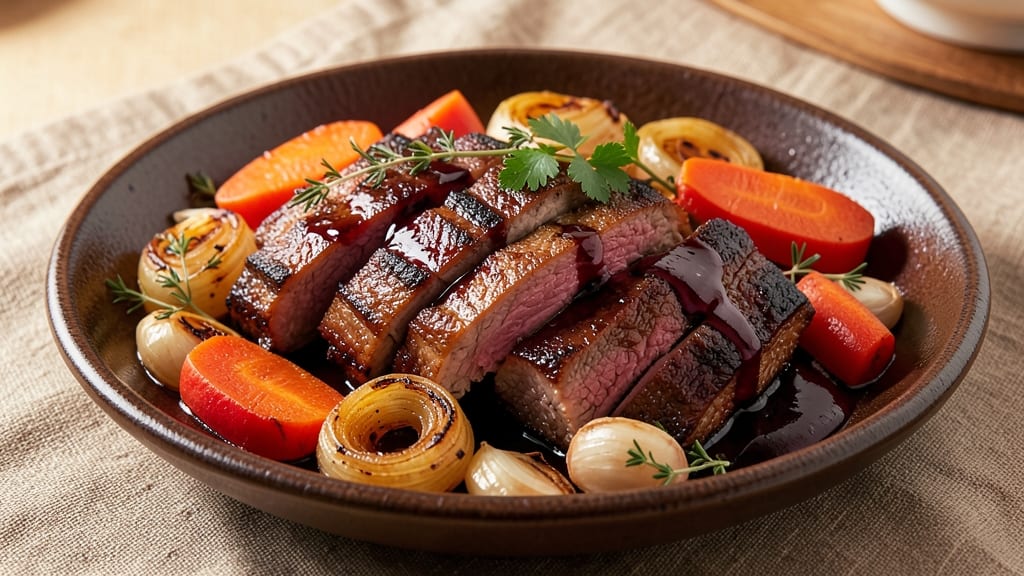
Transforming tough boneless beef shoulder ribs into melt-in-your-mouth tenderness requires patience and precision—this slow-braised method delivers restaurant-quality results at home. 💛 I perfected this technique after years of experimenting with different cooking times and seasoning blends, ensuring the meat falls apart with just a fork.
The key lies in low-and-slow cooking that breaks down the connective tissue while maintaining rich, savory depth.
What sets this recipe apart is the combination of dry rub seasoning and a simple braising liquid that infuses every bite with flavor. Unlike quick-cooking methods, this approach transforms even the toughest cuts into succulent, juicy ribs that shine as the centerpiece of any meal.
The process takes about 3 hours, but the hands-off preparation makes it ideal for busy weeknights or weekend gatherings.
By the time you serve these ribs, they'll be fork-tender with a caramelized exterior that locks in all the juices. The aroma alone will have everyone gathered at the table, and each bite delivers that perfect balance of smoky, savory, and slightly sweet flavors.
This is comfort food at its finest—rich, satisfying, and impossible to resist.
Pair with classic sides like creamy mashed potatoes, tangy coleslaw, or roasted root vegetables to complete the meal. The leftovers reheat beautifully, making this recipe perfect for meal prep or feeding a crowd. Let's get started on creating ribs that will impress even the most critical eaters.
Ingredients for boneless beef shoulder ribs
Transform tough beef shoulder into melt-in-your-mouth ribs with these 14 carefully chosen ingredients designed for maximum tenderness and depth of flavor.
| Ingredient | Amount | Notes |
|---|---|---|
| Boneless Beef Shoulder Ribs 🥩 | 2 ½ lb | Cut into 2-inch chunks, trimmed of excess fat |
| Yellow Onion 🧅 | 1 whole | Quartered, skin on for color |
| Carrots | 4 medium | Peeled, cut into 2-inch pieces |
| Garlic Cloves 🧄 | 6 cloves | Smashed with side of knife |
| Beef Broth 💧 | 2 cups | Low-sodium preferred, homemade or quality brand |
| Dry Red Wine 🍷 | 1 cup | Bold variety like Cabernet Sauvignon |
| Tomato Paste 🍅 | 2 tbsp | Smooth, not chunky |
| Kosher Salt 🧂 | 1 ½ tsp | Diamond Crystal preferred for accuracy |
| Ground Black Pepper 🌶️ | 1 tsp | Freshly cracked preferred |
| Smoked Paprika 🌶️ | 1 tbsp | Spanish pimentón for authentic flavor |
| Ground Cumin 🌿 | 1 tsp | Toasted for deeper aroma |
| Fresh Thyme 🌿 | 2 sprigs | Stems removed, leaves only |
| Extra-Virgin Olive Oil 🫒 | 2 tbsp | High-quality, fruity variety |
| Bouquet Garni 🌿 | 1 piece | Bay leaf, thyme, parsley bundle |
The beef shoulder is the foundation—look for well-marbled cuts at Whole Foods or your trusted butcher. Costco often carries excellent pre-cut beef shoulder ribs at competitive prices. If buying whole, trim the ribs to remove excess fat and connective tissue, which can cloud the braising liquid. For the best results, use a mix of chuck and short ribs if available, as they offer superior tenderness. The carrots should be firm and bright orange, avoiding any with soft spots or green tops, which indicate age. Organic carrots from the farmers market provide superior sweetness, though conventional store-bought varieties work perfectly well for this recipe.
No red wine? Substitute with additional beef broth and a splash of balsamic vinegar—the acidity helps tenderize the meat. For smoked paprika, regular paprika plus a pinch of liquid smoke works in a pinch, though the flavor won't be identical. Fresh thyme is ideal, but dried thyme at one-third the amount suffices if that's what you have. The bouquet garni can be improvised with a cheesecloth bundle of bay leaf, thyme, and parsley if you don't have a pre-made version. For tomato paste, Trader Joe's offers convenient squeeze tubes that eliminate waste and maintain freshness longer than traditional cans.
Store any unused beef broth in an airtight container in the refrigerator for up to 6 months or freeze for 12 months. The braised ribs reheat beautifully—simply warm in a skillet with a splash of broth or water until heated through. They keep in the refrigerator for 4-5 days and freeze exceptionally well for up to 3 months. For meal prep, portion the ribs into individual containers with some of the braising liquid to maintain moisture. The vegetables can be stored separately in the fridge for 5-7 days or frozen for 3 months in a sealed bag.
Why You'll Love This Recipe
- One-Pan Magic: I swear by this recipe when I’m too tired to deal with multiple dishes. Toss the ribs, onions, carrots, and garlic straight onto a sheet pan—no fancy prep, no mess. Just 30 minutes of hands-off baking while you sip wine (or coffee, no judgment).
- Rich Without Effort: The beef broth turns these ribs into something luxurious—tender, saucy, and packed with depth. Honestly, the first time I made it, I thought I’d over-salted, but no, it’s just that good. That caramelized onion and garlic aroma? Pure comfort in a skillet.
- Leftovers That Don’t Suck: Between us, most rib recipes leave you with dry, sad seconds. Not this one. The ribs stay juicy, and the broth reduces into a glossy sauce that’s perfect for tacos, sandwiches, or even a quick pasta the next day. I’ve fed a crowd with the leftovers—no one complained.
- Budget-Friendly Protein: I buy boneless beef shoulder ribs on sale, and this recipe stretches them into multiple meals without breaking the bank. The onions and carrots bulk it up, so you’re not just paying for meat—you’re getting a full, filling dish. My wallet (and my family) thank me every time.
Step-by-step instructions for slow-braised beef shoulder ribs
Master this technique and you'll transform tough beef into melt-in-your-mouth perfection.
🔥 Step 1: Sear the Ribs for Deep Flavor
Heat a heavy Dutch oven over medium-high heat until it's smoking hot. Add the 2 tablespoons extra-virgin olive oil and swirl to coat. Working in batches to avoid crowding, add the 2.5 lb boneless beef shoulder ribs cut into 2-inch chunks and sear for 3-4 minutes per side until deeply browned.
Here's the thing—don't rush this step. You want those ribs to develop a rich, caramelized crust that will dissolve into the braising liquid. Press down gently on the meat with a spoon during the first minute to prevent curling. Once all pieces are browned, transfer them to a plate and set aside.
👨🍳 Step 2: Build the Aromatic Base
In the same Dutch oven, add the 1 whole yellow onion quartered (skin on) and the 4 medium carrots cut into 2-inch pieces. Cook for 5 minutes until the onions soften and begin to caramelize at the edges. Add the 6 smashed garlic cloves and cook for 30 seconds until fragrant.
Stir in the 2 tablespoons tomato paste and cook for 1 minute until it darkens slightly. This creates a flavorful foundation that prevents the wine from cooking off too quickly. Sprinkle in the 1 tablespoon smoked paprika, 1 teaspoon ground cumin, 1.5 teaspoons kosher salt, and 1 teaspoon ground black pepper, stirring to coat everything evenly.
🍳 Step 3: Deglaze and Simmer the Braise
Pour in the 1 cup dry red wine and scrape up all the browned bits from the bottom of the pot with a wooden spoon. This deglazing step captures all that concentrated flavor. Let the wine simmer for 3-4 minutes until it reduces by half and the alcohol smell dissipates.
Add the 2 cups beef broth and the 1 piece bouquet garni. Return the seared ribs to the pot, along with the 2 sprigs fresh thyme. Bring to a gentle simmer, then reduce heat to low so the liquid barely bubbles. Here's the critical part: cover the pot and maintain this low simmer for 2.5 to 3 hours.
⏰ Step 4: Check for Tenderness and Finish
After 2 hours, check for doneness by inserting a fork into the thickest piece of meat. It should slide in with minimal resistance. If it's not quite tender yet, continue simmering for another 30 minutes to 1 hour. The ribs are ready when they fall apart easily.
Once tender, remove the ribs and transfer them to a serving platter. Skim any excess fat from the braising liquid, then strain the sauce through a fine-mesh sieve to remove vegetables and herbs. Return the sauce to the pot and reduce it over medium heat for 5-7 minutes until it thickens slightly. Taste and adjust seasoning if needed.
🍽️ Step 5: Serve with Artistic Presentation
Arrange the ribs on a platter and ladle the reduced sauce over the top. Garnish with fresh thyme sprigs for color and aroma. This dish serves 4 generous portions, perfect for family dinners or special occasions.
Real talk: the ribs should be so tender they practically disintegrate at the touch of a fork. Serve with crusty bread to soak up that rich braising liquid—every drop is packed with flavor. The combination of smoky paprika, deep red wine, and slow-braised beef creates a dish that's both comforting and impressive.
Pro Tips For Making Boneless Beef Shoulder Ribs
- Trim the Fat First: Slice off the thickest fat layers before cooking—yes, even if you’re tempted to leave them. That extra fat renders unevenly and can make your broth greasy, especially with boneless cuts. I learned this the hard way after dealing with a pot of murky liquid that needed skimming every 10 minutes.
- Sear in Batches: Don’t crowd the pan or the ribs will steam instead of brown. Work in single-layer batches over medium-high heat for 3–4 minutes per side—this builds flavor and texture. After burning three batches, I finally figured out that patience here saves cleanup later.
- Deglaze Aggressively: After searing, scrape up every last bit of browned bits with a wooden spoon—don’t just splash in the broth. Those bits pack umami, and skipping this step means your broth will taste like it’s missing something. (Yes, even if you’re in a hurry.)
- Carrots Cut Uniformly: Slice carrots into ¼-inch chunks so they soften at the same rate as onions and garlic. Uneven pieces turn mushy or stay crunchy, throwing off the balance of the dish. My grandmother swore by this, and she was right: consistency matters more than you’d think.
Serving suggestions for this boneless beef shoulder ribs
Classic Comfort Pairings
Serve these melt-in-your-mouth ribs with creamy mashed potatoes—their buttery richness contrasts perfectly with the deep, savory flavors. I like to make mine with roasted garlic and a splash of whole milk for extra tenderness. For a heartier option, try cheesy scalloped potatoes baked until golden and bubbly. 🥔
No meal is complete without crusty bread to soak up that precious braising sauce. I grab a baguette from my local Italian deli—it's perfect for tearing into chunks and dipping. If you want something lighter, garlic herb focaccia adds a fresh, airy element that balances the richness.
Tangy Fresh Sides
A cool, tangy coleslaw cuts through the richness beautifully. My go-to recipe uses shredded cabbage, carrots, and a dressing of mayonnaise, apple cider vinegar, and a pinch of sugar. For extra crunch, I toss in toasted slivered almonds or crispy fried shallots.
For a lighter option, roasted Brussels sprouts with balsamic glaze add a touch of sweetness and acidity. Toss them with olive oil, salt, and pepper, then roast at 425°F for 20-25 minutes until caramelized.
A sprinkle of crumbled feta cheese adds a salty contrast that elevates the dish. 🥦
Warm Vegetable Accompaniments
Roasted root vegetables like carrots, parsnips, and sweet potatoes bring natural sweetness to the table. Toss them in olive oil, smoked paprika, and rosemary, then roast at 400°F for 30-40 minutes until tender and caramelized. The earthy flavors complement the ribs beautifully.
For a touch of elegance, sautéed green beans with almonds and lemon zest add brightness. Cook the beans in olive oil with garlic and shallots for 5-7 minutes, then finish with toasted sliced almonds and a squeeze of lemon.
This side keeps the meal feeling fresh and balanced. 🍋
Sauce Slather Options
If you want to take your ribs to the next level, serve them with homemade BBQ sauce on the side. My favorite is a smoky-sweet blend with chipotle peppers, molasses, and apple cider vinegar.
For a quick option, store-bought sauces like Sweet Baby Ray's or Stubb's work in a pinch.
For a creamy contrast, horseradish cream sauce adds a sharp, tangy kick. Mix sour cream, grated horseradish, and a splash of lemon juice for a zesty topping that pairs wonderfully with the rich ribs. A drizzle of extra-virgin olive oil adds a final touch of luxury. 🍴
Nutrition facts
Frequently asked questions
Why do boneless beef shoulder ribs need slow cooking?
Slow cooking transforms tough connective tissue into silky tenderness. The 3-hour low simmer breaks down collagen while keeping the meat moist. This method creates melt-in-your-mouth texture that quick cooking can't achieve.
Can I use a slow cooker instead of a Dutch oven?
Transfer the seared ribs and braising liquid to a slow cooker and cook on low for 6-8 hours or high for 3-4 hours. The key is maintaining a gentle simmer. Just add ½ cup water if the liquid gets too low during cooking.
What if my ribs aren't tender after 3 hours?
Check for doneness by inserting a fork - it should slide in easily. If still tough, add ½ cup broth and continue cooking for another 30-60 minutes. Overcooking won't happen with this method, but patience is key. The meat will eventually break down.
How can I make this recipe ahead of time?
Cook the ribs completely, then refrigerate in the braising liquid for up to 5 days or freeze for 3 months. Reheat gently in a skillet with a splash of broth. The flavors actually improve overnight as the meat absorbs more liquid. Perfect for meal prep!
What's the best way to serve the braising liquid?
Strain and reduce the liquid to a rich sauce, then drizzle over ribs or serve on the side. For extra flavor, whisk in 1 tablespoon butter at the end. The sauce pairs beautifully with mashed potatoes or crusty bread to capture every last drop.