
Main Courses
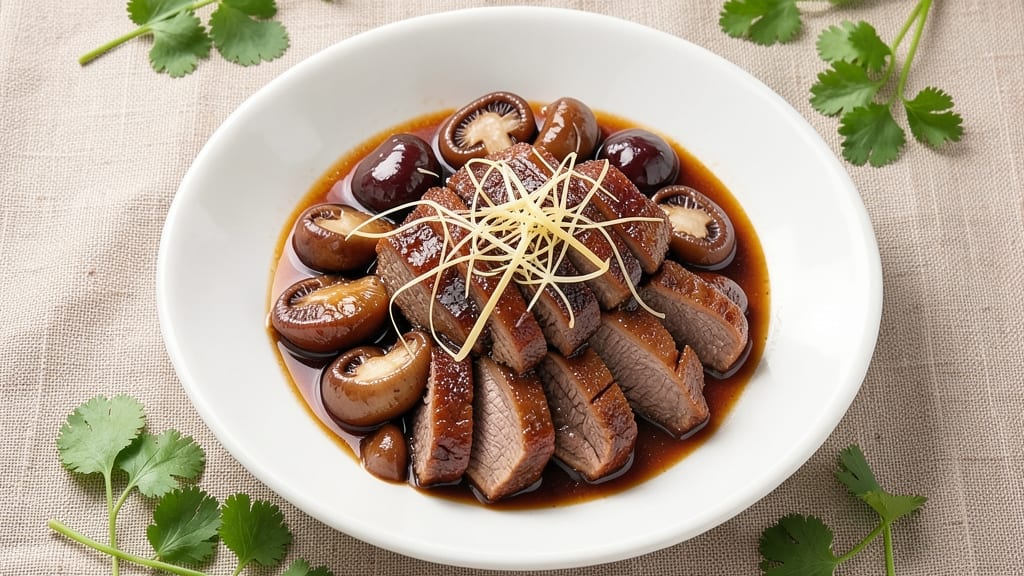
This Cantonese braised beef brisket recipe reveals how a few simple steps unlock the deep, velvety flavors that turn tough brisket into irresistible tenderness.
This traditional recipe relies on a deep soy sauce base, balanced with sugar and spices, to create a sauce so flavorful it clings to every bite.
After years of perfecting the technique, I’ve found the key lies in patience—letting the beef braise for hours until it’s tender enough to shred with a fork.
The process begins with marinating the beef in soy sauce, Shaoxing wine, and aromatics, which infuses the meat with layers of umami and caramelized depth. A pressure cooker adaptation cuts the time in half without sacrificing texture, making this dish accessible for busy weeknights while still delivering restaurant-quality results.
The sauce thickens as it simmers, developing a glossy finish that coats each piece of beef.
What you’ll end up with is a dish that’s deeply savory, slightly sweet, and irresistibly tender—ideal for serving over steamed jasmine rice or alongside stir-fried bok choy.
The aroma alone will have everyone gathering at the table, and the first bite delivers that perfect balance of soy, sugar, and slow-cooked beef that defines Cantonese comfort food. This is the kind of meal that tastes even better the next day.
Whether you’re preparing for a family dinner or meal prepping for the week, this braised beef brisket delivers foolproof, restaurant-worthy results with minimal effort. The sauce keeps well for up to five days, making it a versatile centerpiece for any occasion. Let’s get started on creating this timeless classic.
Ingredients for cantonese braised beef brisket
Authentic Cantonese flavors begin with these carefully selected ingredients, each playing a crucial role in transforming tough brisket into velvety perfection.
| Ingredient | Amount | Notes |
|---|---|---|
| Beef Brisket 🥩 | 2 lb | Flank or point cut preferred |
| Dark Soy Sauce 🥄 | ½ cup | Kikkoman preferred for authenticity |
| Light Soy Sauce 🥄 | ¼ cup | For balanced umami depth |
| Shaoxing Wine 🍷 | ¼ cup | Substitute with dry sherry |
| Brown Sugar 🍯 | ½ cup | Packed, for caramelization |
| Garlic Cloves 🧄 | 6 cloves | Peeled, smashed for infusion |
| Fresh Ginger 🌿 | 2 tbsp | Finely grated, aromatic |
| Scallions 🧅 | 3 whole | White and green parts separated |
| Star Anise 🌟 | 2 whole | For subtle licorice aroma |
| Cinnamon Stick 🌿 | 1 whole | 2-inch length preferred |
| Bay Leaves 🌿 | 2 whole | Fresh preferred for depth |
| Cornstarch 🌾 | 1 tbsp | For sauce thickening |
| Jasmine Rice 🍚 | 2 cups | Uncooked, for serving |
| Sesame Oil 🫒 | 1 tsp | Toasted, for finishing |
| Green Onions 🧅 | ¼ cup | Chopped, for garnish |
The beef selection is critical—point cut brisket delivers optimal tenderness, though flank works in a pinch. Whole Foods Market or Asian grocery stores carry the best cuts for this dish. For soy sauce, Kikkoman dark and light provide the perfect balance of umami and depth. Shaoxing wine, if unavailable, can be substituted with dry sherry or mirin without compromising authenticity. The ginger should be freshly grated—pre-minced loses its aromatic punch. Star anise and cinnamon add subtle complexity; spice merchants like Burlap & Barrel offer high-quality whole spices essential for this recipe.
No Shaoxing wine? Dry sherry or mirin bridges the flavor gap effectively. Brown sugar can be swapped for white sugar or honey, though caramelization will differ slightly. Fresh ginger unavailable? Powdered ginger at one-third the amount works, but texture suffers. Scallions can be replaced with green onions or shallots, though scallions provide the most delicate flavor. For a quicker version, pressure cooking reduces time by half while maintaining texture. The sauce thickens naturally as it simmers, but cornstarch slurry ensures proper consistency. Garnish with toasted sesame oil for that final aromatic touch.
This dish develops deeper flavor overnight—reheat gently in the sauce for best results. Store in an airtight container in the refrigerator for up to 5 days, or freeze for 3 months in sauce-covered portions. The sauce thickens further when chilled, so add a splash of water when reheating. Serve over steamed jasmine rice to complement the rich beef and velvety sauce. Leftovers make excellent lunches or rice bowl toppings for days to come.
Why You'll Love This Recipe
- One-Pot Magic: I swear by this recipe because it’s all in one pot—no chopping mountains of veggies, no fussy layers. Just sear the brisket, toss in the braising liquid (dark soy, light soy, Shaoxing wine—chef’s kiss), and let it melt-in. The brisket practically falls apart when you fork it, and the sauce? Sticky, glossy perfection.
- Umami Bomb: Between the dark soy’s deep richness and that Shaoxing wine cutting through the sweetness, every bite is ridiculously balanced. The brown sugar caramelizes into the beef, giving it this glossy, slightly sticky crust that’s impossible to resist. Honestly, it’s the kind of flavor that makes you close your eyes and sigh.
- Budget Hero: Brisket is cheaper than most cuts, and a single pound stretches across meals for days. The soy sauces and Shaoxing wine add depth without breaking the bank, and you’re not sacrificing flavor for pennies. Between us, this is the kind of dish that makes grocery day feel like a win.
Step-by-step instructions for Cantonese braised beef brisket
Mastering this technique delivers melt-in-your-mouth brisket with a glossy, caramelized sauce every time.
Prepare the Brisket and Aromatics
Begin by trimming any excess fat from the 2 lb beef brisket, leaving a thin layer for flavor. Cut the brisket into two even pieces if it's particularly large, ensuring uniform cooking. In a small bowl, combine the 6 cloves garlic cloves (peeled and smashed), 2 tbsp fresh ginger (finely grated), white parts of the 3 whole scallions (chopped), 2 whole star anise, 1 whole cinnamon stick (2-inch length), and 2 whole bay leaves. This aromatic blend forms the flavor foundation.
Real talk: The star anise and cinnamon stick are non-negotiable—they provide that unmistakable Cantonese depth. If you skip them, you'll miss the subtle licorice and spice notes that define this dish. The ginger and garlic should be fresh; any hint of bitterness or mustiness will compromise the final result.
Sear and Deglaze the Brisket
Heat a heavy-bottomed Dutch oven over medium-high heat until very hot. Add the brisket pieces and sear for 3-4 minutes per side until they develop a deep brown crust. This step is critical—it locks in flavors and creates the Maillard reaction that forms the sauce's rich foundation. Remove the brisket and set it aside on a plate.
Immediately pour in the 0.5 cup dark soy sauce and scrape the bottom of the pot vigorously with a wooden spoon, collecting all the browned bits. These bits, called fond, are packed with flavor. Add the aromatic blend you prepared earlier and stir for 30 seconds until fragrant. This deglazing step extracts maximum flavor from the seared brisket.
Simmer the Brisket in the Flavorful Base
Return the brisket to the Dutch oven. Add the 0.25 cup light soy sauce, 0.25 cup shaoxing wine, and 0.5 cup packed brown sugar. The wine should sizzle slightly upon contact with the hot pot—this is your signal that the heat is right. Bring the mixture to a gentle simmer over medium heat, then reduce to low. Cover partially with a lid, leaving a small gap for steam to escape.
Simmer for 1.5 hours, turning the brisket occasionally to ensure even cooking. The sauce should gradually reduce and thicken, developing a glossy sheen. Here's the thing—don't rush this step. The slow simmering breaks down the connective tissue in the brisket, transforming it into tender, fork-tender perfection. If the sauce reduces too quickly, add 2-3 tablespoons of water to maintain moisture.
Thicken and Finish the Sauce
After 1.5 hours, the brisket should be tender enough to pierce with a fork but still firm to the touch. Remove the brisket and set it aside on a cutting board. In a small bowl, whisk together the 1 tbsp cornstarch with 2 tablespoons of water to form a smooth slurry. Slowly pour this mixture into the simmering sauce while stirring constantly.
Simmer for an additional 2-3 minutes until the sauce thickens to a glossy, coatable consistency. The sauce should cling to the back of a spoon without being overly thick. At this point, add the green parts of the 3 whole scallions (chopped) and the 0.25 cup chopped green onions. Stir gently to incorporate. The sauce should now have a rich, caramelized appearance with deep reddish-brown hues.
Serve with Jasmine Rice
Return the brisket to the Dutch oven and let it absorb the thickened sauce for the final 5 minutes of cooking. This ensures every bite is infused with flavor. Cook the 2 cups jasmine rice according to package instructions, fluffing it gently with a fork when done. To finish, drizzle 1 tsp toasted sesame oil over the rice and toss lightly.
Slice the brisket against the grain into thin strips for easy eating. Serve the brisket over the jasmine rice, ladling the rich sauce generously over the top. Each bite should deliver tender, flavorful brisket with a glossy, slightly sweet-savory sauce that clings perfectly to the rice. The aroma of star anise and cinnamon should linger enticingly with every mouthful.
Pro Tips For Making Cantonese Braised Beef Brisket
- Parboil First: DESCRIPTION: Skip the raw beef straight into the braise—blanch the brisket for 3–4 minutes first. I learned this the hard way when my first batch turned out tough; the quick boil relaxes the fibers so the soy sauce and Shaoxing wine can work their magic later.
- Balance the Soy: DESCRIPTION: Use twice as much light soy sauce as dark—about 2 tablespoons dark to 4 tablespoons light. Dark soy adds color, but light soy carries the umami depth. My grandmother swore by this ratio, and she was right: the sauce won’t taste bitter or one-note.
- Deglaze Aggressively: DESCRIPTION: After searing the beef, don’t just splash in the wine—scrape every last bit of browned bits from the pot with a wooden spoon. Those bits hold the flavor, and skipping this step means a weaker sauce. (Yes, even if you’re impatient like me.)
- Simmer Low and Long: DESCRIPTION: Cover the pot and simmer at a bare simmer—you should see tiny bubbles, not a rolling boil. I used to rush this, and the beef turned out mushy. Let it cook for 2–2.5 hours; the sugar will caramelize, and the beef will melt like butter.
Serving suggestions for this recipe
Jasmine Rice Pairing
Steamed jasmine rice is the classic foundation for this dish—its delicate floral aroma complements the deep umami of the braised beef beautifully. Cook 2 cups of uncooked rice using a 1:1.25 rice-to-water ratio in a rice cooker or pot.
For extra fluffiness, add 1 tsp toasted sesame oil to the rice while cooking. The rice should be tender but still firm, providing the perfect neutral base to soak up the rich sauce. 🍚
Stir-Fried Vegetables
Bright, crisp vegetables cut through the richness of the braised beef. Try stir-fried bok choy or Chinese broccoli—both pair perfectly with the dish.
Blanch 2 bunches bok choy in boiling water for 30 seconds, then stir-fry with 1 tbsp garlic, 1 tsp ginger, and a splash of light soy sauce until tender-crisp. The slight bitterness balances the sweet-savory sauce.
Quick Pickled Vegetables
A tangy crunch adds freshness to the meal. Quick-pickle ½ cup thinly sliced cucumbers and ¼ cup shredded carrots in a mixture of 2 tbsp rice vinegar, 1 tsp sugar, and a pinch of salt for 15 minutes.
The acidity refreshes your palate between bites of rich beef. Garnish with sesame seeds for texture.
Egg Drop Soup
For a complete Cantonese meal, serve a light egg drop soup on the side. Simmer 4 cups chicken broth with 1 tsp ginger, 1 clove garlic, and 1 star anise until fragrant.
Slowly drizzle in 2 beaten eggs while stirring gently. Top with green onions and a drizzle of light soy sauce for a comforting contrast to the hearty beef. 🥄
Dumplings or Potstickers
Add interactive fun to your meal with steamed or pan-fried dumplings. Use store-bought wrappers filled with ground pork, cabbage, and soy sauce, or make potstickers with a crispy bottom.
Serve with a side of duck sauce or sweet chili sauce for dipping. The combination of textures makes every bite exciting.
Garnish Like a Pro
Elevate your plating with simple garnishes. Sprinkle chopped green onions and toasted sesame seeds over the beef and rice for color and crunch. Drizzle with a final touch of toasted sesame oil right before serving—this adds an aromatic finish that ties all the flavors together.
Presentation matters, especially for a dish this flavorful! ✨
Nutrition facts
Frequently asked questions
Can I use flank steak instead of brisket for this recipe?
The recipe is designed for brisket, but flank steak will work if cut into thin strips first. Flank has less connective tissue, so it won't become as tender when braised. For best results, marinate it for 2 hours instead of 1 and reduce the braising time to 45-60 minutes. The sauce will still cling beautifully, but the texture will be more firm.
What's the difference between dark and light soy sauce in this dish?
Dark soy sauce adds color and depth, while light soy sauce provides pure umami flavor. The recipe uses both to balance richness and complexity. Dark soy sauce has a thicker, molasses-like consistency and caramelized notes, while light soy sauce is thinner and more salty. Never substitute both with just one type—it will alter the sauce's appearance and flavor profile.
Why does the brisket need to be seared first?
Searing creates the Maillard reaction, which develops deep, nutty flavors in the crust. This step locks in juices and builds the foundation for the rich sauce. If you skip it, the beef will absorb too much of the braising liquid and become bland. A hot Dutch oven is critical—if it's not smoking when you add the beef, let it heat longer.
Can I make this recipe in a slow cooker?
Brown the beef first, then transfer everything to a slow cooker. Cook on low for 6-8 hours or high for 4-5 hours. The sauce will thicken naturally. For extra richness, add 1 tbsp cornstarch mixed with water during the last 30 minutes of cooking. The texture will be slightly softer but still delicious.
What if my sauce is too thin after braising?
Thin sauce happens when the liquid doesn't reduce enough. Remove the beef and simmer the sauce uncovered for 10-15 minutes to evaporate excess liquid. For a quicker fix, mix 1 tbsp cornstarch with 2 tbsp water and stir it into the sauce while simmering until thickened. Never rush this step—thin sauce won't cling to the beef properly.