
Main Courses
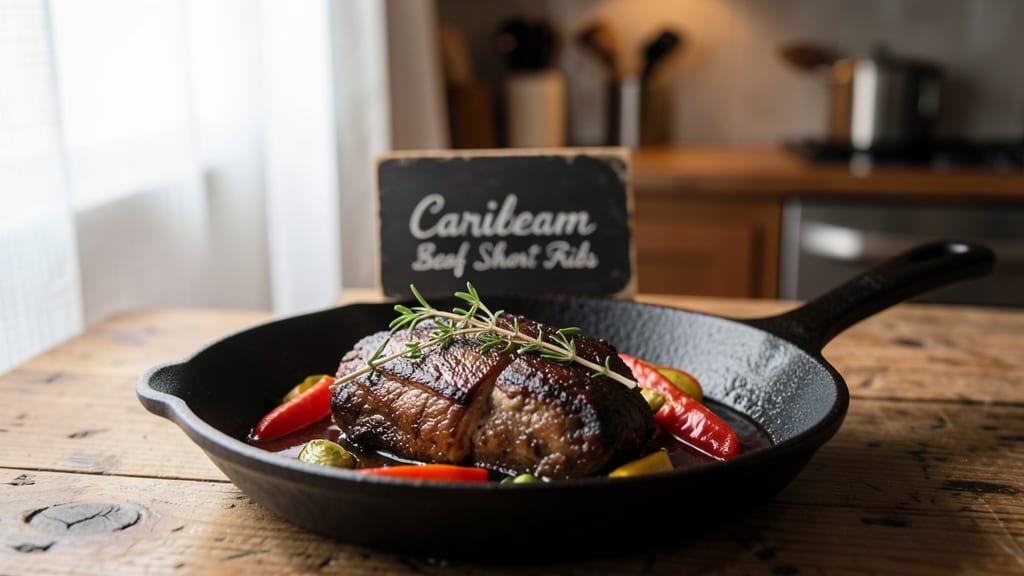
This Caribbean beef short ribs recipe delivers restaurant-quality depth with bold jerk heat and slow-braised tenderness—where smoky allspice meets the tangy kick of Scotch bonnet.
After years of testing, I’ve perfected a marinade that transforms tough ribs into melt-in-your-mouth perfection, balancing traditional Caribbean spices with modern braising techniques for foolproof results. The key lies in the three-day marinade and low-and-slow cooking that unlocks rich, caramelized flavors without requiring a pressure cooker.
The magic begins with a spice rub of thyme, garlic, and soy sauce, followed by a marinade that includes Scotch bonnet (or habanero for heat control) and allspice—essential for that signature Caribbean warmth.
Unlike many recipes, this method uses beef broth and coconut milk for a velvety sauce that clings to every rib, while the slow braise (3 hours at 300°F) ensures the meat falls apart effortlessly.
This isn’t just a dish; it’s a flavor experience that turns weeknights into a taste of Jamaica or Trinidad.
By the time you plate these ribs, you’ll have deeply caramelized edges, tender meat that shreds at the touch, and a sauce so rich it coats every bite. Serve over steamed rice and peas or fried plantains for the full Caribbean spread—where the spices sing and the heat lingers.
The best part? Leftovers reheat beautifully, making this a game-changer for meal prep without sacrificing restaurant-quality taste.
Whether you’re hosting a dinner party or craving a taste of the Caribbean, this recipe delivers authentic flavor with modern convenience. The marinade can be prepped ahead, and the braising happens hands-off, so you’ll spend more time savoring the results than slaving over the stove.
Let’s get cooking—your taste buds will thank you.
Ingredients for caribbean beef short ribs
Caribbean flavors meet slow-cooked perfection with these bold, spice-packed ingredients.
| Ingredient | Amount | Notes |
|---|---|---|
| Beef Short Ribs 🥩 | 3 lb | Bone-in, 2-3 inches thick |
| Fresh Thyme Leaves 🌿 | ½ cup | Stems removed, loosely packed |
| Garlic Cloves 🧄 | 8 cloves | Peeled, roughly chopped |
| Scotch Bonnet Peppers 🌶️ | 2 whole | Seeds removed for mild heat |
| Allspice Berries 🌶️ | 2 tsp | Crushed, ground preferred |
| Ground Ginger 🌿 | 1 tbsp | Freshly ground for best flavor |
| Soy Sauce 🥄 | ¼ cup | Light or dark preferred |
| Beef Broth 💧 | 2 cups | Low-sodium preferred |
| Coconut Milk 🥥 | 1 cup | Full-fat for richness |
| Brown Sugar 🍚 | 2 tbsp | Packed, light brown preferred |
| Extra-Virgin Olive Oil 🫒 | ¼ cup | For searing ribs |
| Diamond Crystal Kosher Salt 🧂 | 1 ½ tsp | For seasoning and marinade |
| Black Peppercorns 🌶️ | 1 tbsp | Freshly cracked |
| Fresh Lime Juice 🍋 | ¼ cup | Freshly squeezed |
| Honey 🍯 | 1 tbsp | Wildflower preferred |
The ribs are the star here—bone-in short ribs with that perfect 2-3 inch thickness for maximum flavor. Grab them from the butcher counter if possible, but the pre-cut ones at Costco or Whole Foods work perfectly too. Look for good marbling and avoid anything with a grayish tint. For the Scotch bonnet peppers, Caribbean markets or well-stocked Latin grocery stores have the freshest ones, but the canned versions in a pinch (drained well) work too. The allspice berries? Penzeys sells them whole, but most grocery stores carry pre-ground if you're in a hurry—just crush a few extra for depth. Fresh thyme from the grocery store's refrigerated section keeps for about a week if you wrap the stems in damp paper towels.
No Scotch bonnet? Habanero works in a 1:1 swap, but reduce the seeds if you want milder heat. Fresh ginger is ideal, but ground works at half the amount—just be sure it's labeled 'freshly ground' on the package. The coconut milk can be swapped for heavy cream or half-and-half if you're not feeling tropical, though it loses that signature richness. For the soy sauce, Kikkoman or Pearl River Bridge are solid choices, but any light or dark soy will do. The beef broth? Homemade is best, but even the low-sodium store-bought stuff works if you add a pinch of salt back in. And if you're watching sugar, reduce the brown sugar to 1 tbsp—it'll still caramelize nicely.
This marinade needs 3 days in the fridge to work its magic, so plan ahead. The ribs themselves keep 3-4 days in the fridge once cooked, and the sauce freezes beautifully for up to 3 months—just thaw in the fridge overnight. I like to portion the ribs into individual meal prep containers with a little extra sauce so they're ready to reheat. The sauce reheats well too, but add a splash of water or broth if it thickens up. Leftovers taste even better the next day as the flavors meld together.
Why You'll Love This Recipe
- One-Pot Magic: I swear by this—just ribs, garlic, thyme, and a splash of Scotch bonnet heat all simmering together. No extra pots, no fuss, and the flavors meld into something ridiculously good with zero cleanup.
- Heat Without Hassle: Between us, the Scotch bonnet peppers pack a punch, but the allspice and thyme soften it into something rich and complex—not just spicy, but layered. Honestly, the first time I made this, I thought I’d overdone it, but my family devoured it anyway.
- Weeknight or Weekend: This dish is my go-to when I need to feed a crowd but don’t want to slave over it. Slow-cook it for a dinner party, or throw it together for a lazy Sunday—it’s forgiving enough that even if you forget to prep, it’ll still taste like you tried.
- Leftovers? More Like Leftovers: I always make double batches because these ribs stay tender for days. Reheat them in a skillet with a little extra sauce, and they’re just as good as day one—no sad, dry meat here. Budget win, too, since ribs are cheaper than steak but feel just as special.
Step-by-step instructions for Caribbean beef short ribs
Here's how to transform tough short ribs into fall-off-the-bone tender Caribbean spice bombs.
Sear the Ribs for Deep Flavor
Pat the 3 lb beef short ribs completely dry with paper towels. Heat a heavy Dutch oven over medium-high heat until smoking hot, then add the 0.25 cup extra-virgin olive oil. Working in batches if needed, sear the ribs on all sides for 4-5 minutes per side until deeply browned with a crust. This step develops the rich, caramelized base for your braise.
Here's the thing—don't rush this. You want that deep golden-brown color that signals the Maillard reaction kicking in. If your pan isn't hot enough, the oil will absorb into the meat instead of creating that gorgeous sear. I like to press down gently on the ribs during the first minute to ensure even contact with the pan.
Build the Spice-Packed Braising Liquid
Remove the seared ribs from the pot and set aside. In the same Dutch oven, add the 8 cloves garlic cloves and 2 whole scotch bonnet peppers (seeds removed) and cook for 1-2 minutes until fragrant. Add the 2 tsp allspice berries and 1 tbsp ground ginger, stirring constantly for 30 seconds to toast the spices and release their aromatic oils.
Deglaze the pot immediately with the 0.25 cup soy sauce, scraping up all those flavorful browned bits from the bottom. This is where the magic happens—those bits contain concentrated flavor that will infuse your ribs. Add the 2 cups beef broth, 1 cup coconut milk, 2 tbsp brown sugar, 1.5 tsp diamond crystal kosher salt, and 1 tbsp black peppercorns, stirring to combine.
Braise Until Fork-Tender
Return the ribs to the pot, bone-side up, and bring the liquid to a gentle simmer. Cover tightly with a lid and transfer to a 325°F oven. Here's where patience pays off—braise for 3 hours, then carefully flip the ribs and continue cooking for another 1-2 hours until they're fork-tender with no resistance.
Real talk: Your oven might run hot, so start checking at the 4-hour mark using an instant-read thermometer. The ribs are done when the internal temperature reaches 205°F and the meat pulls apart easily. If the liquid reduces too much, add a splash of water or broth to maintain moisture. The sauce should coat the back of a spoon with a velvety consistency.
Finish with Tangy Brightness
Remove the ribs from the braising liquid and transfer them to a serving platter. Strain the sauce through a fine-mesh sieve into a clean saucepan, pressing on the solids to extract maximum flavor. Return the sauce to medium heat and stir in the 0.5 cup fresh thyme leaves and 0.25 cup fresh lime juice. Simmer for 3-4 minutes until slightly thickened.
Here's the moment that matters: Swirl in the 1 tbsp honey and taste. The sauce should balance sweet, tangy, and spicy notes. If it needs more depth, add a pinch of diamond crystal kosher salt or a splash of soy sauce. The ribs should glaze beautifully when spooned with this vibrant sauce.
Rest and Serve
Let the ribs rest for 10 minutes before serving. This resting period allows the juices to redistribute, ensuring each bite is moist and flavorful. Serve the ribs smothered in the tangy jerk sauce, accompanied by steamed white rice or roasted plantains to soak up all that delicious liquid.
Don't skip this (I learned the hard way). Skipping the rest means losing precious juices that would otherwise make your ribs even more decadent. The sauce will thicken slightly as it cools, so you can always loosen it with a splash of warm water if needed. Enjoy immediately while the spices are at their peak intensity.
Pro Tips For Making Caribbean Beef Short Ribs
- Brown the Ribs Hard: Don’t skimp on the sear—get that meat blistering golden before adding liquid. I used to rush this step, and the final sauce always tasted flat. Two minutes per side with a hot pan and a splash of oil makes all the difference for flavor.
- Toast the Allspice: Lightly crush the allspice berries in a dry pan for 30 seconds until fragrant. This releases their oils and deepens the Caribbean warmth—skip it, and you’ll just taste dry, underdeveloped spice.
- Handle Scotch Bonnet Carefully: Wear gloves when cutting that pepper—its oils will burn your hands and overpower the dish if you’re not careful. I learned this the hard way after ending up with a mouth full of heat and no ribs.
- Deglaze with Beer or Vinegar: After browning, don’t just splash water in the pan—use a splash of dark beer or apple cider vinegar to lift those caramelized bits. It cuts through the richness and adds a bright, tangy lift that balances the sweetness of the ribs.
Storing and reheating your caribbean beef short ribs
Fridge Storage Tips
Your braised ribs keep beautifully in the fridge for 3-4 days if stored properly. Let them cool completely before transferring to an airtight container—I use glass Pyrex with snap-on lids.
Store the ribs and sauce separately to prevent sogginess, then reheat together. The sauce will thicken slightly when chilled, so add 1-2 tbsp water or beef broth when reheating. 🌡️
Freezer Prep
For longer storage, freeze the ribs and sauce in quart-sized freezer bags with 1-inch headspace—they expand! I like to portion them into individual meal prep containers with a little sauce so you can grab just what you need.
These freeze for up to 3 months without losing texture or flavor. Thaw overnight in the fridge for best results—never microwave directly from frozen.
Reheating Perfection
Stovetop reheating gives the best texture. Place ribs and sauce in a skillet over medium-low heat, cover, and heat for 10-15 minutes until reaching 165°F internal temperature. Add 2 tbsp beef broth if the sauce looks dry.
For microwave reheating, cover with a damp paper towel and heat in 1-minute intervals on 50% power until warmed through. Always check temperature!
Sauce Refresh
The sauce often thickens when reheated. Thin it with 1 tbsp water or broth at a time until it reaches your preferred consistency. For extra brightness, add 1 tsp fresh lime juice or a pinch of allspice before serving.
The sauce reheats beautifully, but I like to add a splash of coconut milk if it separates—it restores that creamy texture instantly. 💛
Meal Prep Magic
This dish is a meal prep superstar! Divide ribs and sauce into 4 portions in glass containers with tight lids. Label with dates—ribs reheat best within 4 days. Store the sauce separately if you're not using it all at once.
When reheating, add a splash of sauce to each portion for extra moisture. The flavors actually deepen overnight, making leftovers taste even better than the first serving!
Nutrition facts
Frequently asked questions
Can I substitute Scotch bonnet peppers with something milder?
For a gentler heat, use 1 habanero pepper (seeds removed) or 2-3 jalapeños instead. If you prefer no heat at all, omit the peppers entirely and add 1 extra teaspoon of allspice for depth. The sauce will still have that tangy Caribbean profile without the kick.
How do I adjust the recipe for a slow cooker?
Transfer the seared ribs and braising liquid to your slow cooker and cook on low for 8 hours or high for 5-6 hours. The ribs are done when they're fork-tender. Finish by straining the sauce, adding thyme and lime juice, then simmering separately for 3-4 minutes to brighten the flavors. The sauce will be thinner, so reduce it slightly on the stovetop if needed.
Why do my ribs turn out tough instead of tender?
This usually happens if they're not cooked long enough or the oven temperature isn't consistent. Use an instant-read thermometer to check for 205°F internal temperature. If your oven runs hot, reduce the temperature to 300°F and add 30-60 minutes to the cooking time. Also, ensure the ribs are fully submerged in the braising liquid to prevent drying.
What are the best sides to serve with these ribs?
Classic Caribbean pairings include steamed white rice and peas, fried plantains, or buttery mashed sweet potatoes. For a lighter option, try coconut lime coleslaw or a simple grilled pineapple salad. The sweetness of the fruit balances the spicy-sweet sauce beautifully.
Can I make this recipe in a pressure cooker?
Yes! After searing, add the ribs and braising liquid to your pressure cooker and cook on high pressure for 60 minutes. Quick-release the pressure, then finish the sauce separately by simmering the strained liquid with thyme and lime juice. The ribs will be tender but slightly less caramelized than with oven-braising.