
Main Courses
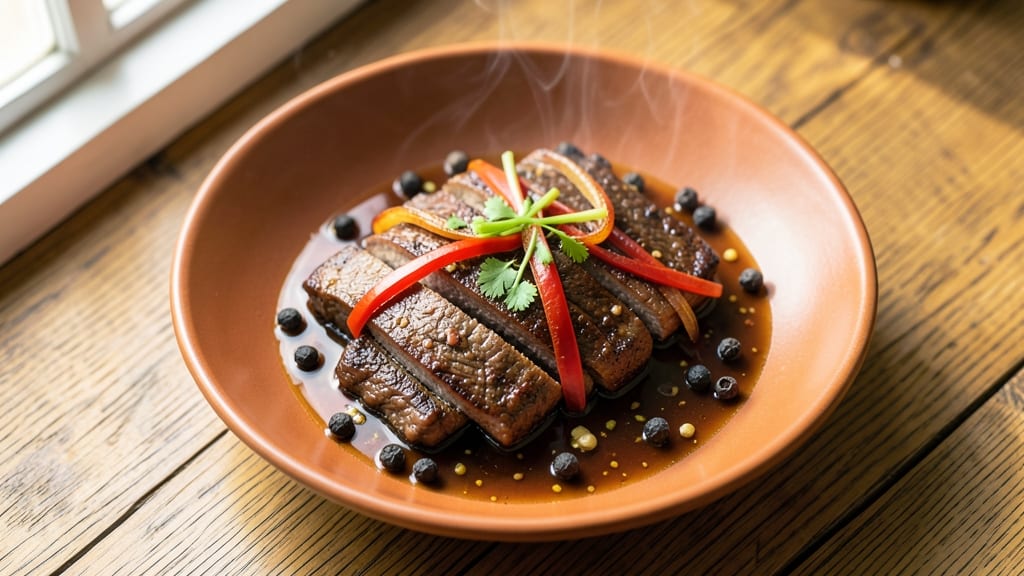
This Chinese beef pepper steak recipe delivers restaurant-quality wok-heated flavor in just 20 minutes—no takeout required. The secret lies in balancing Sichuan peppercorns' signature numbing spice with sweet soy and caramelized onions, creating a dish that's both bold and approachable.
I first made this version after a particularly busy week when I needed dinner fast but refused to compromise on flavor.
The technique is straightforward but critical: high-heat stir-frying transforms thinly sliced beef into tender, flavor-packed strips while developing that coveted wok-hei aroma. We'll use a simple marinade of soy sauce, cornstarch, and a touch of sugar to ensure the beef stays tender yet develops a slight crust.
The sauce—where the magic happens—combines hoisin, oyster sauce, and a splash of rice vinegar for brightness.
By the time you plate this dish, you'll have perfectly caramelized onions, tender beef with just the right amount of spice, and a glossy sauce that clings beautifully. Serve it over steamed jasmine rice or with egg noodles for the full experience.
The best part? Every bite delivers that perfect balance of sweet, spicy, and umami that makes this dish a weeknight staple.
This recipe works equally well for meal prep or a quick weeknight dinner. The flavors actually improve when reheated, making it perfect for leftovers. Let's get cooking—your taste buds will thank you.
Ingredients for chinese beef pepper steak
Restaurant-quality wok-heated flavors start with these 15 ingredients—bold spices, tender beef, and a glossy sauce that clings perfectly.
| Ingredient | Amount | Notes |
|---|---|---|
| Flank Steak 🥩 | 1 ¼ lb | Thinly sliced against grain |
| Sichuan Peppercorns 🌶️ | 1 ½ tbsp | Toasted and ground fresh |
| Yellow Onions 🧅 | 1 whole | Thinly sliced into ribbons |
| Low-Sodium Soy Sauce 🥄 | ⅓ cup | For marinade and sauce |
| Cornstarch 🌾 | 2 tbsp | For tenderizing beef |
| Granulated Sugar 🍯 | 1 tbsp | Balances spice sweetness |
| Hoisin Sauce 🥄 | ¼ cup | For sauce depth |
| Oyster Sauce 🍤 | 2 tbsp | Umami richness |
| Rice Vinegar 🍶 | 1 tbsp | Brightness balance |
| Garlic Cloves 🧄 | 4 cloves | Minced for marinade |
| Sesame Oil 🫒 | 1 tbsp | Finishing aroma |
| Neutral Oil 🫒 | 2 tbsp | High smoke point |
| Green Onions 🧅 | ¼ cup | Sliced for garnish |
| Salt 🧂 | 1 tsp | Kosher preferred |
| Black Pepper 🌶️ | ½ tsp | Freshly cracked |
The flank steak is non-negotiable—it's lean enough to slice thin but still delivers that satisfying bite. Ask your butcher to slice it against the grain (or do it yourself with a sharp knife) for maximum tenderness. I always grab mine from Whole Foods or the meat counter at Trader Joe's—they keep it vacuum-sealed and fresh. For Sichuan peppercorns, Penzeys sells the best whole ones, but any reputable spice shop will have them. Toast them in a dry pan for 2 minutes until fragrant—this releases their signature numbing oils. The onions? Yellow onions are ideal—they caramelize beautifully and won't overpower the dish. If you're in a rush, baby bok choy stems work in a pinch (just slice them thinner).
No Sichuan peppercorns? Substitute 1 tsp ground white pepper plus ½ tsp cayenne for heat, but you'll lose that signature numbing sensation. The soy sauce can be regular or low-sodium—just adjust the salt accordingly. Hoisin sauce is a game-changer here; Lee Kum Kee is my go-to, but any brand works. Short on oyster sauce? Mushroom sauce or even a splash of fish sauce adds umami depth. The cornstarch is crucial—it tenderizes the beef while creating that perfect crust during stir-frying. If you're gluten-free, arrowroot powder works 1:1. For extra brightness, rice vinegar can be swapped with lime juice, though the flavor will shift slightly. The sesame oil? Only add it at the very end—it burns easily and should just perfume the dish.
This dish reheats like a dream—actually tastes better the next day as the flavors meld. Store leftovers in an airtight container for up to 4 days in the fridge, or freeze for 3 months. For meal prep, portion into containers with a little extra sauce to keep everything moist. The Sichuan peppercorns lose potency over time, so toast fresh each time you use them. If you're making this ahead, marinate the beef overnight—it develops deeper flavor. And pro tip: Save the leftover caramelized onions—they're perfect for tacos or fried rice the next day.
Why You'll Love This Recipe
- One-Pan Magic: I swear by this recipe when I’m too tired to scrub pots—just sear the steak, toss in the onions and peppercorns, and let the soy sauce do its thing. The cornstarch slurry? That’s my secret for a glossy, restaurant-style finish without extra bowls.
- Numb & Tingling Bliss: Between us, Sichuan peppercorns are the star here—they start with a sharp bite, then flood your mouth with this weirdly addictive warmth. I’ll be real: my kids think it’s “spicy,” but it’s actually that complex, lingering kick that makes grown-ups nod in approval.
- Lunchbox Hero: This steak holds up perfectly for leftovers—slice it thin, pack it with rice, and it’s my go-to for work lunches. (Yes, even on a Tuesday night.) The onions caramelize just enough to taste fresh, and the soy sauce keeps it juicy for days.
- Budget Power Move: Flank steak is affordable, and a single pound stretches across two meals—dinner tonight, stir-fry tomorrow. Honestly, I make this when I’m pinching pennies because it feels fancy without breaking the bank. Plus, the cornstarch trick makes cheap cuts taste like a splurge.
Step-by-step instructions for Chinese beef pepper steak
Here's how to transform tough flank steak into silky, spicy-sweet perfection in record time.
Create the Marinade and Tenderize the Beef
In a medium bowl, whisk together the 0.33 cup low-sodium soy sauce, 2 tbsp cornstarch, 1 tbsp granulated sugar, 2 tbsp oyster sauce, 1 tbsp rice vinegar, 4 cloves minced garlic cloves, 1 tsp salt, and 0.5 tsp black pepper. The cornstarch acts as a meat tenderizer while balancing the sweet-spicy profile. Add the 1.25 lb flank steak and coat thoroughly, ensuring every slice absorbs the marinade. Cover and refrigerate for at least 30 minutes—this jumpstarts the tenderizing process and infuses maximum flavor.
While the steak marinates, toast the 1.5 tbsp Sichuan peppercorns in a dry skillet over medium heat for 2-3 minutes until fragrant. Immediately grind them with a mortar and pestle or spice grinder. The nutty, tingling heat of Sichuan peppercorns is the secret weapon here—don't skip this step. The freshly ground peppercorns should be slightly oily from their own rendered oils, which will deepen the flavor.
Sear and Stir-Fry the Steak
Heat a wok or large skillet over high heat until smoking, then add the 2 tbsp neutral oil. Once shimmering, add the marinated steak in a single layer, being careful not to overcrowd. Let it sear undisturbed for 1-2 minutes until the edges develop a deep golden crust. This initial sear locks in juices and builds the foundation for that signature wok-hei flavor.
Stir-fry vigorously for 2-3 minutes until the steak reaches medium-rare (about 130°F internal temperature). The high heat and constant motion prevent toughness while creating those beautiful caramelized edges. Here's the thing—don't overcook. You want the steak to finish cooking from residual heat as it rests. Remove the steak to a plate and tent loosely with foil to keep warm.
Build the Signature Sauce
In the same wok, add the 1 whole yellow onions sliced into ribbons. Stir-fry for 1 minute until softened but still vibrant. Add the 0.25 cup hoisin sauce and 1 tbsp sesame oil, scraping up any browned bits from the bottom—this is where all the flavor lives. The hoisin brings that signature deep, slightly sweet complexity that defines this dish.
Pour in 0.5 cup water (just enough to deglaze) and bring to a gentle simmer. Add the ground Sichuan peppercorns and cook for 1 minute until the sauce thickens slightly. The peppercorns should be evenly distributed but still visible—this ensures every bite gets that signature numbing-spicy kick. Taste and adjust seasoning with additional soy sauce if needed, but the sauce should already be perfectly balanced.
Finish and Serve
Return the steak to the wok and toss gently to coat in the sauce, allowing it to heat through for 30-60 seconds. The residual heat will carry the steak to perfect doneness while absorbing the fragrant sauce. Here's where it gets exciting—garnish immediately with the 0.25 cup sliced green onions and an extra drizzle of 1 tbsp sesame oil for that restaurant-quality finish.
Serve immediately over steamed jasmine rice or noodles, ensuring each bite delivers that perfect marriage of tender beef, sweet-spicy sauce, and aromatic Sichuan peppercorn heat. The dish should smell like a bustling Chinese wok kitchen—smoky, spicy, and irresistibly savory. This isn't just a recipe; it's a flavor experience that comes together faster than you'd expect, with results that rival your favorite takeout spot.
Pro Tips For Making Chinese Beef Pepper Steak
- Slice Against the Grain: Flank steak’s tough fibers run diagonally—cutting perpendicular to those lines guarantees each bite melts like silk. I used to ignore this and ended up with chewy, disappointing mouthfuls. Spend the 5 minutes aligning your knife strokes properly; your jaw will thank you.
- Toast the Sichuan Whole: Crush half the peppercorns for the sauce, but toast the rest whole in a dry pan for 30 seconds until fragrant. That nutty aroma carries the dish. I learned this the hard way—skipping it left the flavor one-dimensional, like a shadow of the real thing.
- Marinate for 20 Minutes: Don’t rush the soy-cornstarch slurry—let the steak soak for at least 20 minutes before cooking. This isn’t just about flavor; it’s about the cornstarch clinging to the meat so it sears into a glossy, caramelized crust instead of dissolving into the pan. (Yes, even if you’re impatient like me.)
- Use Two Heat Zones: Sear the steak over direct flame for 2 minutes per side, then finish with low residual heat in the same pan. The residual heat cooks the meat evenly without overpowering the Sichuan kick. I was skeptical until I tried it—now I won’t cook it any other way.
Troubleshooting perfect results
Steak Too Tough?
If your beef turns out chewy instead of tender, it's likely one of two issues: either the marinade didn't work its magic or the heat wasn't high enough. First, make sure you're slicing the steak against the grain—this shortens the muscle fibers and makes each bite more tender.
I can't stress this enough: never slice with the grain or you'll end up with rubbery meat. Also, don't overcook—medium-rare is ideal for this dish. Use an instant-read thermometer to check for 130°F internal temperature before removing from heat. 🌡️
Sauce Too Thin?
The sauce should coat the back of a spoon but still allow the beef to shine. If it's too watery, you likely added too much liquid during deglazing. The recipe calls for just 0.5 cup water—measure carefully!
For a thicker sauce, reduce it by simmering uncovered for 1-2 minutes over high heat. Stir constantly to prevent burning. I've found that cornstarch slurries (mix 1 tsp cornstarch with 1 tbsp water) work wonders as a last-minute thickener if needed.
Spice Level Off?
Sichuan peppercorns are tricky—they need to be toasted and freshly ground for maximum potency. If your dish lacks that signature numbing heat, you might've used pre-ground peppercorns (which lose flavor quickly) or didn't toast them long enough.
For extra kick, add ½ tsp cayenne pepper or a pinch of ground white pepper to the sauce. Remember, the peppercorns should be visible but evenly distributed in the sauce—this ensures every bite gets that signature tingling sensation. 🌶️
Wok-Hei Missing?
That smoky, charred aroma (wok-hei) comes from high, dry heat and proper technique. If your dish lacks it, you're likely not using enough oil or your pan isn't hot enough. Heat your wok or skillet over high heat until it's smoking before adding oil.
I use a cast-iron wok for best results—it retains heat exceptionally well. Also, work quickly and avoid overcrowding the pan. If you're using a regular skillet, preheat it for 5 minutes before cooking to mimic wok temperatures.
Onions Too Raw?
Caramelized onions should be soft, golden, and slightly sweet—not al dente. If yours are still crisp, you didn't cook them long enough. Stir-fry them for 2-3 minutes until they're translucent and just starting to brown at the edges.
For extra sweetness, add 1 tsp brown sugar to the onions while they cook. Pro tip: Slice onions into thin ribbons (not chunks) for even cooking. If you're short on time, quick-pickled onions (toss sliced onions with 1 tbsp rice vinegar and 1 tsp sugar) add brightness without caramelizing. 🧅
Sauce Too Sweet?
The balance of sweet, spicy, and umami is what makes this dish sing. If your sauce tastes cloyingly sweet, you likely used too much hoisin or sugar. Tame the sweetness by adding 1 tsp rice vinegar or ½ tsp freshly cracked black pepper to brighten the flavors.
For a more savory profile, increase the oyster sauce by 1 tbsp. Remember, the sugar in the marinade should complement, not overpower—the beef's natural flavors. Taste as you go and adjust gradually. 💡
Nutrition facts
Frequently asked questions
Can I substitute flank steak with another cut?
Skirt steak or sirloin work beautifully—just slice them against the grain for tenderness. Flank steak is ideal because it's lean and slices thinly, but avoid tougher cuts like chuck. If using sirloin, trim excess fat first to prevent flare-ups during high-heat cooking.
How do I make this spicier?
For extra heat, add ½ tsp red pepper flakes or 1 tsp chili crisp to the sauce. You can also increase the Sichuan peppercorns to 2 tbsp (toasted and ground) for that signature numbing kick. For a smoky depth, add ¼ tsp smoked paprika to the marinade. Always taste as you go—start conservative and adjust!
Can I make this in an oven instead of a wok?
Yes! Preheat oven to 425°F and sear the beef in an oven-safe skillet for 2 minutes per side, then transfer to the oven for 4-5 minutes to finish. For the sauce, reduce it on the stovetop as usual. The texture will be slightly different (less wok-hei), but the flavors stay intact. Use a cast-iron skillet for best heat retention.
What's the best way to store leftovers?
Store in an airtight container for up to 4 days in the fridge. The flavors actually improve overnight! For freezing, portion into single servings and freeze for up to 3 months. Reheat gently in a skillet with a splash of water to restore moisture. Pro tip: Save the sauce separately to prevent soggy rice or noodles.
Can I use this sauce for other proteins?
This sauce works wonderfully with chicken thighs, tofu, or shrimp! For chicken, marinate for 15 minutes (it's leaner) and cook until 165°F. For tofu, press and pan-fry until crispy before adding the sauce. Shrimp cooks in just 2 minutes—add them last to avoid overcooking. The sauce's balance of sweet-spicy makes it versatile for any protein.