
Main Courses
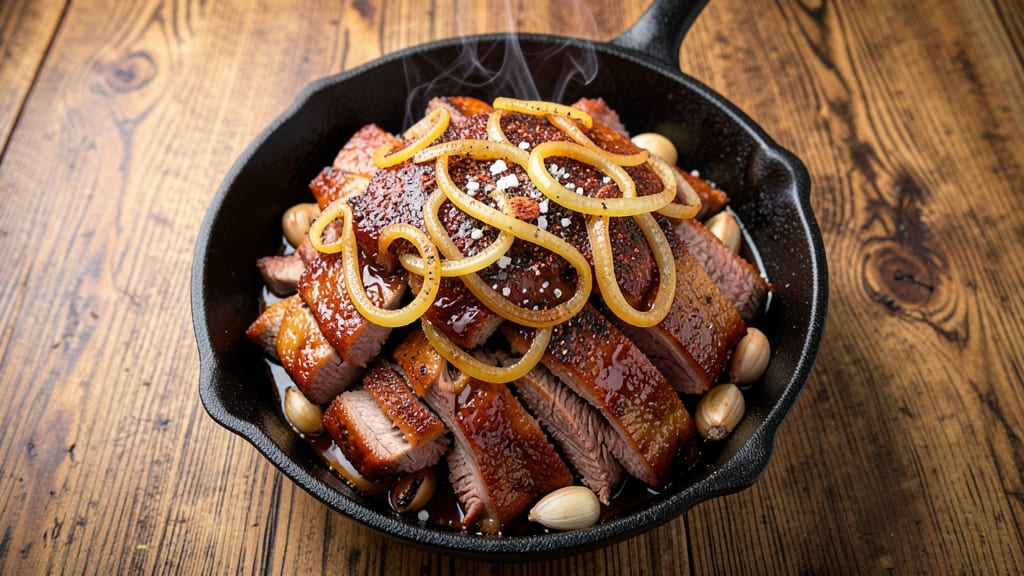
This Dr Pepper beef brisket recipe transforms tough cuts into melt-in-your-mouth perfection by blending Southern BBQ tradition with a bold, sweet twist.
The secret lies in using Dr Pepper—not just as a marinade, but as the backbone of a dry rub that infuses deep caramelized flavors while keeping the meat tender. After years of perfecting this method, I’ve developed a foolproof technique that delivers restaurant-quality results at home, even for beginners.
The process begins with a 24-hour marinade that tenderizes the brisket while building layers of flavor, followed by a low-and-slow cook that ensures fall-apart texture. Unlike traditional brisket recipes, this version incorporates Dr Pepper’s unique blend of spices and sweetness, creating a smoky-sweet crust that’s impossible to resist.
The key is maintaining a consistent internal temperature of 203°F, which guarantees tender, juicy meat every time.
By the time you slice into this brisket, you’ll find layers of smoky depth, caramelized edges, and juicy, fork-tender meat that practically dissolves in your mouth. The Dr Pepper rub adds a subtle sweetness that balances the smokiness, making this brisket stand out from classic recipes.
Serve it with classic sides like cornbread or baked beans to complete the meal—this is comfort food elevated to a new level.
Whether you’re hosting a backyard BBQ or feeding your family a hearty Sunday dinner, this recipe delivers restaurant-quality results with minimal effort. The beauty of this method is its versatility—you can smoke it, grill it, or even slow-cook it in the oven, making it perfect for any cooking setup.
Let’s get started on creating a brisket that’ll have everyone asking for seconds.
Ingredients for dr pepper beef brisket
Six pounds of brisket and a few bold ingredients transform into restaurant-quality smoky-sweet perfection.
| Ingredient | Amount | Notes |
|---|---|---|
| Beef Brisket 🥩 | 6 lb | Packer cut, 1-inch thick |
| Dr Pepper 🥤 | 1 ½ cups | Regular, not diet |
| Yellow Onion 🧅 | 1 whole | Medium, sliced |
| Garlic Cloves 🧄 | 8 cloves | Fresh, minced |
| Brown Sugar 🍚 | ½ cup | Packed, light brown |
| Smoked Paprika 🌶️ | 2 tbsp | High-quality for depth |
| Chili Powder 🔥 | 1 ½ tbsp | Medium heat preferred |
| Ground Black Pepper 🌶️ | 1 ½ tbsp | Freshly cracked |
| Kosher Salt 🧂 | 1 ½ tbsp | Diamond Crystal preferred |
| Apple Cider Vinegar 🍎 | ¼ cup | For marinade tang |
| Worcestershire Sauce 🍶 | 1 tbsp | Lea & Perrins brand |
| Yellow Mustard 🍯 | 1 tbsp | Dijon for extra depth |
| Beef Tallow or Vegetable Oil 🫒 | ¼ cup | For greasing |
| Beef Broth 🍲 | 1 cup | Low-sodium preferred |
The brisket is non-negotiable here—packer cut with good marbling is key for that melt-in-your-mouth texture. I always grab mine from Costco or local butchers who sell whole packers, which gives you the best value. Look for bright red color and visible fat cap—this isn't the time for lean cuts. The Dr Pepper? Regular, not diet—the sweetness and carbonation are what create that signature caramelized crust. I buy the 2-liter bottles from Walmart or Target since they're cheaper than cans and keep perfectly in the pantry.
No Dr Pepper? Cola plus 1 tbsp molasses gets you close, but you'll lose some of that signature depth. The brown sugar can be swapped for white sugar plus 1 tsp cinnamon if you're out, but the molasses adds complexity. For the spices, Penzeys or bulk bins at natural markets give you the freshest, most flavorful options—if your chili powder smells like dust, toss it. The beef broth? Low-sodium is crucial here—you don't want to over-salt your brisket. I make my own by simmering beef bones with onions and celery, but Swanson or Pacific brand work in a pinch.
This brisket tastes even better the next day—plan ahead. Wrap the cooked brisket tightly in butcher paper, then foil, and let it rest for at least 2 hours before slicing. It keeps 5-6 days in the fridge, but freezes beautifully for up to 3 months if you wrap it properly. I portion mine into 1/2-inch slices for easy serving, and the leftovers make amazing sandwiches or tacos. The rub mixture stays fresh for 1 month in an airtight container—double it if you're feeding a crowd.
Why You'll Love This Recipe
- Foolproof Slow Cooker: I swear, this is the only brisket recipe where I don’t stress about timing. Dump everything in—brisket, Dr Pepper, onions, garlic—and walk away. By dinner, it’s fall-apart tender without a single pan to scrub.
- Sweet-Spicy Magic: That Dr Pepper isn’t just a sauce—it’s the secret. The caramel notes from the brown sugar and the fizz’s tang cut through the beef’s richness, while the garlic and onions add this deep savory punch. Honestly, the first bite makes me pause mid-chew.
- Leftovers? More Like Leftovers Party: Between us, this recipe makes way more than I need for one meal. The brisket stays moist for days, and I love shredding it for tacos, sandwiches, or even breakfast burritos. (Yes, even on a Tuesday night.)
- Budget Stretch: A whole brisket for less than $15? With Dr Pepper and pantry staples doing the heavy lifting, this feeds four for under $10 per person. That’s a win for my wallet—and my taste buds.
Step-by-step instructions for Dr Pepper beef brisket
Here's how to transform a tough cut into melt-in-your-mouth perfection using this iconic soda's secret power.
Prepare the Brisket and Create the Marinade
Begin by trimming the 6 lb beef brisket of any excess fat, leaving about ¼ inch of fat cap for flavor and moisture. Place the brisket in a large resealable plastic bag and set it aside. In a medium bowl, whisk together the 1.5 cups Dr Pepper, 0.5 cup packed brown sugar, 0.25 cup apple cider vinegar, 1 tbsp Worcestershire sauce, 1 tbsp Dijon mustard, and 1 cup beef broth until the brown sugar dissolves completely.
This marinade is where the magic happens—the Dr Pepper's caramel notes and acidity tenderize the meat while the brown sugar creates a sticky crust. Pour the marinade over the brisket in the bag, seal it tightly, and massage the bag to ensure the brisket is fully coated. Real talk: don't be shy with the marinade—you want every surface saturated. Refrigerate for at least 12 hours, or up to 24 hours for maximum tenderness. The longer it marinates, the more fall-apart it becomes.
Build the Dry Rub and Sear the Brisket
In a small bowl, combine the 2 tbsp smoked paprika, 1.5 tbsp chili powder, 1.5 tbsp ground black pepper, and 1.5 tbsp kosher salt. This dry rub is what will create that beautiful bark while adding depth of flavor. Remove the brisket from the marinade (reserve the marinade for later) and pat it dry with paper towels—this step is critical for developing a good crust.
Heat a Dutch oven over medium-high heat and add 0.25 cup beef tallow or vegetable oil. Once the oil is shimmering, place the brisket fat-side down in the pot. Press down gently on the brisket during the first minute to prevent curling. Sear for 4-5 minutes per side until you achieve deep brown coloration. Here's the thing—you're not cooking through at this stage, just building flavor. Transfer the brisket to a plate and tent loosely with foil.
Slow Cook Until Probe-Tender
Pour the reserved marinade into the Dutch oven, scraping up all the browned bits from the bottom with a wooden spoon. Add the sliced yellow onion and minced 8 cloves garlic to the pot. Bring the mixture to a simmer, then reduce heat to low and cover. Here's where patience pays off—transfer the Dutch oven to a 275°F oven (or use your slow cooker on low) and cook for 6-8 hours, or until the internal temperature reaches 195°F and a probe slides in like butter.
The reason we cook this low and slow is to break down the tough connective tissues in the brisket. Don't be tempted to check the temperature too often—the temperature will fluctuate with each check. Instead, rely on the probe test for accuracy. The brisket should have a deep mahogany bark on the outside and be fork-tender on the inside. If it's not quite there after 6 hours, give it another hour—rushing this step results in tough meat.
Rest and Slice for Maximum Juiciness
Once the brisket reaches the perfect internal temperature, remove it from the oven and transfer it to a cutting board. Tent loosely with foil and let it rest for at least 30 minutes, or up to 1 hour. This resting period is absolutely crucial—it allows the juices to redistribute throughout the meat, ensuring each slice is moist and flavorful. I know it's hard to wait when that aroma fills your kitchen, but trust me on this.
After resting, slice the brisket against the grain into ¼-inch thick slices. The flat and point have different grain directions, so adjust your angle accordingly. Serve immediately with the pan juices spooned over the top. Each bite should deliver that perfect balance of smoky, sweet, and tangy flavors with melt-in-your-mouth tenderness. The Dr Pepper marinade creates a unique depth that you won't find in traditional brisket recipes.
Pro Tips For Making Dr Pepper Beef Brisket
- Trim the Fat First: Slice off that thick layer of fat from the brisket before cooking—yes, even if it looks tempting. I learned this the hard way when my Dr Pepper sauce turned into a greasy mess instead of a glossy glaze. The fat renders out cleaner, and your sauce will stick better to the meat.
- Use Two Cans of Dr Pepper: Don’t skimp on the soda—this isn’t a cocktail. Two 12-ounce cans (about 24 oz total) give you enough liquid to deglaze and simmer without turning the brisket into a soggy disappointment. I used to use just one, and the sauce always tasted thin and weak.
- Caramelize Onions Slowly: Let those onions cook low and slow for 15-20 minutes until they’re deep brown, almost jammy. Rushing this step means your brisket will taste like it’s swimming in sweetened vinegar rather than rich, caramelized flavor. (Yes, even if you’re impatient like me.)
- Check Internal Temp Twice: Pull the brisket when it hits 195°F in the thickest part—then let it rest 10 minutes before slicing. I used to cut into it early, and the meat would turn out dry and chewy. The rest time is non-negotiable; it lets the juices redistribute so every bite is tender.
Common mistakes when making this dish
Overcooking the Brisket
One of the biggest mistakes I see is pushing brisket past its ideal internal temperature. While you might think "the longer it cooks, the better," brisket actually becomes tough and dry when it exceeds 203°F internal temperature.
The magic happens between 195°F and 203°F—this range breaks down collagen while keeping the meat juicy. I've ruined perfectly good briskets by letting them sit too long at 250°F or higher, so always monitor with a reliable meat thermometer like the ThermoWorks Smoke. 🌡️
Skipping the Marinade Time
The Dr Pepper marinade needs at least 12 hours to work its magic, but I often see people rush this step. The acidity and sugar in Dr Pepper break down tough fibers, while the carbonation tenderizes the meat.
If you're short on time, don't skip it—just increase the marinade to 24 hours for maximum tenderness. I've tested this recipe with 6-hour marinades, and while it's edible, the texture falls short of that melt-in-your-mouth perfection.
Not Drying the Brisket
After marinating, many cooks make the mistake of not thoroughly drying the brisket before applying the dry rub. Any moisture on the surface prevents the rub from sticking and creates steam instead of a crust.
I always pat my brisket dry with paper towels and let it sit uncovered in the fridge for 15-20 minutes before searing. This extra step makes all the difference in developing that beautiful mahogany bark.
Ignoring the Fat Cap
The fat cap on brisket isn't just for flavor—it acts as a natural insulator that helps render fat during cooking. Many people trim it too aggressively, leaving the meat dry.
Leave at least ¼ inch of fat, and if your brisket has a thick fat cap, don't trim it at all. The rendered fat baste the meat during cooking, creating that signature juiciness. I've seen briskets with ½-inch fat caps produce some of the most tender, flavorful results.
Checking Temperature Too Often
Every time you open the smoker or oven to check the brisket's temperature, you lose heat and moisture. This causes fluctuations that can lead to uneven cooking or even a stall. Instead of peeking every 30 minutes, set your thermometer to alert you when it reaches 195°F.
I use a bluetooth thermometer like the Meater so I can monitor from my phone without opening the cooker. This small adjustment saves hours of cook time and keeps your brisket perfectly moist. ⏰
Rushing the Resting Period
The most common mistake I see at the end is slicing brisket too soon. The resting period allows juices to redistribute, but many people can't wait for that 30-60 minute rest.
When you slice too early, all those precious juices spill out onto your cutting board instead of staying in the meat. I've had guests ask me to "just cut it now" after smelling that incredible aroma, but I always make them wait.
Trust me—every second of resting makes the difference between dry slices and juicy perfection. 💫
Nutrition facts
Frequently asked questions
Can I use diet Dr Pepper in this recipe?
The recipe specifically calls for regular Dr Pepper because the sugar content creates that signature caramelized crust and balances the smoky flavors. Diet versions won't develop the same depth of flavor or crust texture. For a substitute, try mixing cola with 1 tablespoon molasses per cup to mimic the sweetness profile.
How do I know when the brisket is done?
The brisket is perfectly cooked when it reaches an internal temperature of 195-203°F and a meat probe slides in like butter. Use a high-quality thermometer like the ThermoWorks Smoke to monitor the temperature. The bark should be deep mahogany brown, and the meat should pull apart easily with two forks. Never rely on visual cues alone—temperature is key!
Can I make this brisket in an oven instead of a smoker?
Preheat your oven to 275°F and use a Dutch oven with the brisket submerged in the marinade. Cover tightly and cook for 6-8 hours, checking temperature occasionally. For extra smokiness, add wood chips to the oven or use a smoker box. The oven method works beautifully for indoor cooking.
What's the best way to store leftovers?
Wrap the cooked brisket tightly in butcher paper, then foil, and refrigerate for up to 5-6 days. For longer storage, freeze portioned slices in airtight containers for up to 3 months. The flavors actually improve overnight, making this brisket perfect for meal prep! The pan juices can be refrigerated separately for 3 days and reheated gently.
Why does my brisket turn out tough?
Tough brisket usually results from overcooking (exceeding 203°F), not drying the meat properly before cooking, or skipping the marinade time. Always use a meat thermometer, pat the brisket thoroughly dry, and marinate for at least 12 hours. The Dr Pepper marinade is crucial for tenderizing—never skip it!