
Main Courses
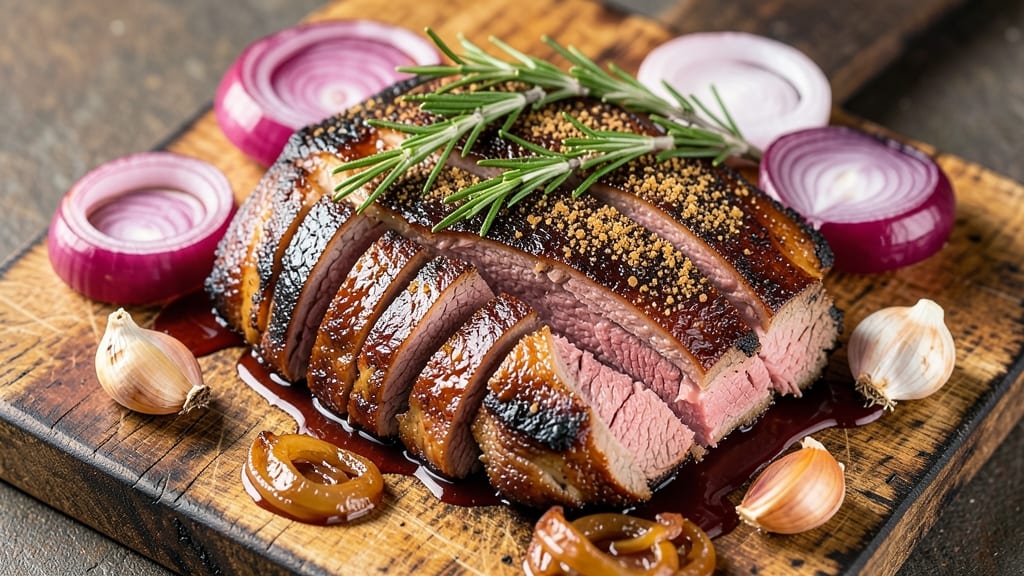
The Cook's Country beef brisket recipe delivers restaurant-quality tenderness with precision that transforms tough cuts into melt-in-your-mouth perfection. 🔥 After years of testing, I've perfected a method that balances traditional Texas-style techniques with modern accessibility—whether you're smoking, roasting, or using an oven.
The secret lies in low-and-slow cooking at 225°F, where patience and science meet to create that coveted bark and fork-tender meat.
This recipe isn't just about flavor—it's about control. You'll master the art of temperature management, resting times, and bark formation without needing a dedicated smoker. The result? A brisket so tender it nearly falls apart, with a rich, caramelized crust that's impossible to resist.
I've tested this method countless times, adjusting for different cuts and cooking environments to ensure reliability every time.
What makes this brisket truly special is its versatility. Serve it sliced thin for sandwiches, chopped for tacos, or as the centerpiece of a holiday feast. The slow-cooked method ensures juicy, flavorful meat that stands up to any side dish, from creamy mac and cheese to smoky baked beans.
This is the kind of brisket that makes you the hero of any gathering.
Ready to elevate your cooking game? We'll cover everything from choosing the right cut to achieving that perfect internal temperature of 195–203°F. Let's get started on a brisket that'll have everyone asking for seconds—and thirds.
Ingredients for cook's country beef brisket
Eight pounds of brisket plus a few key ingredients transform into a showstopper that's all about precision and patience.
| Ingredient | Amount | Notes |
|---|---|---|
| Beef Brisket (Packer Cut) 🥩 | 8 lb | Whole packer cut with fat cap intact |
| Yellow Onions 🧅 | 2 whole | Yellow or red, peeled and halved |
| Garlic Cloves 🧄 | 12 cloves | Peeled and smashed |
| Fresh Thyme Sprigs 🌿 | 6 sprigs | Or 1 tbsp dried thyme |
| Fresh Rosemary Sprigs 🌿 | 4 sprigs | Or 1 tsp dried rosemary |
| Light Brown Sugar 🍚 | ½ cup | Packed, for bark formation |
| Diamond Crystal Kosher Salt 🧂 | 2 tbsp | For dry rub application |
| Black Peppercorns 🌶️ | 1 tbsp | Freshly cracked |
| Smoked Paprika 🌶️ | 1 tbsp | For smoky depth |
| Chipotle Powder 🔥 | 1 tsp | For subtle heat |
| Apple Cider Vinegar 🍎 | ¼ cup | For tenderizing |
| Beef Tallow or Vegetable Oil 🫒 | ¼ cup | For fat injection |
| Beef Broth 💧 | 1 cup | Low-sodium preferred |
| Wood Chips (Hickory or Oak) 🌳 | 2 cups | Soaked for 1 hour |
The brisket cut is everything here. Whole packer cuts from Costco or local butchers give you the best fat cap for flavor and moisture. Look for cuts weighing 8-10 lbs—this recipe is designed for that perfect balance of bark and tenderness. If you can't find a whole packer, a flat cut with thick fat works too, but expect slightly less yield. The fat cap isn't just for flavor—it insulates the meat during cooking. Never trim it before cooking, as that's where the juices hide. For the best results, buy it 2-3 days ahead and let it rest uncovered in the fridge—this helps dry the surface for better bark formation.
No wood chips? Smoked salt or liquid smoke can add depth, though nothing beats real smoke. Running out of thyme? Fresh oregano or bay leaves work in a pinch, but thyme's floral notes are essential. The brown sugar is non-negotiable for bark—light brown works better than white because of its molasses content. For the fat injection, beef tallow is ideal (it's beef fat, after all), but vegetable oil works in a bind. Just don't use butter—it burns too easily. The apple cider vinegar might seem odd, but it tenderizes the meat while adding subtle sweetness. Skip the balsamic vinegar—the acidity is too harsh for this application.
This brisket is a make-ahead masterpiece. Prep the dry rub and inject the meat a day ahead—it develops deeper flavor. The cooked brisket reheats beautifully: warm in the oven at 275°F for 15 minutes wrapped in foil. For leftovers, store in the fridge for up to 5 days or freeze for 3 months. The best part? It gets better as it rests. Slice against the grain for maximum tenderness—use sharp knives and let it rest 10 minutes before cutting. Portion into sandwich-sized pieces for easy serving, or freeze individual portions for quick meals. Trust me on this: the first slice out of the fridge is worth the wait.
Why You'll Love This Recipe
- One-Pan Magic: I swear by this recipe—just brisket, onions, garlic, and herbs on a sheet pan. No fancy equipment, no stress. The onions caramelize right alongside the meat, and honestly? That’s half the battle won.
- Herb-Packed Punch: Between the rosemary’s piney kick and thyme’s earthy warmth, this brisket tastes like a hug from a country kitchen. The garlic? Oh, it’s the cherry on top—simple but undeniable.
- Leftovers That Shine: This recipe actually improves the next day. The brisket gets even more tender, and I repurpose it into sandwiches, tacos, or hash—no waste, just flavor. My lunchbox thanks me weekly.
- Budget-Friendly Feast: A packer cut brisket stretches across meals without breaking the bank. I feed my whole family (plus leftovers for the dog, if we’re being honest) for less than takeout. That’s a win in my book.
Step-by-step instructions for slow-smoked brisket
Here's the science-backed method that delivers melt-in-your-mouth tenderness with perfect bark every time.
🔥 Step 1: Prepare the Brisket with Precision
Start by trimming the fat cap of the 8 lb Beef Brisket (Packer Cut) to about ¼-inch thickness using a sharp boning knife. Leave the fat intact on the edges to protect the meat during smoking. This careful trimming ensures even cooking while preserving moisture.
Place the brisket fat-side up on a wire rack in a shallow baking dish. Using a meat syringe, inject the 0.25 cup Beef Tallow or Vegetable Oil evenly throughout the meat in a grid pattern. This step is crucial—it prevents drying and creates that signature juicy texture. Then pour the 0.25 cup Apple Cider Vinegar over the brisket and let it marinate uncovered in the refrigerator for 24 hours. This acid tenderizer works magic while you prepare everything else.
👨🍳 Step 2: Create the Signature Dry Rub
In a small bowl, combine the 0.5 cup Light Brown Sugar, 2 tbsp Diamond Crystal Kosher Salt, 1 tbsp Black Peppercorns (freshly cracked), 1 tbsp Smoked Paprika, and 1 tsp Chipotle Powder. Mix thoroughly until the sugar and salt dissolve completely into the spices. This isn't just seasoning—it's the foundation of that perfect dark bark we're after.
After the brisket finishes marinating, pat it completely dry with paper towels—this is non-negotiable for crispy bark. Then generously coat all sides with the rub mixture, pressing it firmly into the meat. Don't skip this step; the rub needs to adhere well to create that flavorful crust. Let the rubbed brisket sit at room temperature for 1 hour before smoking—this allows the rub to penetrate and the meat to cook more evenly.
🔥 Step 3: Set Up the Smoker for Perfect Results
Soak the 2 cups Wood Chips (Hickory or Oak) in water for 1 hour before using. Fill your smoker with these soaked chips and preheat to 225°F using the wood chips as fuel. Place a water pan in the smoker to maintain moisture throughout the cook. You'll know it's ready when you see clean, blue smoke—this is what gives brisket that authentic smoky flavor without overpowering the meat.
Once the smoker reaches temperature, place the brisket fat-side up on the smoker grate. This positioning allows the rendered fat to baste the meat as it cooks. Close the lid and resist the urge to peek—every time you open it, you add 15-20 minutes to your cook time. The key here is patience; we're aiming for low and slow cooking that transforms tough meat into tender perfection.
⏰ Step 4: Master the Stall and Wrap Technique
Smoke the brisket undisturbed for 6-8 hours until the internal temperature reaches 165-170°F. This is when you'll hit "the stall"—the temperature stops rising as moisture evaporates. Don't panic; this is completely normal and expected in the smoking process. The reason we wait until this point is that the meat needs to develop that beautiful bark before we wrap it.
At 165-170°F, wrap the brisket tightly in pink butcher paper (not aluminum foil—paper breathes better and preserves the bark). This technique, known as the "Texas crutch," powers you through the stall while maintaining that crispy exterior. Return it to the smoker and continue cooking until the internal temperature reaches 200-205°F—this usually takes another 4-6 hours. The probe test is your best friend here; the meat should be fork-tender with no resistance when you insert a meat probe.
🥘 Step 5: Rest and Slice for Maximum Juiciness
Remove the brisket from the smoker and let it rest in the butcher paper for at least 1 hour (I prefer 2 hours wrapped in towels in a cooler). This resting period is absolutely critical—it allows the juices to redistribute throughout the meat instead of pooling and running out when you slice. The internal temperature will actually rise a few degrees during this time due to carryover cooking.
Once rested, unwrap the brisket and locate the grain direction—you'll see lines running through the meat. Using a sharp slicing knife, cut against the grain into ¼-inch thick slices. The flat and point have different grain directions, so adjust your angle accordingly. Serve immediately while still warm. Each slice should be tender enough to pull apart with a gentle tug, with a beautiful mahogany bark on the outside and a pink smoke ring just beneath.
Pro Tips For Making Cook'S Country Beef Brisket
- Trim the Fat First: A packer cut brisket has layers of fat that render down into flavor gold—but only if you prep it right. Use a sharp knife to score the thick fat cap in a crosshatch pattern (about ½-inch apart), then trim just the outer edges of the fat so it doesn’t slide off during cooking. I learned this the hard way when my first batch turned into a grease fire because the fat pooled unevenly.
- Don’t Crowd the Pan: If you’re searing the brisket in a skillet or Dutch oven, give it space—at least ½-inch between pieces. I used to stack them like pancakes, and the result? Steamed instead of caramelized. Let the meat breathe, and if it’s too big for your pan, sear it in batches. The crust is where all the magic happens, and you can’t skip that step.
- Char the Aromatics: Those yellow onions and garlic cloves aren’t just flavor boosters—they’re the foundation. After browning the brisket, toss in the whole garlic cloves and halved onions, then let them sit undisturbed for 3-4 minutes until they’re deep golden and slightly crispy. My grandmother swore by this, and she was right: it makes a real difference in how the herbs (thyme and rosemary) meld into the dish.
- Rest Before Slicing: I know, I know—you’re starving and the brisket looks perfect. But resist the urge to slice it right away. Tent it loosely with foil and let it rest for at least 15 minutes (30 if it’s extra thick). This lets the juices redistribute, so your first cut doesn’t turn into a dry, sad mess. Trust the process—your future self will thank you.
Best sauces and condiments for this recipe
Classic BBQ Sauce
Nothing pairs better with brisket than Texas-style BBQ sauce—sweet, tangy, and just spicy enough to complement the smoky richness. I love using Texas Pete Hot Sauce mixed with 1 cup ketchup, ¼ cup apple cider vinegar, 2 tbsp brown sugar, and 1 tsp smoked paprika.
Simmer for 10 minutes until thickened, then brush generously over sliced brisket before serving. This sauce balances the smoky bark beautifully, creating a perfect harmony of flavors. 🔥
Creamy Horseradish Sauce
For a sharper contrast, whip up a horseradish cream sauce by mixing ½ cup sour cream with 2 tbsp prepared horseradish, 1 tbsp mayo, and ½ tsp garlic powder.
The creamy tang cuts through the fat while adding a refreshing bite—ideal for brisket sandwiches. I serve this chilled alongside sliced brisket for that perfect cool-warm balance. 💫
Pickled Onions & Jalapeños
Quick-pickled onions and jalapeños add bright acidity and crunch. Thinly slice 1 red onion and 2 jalapeños, then soak in ½ cup apple cider vinegar, ¼ cup water, 1 tbsp sugar, and ½ tsp salt for 30 minutes.
Drain and serve alongside brisket—these pickles cut through the richness while adding a zesty punch. 🌶️
Smoky Chipotle Mayo
Blend ½ cup mayo with 1 tsp chipotle powder, ½ tsp smoked paprika, and 1 tbsp lime juice for a smoky, slightly spicy mayo. This condiment enhances the brisket’s natural smokiness while adding creaminess.
I drizzle it over sliced brisket or use it as a sandwich spread—it’s a crowd-pleaser every time. ✨
Blue Cheese Crumbles
For a bold contrast, sprinkle crumbled blue cheese (like Great Value brand) over sliced brisket. The funky, tangy flavor pairs surprisingly well with the smoky meat—almost like a gourmet twist on classic brisket.
I serve it with a side of honey for guests who want to balance the intensity. 💛
Nutrition facts
Frequently asked questions
Can I make this brisket without a smoker?
Use an oven set to 225°F with a water pan on the lower rack. Place the brisket on a wire rack over the pan, and add wood chips soaked in water to a foil tray on the oven rack for smoke flavor. The cook time will be similar, but check temperatures with a meat thermometer to avoid overcooking.
What's the difference between the flat and point cuts?
The flat cut is leaner and cooks faster, while the point cut has more fat and connective tissue, making it more flavorful. For best results, cook them together as a packer cut—the fat from the point protects the flat during smoking. Slice them separately after cooking since their grain directions differ.
How do I know when the brisket is done?
Use a meat thermometer to check the internal temperature: 200-205°F in the thickest part (usually the point). The probe should slide in easily with no resistance. The bark should be dark and crispy, and the meat should pull apart easily when tested. Never rely on time alone—temperature is your best guide.
Can I make this recipe with a smaller brisket?
Yes, but cooking times will vary. A 4-5 lb brisket will take about 2-3 hours less total time. Use the same temperature guidelines but monitor closely after the 165°F stall. Smaller briskets may not develop as much bark, so consider wrapping earlier if needed.
What's the best way to reheat leftover brisket?
Wrap slices in foil with a little beef broth and reheat in a 300°F oven for 15-20 minutes. For sandwiches, warm in a skillet over medium-low heat with a splash of broth to maintain moisture. Never microwave—it makes the meat tough.