
Main Courses
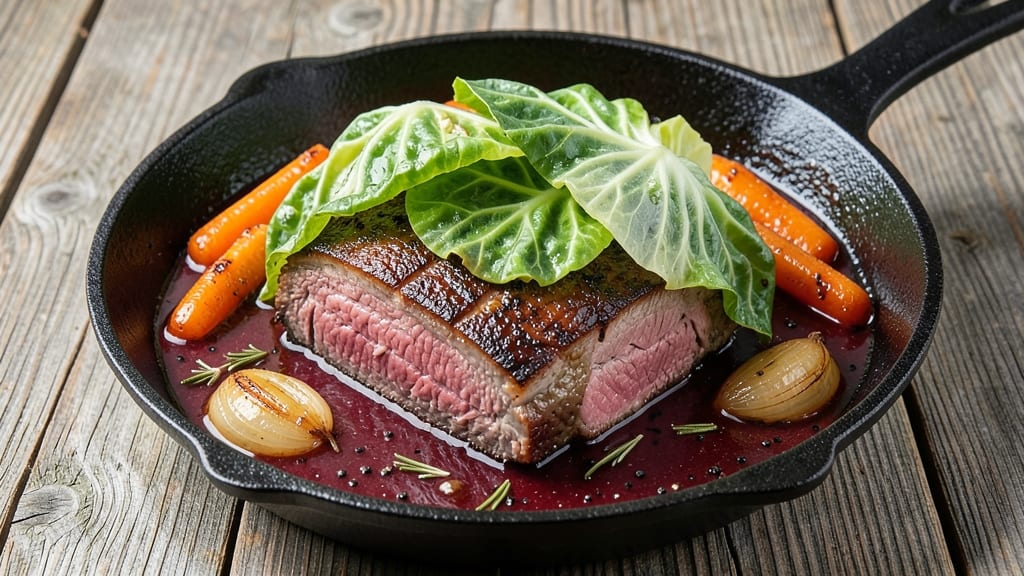
Mastering corned beef and cabbage with Guinness beer transforms a weeknight dinner into a restaurant-worthy experience. This recipe delivers tender corned beef brisket paired with perfectly braised cabbage, all infused with the rich, malty depth of Guinness.
I developed this method after years of perfecting slow-cooked meats, and the beer plays a crucial role in creating that signature caramelized richness.
The secret lies in the slow braising process—simmering the beef and cabbage together for hours until the meat is fork-tender and the cabbage is soft yet still holds its shape.
Guinness isn’t just an ingredient; it’s the foundation of the flavor, adding a deep, toasty note that balances the saltiness of the corned beef. This method ensures every bite is packed with flavor without requiring advanced techniques.
By the end, you’ll have a dish that’s hearty enough for a Sunday family dinner but simple enough for a weeknight. The corned beef will be melt-in-your-mouth tender, the cabbage infused with the beer’s aroma, and the broth reduced to a glossy, flavorful sauce.
This is comfort food at its finest—warm, inviting, and impossible to resist.
Serve with buttered potatoes or crusty bread to soak up every last drop of that Guinness-infused sauce. The recipe scales easily, making it perfect for gatherings or leftovers that taste even better the next day. Let’s get cooking—this dish is worth the wait.
Ingredients for corned beef and cabbage recipe with guinness beer
Six core ingredients and one essential beer. The foundation for a dish that tastes like tradition.
| Ingredient | Amount | Notes |
|---|---|---|
| Corned Beef Brisket 🥩 | 4 lb | Pre-cured or corned beef brisket |
| Green Cabbage 🥬 | 1 whole | Heads cut into wedges |
| Guinness Beer 🍺 | 2 cups | Full-strength, chilled |
| Yellow Onion 🧅 | 1 whole | Medium, sliced |
| Garlic Cloves 🧄 | 6 cloves | Peeled, smashed |
| Carrots 🥕 | 4 whole | Medium, peeled |
| Bay Leaves 🍃 | 2 whole | Dried, standard size |
| Black Peppercorns 🌶️ | 1 tsp | Whole, lightly crushed |
| Salt 🧂 | 1 ½ tsp | Kosher or sea salt |
| Olive Oil 🫒 | 2 tbsp | Extra-virgin for searing |
| Fresh Thyme 🌿 | 2 sprigs | Stems removed |
| Butter 🧈 | 2 tbsp | Unsalted, cubed |
| Water 💧 | 1 cup | Tap or filtered |
The corned beef brisket is non-negotiable—look for pre-cured cuts at specialty butchers or high-end grocers like Whole Foods or Harris Teeter. If you can’t find pre-cured, Costco sells large briskets that work well with this method. The Guinness must be full-strength; no light beers here. For freshness, grab the beer the same day you cook. Bay leaves should be plump and fragrant—avoid those brittle ones at the back of the spice aisle. Fresh thyme elevates the dish, but dried works in a pinch at one-third the amount.
No Guinness? Stout beer like Samuel Adams Black Lager or dark ale in a pinch—just avoid anything too sweet. Pre-cured brisket unavailable? Use 4 lbs of beef brisket and make your own corning mix (salt, sugar, peppercorns, bay leaves, mustard seeds) with 1 cup water per pound of meat. The cabbage can be savoy if you prefer a more delicate texture, but green holds up better to long braising. Carrots add sweetness—substitute parsnips for a deeper flavor. Olive oil matters here; Kirkland Signature or Bertolli are reliable choices.
This dish reheats beautifully—tastes even better the next day as flavors meld. Store in the fridge for up to 5 days in an airtight container with the juices. For longer storage, freeze portions for up to 3 months. The Guinness-infused sauce thickens as it cools, so reheat with 1-2 tbsp water to loosen it. Leftovers? Shred the beef and mix it into potato pancakes or sandwiches—trust me, it’s delicious.
Why You'll Love This Recipe
- One-Pot Magic: The brisket and cabbage simmer together in the same pot—no extra dishes, no fuss. Just slice, sear, pour in the Guinness, and let it work its magic while you chop an onion (which, honestly, takes about five minutes).
- Rich Depth: That dark, malty Guinness transforms the dish—caramelized onions and garlic mingle with the brisket’s saltiness, while the cabbage softens into tender, beer-braised perfection. It’s like a hug in a bowl, but with more garlic.
- Leftovers Win: This recipe practically begs for seconds, and the leftovers? Even better the next day. Cold slices on toast with mustard? Yes, please. Or reheat with a splash of water—still delicious, still hearty.
- Budget Hero: A whole brisket feeds a crowd for less than takeout, and cabbage lasts forever. Guinness adds luxury without breaking the bank. Between us, this is the kind of meal that makes grocery day feel like a victory.
Step-by-step instructions for corned beef and Guinness cabbage
A rich, slow-braised dish where tender corned beef meets malty Guinness-infused cabbage.
Sear the Corned Beef Brisket
Pat the 4 lb corned beef brisket dry with paper towels to ensure a good sear. Heat a heavy Dutch oven over medium-high heat and add the 2 tbsp olive oil. Once shimmering, place the brisket fat-side down and press gently with a spatula for 1 minute to render some fat. Flip and sear the other side for another 1 minute until a deep golden crust forms.
Remove the brisket and set it aside. The goal here is to develop flavor through browning—don't rush this step. If the oil starts smoking excessively, reduce the heat slightly. The seared brisket will later absorb the aromatic braising liquid, creating a deeply flavorful base for the dish.
Sauté Vegetables and Deglaze
In the same Dutch oven, add the 1 whole yellow onion (sliced), 6 cloves garlic cloves (smashed), and 4 whole carrots (peeled and cut into 2-inch chunks). Cook for 5 minutes until the onions soften and the garlic becomes fragrant. Stir occasionally to prevent burning.
Pour in the 2 cups Guinness beer, scraping up any browned bits from the bottom of the pan. This deglazing step captures all the caramelized flavors that would otherwise go to waste. Let the beer simmer for 3 minutes until it reduces slightly and the liquid clings to the vegetables.
Braise the Corned Beef
Return the seared brisket to the Dutch oven, fat-side up. Add the 1 whole green cabbage (cut into wedges), 2 sprigs fresh thyme, 2 whole bay leaves, 1 tsp black peppercorns, and 1.5 tsp salt. Pour in the 1 cup water and bring the mixture to a gentle simmer over medium-low heat. Cover the pot and let it cook for 2 hours—this slow braising ensures the brisket becomes fork-tender while the cabbage softens without losing texture.
Occasionally spoon the braising liquid over the brisket to keep it moist. The dish should develop a rich, aromatic steam as it cooks. If the liquid reduces too much before the brisket is tender, add ¼ cup water to maintain the proper braising environment.
Finish with Butter and Rest
Once the brisket reaches an internal temperature of 203°F (use a meat thermometer to check), remove it from the pot and let it rest on a cutting board for 15 minutes. This resting period allows the juices to redistribute, ensuring each slice remains moist and flavorful.
While the brisket rests, return the braising liquid to a simmer. Add the 2 tbsp butter and stir until melted and incorporated. The butter adds a luxurious finish, rounding out the deep, malty flavors of the Guinness. Skim off any excess fat if needed, but leave enough to coat the vegetables.
Serve with Braised Vegetables
Slice the rested brisket against the grain into ¼-inch thick portions. Return the sliced brisket to the Dutch oven with the braised vegetables and toss gently to combine. Serve immediately, ensuring each portion includes tender brisket, soft carrots, cabbage wedges, and the rich Guinness-infused sauce.
The dish should have a deep, savory aroma with hints of malty beer and aromatic thyme. Each bite should deliver tender, juicy brisket paired with slightly sweetened cabbage and carrots, all coated in a velvety sauce. This method guarantees a restaurant-quality result with minimal effort.
Pro Tips For Making Corned Beef And Cabbage Recipe With Guinness Beer
- Brown the Beef First: DESCRIPTION: Skip the slow start—sear the corned beef brisket in a hot pot for 3-4 minutes per side until deep golden. I used to rush this, and the Guinness never got that rich, caramelized flavor it deserves. The crust locks in moisture and adds depth when the beer reduces later.
- Shred the Cabbage: DESCRIPTION: Cut the cabbage into thin wedges, then slice the cores into matchsticks—this cooks faster and soaks up the Guinness better. Whole wedges stay stubbornly crunchy while the edges turn to mush. (Yes, even if it looks like overkill.)
- Don’t Boil the Beer: DESCRIPTION: Simmer the Guinness on medium-low heat—never let it bubble hard. I learned this after watching a batch turn bitter and flat. A gentle simmer keeps the maltiness intact and lets the flavors meld with the beef.
- Save the Juices: DESCRIPTION: After removing the beef, deglaze the pot with a splash of cold water and scrape up every last bit of fond. That dark, sticky residue is pure flavor—don’t pour it down the drain. Strain it into the cabbage for a richer, thicker sauce. (Your lazy Sunday leftovers will thank you.)
Best sauces and condiments for this recipe
Guinness-Inspired Sauce
The Guinness beer isn’t just an ingredient—it’s the soul of this dish. As the beer simmers, it develops a deep, toasty richness that caramelizes beautifully with the onions and carrots.
For extra depth, I like to add 1 tbsp of brown sugar during the braising process to enhance the beer’s natural sweetness and create a glossy, slightly sticky sauce. This step transforms the simple beer into a luxurious, umami-packed sauce that coats every bite. 🍺
Mustard Cream Finish
To balance the Guinness’s malty notes, a dollop of Dijon mustard cream adds a bright, tangy contrast. Whisk 2 tbsp of Dijon mustard with 2 tbsp of heavy cream and stir it into the sauce during the final 5 minutes of cooking.
This elevates the dish from hearty to restaurant-worthy, cutting through the richness with a clean, zesty finish. Trust me, it’s a game-changer for flavor balance. 💛
Herb-Infused Butter
For a final touch, melt 2 tbsp of butter with 1 tsp of chopped fresh parsley and ½ tsp of garlic powder, then swirl it into the finished dish. This adds a fresh, aromatic layer that brightens the deep flavors of the Guinness and beef.
I often drizzle this over individual servings right before eating—it’s like a little flavor hug for your taste buds. ✨
Spiced Apple Cider Glaze
If you want to add a touch of sweetness and complexity, reduce ½ cup of apple cider with 1 tsp of cinnamon and 1 star anise pod until syrupy. Pour this over the braised cabbage during the last 30 minutes of cooking.
The cinnamon and apple notes complement the Guinness beautifully, adding a warm, autumnal twist to the dish. It’s especially lovely if you’re serving this during the colder months. 🌟
Smoked Paprika Crust
For a smoky depth, sprinkle ½ tsp of smoked paprika over the sliced corned beef just before serving. The paprika adds a subtle, earthy warmth that pairs perfectly with the Guinness’s maltiness.
I like to toast the paprika in a dry pan for 30 seconds first to deepen its flavor—this simple step makes a noticeable difference in the final dish. 🔥
Nutrition facts
Frequently asked questions
Can I substitute Guinness with another beer?
Yes, but choose carefully! A full-bodied stout like Samuel Adams Black Lager or a dark ale works best. Avoid light beers—they won't deliver the same rich, malty depth. If using a substitute, add ½ teaspoon of coffee granules to mimic the roasted notes of Guinness. The beer is key to that signature caramelized sauce.
How do I know when the corned beef is fully cooked?
Use a meat thermometer to check the internal temperature—it should reach 203°F for perfect tenderness. The beef will pull away easily from the bone when sliced against the grain. If you don’t have a thermometer, cut into the thickest part: the meat should be fork-tender with no pink center. Overcooking can make it dry, so don’t exceed 205°F.
What’s the best way to reheat leftovers?
Reheat gently in the same Dutch oven with 2-3 tablespoons of water or broth over low heat until warmed through. Avoid microwaving—it turns the sauce rubbery. For extra richness, add a splash of Guinness or stout when reheating. Leftovers taste even better the next day as flavors meld further.
Can I make this in a slow cooker?
Sear the brisket first, then transfer everything to your slow cooker and cook on low for 8 hours or high for 5 hours. The slow cooker’s gentle heat ensures tender meat without drying it out. Just add ½ cup water if the liquid reduces too much. The cabbage will soften beautifully in the process.
Why does my cabbage turn mushy?
Overcooking or too much liquid causes mushy cabbage. Keep the pot covered and maintain a gentle simmer—not a rolling boil. If the cabbage looks too soft, reduce cooking time by 15-20 minutes next time. Also, avoid cutting cabbage too small—wedges hold their shape better. The goal is tender, not falling-apart texture.