
Main Courses
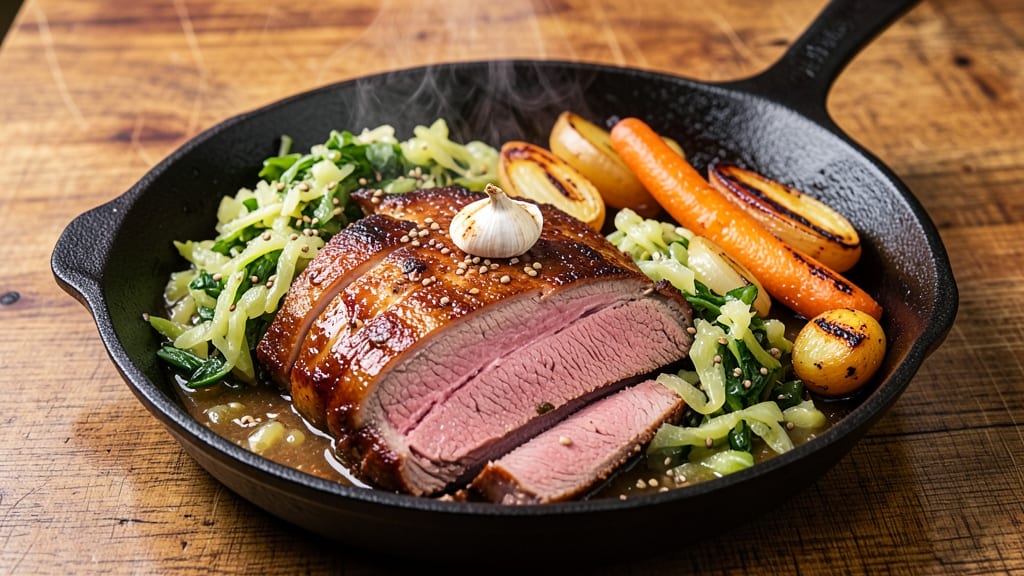
This corned beef and sauerkraut recipe delivers the perfect marriage of tender, slow-simmered beef and crunchy, tangy sauerkraut—a dish steeped in tradition yet effortless to prepare.
The secret lies in cooking the corned beef just until fork-tender, then pairing it with sauerkraut that’s braised until its edges soften but still retain that satisfying bite. I’ve perfected this method over years of St. Patrick’s Day celebrations, ensuring the flavors meld without overpowering each other.
The beauty of this dish is its foolproof technique: a simple brine soaks the beef overnight, then a slow simmer transforms it into melt-in-your-mouth perfection. Meanwhile, the sauerkraut—sautéed with onions and a touch of caraway—adds a bright, fermented crunch that cuts through the richness.
No fancy equipment or hours in the kitchen required; just patience and a few key steps.
By the time you’re done, you’ll have silky, shreddable beef with a deep, savory flavor and sauerkraut that’s tender yet still packed with that signature tang.
Serve it with rye bread to soak up every last bit of juices, or pair it with mustard and boiled potatoes for a classic Irish-American spread. This is comfort food at its finest—restaurant-quality without the fuss.
The best part? Leftovers reheat beautifully, making this an ideal meal for feeding a crowd or prepping ahead. Whether it’s for St. Patrick’s Day or a cozy weeknight dinner, this recipe delivers tender, flavorful results that’ll have everyone asking for seconds. Let’s get cooking!
Ingredients for corned beef and sauerkraut
Fifteen ingredients transform into restaurant-quality corned beef with perfect sauerkraut crunch.
| Ingredient | Amount | Notes |
|---|---|---|
| Corned Beef Brisket 🥩 | 4 lb | Pre-brined, 3-4 lbs total weight |
| Sauerkraut 🥬 | 2 cups | Packed, jarred or fresh-cut |
| Yellow Onions 🧅 | 1 whole | Medium, sliced into half-moons |
| Carrots 🥕 | 2 whole | Medium, peeled and sliced |
| Garlic Cloves 🧄 | 4 cloves | Fresh, minced for depth |
| Ground Caraway Seeds 🌿 | 1 tbsp | Freshly ground for authentic flavor |
| Bay Leaves 🍃 | 2 whole | Dried, standard supermarket quality |
| Black Peppercorns 🌶️ | 1 tsp | Freshly cracked for texture |
| Beef Broth 💧 | 2 cups | Low-sodium, homemade preferred |
| Apple Cider Vinegar 🍏 | ½ cup | For tangy balance |
| Dark Brown Sugar 🍬 | ¼ cup | Packed, for caramelized depth |
| Dijon Mustard 🍯 | 1 tbsp | For subtle complexity |
| Fresh Parsley 🌿 | ¼ cup | Chopped, for fresh finish |
| Rye Bread 🍞 | 12 slices | For serving, crusty preferred |
The corned beef brisket is the foundation—4 lbs minimum ensures generous servings. Opt for pre-brined brisket from the deli section (check labels for sodium content) or prepare your own brine using Diamond Crystal kosher salt and spices. For authentic flavor, Costco or Whole Foods carry high-quality briskets with good marbling. The sauerkraut should be jarred and packed—avoid the pre-shredded kind, which lacks texture. Fresh-cut sauerkraut from specialty stores offers the best crunch, but jarred works perfectly for this recipe. Caraway seeds are essential; Penzeys Spices sells them pre-ground for convenience, though freshly grinding yields superior flavor.
No caraway seeds? Fennel seeds at double the amount provide a similar anise-like note, though the flavor won’t be identical. Substituting beef broth with low-sodium chicken broth works in a pinch, but the richness of beef is ideal. For the vinegar, apple cider vinegar adds subtle sweetness, while white vinegar offers a sharper tang. The Dijon mustard can be swapped for whole-grain mustard for added texture. Sauerkraut too watery? Drain it in a colander for 10-15 minutes before using—this concentrates the flavor without losing crunch. The onions and carrots can be swapped for celery and potatoes for a more traditional Irish stew variation, though the texture will differ.
This dish reheats beautifully—simmer leftovers in their juices for 5-10 minutes to restore tenderness. Store in the refrigerator for up to 5 days, covered with its juices to maintain moisture. For longer storage, freeze portions in airtight containers for up to 3 months. The sauerkraut component can be prepped ahead and reheated separately, making this an excellent make-ahead meal. Rye bread pairs perfectly; toast slices before serving to enhance their crusty texture. For a complete meal, serve with boiled baby potatoes and a dollop of Dijon aioli on the side.
Why You'll Love This Recipe
- One-Pot Magic: I swear by this—just toss everything in a Dutch oven, let it simmer, and walk away. No chopping boards, no extra pans, just that deep, smoky aroma filling the kitchen by the time you’re ready to eat.
- Sauerkraut’s Secret Weapon: That tangy, fermented kick from the sauerkraut cuts through the richness of the corned beef like a knife. Honestly, it’s the reason this dish feels alive—bright, bold, and impossible to resist.
- Leftovers for Days: Between us, this recipe makes way more than I can eat in one sitting. The corned beef stays tender for sandwiches, and the sauerkraut? Perfect cold in wraps or on toast—my lazy Sunday brunch just got an upgrade.
- Budget Feast: A whole brisket feeds six for under $20, and the veggies stretch it further. I’ll be real: this is my go-to when I need to feed a crowd without breaking the bank or stressing over grocery lists.
Step-by-step instructions for corned beef and sauerkraut
Here's the method to achieve perfectly tender corned beef with caramelized vegetables and tangy sauerkraut.
Prepare the Corned Beef for Cooking
Begin by rinsing the 4 lb corned beef brisket under cold water for 30 seconds to remove excess brine. Pat it dry thoroughly with paper towels—this ensures a better sear and prevents the surface from becoming waterlogged during cooking. Place the brisket in a large, heavy-bottomed Dutch oven or stockpot and cover it with 2 cups of cold water. Bring to a boil over medium-high heat for 5 minutes to help remove any surface impurities.
Here's the thing—this initial boiling step prevents the meat from absorbing too much of its own juices later. After boiling, drain the water completely and return the brisket to the empty pot. The reason we don't add water immediately is that the corned beef will release its own moisture during cooking, creating a flavorful broth without dilution.
Build the Flavor Base and Simmer
Add the sliced 1 whole yellow onion and 2 whole peeled carrots to the pot with the corned beef. Pour in the 2 cups beef broth, 0.5 cup apple cider vinegar, and 0.25 cup dark brown sugar. Stir gently to combine, ensuring the sugar dissolves completely. The vinegar will help tenderize the meat while adding brightness, and the sugar creates a subtle caramelization that balances the acidity.
Bring the mixture to a simmer over medium heat and then reduce to a gentle boil. Add the 2 whole bay leaves, 1 tbsp ground caraway seeds, and 1 tsp freshly cracked black peppercorns. The caraway seeds are essential—they provide that distinctive, earthy flavor that distinguishes this dish. Cover the pot and let it simmer for 2 hours at a steady low boil, checking occasionally to ensure there's enough liquid to keep the meat submerged.
Add Sauerkraut and Finish Cooking
After 2 hours, remove the corned beef from the pot and set it aside on a cutting board. Skim any excess fat from the cooking liquid, leaving about 1 cup for flavor. Return the pot to the stove and add the 2 cups sauerkraut, stirring to incorporate. The sauerkraut will soften and absorb the rich flavors from the broth. Pour in the 1 tbsp Dijon mustard and simmer uncovered for 10-15 minutes until the sauerkraut is tender and the liquid has reduced slightly to a glossy consistency.
While the sauerkraut cooks, use two forks to shred the corned beef against the grain into ¼-inch thick slices. This ensures each bite is tender and easy to eat. Return the shredded beef to the pot and stir gently to coat it in the sauerkraut mixture. Taste and adjust seasoning if needed—you may want to add a pinch more salt or a splash of vinegar to balance the flavors.
Rest and Serve
Transfer the corned beef and sauerkraut to a serving dish and let it rest for 10 minutes before serving. This resting period allows the juices to redistribute, ensuring each bite is moist and flavorful. The dish should have a deep, savory aroma with notes of caraway, vinegar, and caramelized onions.
Garnish with 0.25 cup chopped fresh parsley just before serving to add a bright, fresh contrast to the rich flavors. Serve the corned beef and sauerkraut with 12 slices of crusty rye bread to soak up the delicious juices. The bread's hearty texture complements the tender meat and tangy sauerkraut perfectly, creating a satisfying meal that delivers on the promise of silky tenderness.
Pro Tips For Making Corned Beef And Sauerkraut
- Rinse the Brisket: Drain that pickle juice—literally. Soak the corned beef in cold water for 30 minutes before cooking to cut the saltiness. I learned this the hard way after serving a brisket that tasted like a salt lick. The brisket will still be flavorful, just balanced.
- Sear the Meat First: Hit the brisket with high heat until it’s deep brown on all sides—this locks in juices and builds flavor. I used to skip this, and my sauerkraut ended up tasting like a side dish instead of the star. A hot pan and 3-4 minutes per side make all the difference.
- Drain and Rinse Kraut: Dump the sauerkraut into a colander, give it a good shake, and rinse it under cold water for 10 seconds. This cuts the sharpness without killing the tang. I was skeptical until I tried it—now it’s non-negotiable for my recipe.
- Simmer Low and Slow: Cover the pot and keep the heat at a gentle simmer (tiny bubbles, not a boil) for at least 2.5 hours. Rushing it turns the brisket tough and the kraut mushy. Sounds boring, but it’s the only way to get melt-in-your-mouth beef and tender carrots.
Wine and beer pairings for this recipe
Classic Irish Red
A bold, dry Irish red wine like Bull’s Blood from Ireland or Kerry Red is my go-to pairing. These wines have deep berry notes and a touch of spice that complement the caraway and tangy sauerkraut beautifully.
The acidity cuts through the richness of the corned beef, while the tannins stand up to its saltiness. Serve it slightly chilled—around 55-60°F—to enhance its vibrant fruit flavors. 🍷
German Altbier
For beer lovers, a crisp German Altbier from Düsseldorf bridges the gap between the dish’s German and Irish roots. Look for brands like Diebels or Uerige, which offer malty sweetness with a light hop bitterness.
The caramel and toffee notes in these beers mirror the caramelized onions in the dish, while their moderate carbonation cleanses your palate between bites. Serve at 50-52°F for the best balance of malt and hop flavors.
Smoky Scotch Ale
If you prefer something heartier, a smoky Scotch ale like BrewDog Punk IPA or Williamson Bros. Smoky adds a fascinating contrast. The smoky, peaty notes play off the caraway’s earthiness, while the IPA’s citrusy hops brighten the dish’s richness.
This pairing works especially well if you’ve added a pinch of smoked paprika to the corned beef brine. Serve at 52-55°F to let the smoky depth shine through.
Non-Alcoholic Option
Skip the alcohol without sacrificing flavor with a sparkling apple cider like Martinelli’s or a ginger beer such as Feather’s. The effervescence mimics wine’s cleansing quality, while the apple’s tartness echoes the vinegar in the recipe.
For a savory twist, try a non-alcoholic IPA like Heineken 0.0, which delivers hoppy bitterness without the alcohol. Serve the cider well-chilled (40-45°F) for maximum refreshment.
Regional Adaptations
In New York, where corned beef and sauerkraut became an Irish-American staple, many diners pair it with a light lager like Yuengling. The crisp, clean profile balances the dish’s saltiness without overpowering it.
Meanwhile, in Germany, where sauerkraut originated, a Weissbier (wheat beer) with coriander and clove notes enhances the caraway’s earthiness. Try Weihenstephaner Hefeweissbier for a traditional match. 🌍
Nutrition facts
Frequently asked questions
Can I use regular beef instead of corned beef?
The corned beef's pre-brine is essential for that signature flavor. If you must substitute, use a 4 lb beef brisket and soak it overnight in a homemade brine (water, salt, sugar, peppercorns, bay leaves, and vinegar). Without the brine, your dish will lack depth and saltiness.
How do I prevent the sauerkraut from getting mushy?
Drain excess liquid from the sauerkraut before cooking, and simmer it uncovered for only 10-15 minutes. Overcooking turns it mushy. For extra crunch, add the sauerkraut in the last 10 minutes of cooking and keep heat at medium-low. The key is patience—don't rush it!
What's the best way to reheat leftovers?
Simmer leftovers in their juices over low heat for 5-10 minutes until heated through. Avoid microwaving—it dries out the meat. For crispy sauerkraut, add a splash of water or broth and cover for the last 2 minutes to restore moisture. Leftovers keep well for 5 days in the fridge.
Why does my corned beef turn out dry?
Dry corned beef usually means overcooking or insufficient liquid. Keep the pot covered and maintain a gentle simmer (not a rolling boil). Add ½ cup broth if the liquid reduces too much. Also, pat the meat dry before cooking to prevent steam from making it waterlogged. The 2-hour simmer time is critical—don't exceed it!
Can I make this dish in a slow cooker?
Follow the same steps but transfer everything to the slow cooker after the initial boil. Cook on low for 8-10 hours or high for 5-6 hours. Add the sauerkraut in the last 30 minutes to prevent mushiness. The slow cooker's gentle heat keeps the meat tender without drying it out.