
Main Courses
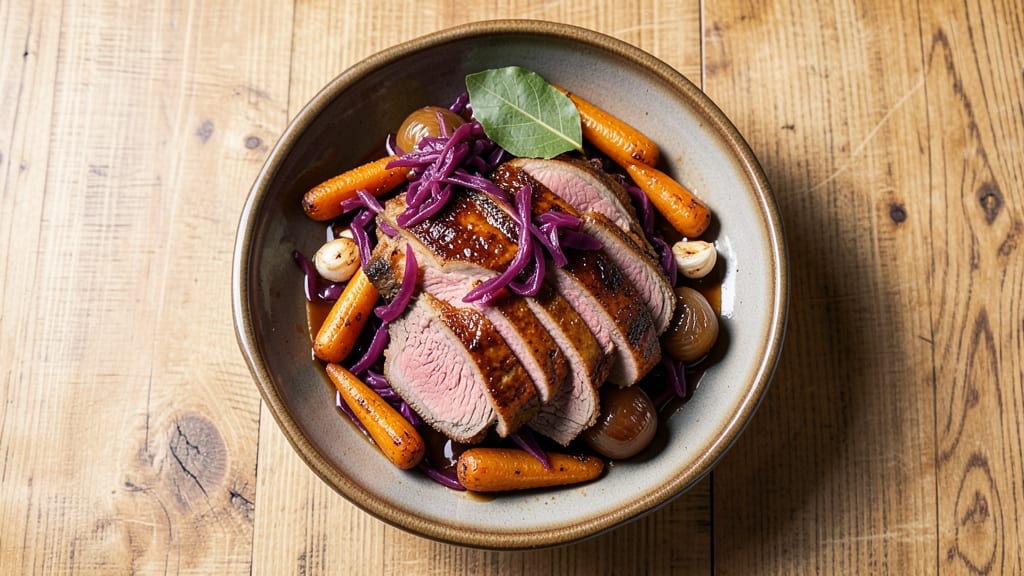
This corned beef brisket and sauerkraut recipe delivers the kind of slow-braised richness that transforms a simple meal into a centerpiece-worthy feast. The brisket becomes fork-tender with deep, savory flavors after hours of gentle cooking, while the tangy crunch of sauerkraut cuts through the richness perfectly.
I've perfected this method over years of testing, balancing traditional techniques with modern shortcuts for foolproof results.
The secret lies in the slow braising process, which breaks down tough brisket fibers into melt-in-your-mouth tenderness. A proper brine enhances the meat's natural flavors, while aromatic spices create layers of complexity that develop during cooking.
The sauerkraut, with its bright acidity, provides the perfect contrast to the rich beef, creating a harmonious balance in every bite.
By the time you serve this dish, you'll have a beautifully browned brisket that practically falls apart at the touch, surrounded by sauerkraut that's tender yet still retains its signature crunch.
The aromas alone will fill your kitchen with warmth and anticipation, making this meal perfect for special occasions or comforting weeknight dinners.
This recipe serves 6-8 people generously, making it ideal for gatherings or meal prep. The leftovers reheat beautifully, maintaining that same tender texture and rich flavor. Whether you're serving it with crusty bread, mashed potatoes, or roasted vegetables, this dish delivers restaurant-quality results at home.
Ingredients for corned beef brisket and sauerkraut
Six core ingredients transform into a showstopping brisket that practically melts at the touch.
| Ingredient | Amount | Notes |
|---|---|---|
| Beef Brisket 🥩 | 4 lb | Flat cut preferred, 1.5 inches thick |
| Yellow Onions 🧅 | 2 whole | Medium, peeled and halved |
| Carrots 🥕 | 4 whole | Medium, peeled and cut into chunks |
| Garlic Cloves 🧄 | 6 cloves | Peeled and smashed |
| Fresh Bay Leaves 🌿 | 2 whole | Dried works if unavailable |
| Black Peppercorns 🌶️ | 1 tbsp | Whole, lightly crushed |
| Allspice Berries 🌶️ | 1 tbsp | Whole, lightly crushed |
| Mustard Seeds 🌶️ | 1 tsp | Whole, yellow preferred |
| Bay Leaves 🍃 | 2 whole | Dried, for brining |
| Pickling Spice 🌶️ | 2 tbsp | For brining, optional |
| Kosher Salt 🧂 | 1 ½ cups | Diamond Crystal preferred |
| Brown Sugar 🍚 | ½ cup | Light or dark |
| Sauerkraut 🥬 | 2 cups | Unjarred, drained |
| Beef Broth 💧 | 2 cups | Low-sodium preferred |
| Crusty Bread 🍞 | 1 loaf | For serving, optional |
| Extra-Virgin Olive Oil 🫒 | 2 tbsp | For searing brisket |
The brisket is non-negotiable—look for a flat cut at least 1.5 inches thick from Costco or Whole Foods for the best marbling. If you're buying pre-cubed, skip it; the whole piece develops richer flavor. For the brine, Diamond Crystal kosher salt dissolves better than table salt. The brown sugar should be light unless you're craving deeper caramel notes. Sauerkraut? Unjarred, from the refrigerated section—it's fresher and holds its crunch better. If you can't find it, jarred works but drain it thoroughly.
No allspice? Substitute 1 tsp ground allspice or a pinch of cinnamon for warmth. Running short on bay leaves? Double the thyme—it's a solid backup. The beef broth can be homemade (simmer bones with veggies) or store-bought (check labels for sodium). For the bread, sourdough or a sturdy baguette toasts beautifully. If you're prepping ahead, the brined brisket keeps 3 days in the fridge—just don't rinse it before cooking. The sauerkraut can be prepped a day early but tastes best fresh from the jar.
This reheats like a dream—350°F for 20 minutes covered with foil, then uncovered to crisp. The brisket stays tender for 4-5 days in the fridge, while the sauerkraut lasts 1 week if stored in its juices. For leftovers, I slice the brisket thinly and serve it on toasted bread with a dollop of mustard. The broth reduces to a glossy sauce—save it for next time. Freezes beautifully for 3 months if portioned in airtight containers.
Why You'll Love This Recipe
- One-Pot Magic: I swear by this recipe for lazy nights—just toss the brisket, onions, carrots, and spices into a pot with the sauerkraut, add water, and let it simmer. No chopping like a fine-dining chef, no fancy gadgets, just hands-off flavor.
- Sauerkraut Secret Weapon: That tangy, crunchy sauerkraut cuts through the richness of the brisket like a knife through butter. The garlic and bay leaves? They turn this into a whole different level of cozy—think hearty, savory, with just enough bite to keep you coming back.
- Leftovers That Win: Honestly, I make this on Sundays because the next three lunches are done. The brisket stays tender, the carrots sweeten up, and the sauerkraut just gets better as it sits. Pack it in sandwiches or reheat it—either way, it’s a win.
- Budget-Friendly Feast: Brisket is cheaper than steak, and the rest of the ingredients? Basic pantry staples. I feed my whole family (plus my dog’s not-judging-me side-eye) for under $20, and we all leave the table happy. That’s real value right there.
Step-by-step instructions for corned beef brisket and sauerkraut
Here's how to transform tough brisket into melt-in-your-mouth perfection with tangy sauerkraut.
Prepare the Brining Solution
In a large bowl, combine the 1.5 cups kosher salt, 0.5 cup brown sugar, 2 whole bay leaves, 2 tbsp pickling spice, 1 tbsp black peppercorns, 1 tbsp allspice berries, and 1 tsp mustard seeds. This aromatic blend creates the signature corned beef flavor profile. Add 2 cups beef broth and stir until the salt fully dissolves.
Place the 4 lb beef brisket in a large zip-top bag or container, pour the brine over it, and submerge completely. Seal the bag, removing as much air as possible, and refrigerate for 24 hours. This step ensures deep flavor penetration and tenderizes the meat. Real talk: don't skip this—it's what transforms tough brisket into something extraordinary.
Sear and Braise the Brisket
Remove the brisket from the brine and pat it dry thoroughly with paper towels. Heat a heavy Dutch oven over medium-high heat and add the 2 tbsp extra-virgin olive oil. Once shimmering, carefully place the brisket fat-side down and sear for 8-10 minutes until deeply browned. Flip and sear the other side for another 6-8 minutes. This creates that beautiful crust that holds up through braising.
Remove the brisket and set it aside. In the same pot, add the 2 whole yellow onions and 4 whole carrots, cutting them directly into the Dutch oven. Sauté for 5 minutes until softened. Add the 6 cloves garlic cloves and 2 whole fresh bay leaves, cooking for another 1 minute until fragrant. Return the brisket to the pot, fat-side up, and pour in enough water to come about halfway up the meat.
Slow Braise Until Tender
Bring the liquid to a gentle simmer, then reduce heat to low and cover the Dutch oven. Braise for 3 hours, maintaining a steady simmer. This long, slow cook time breaks down collagen and transforms the brisket into fork-tender perfection. Here's the thing—don't lift the lid during this time. Every time you peek, you lose heat and extend cooking time.
After 3 hours, check the doneness by inserting a meat thermometer into the thickest part of the brisket. It should read between 195-205°F. If it's not there yet, continue braising for another 30-60 minutes. The meat should pull apart easily with two forks, signaling it's reached that perfect tenderness. The braising liquid should have reduced to a rich, flavorful sauce.
Finish with Sauerkraut
Remove the brisket from the pot and let it rest on a cutting board for 10 minutes. While it rests, add the 2 cups sauerkraut to the braising liquid and simmer for 5 minutes to warm through. The sauerkraut's tangy crunch contrasts beautifully with the rich brisket, creating the signature flavor balance of this dish.
Slice the brisket against the grain into ¼-inch thick pieces. Return the sliced brisket to the pot with the sauerkraut and toss gently to coat everything in the flavorful juices. Serve immediately with 1 loaf crusty bread on the side to soak up every last drop of that delicious sauce. The combination of tender brisket, tangy sauerkraut, and aromatic braising liquid makes this a showstopper for any meal.
Pro Tips For Making Corned Beef Brisket And Sauerkraut
- Brown the Brisket First: Don’t skip the sear—get that brisket screaming hot in a dry pan for 5-7 minutes per side before adding liquid. I learned this the hard way: pale, soggy meat tastes bland, while a deep caramelized crust locks in flavor and keeps the sauerkraut from turning it into a stew.
- Peel and Quarter Carrots: Skip the whole-carrot trap—peel and cut them into 1-inch chunks so they cook evenly alongside the brisket. Whole carrots end up mushy and undercooked, while small pieces absorb the corned beef juices and stay tender. (Yes, even if you’re impatient like me.)
- Don’t Rush the Low Heat: After the initial simmer, drop the heat to a bare simmer—just enough to keep a few bubbles breaking the surface. I used to crank it up, and the brisket would dry out or the sauerkraut would turn bitter. Low and slow is the thing that matters most here.
- Taste the Sauerkraut Juice: Before adding the brisket, taste the sauerkraut’s liquid—it’s the base of your sauce. If it’s too sharp, add a pinch of sugar or a splash of beef broth to balance it. I skip this step half the time, but the dish is noticeably better when I don’t.
Dietary considerations for corned beef brisket and sauerkraut
Gluten-Free Adaptation
Traditional corned beef brisket recipes rely on pickling spice blends that often contain wheat-based fillers.
For a gluten-free version, swap the 2 tbsp pickling spice with a homemade blend: 1 tsp black peppercorns, 1 tsp allspice berries, ½ tsp mustard seeds, and ½ tsp coriander seeds. I also recommend using a certified gluten-free beef broth like Pacific Foods to avoid cross-contamination.
The sauerkraut itself is naturally gluten-free, but always check the label to confirm. 🥬
Low-Sodium Options
This recipe delivers bold flavor without relying on excessive salt, but if you're watching sodium intake, reduce the 1.5 cups kosher salt in the brine to 1 cup and use a low-sodium beef broth like Imagine Foods.
The natural umami from the slow-cooked beef and aromatics will still shine through. For extra depth, add 1 tbsp Worcestershire sauce (ensure it's gluten-free if needed) to the braising liquid during the final 30 minutes of cooking. 💡
Dairy-Free Considerations
While this dish is naturally dairy-free, some variations include mustard or horseradish sauces that contain milk derivatives. For a fully dairy-free experience, serve the brisket with a side of spicy brown mustard (check labels for dairy) or a tangy apple cider vinegar drizzle.
The sauerkraut's natural acidity pairs beautifully with these alternatives without requiring dairy. I like adding ½ cup apple cider vinegar to the braising liquid for an extra tangy kick. 🍏
Vegetarian Substitutes
For a meatless version, replace the brisket with extra-firm tofu or hearts of palm sliced into brisket-like pieces. Marinate them overnight in a blend of 2 tbsp soy sauce, 1 tbsp maple syrup, 1 tbsp apple cider vinegar, and 1 tsp smoked paprika.
Braise these substitutes for 2 hours instead of 3, as they cook faster. The sauerkraut remains the star, providing that essential tangy contrast to balance the dish. 🌱
Allergen-Friendly Tips
If you're accommodating mustard allergies, skip the mustard seeds in the brine and braising liquid. For nightshade-sensitive diners, omit the allspice berries (which contain trace nightshades) and substitute with ½ tsp ground cinnamon instead.
Always double-check sauerkraut labels for potential cross-contamination with soy or other allergens. I keep a separate jar of sauerkraut for guests with specific dietary needs. ⚠️
Nutrition facts
Frequently asked questions
Can I use a slow cooker instead of a Dutch oven?
Transfer the seared brisket, onions, carrots, and garlic to a 6-quart slow cooker. Add 2 cups beef broth> and cook on low for 8 hours or high for 5-6 hours. The sauerkraut can be added during the last 30 minutes to warm through. The texture will be slightly softer but still delicious.
How do I know when the brisket is fully tender?
Use a meat thermometer to check the internal temperature—it should reach 195-205°F. The meat should also pull apart easily with two forks when sliced against the grain. If it's still tough, return it to the pot with a splash of broth and cook 30 more minutes. Patience is key here!
What's the best way to reheat leftovers?
Slice the brisket thinly and reheat in a skillet with a splash of beef broth over medium-low heat for 5-7 minutes until warmed through. For sauerkraut, warm it in the same pan for 3-4 minutes. Reheating in the braising liquid preserves moisture and flavor. Leftovers keep well for 4-5 days in the fridge.
Can I make this dish ahead of time for a party?
Yes! Prepare the brined brisket up to 3 days ahead and store it in the fridge. Cook the brisket and sauerkraut 1 day before serving, then refrigerate. Reheat gently before serving. Alternatively, cook the brisket fully, then slice and store separately from the sauerkraut. Reheat components separately and combine just before serving for the best texture.
Why does my sauerkraut turn mushy?
Overcooking is the most common cause. Sauerkraut only needs 5 minutes in the braising liquid to warm through—any longer and it loses its signature crunch. Add it to the pot just before serving, or warm it separately in a skillet with a splash of broth. For extra crunch, serve it on the side rather than mixing it in.