
Main Courses
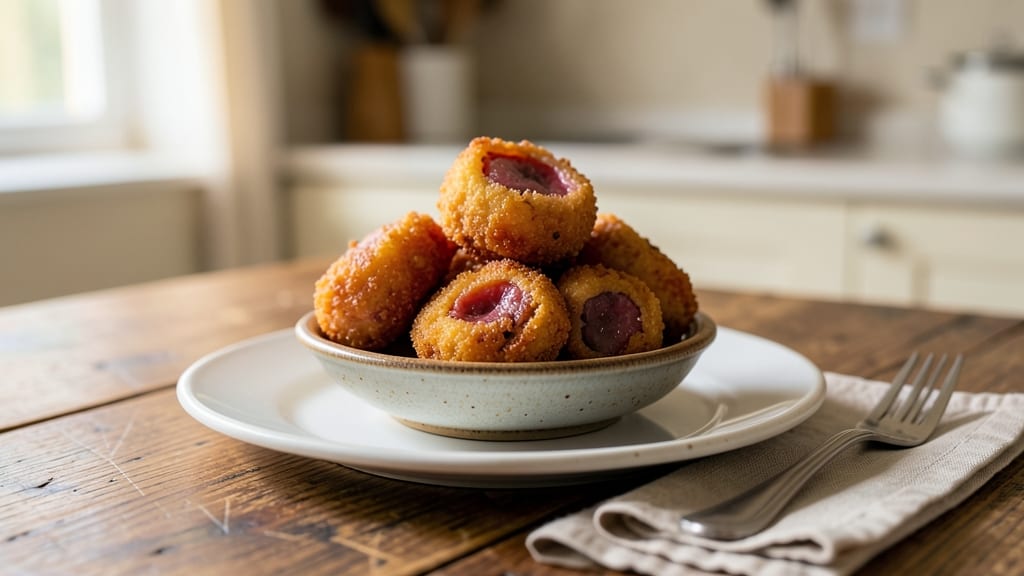
This fried beef kidney recipe delivers crispy edges and juicy centers with a technique that transforms tough cuts into restaurant-quality bites. After years of perfecting the method, I’ve found the secret lies in precise timing and high-heat searing—no dry, rubbery results here.
The key is marinating the kidneys first to tenderize them, then creating a golden crust through careful frying.
What sets this recipe apart is the balance between texture and flavor—crispy on the outside, tender on the inside, with a rich, beefy depth that’s hard to resist. Traditional methods call for a simple salt-and-pepper seasoning, but modern variations like garlic-herb marinades or spiced coatings add exciting twists.
The process is straightforward but requires attention to detail, especially when frying at the right temperature.
By the time you plate these kidneys, you’ll have a dish that’s foolproof and impressive enough for dinner guests. Serve them with a tangy sauce, roasted potatoes, or a fresh salad to round out the meal.
The crispy exterior gives way to succulent meat with every bite, making this a standout main course.
Whether you’re preparing them for a special occasion or a weeknight dinner, this method ensures restaurant-quality results without the fuss. The technique scales easily, so you can cook just a few for two or double the batch for a crowd.
Let’s get started on a dish that’s equal parts satisfying and elegant.
Ingredients for fried beef kidney
Twelve ingredients transform tough beef kidneys into restaurant-style crispy-edged, juicy bites—no dry results here.
| Ingredient | Amount | Notes |
|---|---|---|
| Beef Kidneys 🥩 | 1 ½ lb | Fresh, trimmed of fat and membrane |
| All-Purpose Flour 🌾 | 1 cup | For dredging, fine texture preferred |
| Large Eggs 🥚 | 2 whole | Room temperature for even coating |
| Diamond Crystal Kosher Salt 🧂 | 1 ½ tbsp | Coarse grain for marinade |
| Freshly Ground Black Pepper 🌶️ | 1 tsp | Cracked peppercorns preferred |
| Garlic Cloves 🧄 | 6 cloves | Minced fine for marinade |
| Extra-Virgin Olive Oil 🫒 | ½ cup | High smoke point for frying |
| Unsalted Butter 🧈 | ½ cup | Cold, cubed for crispy finish |
| Fresh Thyme Leaves 🌿 | ¼ cup | Chopped, for herbaceous depth |
| Fresh Parsley Leaves 🍃 | ¼ cup | Chopped, for bright finish |
| Lemon Juice 🍋 | 2 tbsp | Freshly squeezed, for acidity |
| Vegetable Oil 🫒 | 2 cups | High smoke point for frying |
The kidneys are the star, so source them fresh from a trusted butcher—Whole Foods or local specialty markets carry the best quality. Look for vibrant red color and firm texture, avoiding any with grayish areas or strong odor. Trim excess fat and membrane before marinating. For a restaurant-quality finish, consider Organic Valley or local grass-fed options if available. The marinade works best with freshly minced garlic and high-quality olive oil—California Olive Ranch or Bertolli are reliable choices.
No fresh thyme or parsley? Dried herbs at half the amount work in a pinch, but fresh delivers that bright, aromatic punch. Short on butter? Lard or duck fat adds richness without compromising texture. The vegetable oil for frying should have a smoke point above 400°F—Avocado oil or grape seed oil are excellent alternatives. If you lack Diamond Crystal kosher salt, Morton coarse salt works similarly, but adjust to taste since grain sizes vary. For a garlic-herb twist, add 1 tsp onion powder or 1 tbsp finely chopped shallots to the marinade.
Marinated kidneys keep 24 hours in the fridge, but no longer—flavor peaks at 4-6 hours. Pat them dry thoroughly before frying to ensure a crispy crust. Store unused flour in an airtight container for up to 6 months, while fresh herbs last 5-7 days wrapped in damp paper towels. Leftover fried kidneys reheat best in a 350°F oven for 5-7 minutes to restore crispiness, though they're best enjoyed fresh.
Why You'll Love This Recipe
- Crispy in Minutes: That golden crust happens faster than you’d think—just flour, egg, and a quick sear. No marinating, no fancy prep: slice, dredge, fry, and you’re done. I’ve got dinner on the table before the kids even finish their homework.
- Rich Umami Magic: The kidneys pack a deep, savory punch that’s hard to resist, especially when the flour coating locks in all that meaty flavor. Honestly, the salt and pepper do most of the work—just let the beef’s natural richness shine through.
- Game for Any Meal: Serve them as a weeknight snack with toast, toss into tacos for a protein boost, or pile them high on a burger. Between us, they’re my go-to for game day or when I’m craving something hearty but still feel like a treat.
- Budget Powerhouse: Kidneys stretch further than you’d imagine, and a pound feeds four easily. Leftovers? Reheat them in a pan or toss into pasta—same crispy magic, less cost. My wallet and freezer both thank me after.
Step-by-step instructions for pan-seared beef kidneys
Mastering the perfect sear delivers both crispy edges and tender interiors every time.
Prepare the Kidneys for Even Cooking
Begin by trimming any remaining fat and membrane from the 1.5 lb beef kidneys using a sharp chef's knife. This step ensures even cooking and prevents greasiness. Cut each kidney lengthwise into ¼-inch thick slices, creating uniform pieces that will cook simultaneously. Arrange the slices on a plate and generously season both sides with the 1.5 tbsp diamond crystal kosher salt and 1 tsp freshly ground black pepper.
I recommend letting the seasoned kidneys rest for 15 minutes at room temperature. This allows the salt to penetrate slightly and ensures they cook evenly from edge to center. The resting period also prevents the kidneys from curling up during cooking, which can lead to uneven browning.
Create the Herb-Infused Dredge and Dip
In a shallow bowl, combine the 1 cup all-purpose flour, minced 6 cloves garlic, 0.25 cup chopped fresh thyme leaves, and 0.25 cup chopped fresh parsley leaves. Mix thoroughly to distribute the herbs evenly. In a second shallow bowl, whisk together the 2 whole large eggs and 2 tbsp lemon juice until fully combined. This creates a bright, acidic base that complements the rich flavor of the kidneys.
Here's the thing—don't skip the lemon juice. It tenderizes the kidneys slightly and prevents the egg wash from becoming too heavy. The herb mixture adds aromatic depth that carries through to the final dish, making each bite more complex than plain fried kidneys.
Build the Perfect Frying Station
Fill a deep skillet with the 2 cups vegetable oil and heat over medium-high heat until it reaches 350°F on a deep-fry thermometer. This temperature is crucial—too hot and the exterior will burn before the interior cooks; too cool and the kidneys will absorb oil instead of developing a crispy crust. I use a thermometer because visual cues can be misleading with vegetable oil.
While the oil heats, prepare your mise en place: have the flour mixture, egg wash, and a wire rack with paper towels ready. The wire rack is essential for draining excess oil after frying, which prevents soggy kidneys. Keep the heat steady at 350°F—fluctuations will affect texture consistency.
Fry to Crispy Perfection
Working in batches to avoid crowding, dredge each kidney slice in the flour mixture, shaking off any excess. Dip the floured kidneys into the egg wash, allowing any excess to drip off before carefully sliding them into the hot oil. Fry for 2-3 minutes per side until the exterior develops a deep golden brown color and the internal temperature reaches 140°F when measured with an instant-read thermometer.
Don't walk away during this step. The kidneys cook quickly and can go from perfect to overdone in seconds. You'll know they're ready when the edges are crispy and the flesh springs back slightly when pressed with tongs. Remove the fried kidneys and transfer them immediately to the prepared wire rack to drain excess oil.
Finish with Butter and Serve
In the same skillet, reduce the heat to medium and add the 0.5 cup extra-virgin olive oil and 0.5 cup cold cubed unsalted butter. Let the butter melt completely, creating a fragrant compound that will baste the kidneys. Return the fried kidneys to the skillet and toss gently to coat them with the butter mixture for 1-2 minutes until they're evenly glazed and the butter has developed a nutty aroma.
Serve immediately while the exterior remains crispy and the interior stays juicy. The butter basting adds richness that balances the bright lemon notes from earlier. Plate with a squeeze of fresh lemon juice for acidity and a sprinkle of additional chopped parsley for freshness. Each bite should deliver a perfect contrast of textures and flavors.
Pro Tips For Making Fried Beef Kidney
- TRIM THE FAT FIRST: Kidneys have a thick fat cap that burns fast and ruins the crust—slice it off before breading. I learned this the hard way after my first batch tasted like charred bacon. Use a sharp knife to shave it down to 1/4-inch thickness, then pat the meat dry with paper towels.
- USE COLD BREADING STATION: Dip kidneys in flour, then cold beaten eggs, then back into flour—all while the meat is ice-cold. Warm eggs make the coating slide off, and you’ll end up flipping raw dough instead of crispy beef. Keep your egg bowl in the fridge until the last step.
- DON’T OVERCROWD THE PAN: Fry kidneys in batches of 2-3, no matter how tempted you are to rush. I once stuffed a skillet with six and ended up with soggy, greasy messes. The oil temp drops fast—give them space to sizzle freely for that golden crust.
- SALT THE CRUST, NOT THE MEAT: Skip salting the kidneys before breading—it draws out moisture and ruins the coating. Instead, sprinkle generous kosher salt over the flour before dredging, and add a pinch of pepper to the egg wash. The crust will lock in flavor without falling apart.
Pro cooking tips for fried beef kidney
Temperature Control
Maintaining a consistent 350°F oil temperature is non-negotiable for perfect fried kidneys. I use a ThermoWorks Smoke thermometer—it’s precise and reliable. Too hot (375°F+) burns the exterior before the interior cooks, while too cool (325°F) makes them greasy.
Adjust heat as needed to keep temps stable; fluctuations ruin texture. 🌡️
Marinade Magic
The 4-6 hour marinade with lemon juice, garlic, and herbs is where flavor transformation happens. I always use fresh lemon juice (not bottled) for brightness. For extra tenderness, add 1 tbsp Worcestershire sauce to the marinade. Pat kidneys thoroughly dry before frying—any moisture causes oil splatter and prevents crispiness.
Breading Secrets
Use fine-texture flour (like Gold Medal All-Purpose) for a lighter coating. For extra crunch, mix in 1 tbsp cornstarch with the flour. Dip kidneys quickly in egg wash—lingering makes them soggy. Let excess drip off completely before frying; I use a slotted spoon to transfer them to oil. 🥄
Butter Finish
The cold butter finish at the end is what elevates these from good to restaurant-quality. I use European-style butter (like Plugrá) for higher fat content. Toss the fried kidneys in the melted butter for just 1-2 minutes—longer makes them greasy. This step adds richness while keeping the exterior crisp.
Batch Management
Never overcrowd the pan! Fry kidneys in single-layer batches to maintain oil temperature. I work with 4-5 pieces per batch in a 10-inch cast-iron skillet. Overcrowding lowers oil temp, leading to greasy results. Keep fried kidneys on a wire rack to drain oil completely—this prevents sogginess when plating.
Doneness Test
Use an instant-read thermometer to check internal temp—140°F is perfect. The edges should be deep golden brown, and the flesh should spring back when pressed. If they’re pale inside, fry 30 seconds longer per side. Undercooked kidneys taste rubbery; overcooked ones dry out. Timing is everything! ⏱️
Nutrition facts
Frequently asked questions
Why do I need to marinate beef kidneys before frying?
The marinade with lemon juice, garlic, and herbs tenderizes the tough muscle fibers while infusing flavor. The acidity in lemon juice breaks down proteins slightly, and the garlic/herb blend adds aromatic depth that carries through the crispy crust. Skipping this step often results in rubbery texture.
Can I use frozen beef kidneys for this recipe?
Fresh kidneys work best, but if using frozen, thaw them completely in the refrigerator overnight. Pat them completely dry before marinating—any moisture creates oil splatter and prevents crispiness. Never thaw at room temperature, as this promotes bacterial growth.
What's the best way to reheat leftover fried kidneys?
Reheat in a 350°F oven for 5-7 minutes on a wire rack to restore crispiness. Avoid microwaving—they turn soggy. For extra crunch, broil for 1-2 minutes at the end, watching closely to prevent burning.
How do I know when the oil is ready for frying?
Use a deep-fry thermometer to confirm 350°F—visual cues alone aren't reliable. Drop a small piece of bread in: if it sizzles and turns golden in 30-45 seconds, the oil is ready. Too hot? Lower heat. Too cool? Increase gradually.
What are good side dishes to serve with fried beef kidneys?
Pair with creamy mashed potatoes, roasted Brussels sprouts, or a bright citrus salad to balance the richness. For a hearty meal, serve with crusty bread to soak up any pan sauces. The acidity in sides cuts through the beefy flavor beautifully.