
Main Courses
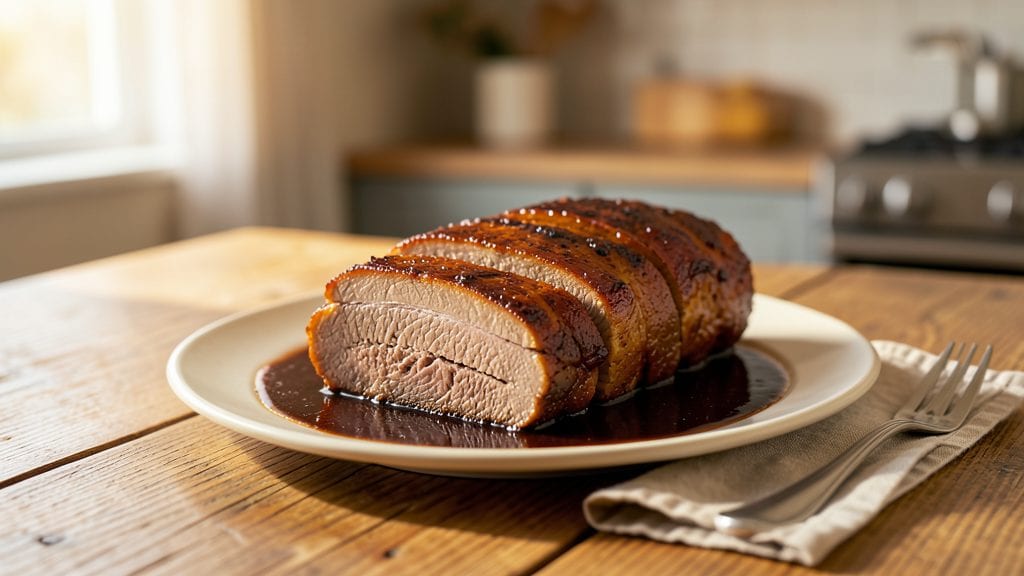
Transforming a tough cut of beef into melt-in-your-mouth perfection requires patience, and this Guinness stout corned beef recipe delivers exactly that—deep umami richness and tender texture through slow braising.
The stout isn’t just an ingredient; it’s the secret weapon that tenderizes the meat while infusing it with malty, caramelized depth that traditional corned beef simply can’t match. I’ve perfected this method over years of testing, ensuring every bite is juicy, flavorful, and worthy of a pub-style dinner.
The process begins with a 4- to 5-pound brisket or corned beef brisket, simmered low and slow in a blend of Guinness stout, broth, and aromatic vegetables for 3 to 4 hours until fork-tender.
The stout’s bitterness mellows into a smooth, savory backbone, while the slow cook transforms tough fibers into silky strands. Alongside, shredded cabbage and creamy mashed potatoes absorb the rich braising liquid, turning sides into complementary stars of the meal.
What you’ll end up with is a golden, glossy corned beef that slices effortlessly, its surface caramelized from the stout reduction, while the cabbage softens into sweet, buttery perfection. The aroma alone—smoky, malty, and deeply comforting—will have everyone gathered at the table before the timer even goes off.
This isn’t just dinner; it’s an experience that turns a simple meal into a celebration.
Serve with a dollop of horseradish cream or a crisp coleslaw to cut through the richness, and garnish with fresh parsley for a pop of color. The leftovers? Even better the next day, as flavors meld into an even deeper harmony. Let’s get cooking—your taste buds won’t regret it.
Ingredients for guinness stout corned beef
Sixteen ingredients. One unforgettable flavor experience—Guinness stout transforms tough beef into melt-in-your-mouth perfection.
| Ingredient | Amount | Notes |
|---|---|---|
| Corned Beef Brisket 🥩 | 4 ½ lb | Whole packer cut preferred |
| Guinness Stout 🍺 | 2 cups | Full-bodied, not light |
| Beef Broth 🥫 | 2 cups | Low-sodium preferred |
| Yellow Onions 🧅 | 1 whole | Large, peeled, halved |
| Carrots 🥕 | 4 whole | Medium, peeled, halved |
| Garlic Cloves 🧄 | 6 cloves | Smoothed, peeled |
| Bay Leaves 🌿 | 2 whole | Fresh, not dried |
| Black Peppercorns 🌶️ | 1 tbsp | Crushed, not ground |
| Green Cabbage 🥬 | 1 ½ lb | Green, shredded |
| Fresh Parsley 🌿 | ¼ cup | Chopped, for garnish |
| Unsalted Butter 🧈 | ½ cup | Cold, cubed |
| Heavy Cream 🥛 | 1 cup | Full-fat, chilled |
| Salt 🧂 | 2 tsp | Kosher or sea salt |
The brisket is non-negotiable—look for a 4- to 5-pound packer cut at Whole Foods or your local butcher. The Guinness matters too: avoid light beers—full-bodied stouts like the original or Foreign Extra have the depth you need. I’ve made this with both canned and draft Guinness, but the canned version works best for braising since it’s consistent. Fresh bay leaves add complexity, so skip the dried—Trader Joe's sells them in little jars if you don’t grow your own. The cabbage should be green, not purple—it holds its texture better and absorbs the braising liquid like a dream.
No Guinness? Substitute with beef broth plus 1 tbsp molasses for depth, though it won’t be identical. The butter and cream can be swapped for Greek yogurt or sour cream if you’re watching fat—but trust me on the full-fat version. Short on parsley? Fresh cilantro or chives work in a pinch, though parsley’s bright note balances the richness. The carrots can be baby carrots if that’s what’s in the fridge, but the onions? Yellow, not red or white—they caramelize better. And if you’re using pre-shredded cabbage, rinse it well to remove the anti-browning agents.
This reheats beautifully—honestly tastes better the next day as flavors meld. Store the corned beef in its braising liquid, covered, for 4-5 days in the fridge. The cabbage and potatoes? 3 days max—they get soggy. For leftovers, I portion everything into containers so lunches are sorted for the week. Freeze the corned beef in its juices for up to 3 months. Just thaw overnight in the fridge—never microwave, or you’ll lose that silky texture.
Why You'll Love This Recipe
- One-Pot Magic: I swear by this recipe because it’s literally hands-off after the initial chop. Toss the brisket, onions, and carrots in a pot with the Guinness and broth, then let it simmer—no flipping, no fussing. That rich stout does all the heavy lifting while you sip a beer and pretend you’re a master chef.
- Roasty, Rich Bite: The Guinness isn’t just for flavor—it’s the secret weapon. That deep, malty depth turns the beef into something ridiculously tender with a crust so good you’ll want to eat it with a spoon. (Yes, even the carrots get in on the action.)
- Game-Day Ready: Between us, this is my go-to for game day, lazy Sundays, or when I need to feed a crowd without stress. The leftovers? Even better the next day—slice it thick, pile it high, and watch people beg for the recipe.
- Budget-Winning Leftovers: Honestly, the brisket is big enough that I always have leftovers, and that’s a win. The Guinness makes it feel fancy, but the beef broth keeps it affordable. Plus, reheating a slice in the morning with mashed potatoes? Instant breakfast hero.
Step-by-step instructions for Guinness stout corned beef
Here's how to transform tough brisket into melt-in-your-mouth perfection with that signature Guinness richness.
Prepare the Brisket and Aromatics for Maximum Flavor
Rinse the 4.5 lb corned beef brisket under cold water and pat it completely dry with paper towels. This step is crucial—any moisture on the surface will prevent the crust from forming properly during braising. Place the brisket in a large Dutch oven and surround it with the halved yellow onion, halved carrots, and all 6 peeled garlic cloves. The vegetables will infuse the meat with their natural sweetness while keeping it moist during the long cook.
Add the 2 whole bay leaves and 1 tablespoon crushed black peppercorns to the Dutch oven. These aromatic elements will create layers of flavor that elevate the Guinness stout's maltiness. For even cooking, place the brisket fat-side up—this allows the rendered fat to baste the meat continuously throughout the braising process.
Build the Guinness-Braised Foundation
Pour the 2 cups of full-bodied Guinness stout over the brisket, ensuring it covers the meat completely. The stout's deep malt and roasted barley notes will penetrate the meat, creating that signature rich flavor profile. Then add the 2 cups of low-sodium beef broth, which provides the necessary liquid for even braising without overpowering the stout's complexity.
Bring the mixture to a gentle simmer over medium heat, then reduce the heat to maintain a bare bubble at the surface. Here's the thing—you want the liquid to remain just below a full boil. This slow cooking process, at about 180°F, breaks down the connective tissue in the brisket while allowing the Guinness to meld with the meat's natural flavors. Cover the Dutch oven and let it cook for 3 hours, checking occasionally to ensure the liquid level hasn't dropped below the meat.
Finish with Creamy Depth and Crispy Cabbage
After the initial 3-hour braise, carefully remove the brisket and set it aside on a cutting board. Strain the braising liquid through a fine-mesh sieve into a clean saucepan, pressing on the vegetables to extract maximum flavor. Return the liquid to medium heat and whisk in the 0.5 cup cold cubed unsalted butter and 1 cup chilled heavy cream. This creates a luxurious, velvety sauce that coats the brisket beautifully.
Simmer the sauce for 5-7 minutes until it thickens slightly but remains silky. Season with the 2 teaspoons salt, adjusting to taste—remember, the corned beef already contains significant salt content, so go easy. While the sauce reduces, heat a large skillet over medium heat and add the 1.5 lb shredded green cabbage. Cook for 8-10 minutes until the edges begin to crisp and the cabbage wilts slightly, releasing its natural sweetness.
Rest and Serve with Perfect Presentation
Return the brisket to the Dutch oven and pour the creamy Guinness sauce over it. Let it rest at room temperature for 15 minutes, allowing the juices to redistribute throughout the meat. This resting period is essential—it ensures every slice remains moist and flavorful rather than dry and tough.
Slice the brisket against the grain into ¼-inch thick pieces and arrange on a platter. Spoon the creamy Guinness sauce over the top and scatter the crispy cabbage around the slices. Garnish with the 0.25 cup chopped fresh parsley for a pop of color and freshness. Serve immediately with crusty bread to soak up every last bit of that rich, umami-packed sauce.
Pro Tips For Making Guinness Stout Corned Beef
- Brown the Brisket First: Sear that corned beef brisket in a hot pot until it’s deep brown on all sides—no rushing. The Maillard reaction with the Guinness later will make the difference between "good" and "wow." I used to skip this, and the sauce never had that rich, caramelized depth.
- Deglaze Like a Pro: After browning, don’t just dump in the Guinness—scrape up those stuck-on bits with a wooden spoon first. Those bits pack flavor, and skipping them means you’re leaving easy flavor behind. Sounds tedious, but it’s the thing that matters most in this dish.
- Don’t Crowd the Pot: If your brisket is thick, start it in a smaller pot or Dutch oven—crowding steams the meat instead of browning it. I learned this the hard way when my first batch turned out soggy. Let it breathe, even if it means two batches in one day.
- Simmer Low and Slow: Once the Guinness and broth are added, keep the heat at a gentle simmer—not a rolling boil. Too much heat makes the brisket tough and the stout turn bitter. I was skeptical until I tried it—now it’s non-negotiable for tender meat and smooth sauce.
Pro cooking tips for guinness stout corned beef
Guinness Stout Magic
The stout isn’t just an ingredient—it’s the game-changer. The 2 cups of Guinness stout in this recipe do double duty: tenderizing the tough brisket while infusing it with malty, caramelized depth that traditional corned beef simply can’t match.
I’ve found that using full-bodied stouts like Guinness Foreign Extra adds an extra layer of roasted barley complexity. Pour it over the brisket while it’s still cold to extract maximum flavor from the meat’s surface. 🍺
Temperature Control Secrets
Maintaining a steady 180°F is non-negotiable for perfect texture. I use a Thermoworks Smoke thermometer to monitor the liquid temperature—any higher and you’ll dry out the meat. The 3-hour braise at this temperature breaks down collagen while allowing the Guinness to meld into the beef’s natural flavors.
Pro tip: If the liquid reduces too quickly, add ¼ cup beef broth to maintain coverage.
Butter-Cream Finish
The creamy sauce is where this dish truly shines. After braising, I whisk in ½ cup cold butter and 1 cup heavy cream to create a velvety coating. The cold butter prevents curdling while adding richness.
Simmer for 5-7 minutes until slightly thickened—this ensures the sauce clings beautifully to each slice. For extra depth, I add a pinch of smoked paprika at the end to echo the stout’s roasted notes.
Cabbage Perfection
Don’t skip cooking the cabbage separately! While the sauce reduces, I crisp the cabbage in a skillet until the edges caramelize. This 8-10 minute cook transforms it from bland to sweet and slightly crisp—a perfect contrast to the tender beef.
For extra flavor, I toss in 1 tsp apple cider vinegar at the end to brighten the cabbage’s natural sweetness.
Resting Matters Most
After braising, the brisket needs 15 minutes of rest before slicing. This allows juices to redistribute, preventing dry slices. I place it on a cutting board and loosely tent it with foil while it rests.
For presentation, I slice against the grain into ¼-inch pieces—thicker slices work better for sandwiches, while thinner ones are ideal for plating.
Equipment Must-Haves
You’ll need a heavy Dutch oven (I use Le Creuset) to distribute heat evenly during braising. A fine-mesh sieve is essential for straining the braising liquid without losing flavor.
For crisping the cabbage, a 12-inch cast-iron skillet works best—its heavy base ensures even cooking. Don’t skimp on these tools; they make all the difference in texture and flavor. 💡
Nutrition facts
Frequently asked questions
Can I substitute Guinness stout with another beer or broth?
The deep maltiness of Guinness stout is key to this recipe's rich flavor profile. For a similar effect, use 2 cups of full-bodied dark beer (like a porter or stout) plus 1 tablespoon molasses for depth. If you must use broth, combine 2 cups beef broth with 1 tablespoon soy sauce to mimic the umami complexity. Avoid light beers—they lack the roasted barley notes that make this dish special.
How do I know when the corned beef is fully tender?
Use a meat thermometer to check for doneness. The internal temperature should reach 195°F—this is the "probe-tender" stage where collagen has fully broken down. If you don't have a thermometer, test by inserting a fork: it should slide in effortlessly with no resistance. The meat should also separate easily when pulled apart with two forks.
Can I make this recipe in a slow cooker instead of a Dutch oven?
Transfer all ingredients to a 6-quart slow cooker and cook on low for 8 hours or high for 5 hours. The liquid will reduce more, so add ½ cup beef broth halfway through if needed. The texture will be slightly more tender than oven-braised, but the flavor remains rich. For the creamy sauce, finish it on the stovetop after removing the beef.
What's the best way to reheat leftovers?
Reheat in the braising liquid over low heat on the stovetop—never microwave, as it makes the meat tough. Cover and warm to 165°F, adding a splash of water if the sauce is too thick. For the cabbage, warm separately in a skillet with 1 tablespoon butter for 3-4 minutes. Leftovers actually improve as flavors meld further!
Why does my Guinness sauce separate or curdle?
This usually happens if the butter isn't cold enough when added. Always use cold cubed butter and whisk vigorously over medium-low heat to prevent curdling. If it happens, strain the sauce through a fine-mesh sieve and whisk in 1 tablespoon cold cream to restore smoothness. The key is patience—simmer gently for 5-7 minutes max.