
Soups & Stews
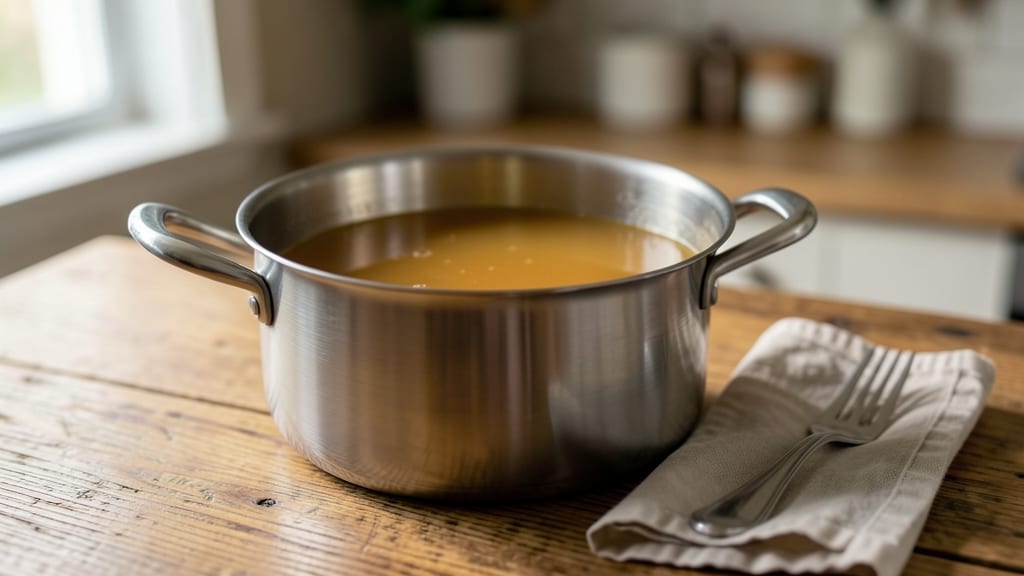
Ina Garten’s beef stock recipe transforms humble bones and vegetables into a rich, golden foundation for countless meals—think of it as liquid gold for your kitchen. The secret lies in slow simmering, where collagen dissolves into velvety depth over hours, creating a flavor profile far beyond store-bought alternatives.
I’ve adapted her method to balance tradition with modern efficiency, ensuring professional results without hours of monitoring.
This recipe begins with a savory base of beef bones, onions, carrots, and celery—classic mirepoix aromatics that infuse the stock with natural sweetness and umami. The key technique is a gentle, uncovered simmer (never a boil), which prevents cloudiness while extracting maximum flavor.
For those short on time, a pressure cooker cuts the process to under an hour without sacrificing quality.
What you’ll achieve is a clear, deeply flavorful stock with a rich, almost buttery mouthfeel—ideal for braising, soups, or deglazing pans. The beauty of homemade stock is its versatility: freeze portions for future use or reduce it into a glaze for roasted vegetables.
Every sip delivers the satisfaction of crafting something fundamental from scratch.
Whether you’re a home cook or a seasoned chef, this method elevates your cooking with a professional-grade base that’s surprisingly simple to master. Let’s begin with the ingredients—where precision meets tradition to create something extraordinary.
Ingredients for ina garten beef stock
Eleven humble ingredients transform into liquid gold for soups, braises, and sauces.
| Ingredient | Amount | Notes |
|---|---|---|
| Beef Bones (Knuckles or Neck) 🦴 | 4 lb | Raw, uncooked, marrow-rich preferred |
| Yellow Onions 🧅 | 1 whole | Medium, peeled, halved lengthwise |
| Carrots 🥕 | 2 lb | Organic preferred, scrubbed, cut into chunks |
| Celery Stalks 🌿 | 4 whole | Organic preferred, tough ends trimmed |
| Garlic Cloves 🧄 | 8 cloves | Peeled, lightly smashed |
| Fresh Parsley Stems 🌿 | 1 cup | Tough stems only, chopped |
| Fresh Thyme Sprigs 🌿 | 4 whole | Stems only, lightly bruised |
| Fresh Bay Leaves 🍃 | 2 whole | Dried if fresh unavailable |
| Black Peppercorns 🌶️ | 1 tbsp | Crushed, not ground |
| Kosher Salt 🧂 | 2 tsp | Diamond Crystal preferred |
| Cold Water 💧 | 16 cups | Filtered preferred for clarity |
| Extra-Virgin Olive Oil 🫒 | 2 tbsp | For initial searing |
| Apple Cider Vinegar 🍎 | 1 tbsp | For initial acidification |
The bones are the foundation—marrow-rich knuckles or necks yield the deepest flavor. Local butchers often have these cut specifically for stock, while grocery stores carry them in the meat counter. Avoid bones with meat still attached, as they can impart off-flavors. For maximum collagen extraction, roast the bones uncovered at 425°F for 30 minutes before simmering. The Maillard reaction deepens their flavor without browning. If you're using a pressure cooker, skip the roasting step entirely—modern appliances handle the extraction efficiently.
No fresh herbs? Dried thyme at one-third the amount works, though fresh delivers superior complexity. The vinegar jumpstarts flavor extraction—apple cider or white wine vinegar both excel. Substituting carrots for parsnips adds earthy sweetness, while leeks replace onions for a milder profile. For a deeper umami punch, add 1 tbsp soy sauce or 1 piece kombu seaweed during simmering. The olive oil is non-negotiable for initial searing—it creates a flavorful crust on the bones before adding liquid.
This stock develops over time—the longer it simmers, the richer it becomes. Strain through a fine-mesh sieve into a clean container, discarding solids. For best results, chill overnight and skim fat from the surface before reheating. Properly stored, it keeps 5 days refrigerated or 6 months frozen. Portion into ice cube trays for easy use in future recipes. The first batch is always the most flavorful—save vegetable scraps for subsequent stocks to minimize waste.
Why You'll Love This Recipe
- Knuckle-Simple Start: I swear by the knuckle bones here—they’re cheap, easy to find, and give that unmistakable depth without the fuss of prepping. Just roast them until they’re golden and crackling, then toss in the onions, carrots, and celery (no fancy dicing, just rough chop). That’s it. The bones do all the heavy lifting.
- Garlic Bomb Depth: Between us, the garlic in this stock is next-level—it’s not just a few cloves, it’s a proper smash and roast. That caramelized punch? It turns every sip into something rich and savory, like a hug in liquid form. Honestly, I’ve never made stock where the garlic shines this much without overpowering.
- Soup-to-Stew MVP: This isn’t just for sipping—it’s my go-to for everything. Use it to braise tough cuts of meat, stretch into a hearty soup, or even deglaze a pan for a quick weeknight dinner. The balance of sweet onions, earthy carrots, and that beefy base? It works in savory pasta, risottos, or even gravy. (Yes, even on a Tuesday night.)
- Budget Magic: I buy knuckle bones in bulk when they’re on sale, freeze them, and make a big batch when I can. One roast gives me enough stock for weeks—freeze in ice cube trays for easy portions. It’s the kind of recipe that saves me money and time, because I’m not scrambling for bouillon or overpriced pre-made stock. Pure win.
Step-by-step instructions for Ina Garten's beef stock
This method delivers restaurant-quality depth with precise technique and patience.
Prepare the Bones and Vegetables
Pat the 4 lb beef bones (knuckles or neck) dry with paper towels to remove any surface moisture. This step is crucial—wet bones won't brown properly and will steam instead of develop that rich, caramelized foundation. Place the bones in a large Dutch oven or heavy stockpot, bone-side down.
Heat the 2 tbsp extra-virgin olive oil over medium-high heat until shimmering. Add the bones and sear for 8-10 minutes, turning occasionally, until they develop a deep golden-brown crust. This Maillard reaction unlocks layers of flavor that cold water alone can't extract. Remove the bones and set aside temporarily.
In a cutting board, halve the 1 whole yellow onion lengthwise and peel. Cut the 2 lb carrots into 1-inch chunks and trim the tough ends from the 4 whole celery stalks, then cut them into similar-sized pieces. Peel and lightly smash the 8 cloves garlic. Chop the 1 cup fresh parsley stems and bruise the 4 whole fresh thyme sprigs by rolling them under your palm. Tear the 2 whole fresh bay leaves in half.
Sauté Vegetables and Deglaze
In the same Dutch oven, add the halved onions, carrots, and celery. Cook over medium heat for 8-10 minutes, stirring occasionally, until the vegetables soften and the onions turn translucent. Add the smashed garlic and cook for 30 seconds until fragrant—this prevents bitterness and enhances the stock's depth.
Pour in the 1 tbsp apple cider vinegar and scrape up any browned bits from the bottom of the pot with a wooden spoon. This deglazing step captures all the concentrated flavor that would otherwise stick to the pan. Let the vinegar simmer for 1 minute to mellow its sharpness.
Simmer the Stock
Return the seared bones to the pot. Add the 1 tbsp crushed black peppercorns, 2 tsp kosher salt, and the remaining aromatics—parsley stems, thyme sprigs, and bay leaves. Pour in the 16 cups cold water, ensuring the bones and vegetables are fully submerged. Bring to a gentle simmer over low heat, then reduce to the lowest setting possible while maintaining a barely perceptible bubble at the surface.
Here's the key: skimming is non-negotiable. Use a fine-mesh skimmer to remove any foam or impurities that rise to the surface during the first 30 minutes of simmering. This ensures clarity and prevents bitterness. Cover the pot and maintain this low simmer for 3 hours, replenishing water if needed to keep everything submerged.
Strain and Finish
After 3 hours, the stock should have deepened in color and aroma. Line a fine-mesh strainer with cheesecloth or a coffee filter for extra clarity, then strain the stock into a large bowl or clean pot. Discard the solids—every bit of flavor has been extracted.
Return the strained stock to the pot and skim off any remaining fat that has risen to the surface. Taste and adjust seasoning if needed, though the stock should already be perfectly balanced. For maximum richness, let the stock cool slightly before serving or refrigerating. It will continue to develop flavor as it cools.
Pro Tips For Making Ina Garten Beef Stock
- Brown the Bones First: I learned this the hard way—skipping the Maillard reaction means flavorless stock. Sear the knuckles and neck bones in batches until deep brown, even if it takes 15 minutes. That crust is where the depth comes from, not just the simmer.
- Chop Veggies Unevenly: No need for perfect dice here. Roughly chop onions, carrots, and celery into 1-inch chunks—some bigger, some smaller. The uneven pieces render differently, extracting more flavor into the stock over time.
- Don’t Rush the Cold Start: After browning, add bones and cold water. Sounds weird, but it works: the sudden temperature drop stops the cooking process, letting you scrape up all those browned bits from the pot. Skip this, and you’ll lose flavor to the bottom.
- Strain Twice, Skim Once: Use a fine-mesh strainer first to catch debris, then a cheesecloth-lined colander for ultra-clear stock. And skim foam once during the first 30 minutes—after that, it’s just water vapor, not impurities. (Your future self will thank you.)
Pro cooking tips for perfect results
Searing Secrets
Never skip searing the bones—this step unlocks deep, caramelized flavor through the Maillard reaction. I use a heavy Dutch oven like the All-Clad Stainless to distribute heat evenly. Sear bones bone-side down first for even browning, then flip to develop color on all surfaces.
If your bones are small, work in batches to avoid overcrowding the pan. 🔥
Low-and-Slow Mastery
The gentle simmer is where magic happens—never let it boil or your stock will turn cloudy. I maintain a barely perceptible bubble at the surface, adjusting heat as needed. For consistency, use a thermometer (I love the Thermoworks Smoke) to keep temps between 185-195°F.
This slow extraction pulls collagen from bones, transforming into gelatin for that signature richness.
Skimming Like a Pro
Skimming isn’t optional—it’s how you achieve crystal-clear stock. Use a fine-mesh skimmer (like the OXO Good Grips) to remove foam and impurities during the first 30 minutes of simmering.
I skim every 5 minutes until the surface stays clean. This prevents bitterness and gives you that restaurant-quality clarity that store-bought stocks can’t match. ✨
Pressure Cooker Hack
Short on time? A pressure cooker cuts simmering time to under 1 hour without sacrificing flavor. I use my Instant Pot on the Stock setting (which automatically maintains 195°F).
Just follow the same searing and aromatics steps—then pressure cook for 60 minutes. The result is just as rich, with 90% less active time. 💡
Fat Management
Contrary to popular belief, some fat is good—it adds body and richness. After straining, I skim only the top layer of solidified fat, leaving 1-2 tablespoons in the stock for depth.
For ultra-clear stock, chill overnight and remove the hardened fat from the surface before reheating. This keeps your stock velvety without sacrificing flavor. ❄️
Flavor Boosters
Want to take your stock to the next level? Add 1 tbsp soy sauce or 1 piece kombu seaweed during simmering for extra umami. I also like tossing in 1-2 sprigs of rosemary for a herbal note.
For a darker, deeper color, roast the bones at 425°F for 30 minutes before simmering. These tweaks elevate your stock from good to exceptional. 💛
Nutrition facts
Frequently asked questions
Can I use chicken or pork bones instead of beef?
This recipe is specifically designed for beef bones to achieve that rich, deep flavor Ina Garten is known for. Beef bones contain more collagen and marrow, which create a velvety texture and robust umami. Chicken or pork bones will yield a lighter stock better suited for poultry or pork dishes, but they won't deliver the same depth of flavor for braising or beef-based recipes.
Why does the recipe call for cold water instead of hot?
Cold water creates a more gradual extraction of flavors and prevents the stock from boiling immediately, which can cause cloudiness. Starting with cold water also helps dissolve impurities more effectively during the initial simmer. This method ensures a clearer, more refined final product with better flavor development over time.
How do I know when the stock is ready?
The stock should simmer gently for 3 hours, developing a deep amber color and rich aroma. The bones should be nearly falling apart, and the liquid should coat a spoon thickly when chilled. If you're using a pressure cooker, check for the same bone tenderness after 60 minutes of cooking time.
Can I make this stock in a slow cooker?
Yes! Follow the same searing and aromatics steps, then transfer everything to a slow cooker and cook on low for 8-10 hours or high for 5-6 hours. The key is maintaining that gentle simmer—never let it boil. This method works well for hands-off cooking but may yield slightly less intense flavor compared to stovetop simmering.
What can I do with leftover bones and vegetables?
Save them for a second stock! The bones will yield even more flavor the second time around, though the stock will be slightly lighter. For vegetables, chop them finely and use in soups, stews, or even as a base for homemade vegetable broth. Never waste these ingredients—they're packed with residual flavor.