
Main Courses
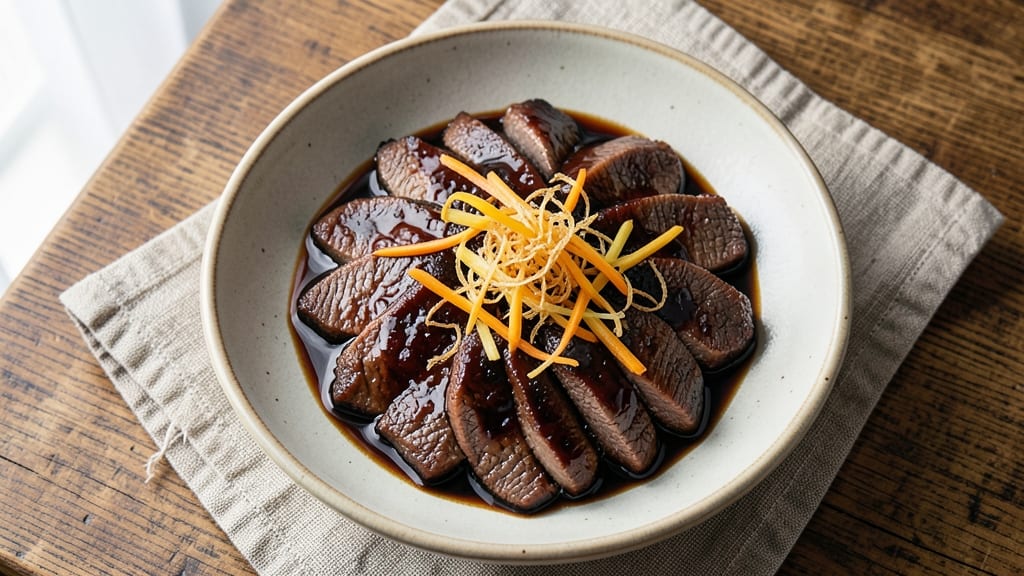
Japanese beef heart recipe transforms a humble offal into a restaurant-worthy dish with deep umami and silky tenderness. After years of perfecting this technique—inspired by kimo traditions—I’ve developed a method that tenderizes the meat while preserving its natural richness.
The key lies in precise preparation and a soy-sake glaze that balances sweetness with savory depth.
What sets this recipe apart is the two-step cooking process: first, a gentle simmer to break down collagen, then a quick sear to lock in flavors. Unlike traditional beef heart sukiyaki, this version uses a reduced glaze for a glossy finish that clings to every bite.
The result? A dish that’s both culturally authentic and adaptable to modern tastes.
By the end, you’ll have perfectly tender slices with a caramelized crust, served with steamed rice or miso soup. The umami-rich glaze cuts through the meat’s natural richness, creating a harmonious balance. This isn’t just a recipe—it’s a culinary experience that respects tradition while delivering professional results at home.
Ready to elevate your Japanese cooking? Let’s begin with the essential prep steps—where technique makes all the difference.
Ingredients for japanese beef heart
Authentic Japanese ingredients transform humble beef heart into restaurant-quality umami richness.
| Ingredient | Amount | Notes |
|---|---|---|
| Beef Heart 🥩 | 1 ½ lb | Fresh, trimmed of fat and gristle |
| Soy Sauce 🍶 | ½ cup | Japanese-style, reduced variety |
| Dry White Wine 🍷 | ½ cup | Sake or dry sherry substitute |
| Mirin 🍯 | ¼ cup | Sweet rice wine, or sub honey |
| Sugar 🍚 | 2 tbsp | Granulated, for glaze balance |
| Fresh Ginger Root 🌿 | 2 tbsp | Finely grated, peeled |
| Garlic Cloves 🧄 | 6 cloves | Minced, fresh preferred |
| Green Onions 🧅 | 4 whole | White and green parts separated |
| Sesame Oil 🫒 | 1 tbsp | Toasted, for finishing |
| Vegetable Oil 🫒 | 2 tbsp | High smoke point for searing |
| Diamond Crystal Kosher Salt 🧂 | 1 ½ tsp | For curing and seasoning |
| Black Peppercorns 🌶️ | ½ tsp | Freshly cracked |
| Water 💧 | 2 cups | Filtered for clarity |
The beef heart is the foundation—sourcing matters. Local butchers or specialty markets often carry whole hearts, but if pre-cut, ensure it's trimmed of fat and gristle. The marbling should be visible but not excessive. For the glaze, Japanese soy sauce and mirin create the signature balance—Kikkoman soy sauce and Horn Imports mirin are reliable brands. Fresh ginger and garlic should be vibrant and firm, with no signs of sprouting or drying. The green onions add freshness, so choose bright, crisp stalks with minimal yellowing.
Substitutions require precision. No mirin? Substitute 1 tbsp honey plus 1 tbsp water—the acidity is key. Dry white wine can be swapped for equal parts sake and water, but sake's umami depth is ideal. For ginger, powdered works at half the amount, though fresh delivers superior flavor. The beef heart can be substituted with beef tongue or liver for similar texture, though cooking times vary. If using pre-trimmed hearts, pat dry thoroughly before curing to prevent excess moisture in the glaze. The sugar can be brown sugar for deeper caramel notes.
Proper storage ensures optimal results. The cured beef heart can be refrigerated for up to 3 days before cooking, though it's best prepared fresh. The glaze components keep separately for 1 week in the fridge, with the mirin and soy sauce lasting 6-12 months unopened. Once glazed, the beef heart reheats beautifully—steam or pan-sear for 2-3 minutes to restore tenderness. Portion into airtight containers with a thin layer of glaze to maintain moisture. For long-term storage, freeze the glazed heart for up to 3 months, thawing overnight in the fridge.
Why You'll Love This Recipe
- One-Pan Magic: I swear by this recipe when I’m too tired to deal with multiple pans. Just slice the beef heart thin, toss it in the marinade of soy, mirin, and wine, and let it sear in one skillet—no flipping, no fussing. The sugar caramelizes right there, turning the edges glossy while keeping the center tender.
- Umami Bomb: That first bite? Chef’s kiss. The beef heart soaks up the soy and mirin like a sponge, then gets this deep, savory punch from the wine reducing into the pan. It’s not just "good"—it’s the kind of flavor that makes you pause mid-bite and go, "Wait, how is this so good?"
- Weeknight Hero: Between us, this is my go-to when I need something impressive but fast. Serve it over rice with quick-pickled veggies, or toss it into ramen for a protein boost. Even my picky-eating partner asks for seconds—(yes, even on a Tuesday night).
- Budget Powerhouse: Beef heart is a game-changer for my grocery budget—it’s lean, hearty, and costs a fraction of steak. A single package stretches for two meals, and the leftovers? They reheat beautifully in a stir-fry or wrapped in rice bowls. Honestly, it’s the most practical way to eat fancy.
Step-by-step instructions for Japanese beef heart with soy-sake glaze
This method transforms tough beef heart into silky, umami-rich slices through precise curing and slow simmering.
Cure and Sear the Beef Heart
Begin by trimming the 1.5 lb beef heart of any remaining fat and gristle, then slice it into ¼-inch thick medallions. In a large bowl, combine the 0.5 cup soy sauce, 0.5 cup dry white wine, 0.25 cup mirin, 2 tbsp sugar, 1.5 tsp diamond crystal kosher salt, and 0.5 tsp freshly cracked black peppercorns. Add the beef heart medallions and marinate for 30 minutes at room temperature, turning occasionally.
Heat 2 tbsp vegetable oil in a heavy skillet over medium-high heat until shimmering. Working in batches to avoid crowding, sear the beef heart for 2 minutes per side until deeply browned but still slightly undercooked in the center. Remove from the skillet and set aside—the seared exterior will lock in flavors during simmering.
Build the Aromatic Base
In the same skillet, reduce heat to medium and add 2 tbsp finely grated fresh ginger root and 6 cloves minced garlic. Sauté for 1 minute until fragrant but not browned—this prevents bitterness. Deglaze immediately with 2 cups water, scraping up any browned bits from the bottom of the pan. These fond-rich particles carry concentrated flavor.
Return the seared beef heart to the skillet and bring the liquid to a gentle simmer. Partially cover and cook for 20 minutes, stirring occasionally, until the beef heart becomes fork-tender but still holds its shape. The liquid should reduce by about one-third, creating a glossy glaze.
Finish with Umami Depth
Remove the beef heart from the skillet and set aside. Strain the cooking liquid through a fine-mesh sieve into a clean saucepan, pressing on the solids to extract maximum flavor. Return the strained liquid to medium heat and reduce by half—this intensifies the soy-sake glaze. Taste and adjust seasoning with additional soy sauce if needed.
Return the beef heart to the reduced sauce and simmer for an additional 5 minutes. The medallions should now be fork-tender with a glossy sheen. Stir in 1 tbsp toasted sesame oil and 4 whole green onions (white and green parts separated), reserving the green tops for garnish. Let the beef heart absorb the aromatic glaze for 2 minutes off heat.
Plate and Serve with Precision
Arrange the beef heart medallions on a warmed platter, spooning the glaze generously over each piece. Garnish with the reserved green onion tops and a drizzle of additional sesame oil. Serve immediately with steamed rice or stir-fried vegetables to complement the rich, umami-forward profile.
Each slice should offer a perfect balance of tender texture and deep flavor—no chewiness remains when prepared correctly. The soy-sake glaze should coat the beef heart evenly, delivering a harmonious blend of sweet, salty, and savory notes in every bite.
Pro Tips For Making Japanese Beef Heart
- Trim the Fat First: Beef heart has layers of connective tissue and fat that won’t tenderize—slice it against the grain after removing all visible fat and silver skin. I used to skip this, and the texture stayed chewy even after hours of braising. A sharp knife and 10 minutes of prep save you from tough bites later.
- Deglaze with Wine Early: Don’t wait for the heart to brown before adding the white wine—pour it in right after searing to dissolve the fond. The alcohol evaporates faster this way, and you’ll get deeper flavor without waiting for a second sear. (Yes, even if you’re impatient like me.)
- Reduce the Sauce Hard: The Japanese beef heart sauce needs to coat a knife, not just glaze it. Simmer the soy-mirin-sugar mix until it’s syrupy—about 3/4 cup reduced from 1 cup—and stir often. I learned this the hard way: watery sauce turns mushy heart every time.
- Use Less Sugar at First: Start with half the sugar called for, taste after 10 minutes, then add more if needed. The mirin and soy already bring sweetness, and you don’t want to caramelize it into bitterness. (Your future self will thank you for not overdoing it.)
Wine and beer pairings for these flavors
Sake Pairing Perfection
The rich umami depth of this Japanese beef heart demands a dry, crisp sake with matching complexity. I reach for Junmai Daiginjo from Niigata—its delicate floral notes and clean finish cut through the dish's intensity without overpowering.
For a more affordable option, Dassai 23 offers similar balance with its subtle citrus undertones. Serve slightly chilled (45-50°F) to enhance its refreshing qualities against the warm beef. 🍶
Umami-Forward Wines
Japanese reds like Koshu or Cabernet Sauvignon from Yamanashi complement the soy-sake glaze beautifully. Their earthy, slightly smoky profiles mirror the dish's umami while adding tannic structure. For white options, Fukuyama Domain Muscat brings honeyed sweetness that harmonizes with the mirin. Avoid bold wines—they'll clash with the delicate glaze.
Beer Contrasts
A light Japanese lager like Asahi Super Dry provides crisp contrast to the rich beef. Its subtle hop bitterness cleanses the palate between bites, while Sapporo Premium Beer offers a smoother, more approachable option.
For craft beer lovers, a Belgian witbier with its peppery notes adds unexpected complexity. Avoid heavy stouts—they'll compete with the dish's umami.
Non-Alcoholic Options
For a refreshing non-alcoholic pairing, try Yakult with its tangy probiotic notes. The lactic acid brightens the palate between rich bites. Alternatively, Japanese green tea (sencha) at 160°F brings subtle bitterness that complements the glaze's sweetness. Serve in a kyusu teapot for authentic presentation.
Serving Temperature Tips
Always serve sake and wine slightly chilled (45-50°F) to preserve their delicate aromas. Beer should be served at 40-45°F—too warm and the hop bitterness becomes harsh.
I keep my Yeti cooler stocked with ice packs for perfect temperature control. The right temperature makes all the difference in highlighting each beverage's unique qualities. ✨
Nutrition facts
Frequently asked questions
Is beef heart safe to eat raw or undercooked?
Never eat beef heart raw or undercooked—it must be cooked to an internal temperature of 145°F to destroy harmful bacteria. This recipe's 30-minute simmer ensures complete safety while maintaining tenderness. Always use a meat thermometer to verify doneness.
Can I substitute beef heart with another offal?
Yes, but texture and cooking time vary. Beef tongue works best—simmer for 1.5 hours instead of 30 minutes. Pork heart requires 20 minutes of simmering, but the flavor profile differs. For closest results, stick to beef heart or use beef short ribs (adjust glaze to 45 minutes).
Why does my beef heart turn out chewy?
Overcooking is the most common cause. The 20-minute simmer should render collagen without drying—if it's rubbery, reduce time by 5 minutes next try. Also, ensure you're using ¼-inch thick medallions (thicker slices need more time). A quick sear before simmering locks in moisture.
How do I store leftovers?
Portion glazed beef heart into airtight containers with a thin layer of sauce to prevent drying. Refrigerate for 3 days or freeze for 3 months. Reheat gently in a skillet with 1 tbsp water for 2-3 minutes to restore tenderness. Never microwave—it makes the meat tough.
What's the best way to trim beef heart?
Start by removing the thick outer membrane (use a sharp knife to score and peel). Trim all visible fat and gristle—focus on the ventricular side (thicker, more muscular). For even cooking, slice into ¼-inch medallions perpendicular to the muscle fibers. Rinse and pat completely dry before curing.