
Main Courses
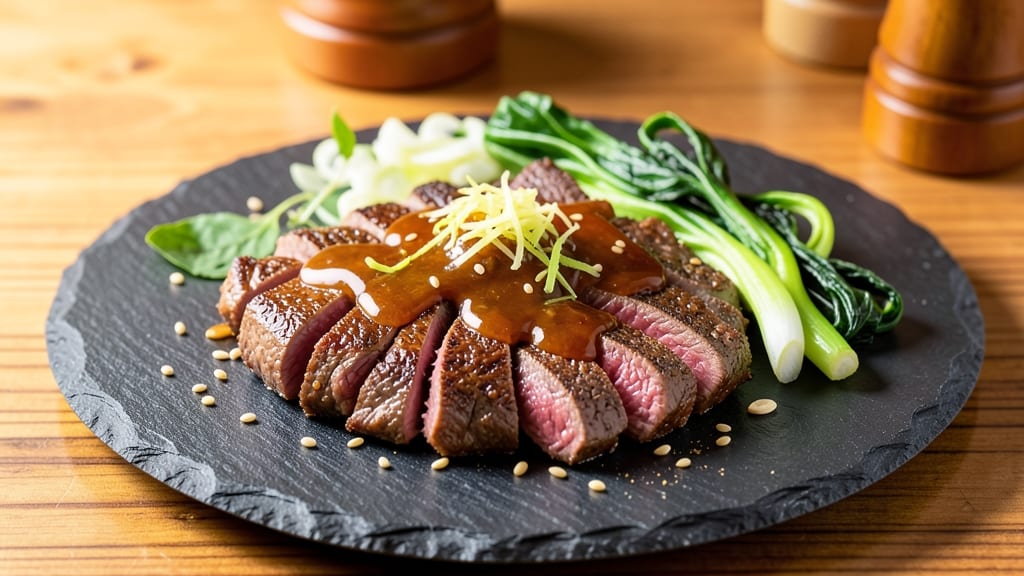
This authentic Japanese beef teriyaki recipe delivers the restaurant-quality experience you crave—tender, seared beef with a glossy, balanced glaze that's sweet, savory, and just slightly tangy. The secret lies in proper sauce reduction and teppanyaki-style searing, which creates that signature caramelized crust while keeping the interior juicy.
I've perfected this technique after years of testing, ensuring every element comes together for a dish that feels like a visit to Tokyo's best izakaya.
The process begins with marinating thinly sliced beef in a simple soy-mirin mixture, which tenderizes and infuses flavor. Then, the sauce—a harmonious blend of soy, mirin, sugar, and ginger—is reduced to a thick, syrupy consistency that clings beautifully to the meat.
The key is high-heat searing, just like professional chefs do, followed by a quick glaze that locks in moisture and adds that signature shine.
What you'll end up with is perfectly balanced teriyaki—sweet enough to please, but with enough umami depth to satisfy. The beef develops a crispy crust while staying tender inside, and the sauce achieves that glossy finish that makes every bite irresistible.
This isn't just another teriyaki recipe; it's the authentic version that captures the soul of Japanese home cooking.
Serve it over steamed rice, alongside steamed vegetables, or with a side of miso soup for the complete experience. The presentation is just as important as the flavor—plate it beautifully with fresh ginger slices and scallions for that final touch of authenticity. Let's get cooking!
Ingredients for authentic japanese beef teriyaki
Authentic Japanese teriyaki relies on premium ingredients for restaurant-quality results—thinly sliced beef and balanced sauce components.
| Ingredient | Amount | Notes |
|---|---|---|
| Ribeye Steak 🥩 | 1 ½ lb | Thinly sliced against grain |
| Kosher Soy Sauce 🥫 | ½ cup | High-quality, low-sodium preferred |
| Dry White Wine 🍷 | ¼ cup | Sauvignon Blanc or Pinot Grigio |
| Mirin 🍶 | ¼ cup | Sweet, non-alcoholic preferred |
| Granulated Sugar 🍚 | ¼ cup | White sugar for proper balance |
| Fresh Ginger Root 🧄 | 2 tbsp | Finely grated, aromatic |
| Garlic Cloves 🧄 | 4 cloves | Minced, aromatic intensity |
| Sesame Oil 🫒 | 1 tbsp | Toasted, for finishing |
| Neutral Oil 🫒 | 2 tbsp | Avocado or vegetable oil |
| Diamond Crystal Kosher Salt 🧂 | 1 tsp | For seasoning and balancing |
| Black Pepper 🌶️ | ½ tsp | Freshly ground for heat |
| Green Onions 🧅 | 3 whole | Sliced, for garnish |
| Japanese Rice Vinegar 🍶 | 1 tbsp | For subtle tang |
The beef selection is critical—ribeye delivers the perfect marbling for flavor and tenderness. Look for thinly sliced cuts at your local Asian grocery store or butcher, ideally pre-sliced for convenience. If slicing yourself, freeze the meat for 20 minutes before thinly slicing against the grain. For the sauce, Kikkoman soy sauce is a reliable choice, though Japanese market brands like Hajime offer superior depth. Fresh ginger and garlic should be bright and aromatic—avoid dried substitutes for this dish.
No mirin? Substitute equal parts dry sherry and sugar to mimic the sweetness and slight acidity. Short on wine? Replace with extra mirin or a splash of rice vinegar for balance. The sugar can be swapped for honey or maple syrup, though white sugar ensures proper caramelization. For the sesame oil, toasted sesame oil (found at Trader Joe's or H Mart) adds authentic nuttiness. If you're using pre-sliced beef, ensure it's thin and even—uneven slices lead to inconsistent cooking.
Store the sauce base (without oil) in an airtight glass jar for up to 1 week in the fridge. The beef should be cooked immediately after slicing for optimal texture. For meal prep, portion the sauce separately and combine with beef just before serving to maintain freshness. The dish reheats beautifully—gentle heat on the stovetop preserves the sauce's glossy finish. Garnish with green onions right before serving for vibrant presentation.
Why You'll Love This Recipe
- Here’s what sold me: the sauce thickens beautifully when reheated, so leftovers taste just as good cold in wraps or over noodles. Plus, you’re using a whole ribeye for less than two meals—budget win.
- One-Pan Magic: I swear by this—just sear the ribeye, toss in the sauce (soy, wine, mirin, sugar), and let it simmer. No chopping, no fuss, and the pan does all the work while you sip your wine.
- Sweet-Savory Balance: That caramelized glaze? It’s the sugar and mirin working together—sticky, rich, with just the right tang from the wine cutting through. The ribeye stays juicy, and the sauce? Dangerously addictive.
- Weeknight or Date Night: Between us, this is my go-to for both lazy Tuesdays and impressing guests. Serve it over rice with quick steamed greens, and suddenly you’re a teriyaki pro—no takeout needed.
Step-by-step instructions for authentic Japanese beef teriyaki
Here's the precise method to achieve that signature glossy glaze and perfect sear.
Prepare the Ribeye for Maximum Flavor
Begin by slicing the 1.5 lb ribeye steak thinly against the grain using a sharp knife. I recommend cutting each slice about ¼-inch thick for even cooking. Pat the slices completely dry with paper towels—this step is crucial for developing that signature crust.
Season each slice generously with 1 tsp Diamond Crystal kosher salt and 0.5 tsp black pepper, pressing the seasoning into the meat. Let the seasoned slices sit at room temperature for 15-20 minutes while you prepare the teriyaki sauce. This resting period ensures even cooking and prevents cold spots in the center.
Create the Glossy Teriyaki Glaze
In a medium saucepan, combine 0.5 cup kosher soy sauce, 0.25 cup dry white wine, 0.25 cup mirin, 0.25 cup granulated sugar, 2 tbsp finely grated fresh ginger root, and 4 minced garlic cloves. Bring to a simmer over medium heat, then reduce to low heat and let cook for 10-12 minutes until the mixture thickens slightly.
Here's the thing—you want the sauce to reduce enough to coat the back of a spoon but still remain glossy. Stir occasionally and taste as you go, adjusting the sugar if needed. The alcohol from the wine and mirin will cook off during this process, leaving behind a more complex flavor profile. Once thickened, remove from heat and stir in 1 tbsp Japanese rice vinegar. This final addition brightens the sauce and balances the sweetness.
Sear the Beef to Perfection
Heat 2 tbsp neutral oil in a large skillet over high heat until shimmering. Working in batches if needed, add the seasoned beef slices and sear for 1-2 minutes per side until they develop a deep golden-brown crust. The key here is not to overcrowd the pan—this ensures proper heat transfer and prevents steaming.
Once seared, remove the beef from the pan and set aside on a plate. The slices should be caramelized on the outside but still slightly pink in the center. If you notice the sauce starting to darken too quickly during searing, reduce the heat slightly to prevent burning. This is where that initial high heat pays off—it creates that essential crust that holds up to the glossy sauce.
Finish with the Teriyaki Glaze
Return the skillet to medium heat and add the prepared teriyaki sauce. Let it simmer for 2-3 minutes until it begins to bubble gently and thicken slightly. Then, add the seared beef slices back to the pan and spoon the sauce generously over each piece. Cover the skillet and let it cook for an additional 3-4 minutes to allow the flavors to meld.
The sauce should now cling beautifully to the beef, creating that signature glossy finish. If the sauce appears too thick, add 1-2 tablespoons of water to reach your desired consistency. The beef should be cooked to your preferred doneness—medium-rare is ideal for this dish, with a slight pink center.
Garnish and Serve Immediately
Transfer the beef teriyaki to a serving platter and drizzle any remaining sauce from the pan over the top. Garnish with 3 sliced green onions and a final drizzle of 1 tbsp toasted sesame oil. Serve immediately while the sauce is still glossy and the beef is piping hot.
Each bite should deliver a perfect balance of flavors—the deep umami from the soy sauce, the bright acidity from the rice vinegar, the sweetness of the mirin and sugar, and the aromatic warmth of the ginger and garlic. The seared crust provides a satisfying contrast to the tender beef and glossy glaze, making every mouthful memorable.
Pro Tips For Making Authentic Japanese Beef Teriyaki
- Sear the Steak First: Hit that ribeye with a screaming-hot pan—no oil needed, just the natural fats—until you get deep caramelization on both sides. I learned this the hard way: skipping the sear means your teriyaki sauce will just cling like sad, flavorless glue instead of clinging like a glossy, savory hug.
- Reduce the Sauce Right: Simmer your teriyaki mix (soy, wine, mirin, sugar) until it coats the back of a spoon—about 8-10 minutes. After burning three batches, I finally figured out: rushing this step leaves you with a watery glaze that’ll make your dish taste like sad, diluted broth.
- Use Real Mirin, Not Substitute: Skip the "mirin substitute" and track down actual hon mirin—it’s sweeter, smoother, and adds that unmistakable depth. I was skeptical until I tried it: the sauce went from "meh" to "wow" in one swap, and the wine didn’t taste like it was fighting for dominance.
- Rest the Meat Before Slicing: Give that ribeye a solid 5-10 minutes under foil after cooking—yes, even if you’re impatient like me. Cutting too soon turns your perfect slices into sad, stringy messes, and nobody wants that when they’ve put in this much effort.
Troubleshooting perfect results
Sauce Too Thin
If your teriyaki sauce isn't coating the beef properly, you likely didn't reduce it enough. The sauce should thicken to a syrupy consistency—like honey—that clings beautifully to the meat. To fix this, simmer the sauce uncovered over medium-low heat for an additional 5-7 minutes, stirring frequently.
If it starts to darken too much, add 1 tsp mirin or rice vinegar to balance the color and flavor. For future attempts, reduce the sauce until it coats the back of a spoon but remains glossy. 🌡️
Beef Overcooked
Teriyaki beef should be tender with a slight pink center—medium-rare is ideal. Overcooking happens when you either sear too long or cook with the sauce too aggressively. To prevent this, sear beef in single batches over high heat for just 1-2 minutes per side, then remove immediately.
When finishing with the sauce, keep the heat at medium-low and cook for only 3-4 minutes total. Use a meat thermometer to check—130-135°F internal temp is perfect for medium-rare. 🥩
Sauce Too Sweet
The balance of sweet, salty, and umami is critical in teriyaki. If your sauce tastes overly sweet, it likely needs more savory depth. Stir in 1-2 tsp additional soy sauce and let it simmer for 1-2 minutes to meld.
For a brighter finish, add ½ tsp grated ginger or 1 tsp rice vinegar to cut through the sweetness. Taste as you go—authentic teriyaki should have a harmonious sweet-savory-sour profile, not cloying sweetness. 🍶
Dull, Non-Glossy Sauce
A lackluster sauce usually means it wasn't reduced enough or lacks the right fat balance. For extra shine, stir in 1 tsp toasted sesame oil or 1 tbsp neutral oil at the end.
If the sauce is still flat, simmer it longer until it thickens further—3-5 minutes more should do the trick. For future batches, ensure your saucepan isn't too large; a smaller pan concentrates the flavors and helps achieve that signature gloss. ✨
Beef Too Dry
Dry beef often results from overcrowding the pan or cooking too long. To fix this, sear beef in small batches over high heat to develop a crust quickly, then remove immediately. When adding the sauce, keep the heat medium-low and cover the pan to trap steam.
For extra moisture, add 1-2 tbsp water or beef broth to the sauce before finishing. Always let the beef rest for 2-3 minutes after cooking to redistribute juices. 💧
Uneven Cooking
Thin slices cook faster than thick ones, leading to inconsistent doneness. For even cooking, slice beef ¼-inch thick and pat it completely dry before seasoning. If some pieces cook faster, remove them early and finish them separately in the sauce.
Use a light-colored pan (like stainless steel) to monitor color better—dark pans can hide doneness. For thicker slices, reduce searing time to 30-45 seconds per side. 🔥
Nutrition facts
Frequently asked questions
Why does authentic teriyaki sauce need wine and mirin?
The wine adds depth and helps cook off the alcohol, while mirin provides that signature sweetness without overpowering the umami. Together, they create a balanced sauce with a glossy finish. For authenticity, never substitute with regular cooking wine—use a dry white like Sauvignon Blanc.
Can I make teriyaki beef ahead of time?
While the beef should be cooked fresh, you can prep the sauce up to 3 days ahead and store it in an airtight container. For the beef itself, cook it just before serving to maintain that perfect sear and glossy sauce. Reheat gently on the stovetop with a splash of water to restore moisture.
What's the best way to slice beef for teriyaki?
Freeze the beef for 20 minutes first to firm it up, then slice against the grain into ¼-inch thick pieces. Use a sharp knife and work quickly to prevent the meat from warming too much. Pre-sliced beef from an Asian market saves time and ensures even cooking.
How do I know when the sauce is reduced enough?
The sauce should coat the back of a spoon but remain glossy—not syrupy. It should take about 10-12 minutes of simmering over medium-low heat. If it darkens too much, add 1 tsp rice vinegar to brighten it. The perfect consistency clings beautifully to the beef without being sticky.
What's the best rice to serve with teriyaki beef?
Japanese short-grain rice like Koshihikari is ideal—it's sticky and absorbs the teriyaki sauce beautifully. Cook it to a slightly firm texture (about 1:1.1 rice-to-water ratio) and serve hot. For extra authenticity, use a rice cooker with a steaming basket for veggies.