
Main Courses
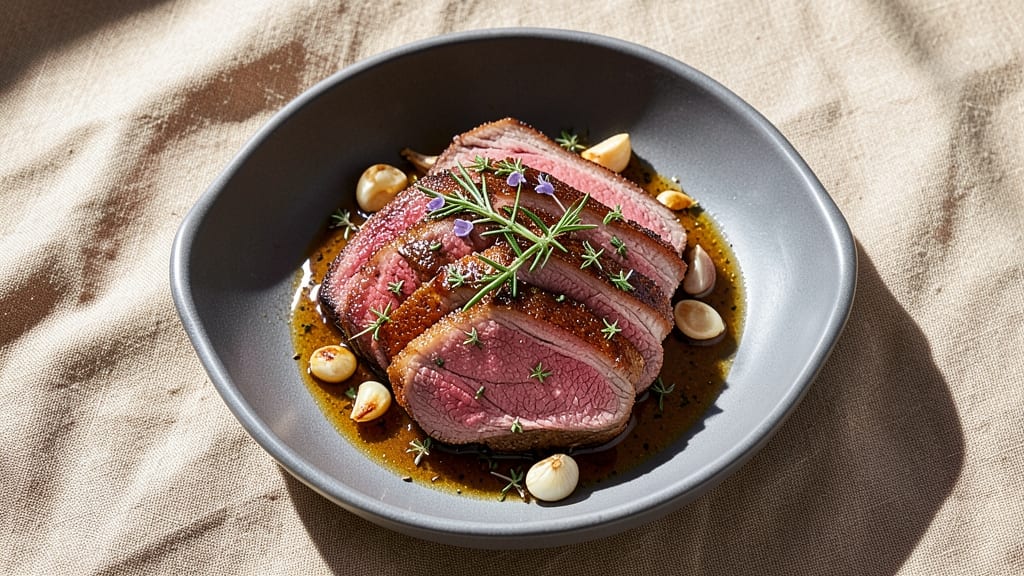
Martha Stewart’s beef tenderloin recipe delivers restaurant-quality results with a herb-crusted exterior and a juicy center that falls apart at the touch of a fork. This classic technique combines precise searing and slow roasting to create a dish that’s elegant yet approachable, perfect for special occasions or Sunday dinners.
The key lies in a well-seasoned crust and careful temperature control—no guesswork, just foolproof execution.
What sets this recipe apart is Martha’s signature attention to detail: a dry-brine for enhanced tenderness, a high-heat sear for caramelization, and a resting period to ensure even juiciness. The herb crust—made with fresh rosemary, thyme, and garlic—adds aromatic depth without overpowering the beef’s natural richness.
With just five key ingredients and under an hour of active time, this dish transforms a simple roast into a showstopper.
By the time you carve into this tenderloin, you’ll be rewarded with perfectly pink centers and a crust that’s crisp yet fragrant. The aroma alone will have your guests anticipating every bite, while the texture—tender, moist, and flavorful—proves that homemade can rival the finest steakhouse.
Serve with roasted potatoes and a bold red wine for a meal that feels like a celebration.
This recipe is designed for confident cooks who appreciate precision, but the steps are straightforward enough for anyone willing to follow the method carefully. The secret to success? Patience—letting the beef rest and trusting the process.
Once mastered, this dish will become a staple in your repertoire, impressing even the most discerning palates.
Ingredients for martha stewart beef tenderloin
Six essential ingredients transform a simple beef tenderloin into Martha’s signature herb-crusted masterpiece.
| Ingredient | Amount | Notes |
|---|---|---|
| Beef Tenderloin 🥩 | 4 lb | Center-cut, trimmed of fat |
| Kosher Salt 🧂 | 2 tbsp | Diamond Crystal preferred |
| Fresh Rosemary 🌿 | ¼ cup | Finely chopped, stems removed |
| Fresh Thyme 🌿 | ⅛ cup | Leaves only, finely chopped |
| Garlic Cloves 🧄 | 8 cloves | Minced, not pre-minced jarred |
| Extra-Virgin Olive Oil 🫒 | ¼ cup | High-quality, fruity variety |
| Black Peppercorns 🌶️ | 1 tbsp | Freshly cracked, coarse grind |
| Unsalted Butter 🧈 | ½ cup | Cold, cubed for searing |
| Red Wine 🍷 | ½ cup | Bold Cabernet Sauvignon |
| Beef Stock 🍲 | 1 cup | Homemade or high-quality |
| All-Purpose Flour 🌾 | 1 tbsp | For dusting, not measuring |
The beef tenderloin is the star, so source the highest-quality cut available. Look for a center-cut roast with even grain and minimal marbling—most premium butchers or high-end grocery stores like Whole Foods or Balducci's carry excellent options. Trim any visible fat or silver skin before proceeding, as these can interfere with even cooking. For the herbs, freshness is non-negotiable: rosemary and thyme should smell vibrant, not dried out. The garlic should be plump and firm, not sprouting. If using pre-minced jarred garlic, skip it—freshly minced releases more flavor. The olive oil should be extra-virgin, with a peppery finish, not the mild grocery store variety. For the red wine, Cabernet Sauvignon is ideal, but any bold, dry red will work.
No fresh rosemary? Substitute with 1 tablespoon dried, but reduce thyme to 0.0625 cup to maintain balance. Pre-minced garlic? Fresh cloves are mandatory—jarred garlic lacks the aromatic depth. Short on beef stock? Dry beef bouillon dissolved in warm water works in a pinch, but homemade stock elevates the dish. The butter should be cold and cubed for optimal searing—don’t let it soften before hitting the pan. For the flour, all-purpose works fine, but bread flour adds a slightly chewier texture to the crust. If you’re avoiding gluten, omit entirely and rely on the herb mixture for adhesion.
The tenderloin should rest at room temperature for 30-45 minutes before cooking to ensure even doneness. Once cooked, let it rest 15-20 minutes before carving—this is critical for retaining juices. The herb crust can be prepped 1 day ahead and stored in the fridge, sealed in a container. The red wine and beef stock mixture can be made 2 days ahead and refrigerated. For leftovers, slice and refrigerate in an airtight container for 3-4 days, or freeze for up to 3 months. Reheat gently in a skillet with a splash of beef stock to restore moisture.
Why You'll Love This Recipe
- No-Fuss Roast: I swear by this recipe because it’s basically set-it-and-forget-it. Season the tenderloin with kosher salt, rosemary, thyme, and garlic—no fancy marinade needed—and let the oven do the work. Twenty minutes of hands-on time, then you’re free.
- Herb-Packed Magic: That rosemary-thyme blend? It’s the secret weapon. The fresh herbs infuse the beef so deeply, every bite tastes like a cozy Sunday dinner. (Yes, even on a Tuesday night.)
- Leftovers That Win: This recipe makes enough for dinner and lunch the next day—no sad, dry reheats here. Slice it thin, toss with a little pan sauce, and suddenly you’ve got a lunch that feels like a celebration.
- Budget-Friendly Luxury: Beef tenderloin can feel fancy, but this recipe stretches it into multiple meals without breaking the bank. Honestly, it’s the kind of dish that makes you feel like you’re hosting a dinner party, even if it’s just you and takeout.
Step-by-step instructions for herb-crusted beef tenderloin roast
This method delivers a perfectly tender, juicy center with a flavorful herb crust every time.
Prepare the Herb Crust Mixture
In a medium bowl, combine the 0.25 cup fresh rosemary, 0.125 cup fresh thyme, 8 cloves garlic cloves, 1 tbsp black peppercorns, and 2 tbsp kosher salt. Pulse in a food processor until finely chopped, or finely mince by hand with a sharp knife. This ensures even distribution of flavors throughout the crust.
Transfer the herb mixture to a small mixing bowl and gradually whisk in the 0.25 cup extra-virgin olive oil until fully incorporated. The texture should be coarse but well-blended, resembling a thick paste. This mixture will form the aromatic crust that seals in moisture and adds depth of flavor.
Season and Sear the Beef Tenderloin
Pat the 4 lb beef tenderloin dry with paper towels, removing any excess moisture. This step is critical for achieving a good sear. Place the tenderloin on a plate and rub the herb-oil mixture evenly over all sides, pressing gently to ensure full coverage. Let it sit at room temperature for 30 minutes while you prepare the oven.
Preheat your oven to 425°F. Heat a large oven-safe skillet over medium-high heat and add the 0.5 cup unsalted butter, allowing it to melt and foam. Carefully place the seasoned tenderloin in the skillet, fat-side down, and sear for 4-5 minutes until a deep golden-brown crust forms. Flip and sear the other side for another 4-5 minutes. The butter will bubble vigorously—this creates a flavorful crust while keeping the interior moist.
Roast to Perfect Doneness
Transfer the skillet to the preheated oven and roast for 20-25 minutes, or until the internal temperature reaches 125°F on a meat thermometer inserted into the thickest part of the tenderloin. This temperature ensures a juicy center while allowing for carryover cooking. Do not overcook—beef tenderloin continues cooking slightly after removal from the oven.
Remove the tenderloin from the oven and let it rest on a cutting board for 15 minutes, loosely tented with foil. This resting period is essential for redistributing juices, preventing them from pooling on the cutting board. The internal temperature will rise to 130-135°F during this time, resulting in a perfectly tender, medium-rare roast.
Create the Red Wine Reduction
While the tenderloin rests, place the skillet with the remaining butter and fond (browned bits) back on the stovetop over medium heat. Deglaze with the 0.5 cup red wine, scraping up any browned bits with a wooden spoon. Simmer for 3-4 minutes until the wine reduces by half and thickens slightly.
Add the 1 cup beef stock and bring to a gentle simmer, reducing for another 5-6 minutes until the sauce thickens to a glossy consistency. Remove from heat and stir in the 1 tbsp all-purpose flour, whisking until fully dissolved. This sauce will complement the herb-crusted roast beautifully, adding richness and depth.
Slice and Serve
After resting, slice the tenderloin into 1-inch thick medallions against the grain for maximum tenderness. Arrange the slices on a warm platter and drizzle generously with the red wine reduction. The crust should be fragrant and aromatic, while the interior remains succulent and pink in the center.
Serve immediately with roasted vegetables or a simple green salad to highlight the beef's natural flavors. Each slice should be effortlessly tender, with a perfect balance of herbaceous crust and juicy interior—exactly as Martha Stewart would prepare it.
Pro Tips For Making Martha Stewart Beef Tenderloin
- Trim the Fat First: Martha’s recipe works best with a clean tenderloin—trim off any silverskin or excess fat before seasoning. I learned this the hard way when a fatty patch turned to grease instead of a golden crust. Use kitchen shears for speed, but don’t rush—this makes all the difference for even browning.
- Salt It Twice: The first salting (1–2 hours before cooking) seasons deeply, but don’t skip the second round right before searing. Pat the meat dry after the second salt, then let it sit uncovered for 10 minutes—this guarantees a crust that sticks. (Yes, even if you’re impatient like me.)
- Sear in Batches: A crowded pan steams the meat instead of searing it. Start with a screaming-hot skillet and cook the tenderloin in two batches if needed—wait until the first side is deeply browned before flipping. The extra time pays off with flavor that cuts through the richness.
- Roast with Herbs Upside Down: Tuck the sprigs of rosemary and thyme under the tenderloin in the roasting pan—this keeps them from burning while still infusing the meat. A splash of red wine or broth in the pan first? That’s how you get crispy edges without drying it out. (Your future self will thank you.)
Make-ahead tips for this recipe
Prep Ahead Strategy
The herb crust mixture can be prepped up to 2 days ahead and stored in an airtight container in the fridge. This saves time on cooking day—simply whisk in the olive oil just before rubbing it on the beef.
I recommend using a glass container with a tight-sealing lid to preserve freshness. For extra convenience, pre-chop all herbs and store them separately in a ziplock bag, then combine with oil when ready. 🌿
Beef Prep Timeline
Pat the 4 lb beef tenderloin dry and refrigerate it uncovered on a plate for 1-2 hours before cooking day. This dry-brine method enhances tenderness and helps the herb crust adhere better.
On the day of cooking, let it sit at room temperature for 30 minutes before searing—this ensures even cooking. Never skip this step, as cold beef can lead to uneven doneness. ⏰
Sauce Prep Shortcut
The red wine reduction can be made 1 day ahead and reheated gently before serving. Combine the 0.5 cup red wine, 1 cup beef stock, and 1 tbsp flour in a saucepan, simmer until thickened, then cool completely.
Store in a glass jar in the fridge. When ready to serve, reheat over medium-low heat for 3-4 minutes, stirring occasionally to prevent scorching. This adds depth of flavor without extra effort on cooking day. 🍷
Make-Ahead Roasting
For a fully hands-off approach, sear the beef as directed, then transfer it to a roasting pan with the red wine reduction. Cover tightly with heavy-duty foil and refrigerate for up to 12 hours.
When ready to finish, preheat the oven to 425°F, remove the foil, and roast for 20-25 minutes until the internal temperature reaches 125°F. This method works surprisingly well, though the crust may be slightly softer. 🔥
Leftovers Reinvention
Slice any leftover tenderloin into 1-inch medallions and store in an airtight container for 3-4 days. Reheat in a skillet with a splash of beef stock over medium heat for 2-3 minutes per side to restore moisture.
For a quick meal, toss the slices with sautéed mushrooms and a drizzle of the red wine reduction. Alternatively, shred the beef for beef sandwiches with caramelized onions and provolone cheese. 💡
Freezer-Friendly Method
For long-term storage, slice the cooked tenderloin and freeze in single-serving portions wrapped in parchment paper and placed in a ziplock bag. Thaw overnight in the fridge before reheating. To reheat from frozen, simmer the slices in beef stock over low heat for 8-10 minutes, stirring occasionally.
This method preserves texture better than microwaving, ensuring each slice remains tender and flavorful. ❄️
Nutrition facts
Frequently asked questions
What's the best way to choose a tenderloin for this recipe?
Look for a center-cut roast with even grain and minimal marbling. Premium butchers or stores like Whole Foods carry excellent options. The cut should be 4 pounds for 6 servings, and trimming any silver skin ensures even cooking. Avoid cuts with large fat deposits, as they can interfere with the herb crust's adhesion.
Can I cook this recipe without a meat thermometer?
While a thermometer is ideal, you can use the finger test for medium-rare: insert your finger into the thickest part. If it feels slightly springy like pressing your thumb against your index finger, it's ready. For a 4 lb roast, expect about 20-25 minutes at 425°F after searing. Remove it 5°F below your target temp—it will rise during resting.
Why does the beef need to rest after cooking?
Resting (15-20 minutes) allows juices to redistribute throughout the meat. When you cut into it immediately, those juices spill out, leaving the beef dry. The internal temp will rise 5-10°F during resting, ensuring a perfectly tender, medium-rare center. Tent loosely with foil to keep it warm without steaming.
What if I don't have fresh rosemary or thyme?
Use 1 tbsp dried rosemary and reduce thyme to 0.0625 cup to maintain balance. For extra flavor, add 1 tsp dried oregano. If you're missing both, substitute with 2 tbsp finely chopped parsley and 1 tsp smoked paprika—though the aroma won't be identical. Fresh herbs are ideal, but dried works in a pinch.
How do I fix an overcooked tenderloin?
If the center is too firm, slice thinly against the grain and serve with a rich sauce like the red wine reduction to add moisture. For a 4 lb roast, aim for 130-135°F internal temp (medium-rare). If it's dry, try slicing and reheating in a skillet with beef stock over low heat for 2-3 minutes to restore some juiciness. Prevention is key—pull it out when it hits 125°F!