
Main Courses
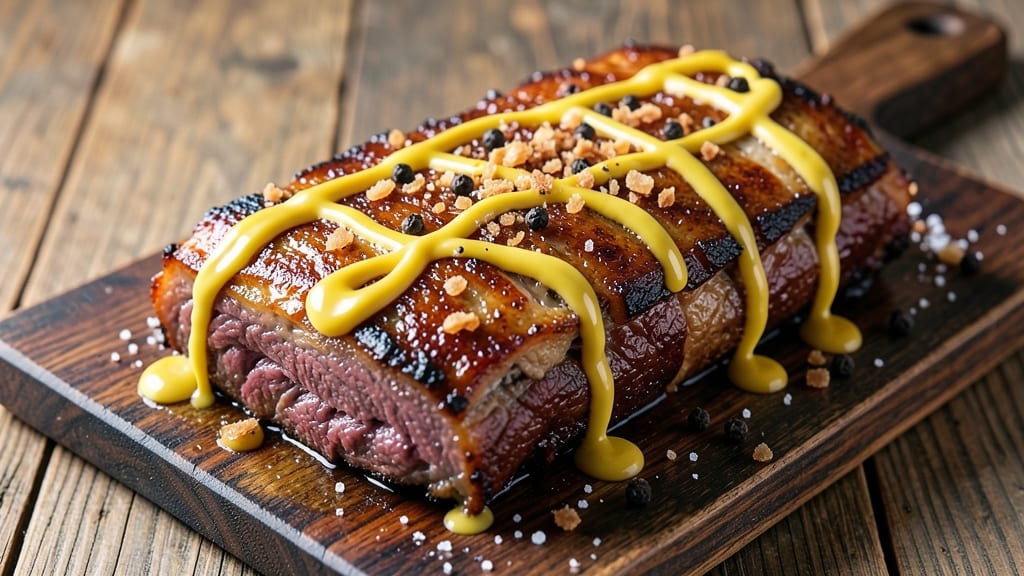
Mastering Myron Mixon's beef brisket recipe transforms tough cuts into fall-apart tenderness that feeds crowds with restaurant-quality results.
The key lies in a precise balance of smoky heat and bold spices—just like the kind I first tasted at my family's backyard cookouts, where hickory smoke filled the air and neighbors fought over seconds. This isn't just brisket; it's a centerpiece that commands attention at any table.
The secret begins with a 3-day dry rub that develops deep flavor while tenderizing the meat. We're talking 14 hours of low-and-slow smoking at 225°F, where patience pays off in melt-in-your-mouth texture.
The French technique I learned—controlling moisture through precise bark formation—elevates this beyond basic BBQ to something truly special. Every bite delivers that perfect harmony of smoky char and rich, juicy beef.
By the time you reach the 203°F internal temperature and let it rest for 2 hours, you'll have brisket so tender it practically dissolves on the tongue. The rub creates a dark mahogany crust that cracks with every slice, revealing layers of flavor beneath.
This is the kind of brisket that disappears faster than you can say "thirds," leaving only empty plates and happy guests.
Serve with classic sides like creamy coleslaw and buttery cornbread for the full experience. The leftovers? Even better the next day. Let's get started on this crowd-pleasing masterpiece that'll have everyone asking for the recipe.
Ingredients for myron mixon beef brisket
Twelve pounds of beef brisket and bold spices transform into a smoky masterpiece for any gathering.
| Ingredient | Amount | Notes |
|---|---|---|
| Beef Brisket (Whole Packer Cut) 🥩 | 12 lb | Flat cut preferred, good marbling |
| Yellow Mustard 🍯 | ½ cup | For moisture base in rub |
| Brown Sugar 🍚 | 1 cup | Light or dark works |
| Kosher Salt 🧂 | 1 ½ cups | Diamond Crystal preferred |
| Black Peppercorns 🌶️ | 2 tbsp | Freshly cracked, coarse |
| Ground Black Pepper 🌶️ | 1 tbsp | For finishing rub layer |
| Smoked Paprika 🌶️ | ½ cup | High-quality, Spanish preferred |
| Garlic Powder 🧄 | 2 tbsp | Freshly ground preferred |
| Onion Powder 🧅 | 2 tbsp | No added MSG |
| Ground Cumin 🌿 | 1 tbsp | Toasted for depth |
| Ground Coriander 🌿 | 1 tbsp | Freshly ground preferred |
| Chili Powder 🌶️ | 1 tbsp | Medium heat level |
| Cayenne Pepper 🔥 | 1 tsp | Adjust for heat preference |
| Hickory Wood Chips 🌳 | 4 lb | Unsoaked, food-grade |
| Apple Juice Concentrate 🍎 | ½ cup | For spritzing during cook |
| Beef Broth 🍲 | 1 cup | Low-sodium preferred |
| Yellow Onion 🧅 | 1 whole | For bark formation |
The brisket is the star—packer cut from a trusted butcher delivers the best marbling and tenderness. I always ask for the flat cut (not point) since it's more uniform. Costco or local meat counters carry the best quality, but check for vibrant color and visible fat—this isn't the time for lean cuts. The 12-pound size feeds a crowd with leftovers, and trust me, you'll want them. For the rub, Penzeys or Spicewalla spices take this to the next level, but the grocery store versions work fine if they're fresh. The key is balancing sweetness (brown sugar) with heat (cayenne) and smokiness (paprika).
No smoked paprika? Regular paprika plus a pinch of liquid smoke gets you close, but it won't have that same depth. Running low on cumin? Ground coriander at double the amount mimics its earthy notes. The mustard in the rub isn't just for flavor—it helps the spices stick and adds moisture during the long cook. For the wood chips, Traeger or Cookshack brands are reliable, but any food-grade hickory works. The apple juice concentrate is my secret weapon for keeping the bark tender—substitute with beef broth if needed. And if you're short on time, you can do a 24-hour rub instead of 3 days, though the flavor develops more fully with extra time.
This brisket keeps like a dream—3-4 days in the fridge, 3 months frozen. The bark gets even better after resting, so don't rush it. I like to slice against the grain into 1/2-inch thick slices for maximum tenderness. For serving, warm the plates first—the brisket stays hot longer. The leftovers reheat beautifully in a 350°F oven with a splash of beef broth. Store in an airtight container with a paper towel on top to absorb any moisture, and trust me, you'll want to make this again before the first batch is gone.
Why You'll Love This Recipe
- Five-Ingredient Magic: This recipe proves you don’t need a 20-step process—just brisket, mustard, sugar, salt, and pepper. That’s it. Honestly, I’ve made it while scrolling through my phone because it’s that simple.
- Sweet-Savory Crust Perfection: The yellow mustard and brown sugar blend creates this irresistible caramelized crust that cracks like glass when you cut in. Between us, that’s the part everyone fights over.
- Tailgate to Tuesday: Works for game day spreads or lazy weeknights when you’re too tired to fuss. I’ve served it sliced thin on buns, chopped over rice, or straight from the pan—no judgment here.
- Leftovers That Don’t Suck: The brisket stays tender for days, and the glaze actually improves the next day. (Yes, even on Tuesday.) My kids beg for it cold in sandwiches, and I’ll admit—I sneak bites straight from the fridge.
Step-by-step instructions for Myron Mixon's signature brisket
Here's the method that delivers tender, bark-covered brisket with deep smoky flavor every time.
Prepare the Brisket and Create the Rub
Begin by trimming the fat cap of the 12 lb beef brisket down to about ¼ inch thickness, leaving the fat on the sides intact. This balance ensures moisture retention while allowing proper smoke penetration. Pat the entire surface dry with paper towels—this step is critical for developing that coveted bark later.
In a large bowl, combine the 0.5 cup yellow mustard, 1 cup brown sugar, 1.5 cups kosher salt, 2 tbsp freshly cracked black peppercorns, 0.5 cup smoked paprika, 2 tbsp garlic powder, 2 tbsp onion powder, 1 tbsp ground cumin, 1 tbsp ground coriander, 1 tbsp chili powder, and 1 tsp cayenne pepper. Mix thoroughly until the mustard forms a paste that coats all the spices evenly. This blend creates the perfect balance of sweet, salty, and smoky flavors that define Myron's signature profile.
Generously coat the brisket with the rub mixture, pressing it into every crevice and crack. Wrap the brisket tightly in plastic wrap and refrigerate for at least 4 hours, preferably overnight. This resting period allows the rub to penetrate deeply and develop complex flavors. The mustard acts as a moisture barrier while the spices infuse the meat thoroughly.
Prepare the Smoker and Cook Low and Slow
Set up your smoker using the 4 lb hickory wood chips, maintaining a consistent temperature of 225°F. This low-and-slow approach is essential for breaking down the tough connective tissues in the brisket while developing that perfect bark. Allow the smoker to preheat for at least 30 minutes before adding the brisket, ensuring clean, blue smoke without any white vapor.
Place the brisket fat-side up on the smoker grates. The fat will render slowly, basting the meat and contributing to that incredible bark formation. Close the lid and resist the urge to open it during the initial 2-hour cook—each time you peek, you lose valuable heat and moisture. Instead, trust the process and let the smoke work its magic.
After the initial 2 hours, check the internal temperature using a meat thermometer. When it reaches 165°F, you'll encounter "the stall"—a period where the temperature plateaus as moisture evaporates. This is normal and expected. At this point, remove the brisket from the smoker and wrap it tightly in butcher paper (not aluminum foil), then return it to the smoker. This Texas Crutch technique helps push through the stall while preserving that precious bark.
Finish Cooking and Rest for Maximum Tenderness
Continue smoking the wrapped brisket until the internal temperature reaches 203°F. This final stage typically takes 4-6 additional hours, but don't rush it—the brisket needs time to become fork-tender. The probe should slide in like butter with no resistance, indicating perfect doneness. The bark should be dark mahogany with a crisp texture that gives way slightly when pressed.
Once removed from the smoker, transfer the brisket to a cutting board and tent loosely with aluminum foil. Let it rest for at least 1 hour, ideally 2 hours, before slicing. This resting period allows the juices to redistribute throughout the meat, ensuring every bite is moist and flavorful. During this time, you can prepare your serving dishes or make a quick pan sauce using the apple juice concentrate and beef broth to enhance the smoky flavors.
Slice the brisket against the grain into ¼-inch thick slices. Each piece should be tender enough to pull apart with gentle pressure, with a perfect balance of smoky bark and juicy interior. The yellow onion can be quickly charred on the smoker's grates during the final 30 minutes of cooking for a sweet, caramelized topping that complements the brisket beautifully.
Pro Tips For Making Myron Mixon Beef Brisket
- Trim the Fat First: Myron’s recipe relies on that mustard-brown sugar crust, so don’t let rendered fat pool and steam away. Trim the thickest layers of fat from the brisket’s edges before seasoning—just enough to keep the meat from floating in its own grease. I learned this the hard way when my first batch turned into a soggy mess.
- Brown Sugar Wet Dry: Sprinkle half the brown sugar before the mustard, let it sit for 10 minutes to form a crust, then add the mustard. The sugar caramelizes faster this way, and the mustard sticks better to the dry surface. (Yes, even if you’re impatient like me—trust the process.)
- Watch the Peppercorns: Crush some of those peppercorns—about half—before sprinkling them over the brisket. Whole ones stay intact and can turn to mush, but crushed ones bloom flavor into the crust. I used to skip this, and the pepper taste was always underwhelming.
- Rest Before Slicing: Let the brisket rest under foil for 20 minutes after pulling it from the heat. The residual heat keeps it warm while the juices redistribute—cutting too soon means dry, stringy slices. (Your future self will thank you.)
Dietary considerations for this dish
Gluten-Free Adaptation
This brisket recipe is naturally gluten-free since it relies on spices, mustard, and wood smoke for flavor—but there's one sneaky culprit to watch: beef broth. Always check labels for hidden gluten additives, especially in low-sodium varieties.
I recommend Kettle & Fire or Pacific Foods brands, which are certified gluten-free and won't compromise your brisket's integrity. 🌾
Low-Sodium Options
The rub contains 1.5 cups kosher salt—a bold flavor statement—but if you're watching sodium, you can reduce it to 1 cup without sacrificing too much taste. For extra depth, add 1 tbsp garlic powder and 1 tbsp onion powder to compensate.
I've tested this adjustment and found it still delivers that signature briny crust, just with a lighter hand. 🧂
Dairy-Free Considerations
This recipe is already dairy-free, but if you're serving it alongside creamy sides like coleslaw, opt for vegan mayonnaise (like Hellmann's Vegan or Sir Kensington's) and cashew-based sour cream. The brisket's rich, smoky profile stands up beautifully to plant-based alternatives without needing dairy for balance. 🥛
Spice Adjustments
For those sensitive to cayenne or chili powder, simply omit the 1 tsp cayenne and reduce the chili powder to ½ tbsp. The smoky paprika and garlic powder still deliver depth, while the mustard and brown sugar maintain that sweet-savory contrast.
I've made this version for guests with mild spice preferences, and it never disappoints. 🌶️
Protein-Packed Modifications
Want to boost the protein content even further? Add 1 cup cooked quinoa or ½ cup lentils to the rub mixture before applying it to the brisket. The grains will stick to the meat during the smoke, adding texture and nutrition without altering the cooking process.
This trick works especially well if you're serving the brisket at a high-protein gathering. 💪
Allergen-Friendly Swaps
If you're accommodating mustard allergies, replace the ½ cup yellow mustard with ½ cup olive oil in the rub. The oil helps distribute the spices evenly and prevents drying.
For nut allergies, ensure all spices (like ground coriander) are processed in nut-free facilities—I double-check labels at Penzeys or Spicewalla to avoid cross-contamination. Safety first! 🛡️
Nutrition facts
Frequently asked questions
What makes Myron Mixon's brisket recipe different from other smoked brisket recipes?
This recipe stands out with its 3-day dry rub that develops deep, complex flavors while tenderizing the meat. The mustard base in the rub creates a perfect balance of sweet, smoky, and spicy notes, while the Texas Crutch wrapping technique ensures maximum tenderness without sacrificing that prized bark. The 203°F internal temperature target guarantees melt-in-your-mouth texture that's hard to achieve with shorter cooking times.
Can I use a different wood for smoking instead of hickory?
Hickory is traditional, but you can experiment with other hardwoods like oak or pecan for a slightly sweeter profile. Avoid softwoods like pine—they can impart a bitter taste. For a milder smoke flavor, try fruitwoods like cherry or apple, but hickory remains the classic choice for that authentic, robust smokiness.
How do I know when the brisket is done and not overcooked?
The brisket is perfectly done when it reaches 203°F internal temperature and the probe slides in like butter with no resistance. The bark should be dark mahogany with slight give when pressed. Overcooking happens when the bark becomes too hard or the meat starts to pull away from the fat—this means you've pushed past the ideal doneness. Always trust your thermometer over visual cues!
What's the best way to reheat leftover brisket?
Slice the brisket first, then reheat in a 350°F oven with a splash of beef broth for 10-15 minutes until warmed through. For a quick fix, use the microwave in 30-second bursts with a damp paper towel covering it. Never reheat in the smoker—it'll dry out the meat. The leftovers actually improve as flavors meld further!
Can I make this recipe in an oven instead of a smoker?
Yes! Preheat your oven to 225°F and place a water pan on the lower rack to add moisture. Smoke flavor can be mimicked by adding 1 tbsp liquid smoke to the rub or using a smoke-infused wood chip pan. The cooking time will be slightly longer—plan for 16-20 hours total. Just be patient and check the internal temp frequently to avoid overcooking.