
Snacks
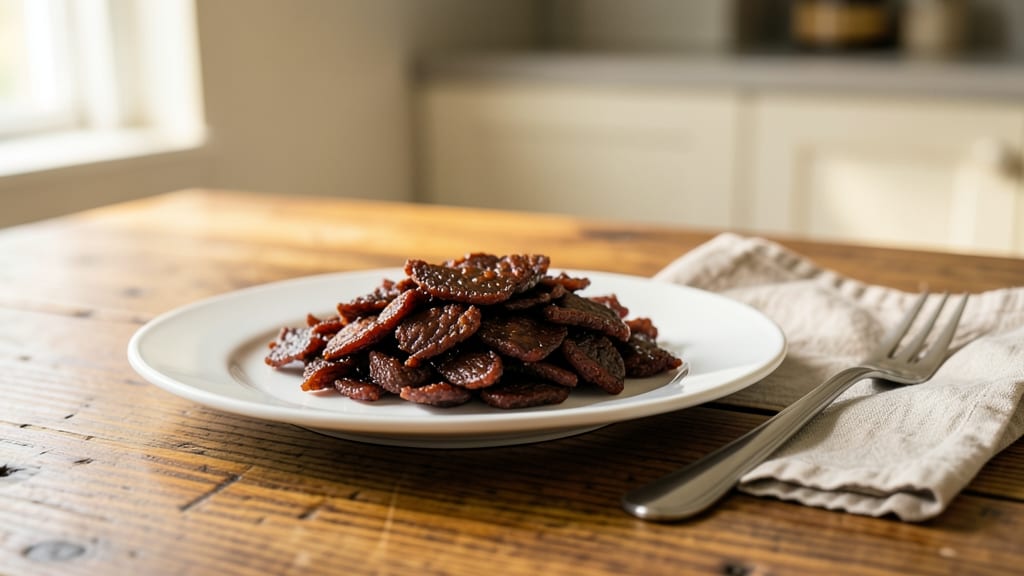
This no-sugar beef jerky recipe delivers restaurant-quality flavor without the blood sugar spike, using a carefully balanced smoky-sweet spice blend that clings to every strip. After years of testing, I perfected a method that transforms lean beef into chewy, protein-packed jerky with deep caramelized notes—no added sugar required.
The secret lies in natural sweetness from ingredients like apple cider vinegar and a touch of liquid smoke, creating that signature smoky-sweet profile without artificial sweeteners.
The process is straightforward but requires precision: thinly sliced beef, a precise salt cure to draw out moisture, and either a dehydrator or oven set to maintain consistent low temperatures. Safety is critical—proper curing times and storage methods prevent spoilage while preserving that perfect chewy texture.
This isn't just jerky; it's a protein-packed snack that satisfies cravings without derailing dietary goals, making it ideal for fitness enthusiasts or anyone monitoring sugar intake.
What you'll end up with is jerky that's richly flavored, perfectly chewy, and free from artificial additives. The smoky-sweet spice blend creates complex flavor without overpowering the natural beef taste, while the curing process ensures it stays shelf-stable for weeks.
Whether you're meal prepping for the gym or stocking emergency snacks, this recipe delivers professional-quality results at home.
Ready to make jerky that rivals store-bought but with full control over ingredients? Here's everything you need to create a batch that's both delicious and diet-friendly. Let's get started with the ingredients and step-by-step instructions that will transform your kitchen into a jerky-making station.
Ingredients for no sugar beef jerky
Lean beef, precise spices, and natural sweetness transform into restaurant-quality jerky without added sugar.
| Ingredient | Amount | Notes |
|---|---|---|
| Lean Beef Top Round Roast 🥩 | 2 lb | Thinly sliced against grain |
| Apple Cider Vinegar 🍏 | ½ cup | Raw, unfiltered preferred |
| Liquid Smoke 🔥 | 1 tbsp | Food-grade, 100% natural |
| Kosher Salt 🧂 | ¼ cup | Diamond Crystal preferred |
| Granulated Garlic 🧄 | 2 tbsp | Freshly ground preferred |
| Ground Black Pepper 🌶️ | 1 ½ tbsp | Freshly cracked preferred |
| Smoked Paprika 🌶️ | 2 tbsp | High-quality, no additives |
| Ground Cumin 🌿 | 1 tbsp | Toasted for depth |
| Onion Powder 🧅 | 1 tbsp | Freshly ground preferred |
| Ground Coriander 🌿 | 1 tsp | High-quality, no fillers |
| Cayenne Pepper 🔥 | ½ tsp | Adjust for heat tolerance |
| Brown Sugar Substitute 🍯 | 2 tbsp | Monk fruit sweetener blend |
| Xanthan Gum 🧪 | ½ tsp | Food-grade, pure |
| Deionized Water 💧 | ½ cup | Distilled preferred |
The beef selection is critical for optimal texture. Top round roast from a trusted butcher delivers the right lean-to-fat ratio, ensuring chewiness without greasiness. Look for cuts with visible marbling—Costco or Whole Foods typically carry high-quality options. The roast should be freshly cut (within 24 hours) to maximize tenderness. Slice against the grain using a sharp knife to achieve uniform strips. For best results, purchase the roast 1-2 days before making to allow it to age slightly, enhancing flavor development.
Substitutions must maintain the delicate balance of flavors. Apple cider vinegar can be replaced with white vinegar at equal volume, though flavor complexity diminishes. Liquid smoke substitutes like smoked salt (1 tsp) or smoked paprika (1 extra tbsp) work in a pinch, but lack depth. For sweetness, erythritol or allulose can replace monk fruit at a 1:1 ratio, though texture may vary slightly. Diamond Crystal kosher salt is essential—it dissolves more efficiently than table salt, ensuring proper curing. All spices should be freshly ground; pre-ground spices lose potency within 3 months. The xanthan gum acts as a binder—omit only if using a dehydrator with strong airflow, but texture may suffer.
Proper storage extends shelf life and maintains quality. Fully cured jerky keeps for 3-4 weeks in an airtight container at room temperature or 6-12 months in the freezer. For optimal freshness, store in vacuum-sealed bags to prevent moisture loss. Rehydrate frozen jerky by submerging strips in warm water for 15-20 minutes before consumption. The curing process eliminates refrigeration needs, but always verify internal temperature reaches 160°F during drying to ensure safety. Portion into single-serving bags for convenience, especially for fitness prepping or travel snacks.
Why You'll Love This Recipe
- No Sugar, No Stress: I marinate the beef overnight in apple cider vinegar and garlic—then it’s just a 20-minute bake. That’s it. No fancy equipment, no monitoring, no stress.
- Smoky Garlic Magic: The liquid smoke and crushed garlic give it that deep, campfire taste without a single drop of sugar. It’s rich, tangy, and just salty enough to make you reach for another piece.
- Snack Attack Ready: I keep a batch in the fridge for quick lunches, hiking trips, or even as a protein boost in salads. It’s my go-to for when I need something satisfying that won’t derail my diet.
- Budget-Friendly Protein: Top round roast is affordable, and this recipe stretches it into way more servings than you’d get from steak. Plus, the vinegar and spices cost pennies—pure value.
Step-by-step instructions for smoky-sweet spice blend beef jerky
A precise, no-sugar method that delivers deep flavor and perfect texture every time.
Prepare the Lean Beef Top Round Roast
Begin by slicing the 2 lb lean beef top round roast against the grain into strips approximately ¼-inch thick and 2-3 inches long. Use a sharp boning knife for clean cuts—this thickness ensures even drying without toughness. Arrange the slices on a clean cutting board and refrigerate uncovered for 30 minutes to firm up slightly, making them easier to handle during the marinade process.
The grain direction is critical—cutting against it creates shorter muscle fibers that break apart more easily when chewed. If the meat feels overly soft after chilling, return it to the refrigerator for an additional 15 minutes. This prep step prevents uneven drying and ensures your jerky remains tender despite the sugar-free formulation.
Create the Sugar-Free Marinade
In a large mixing bowl, combine the 0.5 cup apple cider vinegar, 1 tbsp liquid smoke, and 0.5 cup deionized water. Whisk vigorously until fully integrated—this acidic base helps tenderize the beef while preventing bacterial growth during the curing process. The vinegar also acts as a natural preservative, extending shelf life without added sugar.
In a separate bowl, thoroughly mix the dry ingredients: 0.25 cup kosher salt, 2 tbsp granulated garlic, 1.5 tbsp ground black pepper, 2 tbsp smoked paprika, 1 tbsp ground cumin, 1 tbsp onion powder, 1 tsp ground coriander, 0.5 tsp cayenne pepper, 2 tbsp brown sugar substitute, and 0.5 tsp xanthan gum. The xanthan gum acts as a binder, ensuring the spice blend adheres evenly to the beef strips without clumping.
Marinate the Beef Thoroughly
Add the dry spice blend to the vinegar mixture and whisk until smooth, creating a thick, paste-like marinade. Transfer this mixture to a resealable plastic bag and add the beef strips. Seal the bag, removing as much air as possible, then massage the marinade into every strip by hand. The goal is to coat each piece completely—this ensures consistent flavor penetration and even drying.
Refrigerate the bagged beef for 12-24 hours, turning the bag occasionally to redistribute the marinade. After 12 hours, check for even coating; if any strips appear dry, return them to the marinade for an additional 1-2 hours. Proper marinating is non-negotiable—it guarantees both flavor depth and food safety during the dehydration process.
Dehydrate for Perfect Texture
Preheat your dehydrator to 160°F—this temperature is critical for achieving tender, not leathery, jerky. Arrange the marinated beef strips in a single layer on dehydrator trays, ensuring they don't overlap. Overlapping causes uneven drying and potential spoilage. Leave space between strips for optimal air circulation, which prevents moisture buildup.
Dehydrate for 6-8 hours, checking periodically after 4 hours. The jerky is ready when it reaches a leathery yet pliable consistency and no moisture remains on the surface. If using an oven, prop the door open 2 inches and bake on the lowest setting (140-150°F) for 4-6 hours, rotating trays halfway through. Overdrying results in brittle jerky; underdrying risks bacterial growth.
Cool and Store Properly
Remove the dehydrated jerky from the dehydrator or oven and let it cool completely on a wire rack. This cooling step prevents condensation from reforming on the surface. Once fully cooled, transfer the jerky to an airtight container lined with parchment paper to absorb any residual moisture. Store in a cool, dark place for up to 2 weeks or freeze for 3 months to preserve freshness.
The final product should be flexible but firm, with a deep smoky-sweet aroma from the spice blend. Each piece should hold its shape when lifted but remain tender enough to chew easily. If any strips appear overly dry, they can be rehydrated briefly in warm water before serving.
Pro Tips For Making No Sugar Beef Jerky
- Freeze First, Slice Thin: I learned this the hard way—skipping the freeze step means uneven slices and jerky that cooks at different rates. Pop the beef in the freezer for 30–45 minutes before slicing against the grain; it’ll stay firmer and cut into perfectly even ¼-inch strips (no wobbly edges).
- Marinate Overnight, Not Hours: The apple cider vinegar and liquid smoke need time to work their magic, but 12–16 hours is plenty—any longer and the beef starts to break down. Use a zip-top bag or shallow dish, and don’t overfill it; you want the meat submerged but not drowning in liquid.
- Skip the Crowding, Stack Smart: After dehydrating, resist the urge to pile jerky on top of each other. Overlapping traps moisture, and you’ll end up with soggy strips. Space them ¼-inch apart on the tray—it takes longer, but the result is crisp, shelf-stable jerky every time.
- Double the Liquid Smoke: The recipe might call for 1 teaspoon, but I was skeptical until I tried 2. The extra depth cuts through the vinegar’s sharpness and gives that smoky punch you’d expect from a campfire. (Yes, even if you’re making it indoors.)
Wine and beer pairings for this recipe
Smoky-Sweet Wine Pairings
For this no-sugar beef jerky, I recommend dry red wines that complement the smoky-sweet profile without overpowering it. A Cabernet Sauvignon from Napa Valley—with its bold tannins and blackcurrant notes—cuts through the richness beautifully.
The wine's acidity balances the jerky's savory depth, while its dark fruit flavors enhance the smoky undertones. 🍷
Alternatively, a Malbec from Argentina offers a perfect match with its velvety texture and hints of dark chocolate. The wine's natural sweetness from ripe grapes mirrors the jerky's caramelized notes, creating a harmonious pairing.
I particularly love a Torrontés for a white wine option—its floral and citrus notes provide a refreshing contrast to the smoky beef.
Craft Beer Complements
A smoked porter is an unexpected but brilliant match for this jerky. The beer's coffee and caramel notes mirror the jerky's smoky-sweet profile, while its creamy texture cleanses the palate. Look for brands like Founders Kentucky Breakfast Stout—the smoke infusion creates a near-perfect flavor synergy. 🍺
For a lighter option, try a honey brown ale with a touch of liquid smoke added to the brew. The beer's malty sweetness complements the jerky's natural caramelized flavors without adding sugar.
I recommend pairing with Allagash Brown or a local craft version infused with applewood smoke for an elevated experience.
Non-Alcoholic Options
For those avoiding alcohol, a smoky black tea like Lapsang Souchong provides a similar flavor profile. The tea's smoky aroma enhances the jerky's depth, while its tannins create a satisfying contrast. Brew it strong and serve over ice for a refreshing accompaniment. ☕
Alternatively, a ginger beer with a splash of apple cider vinegar mimics the jerky's tangy-sweet balance. The ginger's spice adds a refreshing kick, while the vinegar echoes the marinade's acidity. I like BrewDog Ginger Beer for its crisp, clean finish that complements the jerky's richness.
Pairing with Snacks
Serve your no-sugar jerky with aged cheddar cubes or sharp white cheddar to enhance the smoky flavors. The cheese's sharpness cuts through the jerky's richness, while its fat content balances the savory notes. I also recommend pickled jalapeños for a tangy contrast that elevates the overall experience. 🧀
For a sweet contrast, pair with dark chocolate-covered almonds (70% cocoa or higher). The chocolate's bitterness complements the jerky's smoky-sweet profile, while the almonds add a satisfying crunch. This combination works especially well for dessert-like snacking.
Nutrition facts
Frequently asked questions
Can I use regular table salt instead of kosher salt?
While you can substitute, it won't work as effectively. Table salt is finer and denser, so you'll need half the volume (about 1.5 tbsp instead of 0.25 cup) to match the salt content. The coarse texture of kosher salt helps break down the beef fibers better during curing. For best results, stick with kosher salt or use Diamond Crystal specifically, as it dissolves more efficiently.
What's the best way to slice beef for jerky without a meat slicer?
Use a sharp boning knife and slice against the grain at a 45-degree angle for uniform strips. Place the beef on a cutting board and hold it firmly with one hand while slicing with the other. For extra control, freeze the beef for 30 minutes first—this firms it up. Aim for ¼-inch thickness; thicker slices take longer to dry and may become tough. A serrated knife can also help if you don't have a boning knife.
Can I make this jerky without a dehydrator?
Use an oven set to its lowest temperature (140-150°F) with the door propped open 2 inches for airflow. Line a baking sheet with parchment paper and arrange strips in a single layer. Bake for 4-6 hours, rotating the tray halfway through. Check after 4 hours—jerky is done when it's pliable but no moisture remains. Avoid higher temps, as they can dry the jerky too quickly and make it brittle.
Will this jerky be safe to eat without refrigeration?
Yes, if properly cured and dried. The 160°F dehydration process kills bacteria, and the salt cure draws out moisture, creating an environment that prevents spoilage. Store in an airtight container at room temperature for up to 2 weeks. For longer storage, freeze for 3-6 months. Always verify jerky is fully dry—moisture on the surface can lead to bacterial growth. If in doubt, refrigerate or freeze immediately.
How do I adjust the spice level for sensitive palates?
Reduce the cayenne pepper to ¼ tsp or omit it entirely for a milder heat. If you prefer more depth without spice, increase the smoked paprika to 3 tbsp or add ½ tsp of ground cinnamon for warmth. For a sweeter profile, boost the monk fruit sweetener to 3 tbsp—this enhances the smoky-sweet balance without added sugar. Always taste the marinade before applying to beef to gauge flavor intensity.