
Main Courses
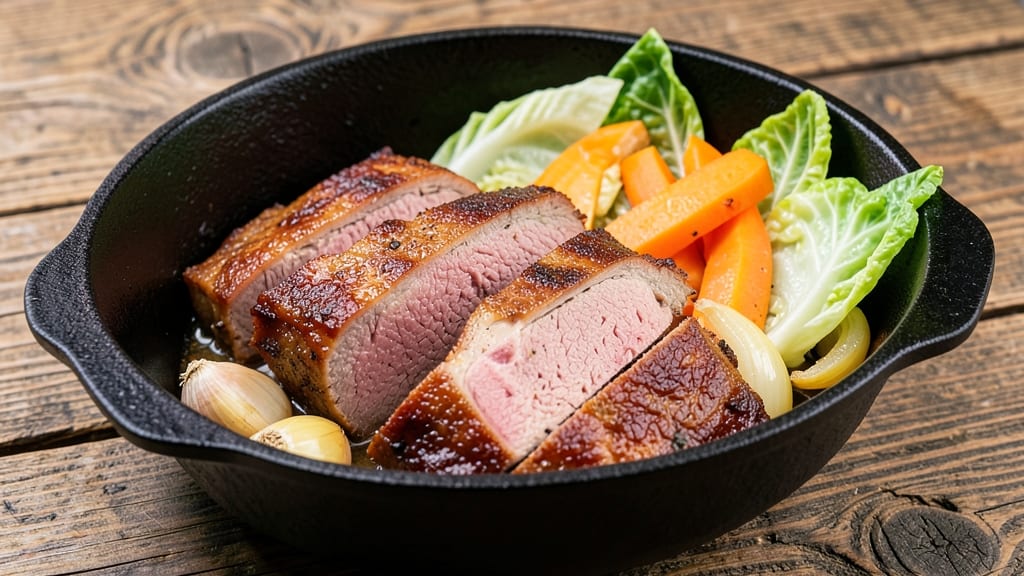
This old-fashioned corned beef and cabbage stove top recipe delivers the hearty, comforting meal your family has been craving—juicy beef that practically melts in your mouth and cabbage with crisp-tender edges, all simmered together in one pot.
The secret lies in proper soaking and slow cooking, which transforms tough cuts into tender perfection while infusing the broth with deep, savory flavors. I’ve perfected this method over years of St. Patrick’s Day dinners, ensuring every bite lives up to the classic tradition without relying on shortcuts.
What sets this recipe apart is its authentic approach—no pressure cookers or instant pots here. Instead, we rely on a slow simmer on the stove top, which builds rich flavors and tenderizes the meat naturally.
The cabbage cooks just enough to soften while maintaining that satisfying crispness at the top, and the broth becomes so flavorful you’ll want to drink it straight from the pot. This isn’t just dinner; it’s a meal that feels like a hug on a plate.
The result is juicy corned beef that shreds easily, cabbage with perfectly balanced texture, and a broth so rich it deserves its own bowl. The aroma alone—smoky, spiced, and deeply comforting—will fill your kitchen and have everyone gathering around the table.
Whether you’re celebrating a holiday or simply craving a taste of tradition, this recipe delivers the real deal in one pot.
Ready to make this classic dish your own? The instructions walk you through every step—from soaking the beef to simmering the cabbage—so you’ll end up with a meal that tastes like it’s been simmering all day, even if you’re short on time.
Let’s get started on creating a flavorful, old-fashioned feast.
Ingredients for old fashioned corned beef and cabbage stove top
Classic flavors and simple ingredients for a stove-top feast that tastes like tradition.
| Ingredient | Amount | Notes |
|---|---|---|
| Corned Beef Brisket 🥩 | 3 lb | Raw, not pre-cooked |
| Green Cabbage 🥬 | 1 ½ lb | Green, heads removed |
| Carrots 🥕 | 4 whole | Medium, peeled, cut into chunks |
| Yellow Onion 🧅 | 1 whole | Medium, peeled, quartered |
| Garlic Cloves 🧄 | 6 cloves | Fresh, peeled, smashed |
| Bay Leaves 🍃 | 2 whole | Dried, standard size |
| Black Peppercorns 🌶️ | 1 tbsp | Whole, lightly crushed |
| Salt 🧂 | 2 tbsp | Kosher or sea salt |
| Water 💧 | 8 cups | Cold, filtered preferred |
| Beef Broth 🍲 | 2 cups | Low-sodium preferred |
| Apple Cider Vinegar 🍎 | ½ cup | For soaking brine |
| Brown Sugar 🍚 | ¼ cup | Light or dark |
| Mustard Seeds 🌿 | 1 tsp | Yellow or brown |
The corned beef is the heart of this dish, so don’t skimp on quality. Look for a 3-pound brisket at your local butcher—they’ll often have it pre-cut for corned beef, which saves time. If you’re buying a whole brisket, ask for the flat cut; it’s more tender. Costco or local markets usually have great prices, but check the expiration date—freshness matters. The cabbage should be firm with crisp outer leaves, not wilted. Green cabbage is traditional, but if you prefer savoy, it’ll add a nice texture contrast. For the carrots, organic or conventional both work—just make sure they’re firm and free of soft spots. The onion and garlic are just flavor boosters, but fresh is always better than jarred.
No apple cider vinegar? White vinegar or lemon juice works in a pinch, though the flavor won’t be quite the same. Running short on brown sugar? White sugar plus a pinch of cinnamon mimics the depth. The mustard seeds are key for that classic corned beef tang—if you don’t have them, a teaspoon of Dijon mustard in the broth will add a similar depth. For the beef broth, low-sodium is a must—you don’t want to over-salt the whole pot. And if you’re feeling lazy, water plus a bouillon cube gets you close, though it won’t be as rich. The cabbage can be pre-shredded for convenience, but whole wedges hold their shape better during cooking.
This dish tastes even better the next day, so make extra. Store the corned beef and broth in the fridge for up to 4 days, and the cabbage will keep for 5 days if you store it separately. For leftovers, reheat gently on the stove with a splash of water to keep everything moist. The broth freezes beautifully for up to 3 months, so portion it out in containers. If you’re prepping ahead, soak the beef overnight in the fridge—it’s worth the extra time for that melt-in-your-mouth texture.
Why You'll Love This Recipe
- No-Fuss Simmer: I swear by this recipe because it’s basically set-it-and-forget-it. Toss the brisket, chopped veggies, and a splash of water in one pot—no fancy searing or layering required. The cabbage softens perfectly while the beef tenderizes itself, and honestly? That’s the magic.
- Salty-Sweet Magic: Between the brisket’s deep, cured richness and the caramelized onions clinging to every bite, this dish is ridiculously good. The garlic and bay leaves seep into the cabbage, turning it from boring to addictive in one pot.
- Weeknight Workhorse: This feeds four easily but scales up without breaking a sweat. Leftovers? Even better. The flavors deepen overnight, and I’ve reheated slices for sandwiches all week—no one complains, not even my picky teenager.
- Budget Hero: A single brisket stretches for multiple meals, and the veggies? Cheap and filling. I’ll be real: this is how I stretch grocery money without sacrificing flavor. Plus, the cabbage and carrots last forever if you prep ahead.
Step-by-step instructions for old fashioned corned beef and cabbage
Here's how to transform tough brisket into tender, juicy perfection with crisp cabbage—all in one pot.
Prepare the Corned Beef Brisket
Place the 3 lb corned beef brisket in a large Dutch oven or heavy pot. Add the 8 cups water, 2 cups beef broth, 0.5 cup apple cider vinegar, 0.25 cup brown sugar, 1 tbsp black peppercorns, 2 tbsp salt, 2 whole bay leaves, and 1 tsp mustard seeds. Stir gently to dissolve the sugar and salt completely.
Bring the liquid to a boil over high heat for 5 minutes to purge any impurities from the brisket. Then reduce heat to low and skim off any foam that rises to the surface. This step ensures your finished dish will be clean-tasting and flavorful. The liquid should smell rich and slightly spicy from the mustard seeds and peppercorns.
Add Vegetables and Simmer
Add the 1 whole yellow onion (quartered), 4 whole carrots (peeled and cut into chunks), 6 cloves garlic cloves (peeled and smashed), and the 1.5 lb green cabbage (cut into wedges with the core intact). The cabbage wedges should sit upright in the pot—they'll steam and crisp beautifully while cooking.
Bring everything to a gentle simmer over medium-low heat. The liquid should bubble softly, not vigorously. Cover the pot with a tight-fitting lid and let it cook for 2 hours. This slow simmering time is crucial for breaking down the tough brisket fibers into tender, juicy meat. Check occasionally to ensure the liquid doesn't reduce too much—add a splash of water if needed to keep the brisket submerged.
Check for Doneness and Finish
After 2 hours, use a meat thermometer to check the internal temperature of the brisket. It should reach 203°F—this ensures it's fork-tender and juicy. If it's not quite there, continue simmering for another 30 minutes to 1 hour, covered.
When the brisket is done, remove it from the pot and let it rest on a cutting board for 10 minutes. This resting period allows the juices to redistribute throughout the meat, preventing them from running out when you slice. While it rests, taste the cooking liquid and adjust seasoning if needed—add a pinch more salt or a splash of vinegar if desired.
Serve with Crisp-Top Cabbage
Return the brisket to the pot and let it warm through for 5 minutes. The cabbage should now have crisp, slightly charred tops from steaming in its own juices. Slice the brisket against the grain into ½-inch thick pieces for maximum tenderness.
Serve the brisket and cabbage directly from the pot, spooning the flavorful cooking liquid over the top. The cabbage's crisp edges contrast beautifully with the tender meat, and the rich broth ties everything together. Each bite delivers juicy, melt-in-your-mouth brisket with perfectly balanced flavors—sweet from the brown sugar, tangy from the vinegar, and spiced with peppercorns and mustard seeds.
Pro Tips For Making Old Fashioned Corned Beef And Cabbage Stove Top
- Brown the Brisket First: Skip the slow start—sear the corned beef in a dry pot for 3-4 minutes per side before adding liquid. I learned this the hard way; skipping it leaves you with bland, soggy meat instead of a rich, caramelized crust that holds up through hours of simmering.
- Core the Cabbage: Cut the cabbage into 8 wedges, leaving the core intact—this keeps the leaves from falling apart while cooking. I used to shred it whole, and half the time it turned to mush. The wedges stay crisp enough to hold a fork, even after simmering.
- Don’t Crowd the Pot: Layer the carrots, onions, and garlic in a single layer at the bottom—no stacking. After burning three batches of onions, I finally realized they need room to caramelize, not just sit in their own juices. This adds sweetness the lazy method misses.
- Taste the Liquid: After the first hour, skim excess fat and taste the broth—it should be salty but not overpowering. If it’s bland, add a splash of the brine from the corned beef packet (yes, even if you drained it). Sounds weird, but it works: the cured flavor balances the dish without making it taste like a pickle jar.
Perfect pairings for these flavors
Classic Side Dishes
Serve your corned beef and cabbage with crispy potato pancakes—grate 2 large russet potatoes, mix with 1 egg, 2 tbsp flour, and salt, then pan-fry in butter until golden. The crispy exterior and fluffy interior contrast perfectly with the tender brisket.
For a lighter option, try buttery mashed potatoes with roasted garlic—mash 2 lbs Yukon Gold potatoes with ½ cup warm milk, 4 roasted garlic cloves, and 4 tbsp butter until silky smooth. 🥔
Bread Pairings
A crusty Irish soda bread adds rustic charm to your meal. Mix 4 cups all-purpose flour, 1 tsp salt, 1 tbsp sugar, 1 tsp baking soda, 1½ cups buttermilk, and 1 egg, then bake at 375°F for 30 minutes.
The slightly tangy, dense bread soaks up the rich broth beautifully. For a modern twist, try garlic breadsticks—brush 1 lb Italian bread dough with garlic butter and bake until golden. The buttery crunch cuts through the hearty flavors. 🍞
Beverage Pairings
An Irish dry stout like Guinness complements the dish perfectly—its roasted malt and coffee notes echo the deep, savory flavors of the corned beef. For a non-alcoholic option, sparkling apple cider with a splash of lemon juice adds a refreshing contrast.
The effervescence cleanses your palate between bites. If you prefer wine, a bold red like Chianti brings acidity that balances the richness. 🍺
Garnishes and Finishing Touches
Brighten the dish with fresh parsley and chopped chives—sprinkle them over the cabbage just before serving for a pop of color and freshness. A drizzle of Dijon mustard on the brisket adds a tangy kick, while a sprinkle of smoked paprika enhances the smoky depth.
For extra richness, serve with creamy horseradish sauce—mix ½ cup sour cream, 2 tbsp prepared horseradish, and 1 tsp lemon juice. 🌿
Broth as a Soup
Don’t waste the flavorful cooking liquid! Strain it and serve as a light cabbage and beef broth soup—top with crumbled corned beef, shredded cabbage, and a swirl of sour cream.
For extra heartiness, add small egg noodles or diced potatoes to the broth before serving. This turns your leftovers into a comforting second meal. 🍲
Nutrition facts
Frequently asked questions
Why does my corned beef turn out tough instead of tender?
The key is slow cooking time and proper resting. Simmer the brisket for at least 2.5 hours until it reaches 203°F internally, and never skip the 10-minute rest before slicing. If it's still tough, extend simmering another 30 minutes with extra liquid to keep it moist.
Can I use pre-cooked corned beef instead of raw?
Pre-cooked corned beef works, but the flavor won't be as rich or the texture as tender. If using it, simmer in fresh broth with the same spices for 1-1.5 hours to infuse flavor. For best results, always start with raw brisket—it's worth the extra time!
How do I get the cabbage to stay crisp instead of turning mushy?
Cook the cabbage wedges upright in the pot so they steam in their own juices, not submerged. Add them after the brisket has simmered 1 hour to avoid overcooking. For extra crispness, cover with foil for the last 20 minutes of cooking.
What's the best way to reheat leftovers?
Reheat gently on the stove with a splash of water or broth to prevent drying. For corned beef, warm to 165°F—never microwave directly. For cabbage, cover with a damp paper towel to retain moisture. Leftovers taste even better the next day!
Can I make this recipe in an electric pressure cooker?
Yes, but it won't be traditional. Use the high pressure setting for 45 minutes after adding vegetables, then natural release. The meat will be tender, but the cabbage may lose some crispness. For authentic results, stick to stove-top simmering.