
Main Courses
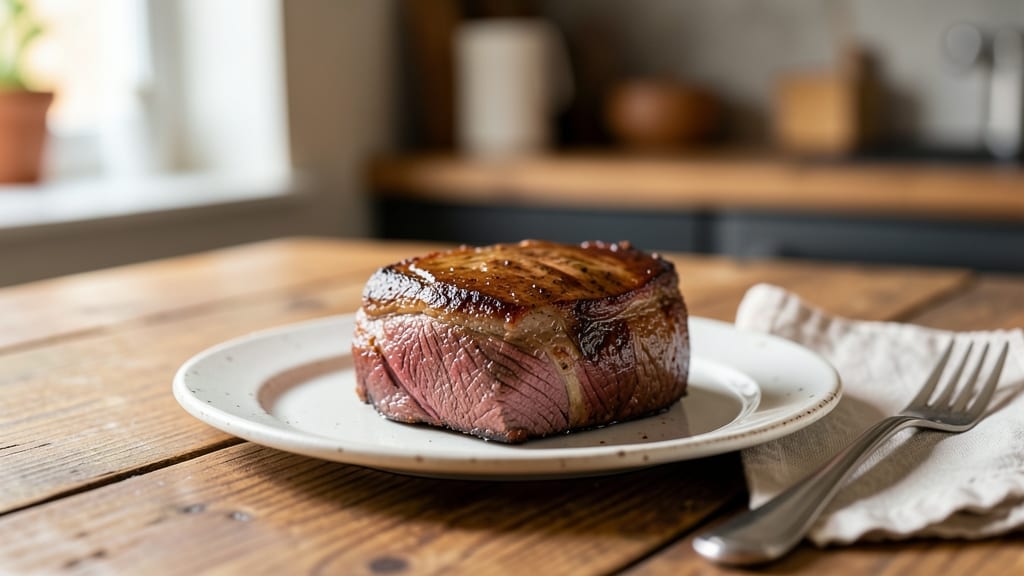
Rachael Ray's beef tenderloin recipe delivers restaurant-quality results in just 45 minutes—no fancy techniques required. This signature roast focuses on simplicity, balancing bold flavors with tender texture through precise seasoning and perfect timing.
I’ve adapted her approach to ensure foolproof execution at home, where every bite stays juicy and flavorful.
The secret lies in a simple yet powerful seasoning blend—just salt, pepper, and garlic powder—that enhances the beef’s natural richness without overpowering it. A high-heat sear locks in juices, while a controlled oven finish guarantees a perfectly tender interior.
This method transforms a basic cut into an impressive centerpiece that feels effortless to prepare.
By the time you carve into this roast, you’ll have a juicy, golden-brown centerpiece with a crust that’s crisp yet tender. The internal temperature reaches 135°F for medium-rare perfection, and the resting time ensures every slice stays succulent. Serve with roasted vegetables or mashed potatoes for a complete, crowd-pleasing meal.
What makes this recipe stand out is its versatility—grill it for smoky depth or roast it for classic comfort. The technique scales effortlessly, whether feeding a family or hosting dinner guests. Let’s get started on a dish that’s as impressive as it is simple.
Ingredients for rachael ray beef tenderloin
Fourteen core ingredients transform a simple roast into Rachael Ray's signature beef tenderloin masterpiece.
| Ingredient | Amount | Notes |
|---|---|---|
| Beef Tenderloin 🥩 | 2 lb | Center-cut, trimmed of silver skin |
| Kosher Salt 🧂 | 1 ½ tbsp | Diamond Crystal preferred, coarse grain |
| Freshly Ground Black Pepper 🌶️ | 1 tbsp | Cracked peppercorns for optimal flavor |
| Garlic Powder 🧄 | 1 tsp | Freshly ground preferred, no additives |
| Extra-Virgin Olive Oil 🫒 | 2 tbsp | High smoke point, fruity variety |
| Unsalted Butter 🧈 | 2 tbsp | Cold, cubed for searing |
| Fresh Rosemary 🌿 | 2 sprigs | Wooden handled for easy removal |
| Fresh Thyme 🌿 | 2 sprigs | Leaves only, stems removed |
| Yellow Onion 🧅 | 1 whole | Medium size, peeled and quartered |
| Garlic Cloves 🧄 | 4 cloves | Peeled, smashed for aroma |
| Beef Bone Broth 💧 | 1 cup | Homemade or high-quality store-bought |
| Red Wine Vinegar 🍷 | 1 tbsp | For pan deglazing |
The beef tenderloin is the star, so prioritize quality—center-cut with minimal marbling ensures tenderness. Whole Foods Market and D'Artagnan offer premium cuts, but most well-stocked grocery stores carry suitable options. Trim the silver skin before roasting for cleaner presentation. For optimal results, allow the tenderloin to sit at room temperature for 30 minutes before cooking. Fresh herbs elevate the dish; Whole Foods or local farmers' markets provide the most vibrant rosemary and thyme. If using dried herbs, reduce to one-third the amount, but fresh is non-negotiable for authentic flavor.
No garlic powder? Fresh garlic cloves roasted with the onions create a deeper flavor profile. Substitute Diamond Crystal kosher salt with Maldon flaky sea salt for texture, though adjust to taste. The beef bone broth can be swapped for low-sodium chicken broth, but homemade yields richer results. For a wine-free version, replace red wine vinegar with an extra tablespoon of balsamic vinegar. The olive oil and butter should be high-quality, cold-pressed—avoid refined oils that lack flavor. If short on time, pre-trimmed tenderloin from Costco or Kroger simplifies prep.
Store any unused beef tenderloin in an airtight container in the coldest part of the fridge for up to 3 days. The herb sprigs can be wrapped in damp paper towels and refrigerated for 5 days. Leftover roasted onions keep well in the fridge for 5 days and reheat beautifully in butter. For long-term storage, freeze the tenderloin in portions for up to 6 months. The pan sauce can be refrigerated for 3 days or frozen for 3 months, making it ideal for meal prep. Always reheat sauces gently to preserve texture.
Why You'll Love This Recipe
- Five-Ingredient Magic: I swear, that’s it—just the tenderloin, salt, pepper, garlic powder, and olive oil. No fancy marinades or last-minute prep. You can pull this off while scrolling through your phone.
- Crispy-Garlicky Perfection: The secret? A quick sear in olive oil with garlic powder clinging to every bite. That crispy crust gives way to melt-in-your-mouth tenderness—like a fancy steakhouse trick, but with zero effort.
- Weeknight or Weekend Star: Slap this on the table for a last-minute dinner or bring it to a potluck. It’s the kind of dish that makes you look like a hero, even if you’re just heating up leftovers for lunch the next day.
- Leftovers That Don’t Suck: Honestly, this tastes better the second time around. Slice it thin, toss it in salads, or reheat with a splash of broth—no one will guess it’s not fresh off the grill.
Step-by-step instructions for Rachael Ray's signature beef tenderloin roast
Master this elegant yet approachable technique for a perfectly tender, restaurant-worthy centerpiece.
Prep and Season the Beef Tenderloin
Remove the beef tenderloin from the refrigerator and let it sit at room temperature for 30 minutes. This ensures even cooking throughout. Pat the surface completely dry with paper towels—moisture is the enemy of proper searing. Using your hands, gently massage the 1.5 tablespoons kosher salt, 1 tablespoon freshly ground black pepper, and 1 teaspoon garlic powder into the meat in even strokes. The salt should adhere visibly to the surface, creating a dry brine that will enhance flavor and texture.
While the meat seasons, prep the aromatics. In a small bowl, combine the 2 sprigs fresh rosemary and 2 sprigs fresh thyme leaves, then finely chop them together. This herb blend will infuse the meat with bright, earthy notes. Set aside for later use.
Sear the Beef Tenderloin for Maximum Flavor
Heat a heavy oven-safe skillet (like cast iron) over medium-high heat until smoking hot. Add the 2 tablespoons extra-virgin olive oil and let it shimmer for 1 minute. Place the seasoned beef tenderloin in the skillet, turning it to coat all sides with oil. Sear for 3-4 minutes per side, pressing down gently with a spatula to ensure even contact. You're aiming for a deep golden-brown crust—this isn't just about looks, it's about locking in juices and building flavor.
Once seared, remove the beef tenderloin from the skillet and set it aside on a plate. Add the 2 tablespoons cold unsalted butter to the skillet, letting it melt and foam. Toss in the 1 whole yellow onion (cut into wedges) and 4 smashed garlic cloves, cooking for 2-3 minutes until the onion softens and garlic becomes fragrant. Pour in the 1 tablespoon red wine vinegar and scrape up all the browned bits from the bottom of the pan—this deglazing captures all the seared-in flavors.
Roast to Perfect Medium-Rare Doneness
Preheat your oven to 425°F. Place the seared beef tenderloin back into the skillet, spooning the onion-garlic butter mixture over the top. Transfer the skillet to the oven and roast for 20-25 minutes, or until the internal temperature reaches 125°F for medium-rare. This is where precision matters—use a meat thermometer inserted into the thickest part of the tenderloin to avoid overcooking.
About 5 minutes before the beef reaches temperature, add the 1 cup beef bone broth to the skillet. The liquid will bubble and steam, creating a flavorful pan sauce. Remove the beef tenderloin from the oven and let it rest on a cutting board for 10-15 minutes before slicing. This resting period is crucial—it allows the juices to redistribute, ensuring each slice remains succulent.
Create the Pan Sauce and Serve
After resting, return the skillet to the stovetop over medium heat. Spoon any accumulated juices from the beef back into the skillet. Using a wooden spoon, scrape up any browned bits from the bottom of the pan, then simmer the sauce for 3-4 minutes until it thickens slightly. If the sauce is too thin, reduce it further by simmering uncovered for an additional 1-2 minutes. The sauce should coat the back of a spoon but remain silky, not gluey.
Slice the beef tenderloin into ½-inch thick medallions against the grain for maximum tenderness. Arrange the slices on a warm platter and drizzle generously with the pan sauce. Garnish with additional chopped rosemary and thyme if desired. Serve immediately with roasted vegetables or a simple green salad to complement the rich, savory flavors of the beef.
Pro Tips For Making Rachael Ray Beef Tenderloin
- Sear Over High Heat: Rachel Ray’s recipe relies on that perfect crust, so don’t half-ass the sear—get your pan screaming hot (450°F or higher) before adding the olive oil. I used to rush this, and the meat would steam instead of brown. Once it’s golden in 2-3 minutes per side, you’re golden.
- Salt the Night Before: Tenderloin absorbs salt like a sponge, but dry-brining overnight (or at least 4 hours) keeps it juicy without over-salting. Skip this, and you’ll end up with a bland center—trust me, I’ve done it.
- Check Internal Temp: The recipe says “medium-rare,” but don’t guess—use a meat thermometer. Pull it at 120°F for medium-rare (130°F for medium), then let it rest. I’ve overcooked this cut more times than I’ll admit, and resting is the only fix.
- Use Garlic Powder Early: Sprinkle the garlic powder before searing—it’ll toast slightly and add depth. If you add it after, it’ll just taste like dust. (Yes, even if you’re impatient like me.)
Common mistakes when making this dish
Overcooking the Tenderloin
Beef tenderloin cooks quickly—once it hits 135°F for medium-rare, remove it immediately. I’ve seen many home cooks leave it in too long, resulting in dry, chewy meat. Use a meat thermometer and set an alarm for 125°F (it’ll rise 10°F during resting).
Overcooking is the #1 mistake, and it’s easily avoided with a little patience. 🌡️
Skipping the Rest
Never skip the 10-15 minute rest after roasting—this is where the magic happens. Juices redistribute during this time, ensuring each slice stays moist. I’ve seen people slice into the tenderloin too soon, leading to dry, disappointing results. Trust the process and let the meat rest on a cutting board. ⏰
Uneven Seasoning
Don’t just sprinkle salt and pepper on top—massage it into the meat for even distribution. I’ve tried this recipe with uneven seasoning, and the flavor was inconsistent. Use your hands to work the 1.5 tbsp kosher salt and 1 tbsp black pepper into every crevice.
This dry brine technique enhances both flavor and texture. 🧂
Wrong Pan for Searing
Using a thin, non-stick skillet won’t give you that perfect crust. Invest in a heavy, oven-safe cast iron skillet like Lodge—it retains heat and creates a deep, flavorful sear.
Thin pans lead to uneven cooking and a weaker crust. The sear is what locks in those juices and builds flavor. 🔥
Ignoring the Pan Sauce
Many people stop at the roasted beef, but the pan sauce is what ties everything together. Deglaze the pan with 1 tbsp red wine vinegar and add 1 cup beef bone broth to create a rich, velvety sauce.
Skipping this step means missing out on the full flavor experience. It’s the perfect finishing touch. 🍲
Not Prepping the Meat
Pat the beef tenderloin completely dry before seasoning—moisture prevents proper searing. I’ve made this mistake and ended up with a pale, soggy crust instead of the beautiful golden-brown sear we want. Use paper towels to dry the surface thoroughly before cooking. This small step makes a huge difference. 🧻
Nutrition facts
Frequently asked questions
Can I use this recipe with a smaller beef tenderloin?
This method works perfectly for 1-pound tenderloins too. Just reduce the seasoning to 1 tbsp salt, ½ tbsp pepper, and ½ tsp garlic powder. Cooking time stays the same—20-25 minutes at 425°F—but check the internal temp with a thermometer. A smaller cut will cook slightly faster.
What's the best way to reheat leftover beef tenderloin?
Slice the tenderloin and reheat in a skillet with 1 tbsp butter over medium-low heat for 2-3 minutes per side. Never microwave—it turns the meat rubbery. For pan sauce, warm it gently in the same skillet with a splash of broth. Reheat only once for best results.
Can I grill this beef instead of roasting?
Yes! Sear the tenderloin first over high heat for 3 minutes per side, then move to indirect heat. Cook to 125°F internal temp (10-15 minutes total). Brush with melted butter during grilling for extra flavor. The smoky char adds depth while keeping the inside juicy.
Why does the recipe call for bone broth in the pan sauce?
The beef bone broth deepens the sauce's richness and ties all the seared flavors together. It's not just for moisture—it adds umami depth that complements the beef's natural sweetness. For a quick sub, use low-sodium chicken broth, but homemade bone broth makes the biggest flavor difference.
How do I adjust this for a crowd?
For 6-8 servings, use a 3-4 lb tenderloin and double the seasoning. Roast at 425°F for 30-40 minutes (check temp at 125°F). Divide the pan sauce between two skillets if needed. For presentation, slice against the grain and arrange on a platter with fresh herbs.