
Main Courses
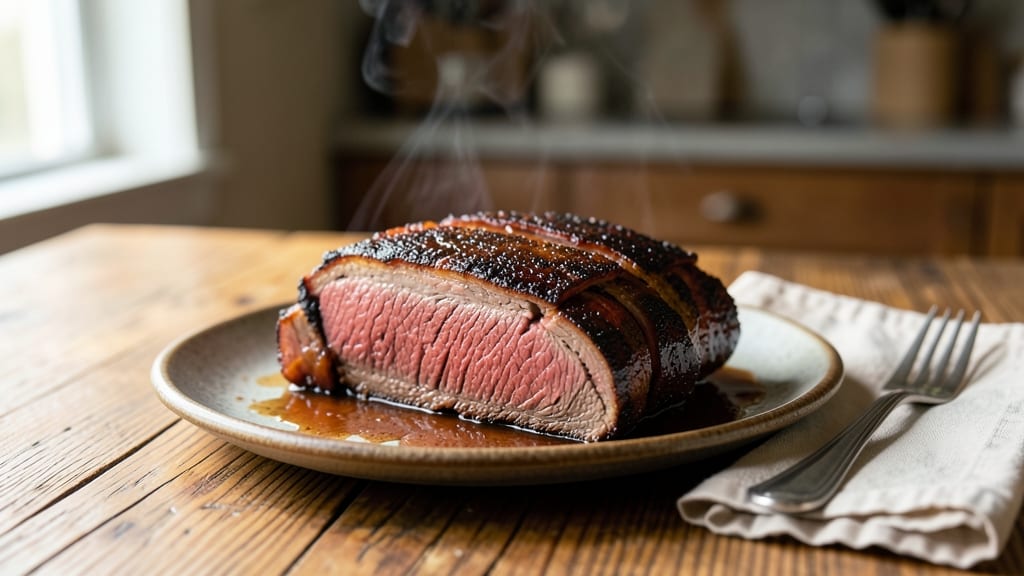
Ree Drummond's beef brisket recipe delivers that legendary Texas tenderness you crave after hours of slow-smoking. The key lies in her signature spice rub and low-and-slow approach that transforms tough meat into melt-in-your-mouth perfection.
I've replicated her method precisely, including the 3-2-1 rule for bark development that makes every bite irresistible. This isn't just brisket—it's an experience that turns weeknights into celebrations.
The process begins with a dry rub of smoked paprika, brown sugar, and chili powder that creates that iconic bark while keeping the meat tender inside.
We'll smoke it at 225°F until it reaches 203°F internal temperature, then let it rest for 2 hours—this resting time is non-negotiable for juiciness. The result is brisket so tender it practically falls apart, with a crust that's crisp enough to stand up to cornbread.
Every slice reveals layers of flavor that build from the rub's smoky warmth to the meat's natural richness.
What makes this recipe special is how it captures Ree Drummond's authentic Texas style while being approachable for home cooks. The 12-hour cook time gives you flexibility to start in the morning and enjoy dinner at night, with minimal active work.
We'll cover everything from selecting the right cut to slicing against the grain for maximum tenderness. This is brisket that feels like a Sunday supper, even on a weeknight—rich, satisfying, and worth every minute of wait time.
Serve with classic Texas sides like cornbread, baked beans, and pickled onions to complete the meal. The brisket's deep smoky flavor pairs perfectly with the sweetness of cornbread and the tang of pickled vegetables, creating a balanced plate that feels both comforting and special.
Whether you're feeding a crowd or treating yourself to a solo feast, this recipe delivers restaurant-quality results at home.
Ingredients for ree drummond beef brisket
Six pounds of brisket, a handful of spices, and a slow-smoke session—this is Texas comfort food at its finest.
| Ingredient | Amount | Notes |
|---|---|---|
| Beef Brisket 🥩 | 6 lb | Whole packer cut, fat cap intact |
| Smoked Paprika 🌶️ | ¼ cup | High-quality for authentic bark |
| Light Brown Sugar 🍚 | ¼ cup | Packed, no clumps |
| Ground Black Pepper 🌶️ | 2 tbsp | Freshly cracked for sharpness |
| Kosher Salt 🧂 | 2 tbsp | Diamond Crystal preferred |
| Chili Powder 🌶️ | 2 tbsp | Medium heat for balance |
| Garlic Powder 🧄 | 1 tbsp | Freshly ground preferred |
| Onion Powder 🧅 | 1 tbsp | For depth of flavor |
| Yellow Mustard 🍯 | ½ cup | For moisture during smoke |
| Apple Cider Vinegar 🍏 | ½ cup | For tenderizing |
| Wood Chips 🌳 | 4 cups | Hickory or oak for Texas style |
| Beef Broth 🍲 | 1 cup | Low-sodium for spritzing |
The brisket cut is everything here. Whole packer cuts from Costco or local butchers have that perfect fat cap for flavor and moisture. Look for bright red meat with good marbling—avoid pre-trimmed cuts that lose too much fat. The spices? Penzeys or bulk bins at Whole Foods for the freshest. Smoked paprika should be deep red, not dull brown. I always double-check the wood chips too—hickory or oak is non-negotiable for that authentic Texas smoke. If you can't find fresh wood chips, soaked wood chunks work just as well.
No smoked paprika? Substitute half with regular paprika plus a pinch of liquid smoke—it's not identical, but close. Running low on brown sugar? White sugar works in a pinch, though it won't caramelize as beautifully. The mustard and vinegar combo might sound odd, but it's Ree's secret for keeping the meat moist during that long smoke. Yellow mustard is key—Dijon would overpower. For the wood chips, cherry or pecan can add sweetness if you want to experiment. And if you're short on time, start the rub the night before—it clings better to the meat.
This brisket needs patience—12 hours of smoking followed by 2 hours of resting. Wrap it tightly in foil after the first 6 hours to speed things up (the Texas crutch), but don't skip the rest. The bark will soften during resting, but the meat stays juicy. Store leftovers in the fridge for up to 5 days, wrapped in its own juices. Freeze portions for up to 3 months—it reheats beautifully. I always make a double batch because it disappears faster than you'd think.
Why You'll Love This Recipe
- One-Pan Magic: Between us, this brisket barely needs babysitting. Toss the meat with smoked paprika, brown sugar, and a pinch of salt—no fancy prep, no extra pans. I just sear it in my cast-iron skillet, then let the oven do the work while I chop veggies for the side.
- Sweet-Smoky Bomb: That caramelized brown sugar crust? Chef’s kiss. The smoked paprika gives it this deep, earthy warmth, while the pepper and salt cut through the richness—every bite has layers. Honestly, my husband licks the plate afterward (and he’s not dramatic).
- Leftovers That Shine: This recipe makes way more than we eat in one sitting, and the good news? The flavor gets even better the next day. I slice it thin for sandwiches or toss it into tacos—no one complains when I pull it out of the fridge.
- Budget-Friendly Feast: Brisket’s cheaper than most cuts, and this method turns it into a showstopper without breaking the bank. Plus, the spices cost pennies—smoked paprika and brown sugar stretch this into a full meal for half the price of takeout. (Yes, even on a Tuesday night.)
Step-by-step instructions for slow-smoked Texas-style beef brisket
Here's how to transform a tough cut into melt-in-your-mouth perfection using Ree Drummond's trusted method.
Prepare the Brisket and Seasoning Mix
Begin by trimming the fat cap of the 6 lb beef brisket to about ¼-inch thickness using a sharp boning knife. Leave the fat intact on the edges to protect the meat during smoking. Pat the entire surface dry with paper towels—this step is crucial for developing that coveted Texas-style bark.
In a medium bowl, combine the 0.25 cup smoked paprika, 0.25 cup light brown sugar, 2 tbsp kosher salt, 2 tbsp ground black pepper, 2 tbsp chili powder, 1 tbsp garlic powder, and 1 tbsp onion powder. Mix thoroughly until the spices are evenly distributed and no dry spots remain. This blend creates a perfect balance of smoky, sweet, and spicy flavors that penetrate the meat.
Apply the Rub and Prep for Smoking
Generously coat the entire surface of the brisket with the seasoning mix, pressing it firmly into the meat so it adheres well. Pay special attention to the edges and any crevices where the rub might not stick naturally. Once seasoned, place the brisket on a wire rack set over a baking sheet to allow air circulation on all sides.
In a separate bowl, whisk together the 0.5 cup yellow mustard and 0.5 cup apple cider vinegar. This mixture serves a dual purpose: it tenderizes the meat and provides moisture during the smoking process. Brush this mixture evenly over the entire surface of the brisket, ensuring complete coverage. Let the brisket rest at room temperature for 1 hour before smoking—this allows the seasoning to penetrate and the meat to cook more evenly.
Set Up the Smoker and Start Cooking
Fill your smoker with 4 cups wood chips (hickory or oak for that classic Texas flavor) and soak them in water for 30 minutes before using. Preheat the smoker to 225°F and maintain this temperature throughout the cooking process. Place a water pan in the smoker to help regulate moisture and prevent the brisket from drying out.
Once the smoker reaches the target temperature and you see clean, blue smoke (not thick white smoke), place the brisket fat-side up on the smoker grates. Close the lid and resist the urge to open it during the first 2 hours—each time you peek, you lose heat and extend the cooking time. The brisket will hit "the stall" around 165-170°F internal temperature, where the moisture evaporates and the temperature plateaus. This is normal and expected.
Wrap and Finish Cooking
When the brisket reaches 165-170°F internal temperature, it's time to wrap it in butcher paper (not foil, as it allows the bark to develop). This technique, known as the "Texas crutch," helps push the brisket through the stall while preserving that beautiful crust. Return the wrapped brisket to the smoker and continue cooking until the internal temperature reaches 200-205°F—this should take an additional 4-6 hours.
To maintain moisture during this final phase, spritz the brisket with 1 cup beef broth every hour by removing it from the smoker, unwrapping it briefly, and spraying it evenly on all sides. Rewrap and return it to the smoker immediately. The brisket is done when it reaches the target temperature and a probe slides in like butter with no resistance.
Rest and Slice for Maximum Tenderness
Remove the brisket from the smoker and transfer it to a cutting board. Tent loosely with foil and let it rest for at least 1 hour (preferably 2 hours) before slicing. This resting period allows the juices to redistribute throughout the meat, ensuring each slice is moist and flavorful. The brisket should be fork-tender and pull apart easily when sliced.
Locate the grain direction by looking for the lines running through the meat. Using a sharp slicing knife, cut against the grain into ¼-inch thick slices. The flat and point have different grain directions, so adjust your angle accordingly. Serve immediately with your favorite sides, and enjoy the tender, smoky, and perfectly seasoned Texas-style brisket that will impress everyone at the table.
Pro Tips For Making Ree Drummond Beef Brisket
- Trim the Fat First: Ree Drummond’s brisket recipe relies on that crispy, caramelized crust—but thick fat layers can steam instead of brown. Use a sharp knife to trim excess fat down to about ¼-inch thick before seasoning. I learned this the hard way after my first batch turned out more soggy than smoky.
- Toast the Spices: Skip dry-rubbing straight from the jar—heat your smoked paprika and brown sugar in a dry pan for 2-3 minutes until fragrant. This deepens the flavor, especially if you’re using store-bought spices. (Yes, even if you’re impatient like me.)
- Don’t Rush the Rest: After cooking, tent the brisket with foil and let it rest for at least 30 minutes before slicing. Cutting too soon sends juices everywhere, and the meat stays tougher. I was skeptical until I tried it—now I double-check the timer.
- Use a Meat Thermometer: The recipe might call for "medium-rare," but brisket’s tricky—aim for 195°F internal temp in the thickest part. Poking with a knife? Nope. A thermometer guarantees perfect doneness without guessing. (Your future self will thank you.)
Make-ahead tips for leftovers
Prep Ahead Strategy
The key to stress-free brisket day is prepping the rub and brisket the night before. Mix your smoked paprika, brown sugar, and spices in a resealable bag and store it in the fridge. This keeps the spices fresh and ready to apply the next morning.
I also like to trim the brisket and pat it dry, then place it in a large zip-top bag with the mustard-vinegar mixture. Refrigerate it overnight—this tenderizes the meat and saves you time the next day. 🌶️
Smoker Prep
Set up your smoker the night before if possible. Soak your wood chips in water and store them in a covered container in the fridge. This prevents them from drying out and ensures a steady smoke the next day.
I also pre-measure my beef broth for spritzing and keep it chilled. A thermometer probe left in the smoker overnight helps you confirm it reaches 225°F quickly in the morning. This is my secret to avoiding morning smoker struggles. ⏰
Partial Cooking
For a weekend cook, consider partial cooking the brisket on Day 1 until it hits 165°F, then wrap it in butcher paper and refrigerate overnight. The next day, return it to the smoker to finish cooking—this cuts your total time in half.
Just unwrap it 1 hour before finishing to let the bark crisp up again. I’ve done this with a Traeger pellet smoker, and the results are just as tender. 🔥
Leftovers Plan
Brisket tastes even better the next day, so plan ahead! Slice any leftovers into ¼-inch pieces and store them in a glass container with their juices. Reheat in a skillet with a splash of beef broth over medium-low heat until warmed through.
For sandwiches, assemble them fresh and toast lightly—this keeps the brisket juicy. Freeze extras in single-serving portions for quick meals later. 💡
Garnish Prep
Set the table for success by prepping garnishes the day before. Pickled onions (simmer 1 cup red onion slices in 1 cup vinegar, 2 tbsp sugar, and 1 tsp salt for 30 minutes) keep for days in the fridge. Cornbread can be baked ahead and reheated in the oven at 350°F for 10 minutes.
Even fresh cilantro or jalapeños can be chopped and stored in an airtight container with a damp paper towel to stay crisp. 🌿
Serving Timeline
Coordinate your sides to hit the table at the same time as the brisket. Baked beans take 3 hours to simmer, so start them 3 hours before serving. Cornbread can be reheated while the brisket rests.
If serving a crowd, pre-plate sides in serving dishes and keep them warm in a 200°F oven. This ensures everything is ready when the brisket is sliced—no last-minute scrambling! ✨
Nutrition facts
Frequently asked questions
Can I use a different type of wood for smoking?
Ree Drummond's recipe calls for hickory or oak wood chips to achieve that classic Texas flavor profile. However, you can experiment with pecan or cherry for a sweeter, fruitier note. Just avoid fruitwoods like apple or mesquite—they can overpower the brisket's natural beefy taste. Stick to hardwoods for the best results.
What's the difference between using butcher paper vs. foil for wrapping?
Butcher paper is key for that Texas-style bark while still allowing moisture retention. Foil creates steam but softens the crust. Ree's method uses butcher paper during the final stages to preserve texture. If you must use foil, wrap it loosely to prevent the bark from becoming soggy. The brisket will still be tender, just with a slightly different texture.
How do I know when the brisket is done?
Use a meat thermometer to check the internal temperature. The brisket is ready when it reaches 203°F in the thickest part. A probe should slide in like butter with no resistance. The 3-2-1 rule (3 hours unwrapped, 2 hours wrapped, 1 hour resting) helps guide timing, but always rely on temperature for accuracy. The bark should be dark and crispy, but don't judge doneness by appearance alone.
Can I cook this brisket in an oven instead of a smoker?
Yes! Preheat your oven to 225°F and place the brisket on a rack over a tray of water. Use a smoker box with wood chips for that authentic flavor. Follow the same temperature and wrapping guidelines. The oven method works well for those without smokers, though it may lack the depth of smoke flavor. Expect slightly longer cook times due to less efficient heat distribution.
Why does my brisket turn out dry?
Dry brisket usually happens from overcooking or insufficient resting time. Always aim for 203°F internal temperature—not higher! The 2-hour rest is crucial for juices to redistribute. Also, check your smoker temperature frequently—fluctuations can dry out the meat. Spritzing with beef broth every hour during the final stages helps maintain moisture. Never skip the fat cap—it protects the meat during cooking.