
Main Courses
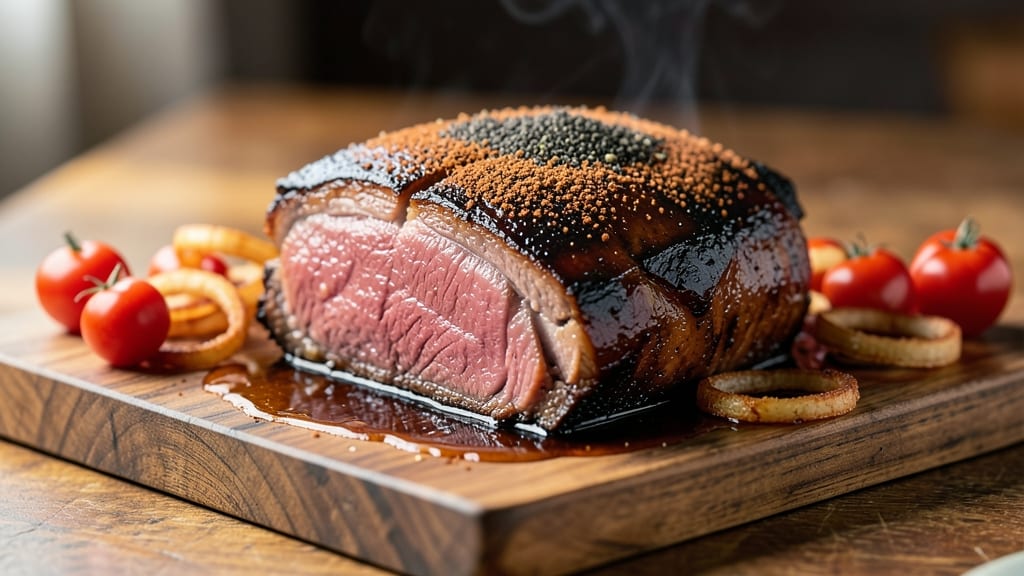
Mastering slow smoked beef brisket transforms tough cuts into melt-in-your-mouth perfection through precise technique and patience. The key lies in low-and-slow cooking—maintaining a steady temperature while building a deep, flavorful bark that seals in every ounce of juicy tenderness.
This isn’t just a recipe; it’s a method that rewards your time with restaurant-quality results at home.
The process begins with a simple yet critical step: applying a dry rub of coarse salt, black pepper, and smoked paprika directly to the brisket’s surface.
As it smokes for 12 hours, the rub forms that coveted dark crust while the internal temperature climbs gradually to 203°F—the sweet spot for fork-tender meat. Monitoring the stall (that frustrating temperature plateau) with a meat probe ensures even cooking without overdoing the bark.
When the brisket emerges from the smoker, it’s wrapped in butcher paper to retain moisture during a 1-hour rest. This crucial step allows juices to redistribute, guaranteeing each slice is succulent and rich. The final reward?
A brisket so tender it practically falls apart, with a crust so flavorful it’s worth the wait. Serve it sliced thin against classic sides like creamy mac and cheese or tangy coleslaw.
This recipe isn’t just about technique—it’s about understanding how heat, time, and seasoning work together. Whether you’re a pitmaster or a weekend cook, these steps will deliver brisket that rivals your favorite BBQ joint. Let’s get started on creating your masterpiece.
Ingredients for slow smoked beef brisket
Six pounds of brisket, twelve hours of patience, and a rub that builds bark-crusted perfection.
| Ingredient | Amount | Notes |
|---|---|---|
| Beef Brisket 🥩 | 6 lb | Packer cut, fat cap intact |
| Coarse Kosher Salt 🧂 | ½ cup | Diamond Crystal preferred |
| Smoked Paprika 🌶️ | ¼ cup | High-quality for deep flavor |
| Freshly Ground Black Pepper 🌶️ | 2 tbsp | Coarsely cracked |
| Granulated Garlic 🧄 | 1 tbsp | Not garlic powder |
| Onion Powder 🧅 | 1 tbsp | Freshly ground preferred |
| Brown Sugar 🍯 | ¼ cup | Light or dark |
| Yellow Mustard 🍯 | 2 tbsp | For moisture balance |
| Apple Cider Vinegar 🍏 | 1 tbsp | For tangy depth |
| Wood Chips 🌳 | 2 lb | Hickory or oak preferred |
| Butcher Paper 📄 | 1 sheet | For post-smoke wrapping |
| Beef Broth 💧 | 1 cup | For spritzing during stall |
| Meat Thermometer 🌡️ | 1 whole | Instant-read probe |
The brisket is the star—packer cut with fat cap is non-negotiable. Costco or your local butcher are best bets for quality; avoid pre-trimmed cuts. Look for vibrant color and good marbling. If you're buying whole, trim excess fat to 1/4-inch thickness—it renders beautifully but too much can make the bark greasy. I always ask the butcher to cut it against the grain for easier slicing later. For wood chips, hickory or oak gives that classic BBQ flavor, but fruitwood blends add complexity if you want to experiment.
No smoked paprika? Substitute 1 tbsp regular paprika plus 1 tsp liquid smoke, but it won't be the same. Yellow mustard can be swapped for Dijon at half the amount, but the tang matters here. Running low on apple cider vinegar? Balsamic vinegar works, though it's sweeter. The brown sugar is optional but helps with bark development—skip it if you prefer a drier crust. For spritzing, beef broth or apple juice both work, but avoid water which can dilute the rub. If you're short on time, use a meat injector to force moisture into the brisket before smoking.
The rub keeps for 3 months in an airtight container, but fresh is always better. Wood chips? Store them in a sealed bag in the freezer to maintain flavor. Once smoked, brisket rests 1 hour in butcher paper before slicing—don't skip this! Leftovers reheat beautifully wrapped in foil at 300°F for 30 minutes. For serving, I like to slice against the grain into 1/4-inch thick pieces—thinner than most people cut it, but worth the effort for that first bite.
Why You'll Love This Recipe
- Five-Ingredient Magic: I swear by this combo—just brisket, salt, paprika, pepper, and garlic. That’s it. No fussing with 10 spices or fancy rubs. The smoked paprika alone gives it that deep, smoky soul, while the garlic? It’s the quiet MVP that makes every bite sing.
- Weekend Project, Weeknight Payoff: Honestly, I start this on a Saturday because it needs time. But here’s the secret: those leftovers? They’re my Tuesday night lifesaver. Cold slices on toast with a fried egg? Or reheated in a skillet with a splash of beef broth? Pure satisfaction, zero guilt.
- Smoke Without the Hassle: Between us, I don’t own a fancy smoker. I use my oven with a tray of wood chips and foil—same smoky magic, none of the overcomplicated setup. The coarse salt crust? It’s foolproof. Just rub it on, smoke it low and slow, and let the pepper and garlic work their charm.
- Budget-Friendly Luxury: A whole pack of brisket feeds my family for days, and the rub costs pennies. That’s right—this is the kind of meal that makes you feel fancy without breaking the bank. Plus, the flavor gets better the next day. (Yes, even on a Tuesday.)
Step-by-step instructions for slow smoked beef brisket
Here's the method I've perfected over years of smoking - no guesswork, just reliable bark-crusted tenderness.
Prepare the Brisket and Rub
Start by trimming the fat cap of the 6 lb beef brisket to about ¼-inch thickness using a sharp boning knife. Leave the fat intact on the edges to protect the meat during smoking. Pat the entire surface dry with paper towels - this step is critical for developing that perfect bark.
In a large bowl, combine the 0.5 cup coarse kosher salt, 0.25 cup smoked paprika, 2 tbsp freshly ground black pepper, 1 tbsp granulated garlic, 1 tbsp onion powder, 0.25 cup brown sugar, 2 tbsp yellow mustard, and 1 tbsp apple cider vinegar. Mix thoroughly until the rub forms a coarse, even texture. Apply this generously to all sides of the brisket, pressing firmly so it adheres well. Place the rubbed brisket on a wire rack set over a baking sheet and refrigerate uncovered for 12-24 hours. This dry-brining process enhances flavor penetration and creates that coveted crust.
Set Up the Smoker
Fill your smoker with 2 lb wood chips (hickory or oak preferred) and soak them in water for 30 minutes before adding to the firebox. Preheat the smoker to 225°F and maintain this temperature throughout the cook. The reason for this low-and-slow approach is to break down the connective tissue gradually, resulting in that melt-in-your-mouth tenderness we're after.
Position the brisket fat-side up on the smoker grates. This orientation allows the rendered fat to baste the meat as it cooks, contributing to both moisture and flavor development. Close the lid and resist the urge to peek - every time you open it, you lose heat and potentially alter the cook time. Let the brisket smoke undisturbed for 6-8 hours, or until the internal temperature reaches 165-170°F when measured with your meat thermometer in the thickest part of the flat.
Handle the Stall and Wrap
At around 165-170°F, you'll hit "the stall" - a period where the internal temperature plateaus as moisture evaporates. This is normal and expected. When you notice this temperature halt, it's time to wrap the brisket in 1 sheet of butcher paper (not aluminum foil). The paper allows some moisture to escape while maintaining the bark, which is what gives this brisket its signature texture.
After wrapping, spritz the brisket with ¼ cup of the 1 cup beef broth every 2 hours to maintain moisture. Return it to the smoker and continue cooking until the internal temperature reaches 200-205°F. This typically takes an additional 4-6 hours, but don't rush it - patience is key to achieving that perfect balance of tenderness and bark.
Rest and Slice
Once the brisket reaches 200-205°F, remove it from the smoker and transfer it to a cutting board. Tent loosely with aluminum foil and let it rest for at least 1 hour, preferably 2 hours. This resting period allows the juices to redistribute throughout the meat, ensuring every slice is moist and flavorful. The brisket should be fork-tender at this stage, with a beautiful smoke ring visible just beneath the bark.
Locate the grain direction by looking at the meat fibers - they'll run in one direction. Using a sharp carving knife, slice the brisket against the grain into ¼-inch thick slices. The flat and point may have different grain directions, so adjust your angle accordingly. Serve immediately with your favorite sides, and you'll have that restaurant-quality brisket experience at home.
Pro Tips For Making Slow Smoked Beef Brisket
- Trim the Fat Cap: That thick layer of white fat on the brisket’s point? Leave it. I used to trim it off for looks, but it renders into flavor as it smokes—just don’t let it burn. If it gets too tall, snip it down to ¼-inch thick with kitchen shears.
- Salt the Night Before: Coarse kosher salt needs time to work its magic. Toss the brisket with salt, smoked paprika, and pepper at least 12 hours ahead—overnight is even better. The salt breaks down the muscle fibers, making the meat tender without drying it out.
- Spritz When Cold: I learned this the hard way—don’t spritz with boiling liquid. Use room-temperature apple juice or beef broth every 90 minutes, and the bark will stay intact. Cold spritz keeps the surface from steaming, so the crust stays crisp.
- Probe the Flat, Not the Point: The point cooks faster than the flat, so always check doneness in the thickest part of the flat. Aim for 195°F internal temp—if the point is done before the flat, wrap it in butcher paper to keep it from drying out.
Wine and beer pairings for this slow smoked beef brisket
Red Wine Classics
A bold red wine is essential to complement brisket’s deep, smoky flavors. I reach for Texas Hill Country Cabernet Sauvignon—its dark fruit and subtle oak notes mirror the brisket’s richness.
For something lighter, a Tuscan Chianti with its bright acidity cuts through the fat beautifully. Avoid heavy, tannic wines like Cabernet Franc, as they can overpower the dish’s delicate balance. 🍷
Malbec Magic
If you prefer a smoother red, Argentinian Malbec is my go-to. Its velvety texture and blackberry flavors harmonize perfectly with the brisket’s smoky bark. I especially love a Catena Zapata or Trapiche—both deliver the right body without overwhelming the meal.
Serve slightly chilled (60-65°F) to enhance its fruit-forward profile.
Beer Pairings
For beer lovers, a Texas-style amber ale like Deep Ellum Brewing Co.’s Texas Toffee brings caramel and toasty notes that complement the brisket’s sweetness. A Belgian dubbel, such as Westmalle Dubbel, adds a malty depth with hints of raisin and spice.
Avoid hoppy IPAs—they’ll clash with the brisket’s richness. 🍺
Craft Cider Option
Don’t overlook hard cider! A dry, oak-aged cider like Angry Orchard Crisp Apple offers a crisp, slightly tart contrast to the brisket’s smokiness. The apple notes also echo the apple cider vinegar in the rub. Serve at 45-50°F for the best balance.
Non-Alcoholic Choices
For a refreshing non-alcoholic option, try smoked black cherry soda—it mimics the brisket’s smoky depth without alcohol. I also love hibiscus iced tea with a splash of lime, which adds a bright, tangy contrast. Both options keep the meal vibrant and crowd-pleasing. 💫
Nutrition facts
Frequently asked questions
What's the best wood choice for smoking brisket?
Hickory or oak are classic choices that deliver that authentic BBQ flavor profile. For something fruitier, try pecan or cherry wood chips. Avoid softwoods like pine—they can make the meat taste bitter. I recommend soaking your wood chips for 30 minutes before using to prevent flare-ups.
Why does my brisket turn out tough instead of tender?
Most likely, you didn't cook it long enough to reach 203°F internal temperature. Brisket needs 12+ hours of low-and-slow cooking to break down connective tissue. Another common mistake is slicing with the grain—always cut against the grain for maximum tenderness. Also ensure you're using a meat thermometer and not guessing!
Can I use aluminum foil instead of butcher paper?
While foil works in a pinch, it creates steam that can make your bark soggy. Butcher paper is ideal because it lets some moisture escape while keeping the crust intact. If you must use foil, wrap it loosely and consider using a second layer of foil with a small hole for steam release.
How do I handle the stall without overdoing the bark?
The stall occurs around 165°F when moisture evaporates. Wrap the brisket in butcher paper and spritz with beef broth every 2 hours to maintain moisture. Keep the smoker temperature steady at 225°F—don't increase heat, or you'll lose that beautiful bark. The key is patience!
What's the best way to reheat leftover brisket?
Slice the brisket first, then reheat in the oven at 300°F for 30 minutes wrapped in foil. For sandwiches, warm slices directly on the grill for 2-3 minutes per side. Never microwave—it makes the meat dry. If storing, keep leftovers in the fridge for up to 4 days or freeze for 3 months.