
Main Courses
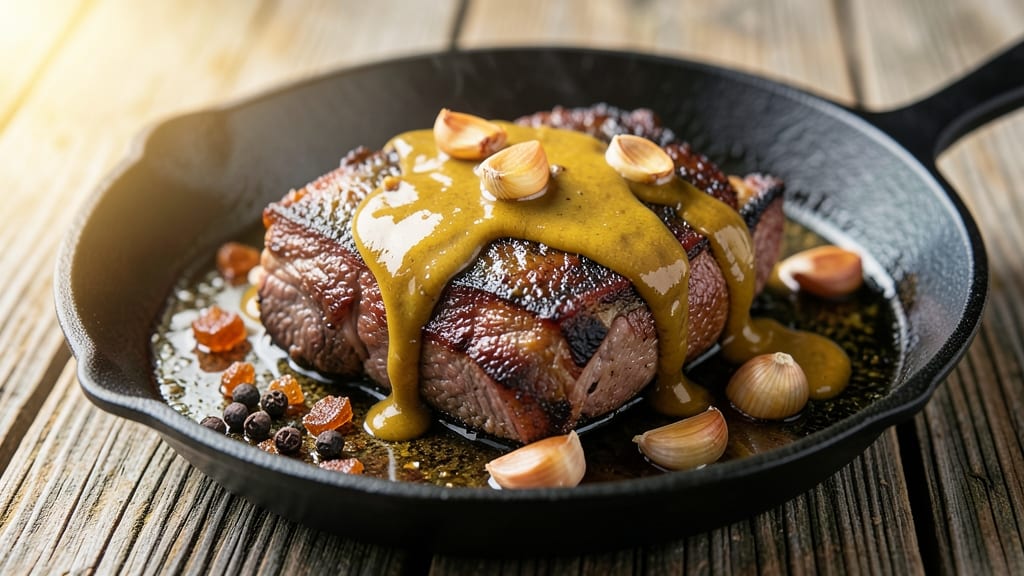
A smoked beef brisket brine recipe transforms tough cuts into melt-in-your-mouth perfection through precise spice infusion and low-and-slow cooking. I developed this method after years of experimenting with brines that either overpowered the meat or failed to penetrate deeply enough.
The secret lies in balancing salt, sugar, and aromatic spices to create a flavor bomb that tenderizes while building a crust that crackles with every bite.
This recipe begins with a 24-hour brine using simple pantry staples—kosher salt, brown sugar, and a blend of mustard, garlic, and black pepper—that work together to break down connective tissue and infuse flavor.
The brisket then moves to the smoker, where 225°F heat and hickory or oak wood create that signature smoky depth. Modern shortcuts like pre-brine sprays or pellet smokers make this process accessible without sacrificing tradition.
By the time you pull it from the smoker, your brisket will be fall-apart tender with a dark mahogany bark that signals perfect execution. The internal temperature should reach 203°F, ensuring every slice is juicy and flavorful.
Resting the meat for 1-2 hours before slicing against the grain guarantees clean, tender bites that pair beautifully with classic sides like tangy coleslaw or buttery cornbread.
Whether you're preparing for a backyard feast or a quiet weekend dinner, this method delivers restaurant-quality results with minimal fuss. The key is patience—letting the spices and smoke work their magic over time. Trust the process, and you'll have brisket that rivals the best pitmasters, no competition required.
Ingredients for smoked beef brisket brine
Pantry staples meet smoky magic for brisket that falls apart with every bite.
| Ingredient | Amount | Notes |
|---|---|---|
| Beef Brisket 🥩 | 4 lb | Whole packer cut, 1.5-inch thick |
| Diamond Crystal Kosher Salt 🧂 | 1 cup | Coarse grain for even penetration |
| Light Brown Sugar 🍚 | ½ cup | Packed, not spooned |
| Yellow Mustard 🍯 | ¼ cup | Dijon preferred for depth |
| Garlic Cloves 🧄 | 8 cloves | Smashed for maximum flavor |
| Ground Black Peppercorns 🌶️ | 2 tbsp | Freshly cracked preferred |
| Ground Cumin 🌿 | 1 tbsp | Toasted for aromatic depth |
| Ground Coriander 🌿 | 1 tbsp | For citrusy brightness |
| Smoked Paprika 🌶️ | 1 tbsp | Kalamata preferred |
| Fresh Thyme Sprigs 🌿 | 4 whole | Stems intact for infusion |
| Fresh Bay Leaves 🍃 | 2 whole | Crushed lightly for release |
| Apple Cider Vinegar 🍎 | ¼ cup | For acid balance |
| Cold Water 💧 | 4 cups | Filtered preferred |
| Hickory Wood Chips 🌳 | 1 package | For smoker, soaked 30 mins |
The brisket cut is non-negotiable here—packer briskets with that thick fat cap are essential for moisture and flavor. Grab one from Costco or your local butcher shop; they usually carry them whole, which is perfect. If you're buying pre-cut, make sure it's 1.5 inches thick—thinner cuts dry out during the long smoke. The kosher salt should be Diamond Crystal if you can find it (it's coarser and dissolves better), but any kosher salt will work. For the spices, Penzeys or bulk bins at natural food stores give you the freshest ground flavors, but don't stress if you're using store-bought. Just make sure they're in airtight containers—stale spices ruin everything.
No Dijon mustard? Regular yellow mustard works fine, but you'll lose some depth. The garlic can be roasted first for a sweeter flavor—just wrap the whole cloves in foil with a drizzle of olive oil and roast at 400°F for 15 minutes. Short on smoked paprika? Regular paprika plus a pinch of liquid smoke (about 1/4 tsp) gets you close. The thyme and bay leaves are optional but add layers of aroma—skip them if you're short, but don't substitute with dried herbs here. The vinegar is key for tenderizing; if you've got apple cider vinegar, use that, but white vinegar works in a pinch. And trust me, the wood chips? Hickory is the classic choice, but oak or pecan work too—just stick to one type for consistency.
This brine keeps in the fridge for up to 3 days before using, but it's best fresh. The brisket itself can be brined for 24 hours max—any longer and it starts to break down too much. Once smoked, let it rest for 1-2 hours before slicing (this is where the magic happens). The leftovers? Wrap tightly in foil and refrigerate for up to 5 days. Freeze portions for 3 months—just thaw overnight in the fridge before reheating. Pro tip: Save the leftover brine (strain out solids) and use it for marinades or even as a base for soups. Every drop counts.
Why You'll Love This Recipe
- Five-Ingredient Magic: I swear by this brine—just salt, sugar, mustard, garlic, and time. No fancy rubs, no stressing over spices. The mustard adds a tangy depth that cuts through the richness, and the garlic? It infuses the meat like a secret weapon.
- Smoke-Ready in Hours: Honestly, the hardest part is waiting. You toss the brisket in the mix, let it sit overnight (or even just 4 hours if you're impatient), and boom—it’s ready for the smoker. That crisp bark? The tender pull? All thanks to the salt and sugar working their magic while you sleep.
- Leftovers That Beg for More: Between us, the first slice is always the best. But the second? That’s when the real magic happens. The brined brisket stays juicy for days, perfect for sandwiches, tacos, or reheated with a splash of beef broth. My freezer’s full of it—because I can’t resist.
- Budget-Friendly Feast: A whole packer of brisket feeds my family for days, and the brine costs pennies. Diamond Crystal salt and brown sugar are pantry staples, and you’re not sacrificing flavor for the price tag. This is the kind of meal that makes stretch-your-dollars worth it.
Step-by-step instructions for smoked beef brisket brine
This brine transforms tough brisket into melt-in-your-mouth perfection through precise spice infusion.
Prepare the Brine Base
In a large non-reactive container, combine the 4 cups cold water, 1 cup Diamond Crystal kosher salt, and 0.5 cup light brown sugar. Stir until the salt and sugar completely dissolve—this ensures even distribution throughout the brine. I use a whisk for this step to prevent clumping, especially with the coarse kosher salt.
Here's the thing—temperature matters. The cold water helps the brisket absorb the brine more evenly, preventing surface drying. If you notice any undissolved sugar crystals at the bottom, gently heat the mixture until fully combined, then let it cool back to room temperature before proceeding.
Infuse Aromatics and Acid
Add the 8 smashed garlic cloves, 4 whole fresh thyme sprigs, 2 whole fresh bay leaves, 0.25 cup yellow mustard, and 0.25 cup apple cider vinegar to the brine mixture. The acidity from the vinegar and mustard helps tenderize the meat while adding depth of flavor. Stir gently to incorporate all ingredients without breaking the thyme sprigs or bay leaves.
Let the brine steep at room temperature for 30 minutes before using. This allows the aromatics to fully infuse the liquid. You'll notice the mixture develops a rich, aromatic scent—this is your signal that the flavors are melding properly. Don't skip this step; proper infusion creates that restaurant-quality depth we're after.
Season the Brisket and Brine
In a small bowl, mix together the 2 tablespoons ground black peppercorns, 1 tablespoon ground cumin, 1 tablespoon ground coriander, and 1 tablespoon smoked paprika. This dry rub will complement the wet brine infusion beautifully. Pat the 4 lb beef brisket completely dry with paper towels—this is critical for proper bark development later.
Generously coat the brisket with the dry rub mixture, pressing it into all surfaces including the fat cap. Then, place the brisket in the prepared brine, making sure it's completely submerged. If needed, weigh it down with a plate or small bowl to ensure full immersion. Let it brine for 12-24 hours in the refrigerator—this long soak is what creates that fall-apart tenderness.
Prepare for Smoking
Remove the brisket from the brine and rinse it thoroughly under cold water to remove any excess salt. Pat it dry again, this time even more thoroughly than before—you want to eliminate all surface moisture. The goal is to create that perfect bark during smoking, and any residual moisture will prevent proper browning.
While the brisket rests uncovered on a wire rack in the refrigerator for 1 hour, prepare your smoker. Soak the 1 package hickory wood chips in water for 30 minutes before using. Set your smoker to 225°F and let it stabilize before adding the brisket. The key here is patience—rushing the temperature stabilization will affect your smoke quality.
Smoke to Perfection
Place the brisket fat-side up on the smoker grates. Close the lid and maintain the temperature between 225-250°F. This low-and-slow approach is what creates that signature smoky flavor and tender texture. Resist the urge to open the smoker lid during the first 4 hours—each time you peek, you lose valuable heat and smoke.
Cook until the internal temperature reaches 195-203°F in the thickest part of the meat. You'll notice the bark developing a deep mahogany color, and the meat should be fork-tender with a slight jiggle when moved. At this point, wrap the brisket tightly in butcher paper (not foil) and return it to the smoker for another 1-2 hours to finish cooking. This wrapping technique, known as the Texas crutch, helps push through the stall while maintaining that beautiful bark.
Pro Tips For Making Smoked Beef Brisket Brine
- Trim the Fat Cap: DESCRIPTION:
- Crush the Garlic: DESCRIPTION:
- Brine Overnight (Not 24 Hours): DESCRIPTION:
- Pat Dry Before Smoking: DESCRIPTION:
Serving suggestions for this smoked beef brisket brine
Classic BBQ Spread
Serve your brisket with a traditional Texas-style BBQ sauce—think tangy, slightly sweet, and just spicy enough to complement the smoky depth. I love using Sticky Fingers BBQ Sauce (it’s my go-to for brisket) or making my own with ketchup, apple cider vinegar, brown sugar, and smoked paprika.
A drizzle right before serving keeps the meat juicy and adds that signature sticky finish. 🌶️
For a homemade version, simmer 1 cup ketchup, ½ cup apple cider vinegar, ¼ cup brown sugar, 1 tbsp smoked paprika, 1 tsp garlic powder, and ½ tsp cayenne for 15 minutes until thickened.
Let it cool slightly before drizzling—this sauce needs to be warm but not scorching.
Tangy Slaw Contrast
A creamy coleslaw cuts through the richness of the brisket with its crisp texture and bright acidity. My favorite recipe uses shredded cabbage, carrots, mayo, apple cider vinegar, and a touch of Dijon mustard.
For extra crunch, add ½ cup toasted pecans or diced jicama—both add a nice contrast to the tender meat. Serve it chilled in a glass bowl for that classic BBQ spread presentation.
Pro tip: Make the slaw 1 day ahead—the flavors meld beautifully overnight. I like to add 1 tbsp fresh dill and 1 tsp celery seeds for a little extra zing. If you’re watching calories, swap half the mayo for Greek yogurt—it keeps the creaminess without the heaviness.
Cornbread Crust
No brisket feast is complete without sweet, buttery cornbread to soak up those juices. My recipe calls for 1 box Jiffy cornbread mix, but I boost it with 2 tbsp honey, 1 tbsp melted butter, and a pinch of smoked paprika for a smoky-sweet twist.
Bake in a cast-iron skillet at 375°F for 20 minutes—the crust gets crispy, and the center stays moist.
For a make-ahead shortcut, prepare the batter the night before, cover it, and refrigerate. Bake straight from the fridge—no extra prep time needed. If you’re feeling fancy, add sharp cheddar cheese or crumbled bacon to the batter for extra depth.
Serve warm with a pat of butter melting on top.
Pickled Veggies
Bright, quick-pickled vegetables add a refreshing crunch and acidity to balance the richness. My go-to mix is sliced red onions, cucumbers, and radishes tossed in ½ cup apple cider vinegar, 1 tbsp sugar, 1 tsp salt, and ½ tsp black peppercorns.
Let them sit for at least 30 minutes before serving—this gives them time to soften slightly and absorb the flavors.
For a spicier kick, add 1 tsp red pepper flakes or a few slices of jalapeño. These pickles work as a garnish or a side—either way, they add a pop of color and freshness to your spread.
Store leftovers in the fridge for up to 5 days in an airtight container.
Beverage Pairings
A bold beer or smooth whiskey elevates the brisket experience. For beer lovers, a dark lager like Guinness or an amber ale complements the smoky, caramelized flavors. If you prefer wine, a Cabernet Sauvignon with its dark fruit notes stands up to the richness.
For non-alcoholic options, sweet tea (the Southern classic) or sparkling water with lemon keeps things refreshing.
My personal favorite? A bourbon cocktail—mix 2 oz bourbon, ½ oz honey syrup, and a splash of ginger beer. The warmth of the bourbon and the spice from the ginger beer cut through the fat beautifully.
Serve over ice for a cocktail that feels like a hug on a chilly day. 🍹
Nutrition facts
Frequently asked questions
Can I use this brine for other cuts of beef?
This brine works beautifully for chuck roast, ribeye steaks, or even pork shoulder. The salt, sugar, and aromatics balance well across different proteins, though cooking times will vary. For steaks, reduce the brine time to 4-6 hours to avoid over-salting. Always adjust seasoning based on the cut's natural fat content.
What if I don't have a smoker?
No smoker? No problem! Use an oven set to 225°F with a water pan and wood chips in a foil packet on the rack. For extra smoke flavor, add 1 tbsp liquid smoke to the brisket after brining. Alternatively, grill over indirect heat with soaked wood chips on the coals—just monitor the temperature closely to avoid flare-ups.
How do I fix a brisket that's too salty?
If your brisket tastes overly salty, the brine time was likely too long. For future attempts, stick to 12-24 hours max. To salvage a salty brisket, slice it thin and serve with sweet potato mash or creamy coleslaw to balance the flavors. For immediate relief, soak the slices in cold water for 10 minutes before serving—though this may dilute some of the flavor.
Can I make the brine ahead of time?
Prepare the brine base (salt, sugar, water, and aromatics) up to 3 days ahead and store it in the fridge. When ready to use, add the mustard and vinegar, then proceed with the brisket. The flavors will still develop beautifully. For the dry rub, mix it fresh day-of to preserve maximum aroma and freshness.
What's the best way to slice brisket?
Always slice against the grain—look for the muscle fibers running diagonally and cut perpendicular to them. Use a sharp carving knife and take your time to avoid tearing. For a restaurant-style presentation, slice into ¼-inch thick pieces. Pro tip: Let the brisket rest for 1-2 hours after smoking to redistribute juices before slicing.