
Sauces & Condiments
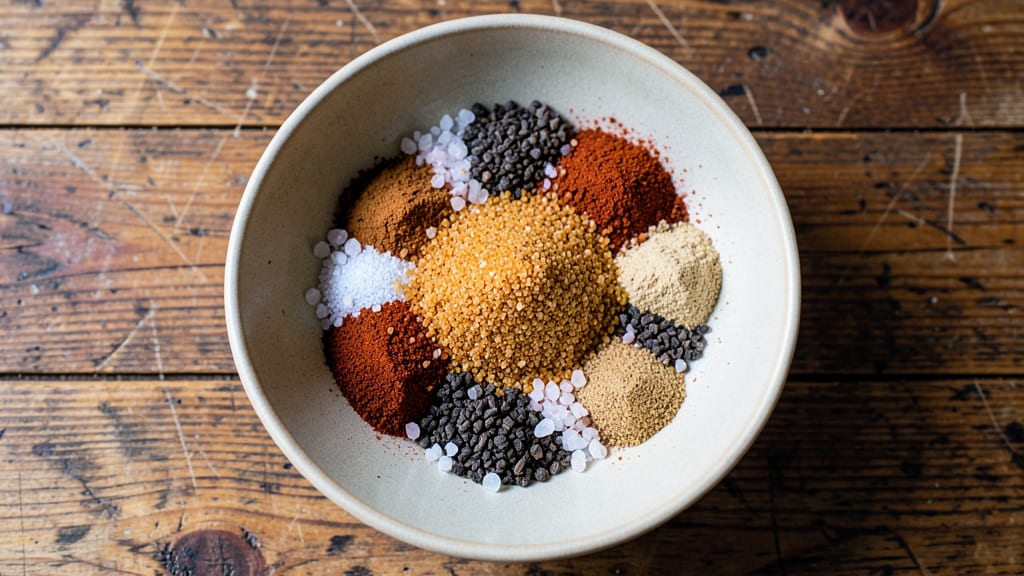
This smoked beef ribs dry rub recipe transforms tough cuts into finger-licking, bark-covered perfection that sticks like glue to every rib. The secret lies in balancing sweet, smoky, and savory spices that penetrate deep while creating that coveted dark crust.
I developed this blend after years of experimenting with commercial mixes that never delivered the same depth as homemade.
The magic happens in the precise ratios—brown sugar for caramelization, smoked paprika for that signature smokiness, and black pepper for a subtle kick. This isn’t just another generic rub; it’s a foolproof combination that works whether you’re smoking for 3 hours or 6.
The spices adhere tightly to the meat, ensuring maximum flavor infusion without falling off during the cook.
What sets this dry rub apart is how it develops that smoky bark that’s both tender and slightly crispy—no peeling required. The blend stays potent for months in an airtight container, making it perfect for meal prep or bulk smoking sessions.
Apply generously before hitting the smoker, and let the flavors work their magic.
Use this on beef ribs, pork shoulders, or even chicken thighs for a restaurant-quality crust. The versatility makes it a professional-grade staple in any smoker’s toolkit. Here’s exactly how to mix and apply it for perfect results every time.
Ingredients for smoked beef ribs dry rub
Nine simple spices that turn tough ribs into smoky, sticky perfection every time.
| Ingredient | Amount | Notes |
|---|---|---|
| Light Brown Sugar 🍚 | ½ cup | Packed for maximum caramelization |
| Smoked Paprika 🌶️ | ¼ cup | High-quality for authentic smokiness |
| Kosher Salt 🧂 | ¼ cup | Diamond Crystal preferred for purity |
| Coarse Black Pepper 🌶️ | 2 tbsp | Freshly cracked for bold flavor |
| Garlic Powder 🧄 | 2 tbsp | Freshly ground preferred |
| Onion Powder 🧅 | 1 tbsp | For balanced depth |
| Ground Cumin 🌿 | 1 tbsp | Toasted for enhanced aroma |
| Mustard Powder 🍯 | 1 tbsp | Adds subtle tang |
| Cayenne Pepper 🔥 | 1 tsp | Adjust for heat preference |
The brown sugar is non-negotiable—it's what creates that coveted dark bark. Trader Joe's or Whole Foods carry the best light brown sugar for this, but any packed sugar works in a pinch. Smoked paprika makes or breaks the smoky flavor; Penzeys or McCormick brands are my go-tos for that authentic, deep smoke. The salt needs to be kosher—Diamond Crystal dissolves perfectly and doesn’t clump. If you're using Morton, shake it well first. For the black pepper, coarse grind is key—it adds texture to the rub and prevents it from dissolving into a paste during the smoke.
No smoked paprika? Substitute with 1 tbsp regular paprika plus 1 tsp liquid smoke—it’s not identical, but close. Mustard powder hard to find? Dijon mustard at half the amount works in a bind, though it’ll add moisture. Want less heat? Skip the cayenne entirely or swap for ½ tsp red pepper flakes. The cumin can be toasted in a dry pan for 30 seconds before grinding—worth the extra minute for that nutty depth. And if you’re using pre-ground spices, shake the containers well—old spices lose their punch fast. This blend stays potent for 6-12 months in an airtight container, so make a big batch.
Store your dry rub in a glass jar with a tight seal—plastic can absorb flavors over time. Keep it in a cool, dark place (like your pantry) away from heat sources. If you’re prepping for a big smoke session, divide into smaller containers to avoid transferring moisture. This rub works on beef ribs, pork shoulders, or even chicken thighs—just adjust the amount based on the surface area. For ribs, use about 2 tbsp per pound of meat, pressing it into the meat so it sticks like glue. The flavors develop as you smoke, so don’t rush the process—let that bark form naturally.
Why You'll Love This Recipe
- Five-Ingredient Magic: I swear by this mix—just brown sugar, paprika, salt, pepper, and garlic powder. That’s it. The kind of simple that makes you feel like a pro, even when you’re just winging dinner.
- Smoky-Sweet Crust: The paprika gives it that deep, smoldering flavor while the sugar caramelizes into a sticky, irresistible crust. Honestly? Every bite tastes like a slow-smoked victory, and I’ve never even touched a smoker.
- Tailgate to Tuesday: Between us, these ribs work for game days and lazy nights in. Slap the rub on, cook ‘em low and slow, and boom—you’ve got a crowd-pleaser that doesn’t require a fancy occasion.
- Leftovers That Don’t Suck: Unlike some recipes, these ribs actually taste better the next day. I’ll be real: I’ve reheated them three times, and the flavor only gets richer. Plus, they’re cheap—just a handful of pantry staples for a meal that feels special.
Step-by-step instructions for smoked beef ribs dry rub
Here's how to blend this powerhouse rub that delivers that legendary bark.
Measure All Ingredients Precisely
Start by gathering all your ingredients in separate bowls to maintain perfect proportions. The 0.5 cup light brown sugar should be packed firmly into your measuring cup to prevent settling—this ensures maximum caramelization later. For the 0.25 cup smoked paprika, use high-quality Spanish paprika if available; it has more complex smokiness than regular paprika.
Measure out the 0.25 cup kosher salt using the level-and-sweep method for accuracy. The 2 tablespoons coarse black pepper should be freshly cracked—pre-ground pepper loses its punch quickly. For the spices, use 2 tablespoons garlic powder and 1 tablespoon each of onion powder, ground cumin, and mustard powder. Finally, add just 1 teaspoon cayenne pepper—this is your heat control point, so adjust if you prefer milder ribs.
Combine Dry Ingredients in a Large Bowl
In a large mixing bowl, pour in all the measured ingredients. Start with the light brown sugar and smoked paprika at the bottom, then add the kosher salt and coarse black pepper next. This layering prevents clumping of the sugar with the salt.
Using a large whisk or your hands (I prefer hands for this—it's more thorough), gently fold the ingredients together. You're not trying to create a paste here; just aim for an even distribution where you can see all the colors mixed throughout. The smoked paprika will give it a deep reddish hue, while the light brown sugar adds golden flecks. This is your base—don't overmix or you'll develop a fine powder that won't adhere well to the ribs later.
Incorporate the Spices and Cayenne
Now add the remaining spices: garlic powder, onion powder, ground cumin, mustard powder, and finally the cayenne pepper. The cumin and mustard powder add earthy depth, while the cayenne brings just enough heat to make the bark cling like glue. Mix these in thoroughly with your hands, pressing the spices into the sugar-salt base to ensure even distribution.
Here's where it gets good—run your fingers through the mixture. You should feel a gritty texture with visible flecks of all components. If you see any dry spots, especially around the cayenne pepper, break them up with your fingers. The rub should coat your fingers evenly when you pull them out. This texture is crucial; it'll stick to the ribs during the smoke and create that coveted bark.
Test the Rub Consistency
Take a small handful of the rub and press it firmly between your palms. It should hold together just enough to form a loose clump that easily breaks apart when you open your hand. If it's too powdery, add a teaspoon of water and mix again—just enough to help it cling without making it wet. If it's too clumpy, break it up with your fingers until you achieve that perfect gritty texture.
This consistency test is your quality control. A good rub should be coarse enough to stick to the ribs but fine enough to penetrate the meat slightly during the smoke. The light brown sugar will caramelize beautifully, while the smoked paprika and kosher salt will create that dark, glossy bark that's impossible to resist. If you've done this right, the rub should look like coarse sand with visible red and brown specks.
Pro Tips For Making Smoked Beef Ribs Dry Rub
- CRUSH THE SUGAR FIRST: Light brown sugar clumps like stubborn guests at a party—refuse to let it happen. Pulse it in a food processor or smash it with a rolling pin until it’s fine enough to stick to the ribs like glue, not just sit in lumps. I learned this the hard way when my rub slid off halfway through smoking.
- SALT THE MEAT BEFORE RUBBING: Apply kosher salt to the ribs at least 30 minutes before adding the dry rub. This lets the salt start drawing out moisture, which helps the rub adhere better and creates a deeper flavor base. (Yes, even if you’re impatient like me—trust the process.)
- SKIP THE WET RUB TRAP: Resist the urge to mix anything into a paste with water or oil. This recipe works because the dry ingredients cling to the ribs and caramelize into a crust. Wet rubs steam the meat instead of searing it—this isn’t a taco seasoning, it’s a smoker’s crust.
- USE COARSE PAPRIKA, NOT FINE: Fine smoked paprika burns faster and turns the rub bitter. Grab the coarsely ground version—it distributes more evenly, smokes slower, and gives you that deep, consistent color without overpowering the garlic and pepper. (I was skeptical until I tried it.)
Troubleshooting this recipe
Rub Not Sticking
If your rub keeps falling off during the smoke, the issue is almost always moisture. Pat your ribs completely dry with paper towels before applying—no wet spots allowed. I also recommend using a light coat of yellow mustard as a binder before pressing on the rub.
This creates a sticky base that holds the spices in place. For extra adhesion, chill the ribs in the fridge for 30-60 minutes before applying the rub—cold meat helps it cling better. 💡
Uneven Bark Formation
Uneven bark usually means inconsistent temperature or rub application. First, verify your smoker is maintaining 225-250°F consistently—fluctuations cause patchy caramelization. I also recommend applying the rub in two thin layers with a 10-minute rest between applications.
This lets the spices adhere properly before hitting the smoke. For stubborn spots, spritz with apple cider vinegar (just a light mist) before the final rub application—it helps the sugar caramelize more evenly. 🌡️
Rub Too Powdery
A powdery rub won't stick or create bark. The fix is simple: add 1 teaspoon of water or apple cider vinegar to the mixture and stir until it forms a gritty paste that holds together when pressed.
For extra insurance, I like to mix in 1 tablespoon of cornstarch to the original blend—it helps the rub cling without making it soggy. If you're using pre-ground spices, pulse them briefly in a food processor to break up any clumps before mixing. 🔄
Bark Too Sweet
If your bark tastes overwhelmingly sweet, you likely used too much sugar. The 0.5 cup light brown sugar is perfect for 3-4 pounds of ribs—scale down for smaller batches. For a less sweet bark, reduce sugar to 0.25 cup and increase smoked paprika to 0.35 cup to maintain depth.
I also recommend adding 1 tablespoon of coffee grounds to the rub—it balances sweetness with earthy notes while enhancing bark formation. 🍯
Ribs Too Dry
Dry ribs often result from over-smoking or insufficient fat. First, check your internal temperature—195-203°F is ideal for beef ribs. If they're dry at this temp, wrap them in butcher paper during the last 2 hours of smoking to trap moisture.
For extra tenderness, inject the ribs with equal parts beef broth and apple juice before applying the rub. I also recommend a 30-minute rest after cooking to redistribute juices. 💧
Spice Burn
If your ribs taste bitter or overly spicy, you likely overdid the cayenne or smoked paprika. For milder ribs, reduce cayenne to ½ teaspoon and smoked paprika to 0.2 cup. I also recommend adding 1 tablespoon of brown sugar to balance heat—it mellows the spices while enhancing bark.
If the burn persists, try a 10-minute soak in milk before serving to neutralize capsaicin. 🌶️
Nutrition facts
Frequently asked questions
Can I use this dry rub on other meats besides beef ribs?
This versatile blend works beautifully on pork shoulders, chicken thighs, or even brisket. The key is adjusting the amount—use about 2 tablespoons per pound for poultry and 1.5 tablespoons per pound for pork. The smoky-sweet profile translates perfectly across different proteins while maintaining that coveted bark.
How long will this dry rub last before it loses potency?
When stored properly in an airtight container away from moisture and heat, this rub stays fresh for 6-12 months. The smoked paprika and spices retain their flavor much longer than you'd expect. For maximum freshness, divide into smaller containers after opening to prevent moisture buildup. The brown sugar may harden over time, but a quick pulse in a food processor restores its texture.
What's the best way to apply the rub for maximum adhesion?
First, pat the ribs completely dry with paper towels—no moisture allowed. Apply a thin layer of yellow mustard as a binder, then press the rub firmly into the meat using your fingers. For extra grip, chill the ribs for 30 minutes before applying. The cold surface helps the rub cling better during the smoke. Reapply a second layer after 2 hours of cooking for that restaurant-quality crust.
Can I make this rub spicier or milder?
Easily! For extra heat, double the cayenne pepper or add 1 teaspoon of crushed red pepper flakes. To mellow it, reduce the cayenne to ½ teaspoon and increase the brown sugar by 1 tablespoon—this balances the heat while keeping the bark development. The mustard powder also helps temper spice intensity by adding subtle tang.
Why does my bark sometimes fall off during smoking?
This usually happens when the rub is too powdery or the meat has residual moisture. The fix is simple: add 1 teaspoon of apple cider vinegar to the rub to create a slight paste, or use 1 tablespoon of cornstarch as a binder. Always pat the meat bone-dry before applying, and consider a 30-minute fridge chill to help adhesion. The sugar in the rub needs proper caramelization time—don't rush the smoke!