
Sauces & Condiments
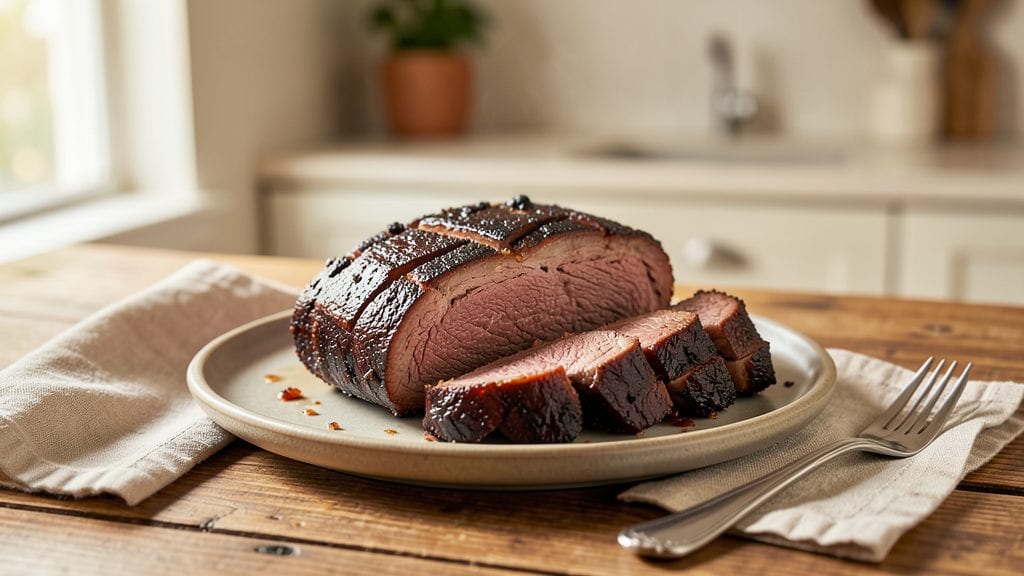
The Texas beef brisket dry rub recipe transforms tough cuts into tender, flavor-packed masterpieces—just one application unlocks deep, smoky-sweet crusts that lock in moisture during slow cooking.
This blend of 10 simple spices delivers the signature Texas BBQ profile without overwhelming the natural beef flavor, and it’s the secret weapon behind competition-worthy brisket every time.
I’ve refined this mix over years of smoking, balancing heat, sweetness, and earthiness for a crust that’s complex yet approachable for home cooks.
What sets this dry rub apart is its precision: each spice plays a role—coarse salt for adhesion, brown sugar for caramelization, and smoked paprika for that unmistakable Texas aroma.
The blend is designed to be applied generously 1–2 hours before cooking, giving it time to form a flavorful bark that crisps beautifully during the smoke. Unlike pre-packaged mixes, this version uses real spices (no fillers) and keeps the measurements simple for consistent results every time.
The result is a brisket with a deep mahogany crust that’s sweet, smoky, and slightly spicy—without masking the beef’s natural richness. This rub works equally well on pork shoulder, ribs, or even roasted vegetables, making it a versatile addition to your smoking arsenal.
Store it in an airtight container for up to 6 months, so you’re always ready to elevate your next cook.
For best results, apply the rub while the meat is still cold to ensure even adhesion. Let it sit uncovered in the fridge for at least 30 minutes before cooking—this step is non-negotiable for maximum flavor penetration.
Whether you’re smoking for 12 hours or searing for 2, this dry rub delivers professional-quality results with minimal effort.
Ingredients for texas beef brisket dry rub
Ten spices, one transformative blend for Texas-style brisket perfection.
| Ingredient | Amount | Notes |
|---|---|---|
| Coarse Kosher Salt 🧂 | ½ cup | Diamond Crystal preferred for adhesion |
| Light Brown Sugar 🍚 | ¼ cup | Packed, not granulated |
| Smoked Paprika 🌶️ | 2 tbsp | High-quality, not dusty |
| Ground Black Pepper 🌶️ | 1 tbsp | Freshly cracked preferred |
| Ground Cumin 🌿 | 1 tbsp | Toasted for depth |
| Garlic Powder 🧄 | 1 tbsp | Not garlic salt |
| Onion Powder 🧅 | 1 tbsp | Freshly ground preferred |
| Ground Coriander 🌿 | 1 tsp | Sweet, citrusy notes |
| Cayenne Pepper 🔥 | ½ tsp | Adjust for heat preference |
| Mustard Powder 🌶️ | ½ tsp | Yellow, not ground mustard |
The coarse kosher salt is non-negotiable—Diamond Crystal clings best to the meat, creating that signature mahogany crust. Grab it from Penzeys or the bulk section at Whole Foods if you want premium quality, but the regular grocery store stuff works fine too. Light brown sugar is key for caramelization (granulated won’t work here), and smoked paprika should smell rich and smoky—not dusty or stale. I always buy spices in small quantities, using them within 6 months for peak freshness. The cayenne and mustard powder add layers of complexity, but start with the smaller amount and adjust to taste.
No smoked paprika? Substitute 1 tbsp regular paprika + 1 tsp liquid smoke (though nothing beats the real thing). Short on coriander? Ground allspice works in a pinch. The garlic and onion powders can be swapped for 1 tsp each of fresh minced garlic and onion if you’re feeling fancy. For a sweeter crust, add 1 extra tbsp brown sugar. This blend is designed to be generous—don’t skimp, or the flavors won’t develop properly during smoking. Store-bought mixes often contain fillers like anti-caking agents; this version is 100% real spices for authentic Texas BBQ flavor.
This rub keeps indefinitely in an airtight container, but spices lose potency over time. For best results, replenish every 6 months—your nose is the best judge. To apply, pat the meat dry first (moisture prevents adhesion), then rub it generously all over. Let it sit uncovered in the fridge for 1–2 hours before cooking—this step is what creates that deep, smoky-sweet crust. Works on brisket, pork shoulder, ribs, or even roasted vegetables for a bold BBQ kick.
Why You'll Love This Recipe
- Five-Ingredient Magic: I swear by this blend—just salt, sugar, paprika, pepper, and cumin. No fancy spices, no stress, and the results? Chef’s kiss. The smoked paprika gives it that deep, smoky backbone while the brown sugar keeps it from tasting like a salt lick.
- Smokehouse in Minutes: Honestly, this rub turns my brisket into something that tastes like it’s been slow-smoked for hours. The cumin adds warmth, the black pepper cuts through the richness, and that coarse salt? It clings like a dream, creating a crust so good you’ll want to eat it with a spoon.
- Leftovers That Shine: Between us, my brisket rarely lasts past the second day. The rub’s bold flavors only get better when reheated—perfect for sandwiches, tacos, or even a quick hash. I make a big batch on Sundays and still have pieces by Thursday. (My kids call it “Sunday meat.”)
- Budget-Friendly Feast: This recipe doesn’t just feed a crowd—it feeds a crowd well. A pound of brisket, a handful of pantry staples, and you’ve got enough for four meals. No need to break the bank for a restaurant-quality rub; these five ingredients do all the heavy lifting.
Step-by-step instructions for Texas beef brisket dry rub
This blend delivers that iconic Texas brisket bark—smoky, sweet, and deeply flavorful.
Combine Dry Ingredients in a Mixing Bowl
In a large mixing bowl, start by adding the 0.5 cup coarse kosher salt and 0.25 cup light brown sugar. The salt provides adhesion while the sugar creates that signature caramelized crust. Use your hands to break up any sugar clumps, ensuring an even distribution.
Next, incorporate the 2 tablespoons smoked paprika—this is the heart of the smoky flavor profile. Sprinkle it evenly over the salt and sugar mixture, then gently fold with a wooden spoon. The paprika should look like fine dust coating every grain of salt and sugar.
Add Warm Spices for Depth and Complexity
To the bowl, add the 1 tablespoon ground black pepper, 1 tablespoon ground cumin, 1 tablespoon garlic powder, and 1 tablespoon onion powder. These spices form the aromatic backbone of the rub. Use your fingers to work them into the mixture, breaking up any larger clumps and ensuring even dispersion.
Here's where it gets interesting—add the 1 teaspoon ground coriander and 0.5 teaspoon cayenne pepper. The coriander adds a subtle citrus note, while the cayenne introduces just enough heat to wake up your taste buds. The 0.5 teaspoon mustard powder rounds out the blend with a tangy depth that complements the smokiness.
Mix Thoroughly for Uniform Distribution
Transfer the mixture to a food processor or high-speed blender. Pulse for 10-15 seconds until the rub achieves a fine, powdery consistency. This step eliminates any remaining clumps and ensures every grain of meat gets an even coating. If you don't have a food processor, use a whisk in your mixing bowl for 2-3 minutes until completely smooth.
For the final texture check, rub a small amount between your fingers. It should feel like fine sandpaper—not gritty, not clumpy, but uniformly textured. This consistency guarantees maximum adhesion to the brisket and optimal flavor penetration during the smoke.
Store Properly for Freshness and Flavor Retention
Transfer the finished rub to an airtight container with a fine-mesh strainer or silicone lid. This prevents moisture from degrading the spices over time. Store in a cool, dark place for up to 3 months or refrigerate for extended freshness. When ready to use, shake the container vigorously before each application to redistribute any settled spices.
The key to a great rub isn't just the ingredients—it's how you use it. Apply generously to all sides of the brisket, pressing firmly so it adheres. Let it sit uncovered in the refrigerator for at least 4 hours (or overnight) before smoking. This resting period allows the rub to penetrate the meat, creating that unmistakable Texas brisket flavor profile.
Pro Tips For Making Texas Beef Brisket Dry Rub
- CRANK THE HEAT FIRST: Start your brisket over high heat—450°F or hotter—for the first 10-15 minutes. I used to baby it, and the rub never stuck. The initial sear locks in the spices so they don’t just fall off later.
- GRIND YOUR OWN SALT: Skip pre-ground salt—it clumps and won’t cling. Crush coarse kosher salt in a mortar or pulse it briefly in a food processor until it’s rough but not powdery. That texture is what makes the crust crisp.
- DON’T SKIP THE PAPRIKA TOAST: Lightly toast your smoked paprika in a dry pan for 30 seconds before mixing it in. It deepens the flavor—like the difference between black coffee and cold brew. (Yes, even if you’re impatient like me.)
- REST BEFORE SLICING: Let the brisket sit under foil for at least 15 minutes after pulling it off the heat. I learned this the hard way—cutting too soon turns tender meat into a sad, stringy mess. Patience here is non-negotiable.
Essential equipment for perfect results
Smoker Essentials
Your smoker is the heart of this recipe, so invest in a quality one—I recommend the Traeger Pellet Grill for beginners or the Pit Boss 340 for serious pitmasters. Both maintain precise temperatures between 225-250°F, crucial for even cooking and bark development.
If you're on a budget, a charcoal offset smoker like the Weber Smokey Mountain works well with a little extra effort to control temps. 🌡️
For temperature consistency, use a meat probe thermometer like the ThermoWorks Smoke—it’s my go-to for monitoring both smoker temps and internal meat temps. Avoid cheap clip-on probes; they’re inaccurate and unreliable. A digital timer (like the Traeger Timer) helps track cook times, especially during long smokes.
If you’re using wood, hickory or oak are classic choices for brisket, but pecan adds a subtle sweetness that pairs beautifully with this rub.
Prep Tools
A sharp boning knife (like the Victorinox 8-inch) is essential for trimming excess fat from your brisket before applying the rub. Fat trimming ensures better bark adhesion and prevents flare-ups during smoking.
I also recommend a wire meat brush to help distribute the rub evenly—OXO Good Grips makes a great one.
A large mixing bowl (preferably stainless steel) prevents flavor transfer from plastic, and a food processor (like the Ninja BN601) ensures your rub has a fine, even texture for maximum adhesion. 🔪
Storage Containers
Store your dry rub in an airtight container to preserve freshness—amber glass jars with silicone lids (like Le Parfait) are ideal because they block light, which degrades spices over time. Mason jars work too, but their wide mouths make them less convenient for shaking.
Label your container with the date to track freshness; spices lose potency after 6 months. For long-term storage, consider vacuum-sealing the rub in Mylar bags with an oxygen absorber to extend shelf life even further.
Optional Upgrades
For wood chip variety, a smoke tube (like the Traeger Smoke Tube) lets you experiment with different woods without buying full chunks. If you’re using a pellet grill, try hickory pellets for classic Texas flavor or applewood for a sweeter profile.
A meat thermometer with dual probes (one for smoker temp, one for meat) gives you real-time data—Meater+ is my top pick for precision. For post-smoke resting, a cooling rack (like Amazon Basics) keeps your brisket elevated, preventing soggy bottoms. 💡
Budget-Friendly Swaps
No smoker? A cast-iron skillet (like Lodge) or grill can work for smaller cuts—just use a smoke generator (like Traeger’s smoke pellets) or chopped wood chips in a foil packet. For rub storage, small spice jars (like McCormick’s) suffice, though they’re less airtight.
Skip the food processor and use a mortar and pestle to grind spices finely. A cheap digital thermometer (like Thermoworks Smoke) is better than nothing, but invest in a quality one if you plan to smoke often. Every pitmaster starts somewhere! 💪
Nutrition facts
Frequently asked questions
Can I adjust the heat level in this Texas-style dry rub?
The recipe includes 0.5 teaspoon cayenne pepper for a mild kick, but you can easily reduce it to ¼ teaspoon for a milder version or increase to 1 teaspoon for serious heat. For extra spice without cayenne, add ½ teaspoon chipotle powder—it adds smoky heat that pairs perfectly with brisket.
How do I make this dry rub stick better to fatty cuts like brisket?
Pat the meat completely dry with paper towels before applying the rub—moisture is the enemy of adhesion. For extra grip, sprinkle a thin layer of cornstarch or arrowroot powder over the meat first. Let the rub sit uncovered in the fridge for at least 2 hours (overnight is ideal) before cooking. This resting time lets the spices penetrate deeper.
Can I use this rub on other meats besides brisket?
This blend works beautifully on pork shoulder, ribs, chicken thighs, or even roasted vegetables. For poultry, reduce the cayenne to ¼ teaspoon—birds are more sensitive to spice. On pork, you can double the brown sugar to ½ cup for a sweeter bark. The key is applying it 1-2 hours before cooking to let flavors meld.
What's the best way to store leftover dry rub?
Transfer the rub to an airtight container (amber glass jars work best) and store in a cool, dark place for up to 6 months. For longer storage, freeze it in ice cube trays—just break off what you need. Shake the container vigorously before each use to redistribute settled spices. Pro tip: Label with the date to track freshness—spices lose potency over time.
Why did my brisket bark turn gray instead of mahogany?
Gray bark usually means the rub didn't adhere properly (often from moisture) or the cooking temperature was too low (below 200°F). Ensure your brisket is completely dry before applying the rub, and maintain a steady 225-250°F temperature. For extra color, spritz the brisket lightly with apple cider vinegar during the last hour of cooking—it helps caramelize the sugars in the rub.