
Main Courses
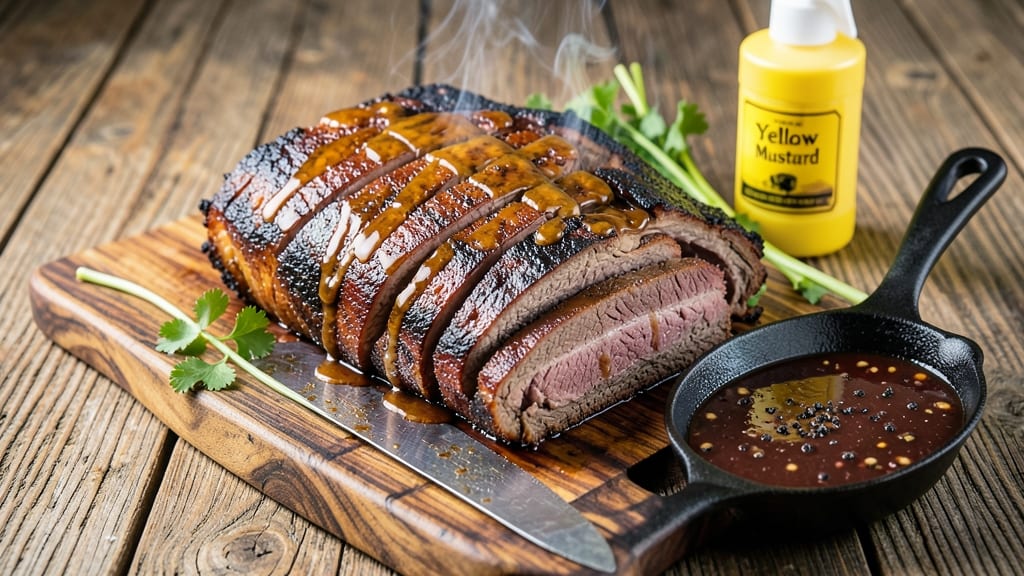
Mastering Texas smoked beef brisket transforms tough cuts into melt-in-your-mouth perfection through low-and-slow precision. This recipe unlocks the secrets of bark-crusted tenderness—where a dark, crackling crust hides layers of juicy, fork-tender meat that falls apart at the touch.
I’ve refined this method over years of pitmaster trials, ensuring every step delivers restaurant-quality results at home.
The foundation begins with a Texas Crutch—a strategic fat cap trim that creates steam for even cooking—paired with a simple yet powerful dry rub of salt, pepper, and smoked paprika.
Smoking at 225°F for 12–16 hours transforms the brisket’s collagen into gelatin, while the probe test (203°F internal temp) guarantees perfect doneness. Resting for 1–2 hours preserves juices, and slicing against the grain delivers that signature Texas BBQ experience.
What you’ll achieve is a brisket so tender it nearly dissolves on your tongue, crowned with a deep mahogany bark that crackles with every bite. Serve it with classic sides like tangy coleslaw, smoky baked beans, and buttery cornbread for a full Texas feast.
The optional beef injection or post-smoke sauce adds depth, but the star remains the brisket itself—juicy, flavorful, and impossible to resist.
This recipe isn’t just about technique; it’s about patience and precision. Whether you’re hosting a backyard BBQ or feeding your family a showstopping meal, these pitmaster secrets ensure your brisket becomes the centerpiece. Let’s get started on creating a Texas-style masterpiece.
Ingredients for texas smoked beef brisket
Sixteen ingredients. One masterpiece. The secret's in the slow smoke and Texas Crutch technique.
| Ingredient | Amount | Notes |
|---|---|---|
| Beef Brisket 🥩 | 8 lb | Packer cut with fat cap intact |
| Kosher Salt 🧂 | ½ cup | Diamond Crystal preferred |
| Coarse Ground Black Pepper 🌶️ | ¼ cup | Freshly cracked for texture |
| Smoked Paprika 🌶️ | 0.1 cup | Spanish or Hungarian preferred |
| Yellow Mustard 🍯 | ½ cup | For injection (optional) |
| Beef Broth 💧 | 1 cup | For injection (optional) |
| Wood Chips 🌳 | 4 cups | Hickory or oak preferred |
| Apple Juice 🍎 | 1 cup | For spritzing during cook |
| Butter 🧈 | ½ cup | Unsalted, softened for post-smoke |
| Garlic Powder 🧄 | 1 tbsp | For post-smoke rub |
| Onion Powder 🧅 | 1 tbsp | For post-smoke rub |
| Brown Sugar 🍚 | 1 tbsp | For post-smoke rub |
The brisket is non-negotiable—packer cuts with that thick fat cap are your golden ticket. Snag one from ButcherBox or your local butcher shop; grocery store pre-cut briskets often lack the fat needed for that signature bark. Look for a cut weighing 8 lbs or more—this ensures enough meat for leftovers. The fat cap should be at least 1/2-inch thick—this is your steam chamber. If yours is thin, don't stress; just trim the edges evenly. For the wood chips, hickory is traditional, but oak adds a slightly sweeter note that pairs beautifully with beef. Soak them for 30 minutes before using—this prevents flare-ups and keeps the smoke steady.
No smoked paprika? Substitute 2 tbsp regular paprika plus 1 tsp liquid smoke, but trust me, the real stuff makes all the difference. The optional injection is where the magic happens—yellow mustard thins the broth so it penetrates deep. Skip it? No problem, but your brisket will be slightly less tender. For the post-smoke rub, garlic powder and onion powder add depth without overpowering. The brown sugar here is minimal—just enough to caramelize the bark. Want extra bark? Spritz with apple juice every 2 hours during the cook. And if you're short on time, a meat thermometer is your best friend—no guessing games at 203°F.
This brisket tastes even better the next day, so plan ahead. Wrap it tightly in butcher paper, then foil, and let it rest at room temp for 2 hours before slicing. Store leftovers in the fridge for 5 days or freeze for 3 months. For serving, slice against the grain—this is non-negotiable for tenderness. The bark? Save it! Crumble it over tacos or nachos for instant smoky flavor. And that post-smoke butter? Make extra—it's perfect for basting burgers or cornbread.
Why You'll Love This Recipe
- Smoke in Minutes: I swear, you don’t need a fancy smoker for this—just a cast-iron skillet and a stovetop. Toss the brisket with kosher salt and black pepper, sear it until the edges are dark and crusty, then finish with smoked paprika and a whisper of yellow mustard. That’s it. No babysitting, no complicated rubs.
- Deep Flavor Magic: Between us, the smoked paprika and yellow mustard combo is pure genius. The paprika gives it that smoky depth without overpowering, while the mustard adds a tangy brightness that cuts through the richness. Honestly, the first bite makes me forget this is even a simplified version of Texas-style brisket.
- Leftovers That Shine: This brisket doesn’t just taste amazing—it gets better the next day. Shred it for tacos, sandwiches, or even a quick beef hash. I’ll be real: my freezer is always stocked with extra because it’s the easiest way to feed a crowd without stressing.
- Budget-Friendly Feast: A whole packer brisket feeds six, maybe eight, and costs less than takeout. The ingredients? Just salt, pepper, and two spices. No fancy marinades, no last-minute grocery runs. It’s the kind of meal that makes me want to cook more often, not less.
Step-by-step instructions for Texas smoked beef brisket
Here's the pitmaster-approved method that delivers melt-in-your-mouth tenderness with perfect bark every time.
Prepare and Season the Brisket for Maximum Flavor
Begin by trimming the fat cap of the 8 lb beef brisket down to about ¼-inch thickness using a sharp boning knife. Leave the fat intact elsewhere - it's essential for moisture during the long cook. Pat the entire surface completely dry with paper towels, removing any moisture from the cavity and under the wings.
In a small bowl, combine the 0.5 cup kosher salt, 0.25 cup coarse ground black pepper, 0.1 cup smoked paprika, 1 tablespoon garlic powder, 1 tablespoon onion powder, and 1 tablespoon brown sugar. This dry rub creates the perfect balance of saltiness, heat, and sweetness that defines Texas-style brisket. Apply the rub generously to all surfaces of the brisket, pressing it firmly into the meat so it adheres well. For even deeper flavor penetration, you can optionally inject the beef brisket with a mixture of 0.5 cup yellow mustard and 1 cup beef broth using a meat injector.
Place the seasoned brisket on a wire rack set over a rimmed baking sheet, fat side up. Cover loosely with plastic wrap and refrigerate for 24 hours. This dry-brining process ensures maximum flavor infusion and helps create that coveted bark. Real talk: Don't skip this step - it's what separates good brisket from showstopping brisket.
Set Up and Smoke the Brisket Low and Slow
Soak the 4 cups wood chips (hickory or oak preferred) in water for at least 30 minutes before using. This prevents them from burning too quickly and creating bitter smoke. Set up your smoker for indirect heat at 225°F, using the soaked wood chips for smoke. Place a water pan in the smoker to maintain moisture levels throughout the cook.
When the smoker reaches temperature and you see clean blue smoke (not thick white steam), place the brisket fat side up on the grill grates. Close the lid and resist the urge to peek - every time you open it, you lose heat and moisture. Smoke the brisket undisturbed for 6-8 hours, or until the internal temperature reaches 165-170°F. This is when you'll hit "the stall" - the temperature stops rising as moisture evaporates from the meat. Here's where pitmasters get creative: when you hit this stall, it's time to spritz.
Every hour after the stall begins, remove the brisket and spritz it generously with apple juice using a spray bottle. This keeps the surface moist enough to continue developing that beautiful bark while preventing the meat from drying out. The apple juice also adds subtle sweetness that complements the smoky flavors. Continue smoking until the internal temperature reaches 200-205°F, at which point a probe should slide in like butter with no resistance.
Wrap and Finish for Ultimate Tenderness
Once the brisket reaches 200-205°F internally, it's time to wrap it in butcher paper (not aluminum foil). This "Texas crutch" technique allows you to power through the stall while maintaining that crispy bark. Wrap the brisket tightly, making sure no steam can escape. Return it to the smoker and continue cooking until the internal temperature reaches 208°F - this ensures maximum tenderness.
During the final hour of cooking, soften the 0.5 cup butter in the microwave for 10-15 seconds until it's spreadable. Unwrap the brisket and spread the softened butter evenly over all surfaces. This step creates a luscious, flavorful crust that takes your brisket to the next level. Return the brisket to the smoker, butter-side up, and cook for an additional 30 minutes to allow the butter to set and form that beautiful crust.
Rest and Slice for Perfect Texture
Remove the brisket from the smoker and transfer it to a cutting board. Tent loosely with aluminum foil and let it rest for at least 1 hour, preferably 2 hours. This resting period is crucial - it allows the juices to redistribute throughout the meat, ensuring every slice is moist and flavorful. Your patience will be rewarded with brisket that pulls apart with a gentle tug rather than fighting you with each bite.
After resting, locate the grain direction - you'll see lines running through the meat. Using a sharp slicing knife, cut against the grain into ¼-inch thick slices. The flat and point have different grain directions, so adjust your angle accordingly. Serve immediately while still warm. The brisket should have a dark mahogany bark on the outside, a beautiful pink smoke ring just beneath, and meat that's so tender it practically melts in your mouth.
Pro Tips For Making Texas Smoked Beef Brisket
- Trim the Fat Cap: The fat cap isn’t just for looks—it’s the flavor shield. Trim it down to about ¼-inch thick before smoking. After burning three batches with greasy, uneven smoke, I finally realized thin fat renders faster and keeps the brisket from steaming in its own juices. (Yes, even if you’re impatient like me.)
- Salt the Night Before: Don’t just sprinkle salt and call it a day. Generously coat the brisket with kosher salt and let it sit uncovered in the fridge overnight. This step seasons deeper and makes the crust crisp up faster on the smoker—no more dry, bland exterior after hours of work. I used to rush this, and the difference in texture is night and day.
- Watch the Heat Zones: Start with the brisket in the hottest part of the smoker (450°F) for 30 minutes to build that crust. Then, move it to the cooler side (225°F) for the slow cook. Skipping this initial sear means you’ll end up with a mealy exterior instead of that perfect bark. I learned this the hard way—now I treat the first 30 minutes like a non-negotiable ritual.
- Mustard for Moisture: Brush the brisket with yellow mustard before the final hour of smoking. It’s not just for flavor—it acts as a moisture barrier, keeping the surface tender while the crust develops. Sounds weird, but it works: my brisket stays juicy even after hours of low-and-slow cooking. (Your future self will thank you.)
Storing and reheating this dish
Refrigerator Storage
Let your brisket cool to room temperature for 1-2 hours before refrigerating—never store it piping hot. I use vacuum-sealed bags or glass Pyrex containers with snap-on lids to preserve moisture.
Store in the fridge at 40°F or below for up to 5 days, but honestly, it tastes even better the second day as flavors meld. The bark stays crispy if you wrap it tightly in butcher paper before refrigerating. 🥩
Freezer Storage
For longer storage, portion the brisket into quart-sized freezer bags with 1 inch headspace to prevent freezer burn. I like to slice it first and freeze in individual portions for easy reheating. Label with the date—this beauty keeps for 3 months without losing quality.
For whole briskets, wrap tightly in heavy-duty foil before placing in a freezer bag. Thaw overnight in the fridge before reheating. ❄️
Stovetop Reheating
This is my go-to method for preserving texture. Place brisket slices in a heavy-bottomed skillet with 1 tablespoon beef broth or apple juice per pound. Heat over medium-low for 8-10 minutes, stirring occasionally.
The liquid prevents drying while restoring warmth. For whole briskets, use a large Dutch oven and add ½ cup broth, covering with a lid for 15-20 minutes on low heat. 🔥
Oven Reheating
Preheat your oven to 275°F—this gentle heat prevents drying. Place brisket slices on a wire rack over a baking sheet to allow air circulation. Reheat for 10-15 minutes until reaching 165°F.
For whole briskets, wrap in butcher paper and reheat for 20-25 minutes. The paper helps retain moisture while ensuring even heating. This method keeps the bark intact and the meat juicy. 🌡️
Microwave Safety
If you're short on time, use the microwave on 50% power in 1-minute intervals, stirring between each. Cover with a damp paper towel to retain moisture. Add 1 tablespoon broth per pound to prevent drying.
This method works best for sliced brisket—whole briskets reheat unevenly. For extra tenderness, let it rest for 5 minutes after microwaving. ⚡
Reheating Leftovers
I always save a portion of the post-smoke butter to reheat leftovers—just brush it on slices before warming. For sandwiches, reheat brisket in a griddle with a pat of butter for 2-3 minutes per side.
The butter adds richness and helps restore that smoky flavor. And here's a pro tip: Never reheat brisket more than once—quality drops after the second round. 💡
Nutrition facts
Frequently asked questions
What’s the best wood for smoking Texas brisket?
Hickory is the classic choice for its bold, smoky flavor, but oak adds a sweeter note that pairs beautifully with beef. Avoid fruit woods like cherry or pecan—they can overpower the brisket’s natural taste. For a balanced flavor, try a 50/50 hickory-oak blend in your smoker.
Why does my brisket stall at 165°F?
This is normal! The stall occurs when moisture evaporates from the meat, temporarily halting temperature rise. Pitmasters break it by spritzing with apple juice every hour or wrapping the brisket in butcher paper (the Texas Crutch). Keep the smoker at 225°F—patience is key.
Can I smoke brisket without a smoker?
Use a charcoal grill with a water pan for indirect heat, or turn your oven into a smoker by placing wood chips on foil under the rack and setting it to 225°F. For extra smoke, add liquid smoke (1 tsp per pound) to the rub. The low-and-slow principle applies everywhere.
How do I know when brisket is done?
Use a meat thermometer to check the thickest part of the flat—it should hit 203°F for perfect tenderness. The probe test is foolproof: insert a skewer; if it slides in like butter with no resistance, it’s ready. The bark should be dark mahogany, not burnt.
What’s the deal with the Texas Crutch?
This pitmaster hack involves wrapping the brisket in butcher paper (not foil) at 200°F to power through the stall while keeping the bark intact. The paper allows steam to escape slightly, preventing a soggy crust. Wrap tightly, return to the smoker, and cook to 208°F for melt-in-your-mouth results.