
Main Courses
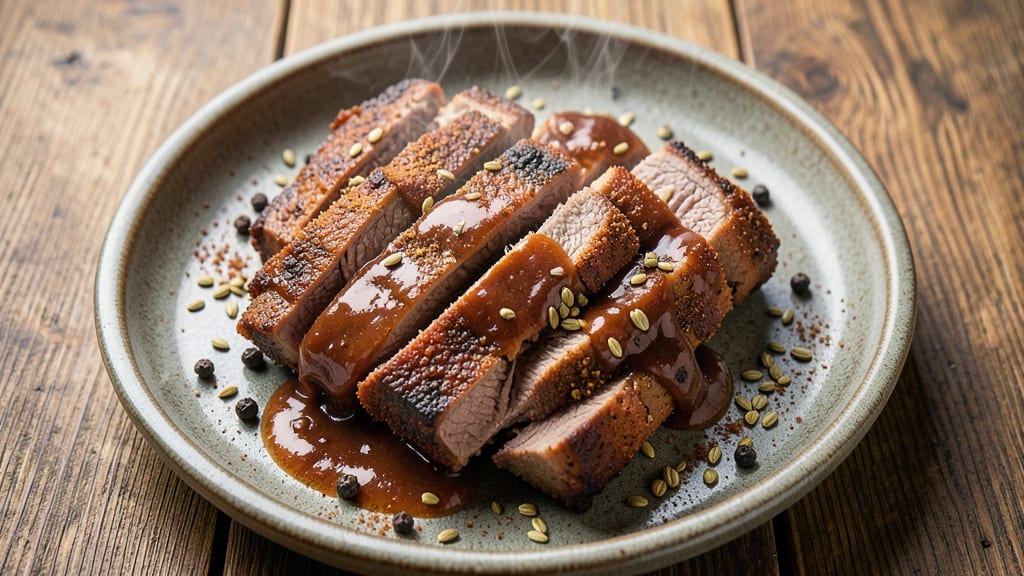
This traditional Jewish beef brisket recipe delivers the rich, tender, and deeply aromatic results that make it a centerpiece for Shabbat and special gatherings. The secret lies in a carefully balanced spice rub and the patience of slow-cooking—transforming tough beef into melt-in-your-mouth perfection.
I’ve perfected this method over years, ensuring every bite carries the warmth of tradition and the depth of authentic flavors.
The process begins with a foolproof spice blend of black peppercorns, coriander, and cinnamon, which infuses the beef as it braises for hours. Unlike rushed methods, this recipe demands time—at least 6 hours—to break down the meat and develop a sauce so rich it clings to every fiber.
The result? A brisket so tender it falls apart with the slightest touch, yet retains a crispy exterior that adds texture to each bite.
What sets this apart is the balance of spices—just enough warmth from cinnamon and cloves without overpowering the beef’s natural richness. The slow-cooked sauce reduces to a glossy, caramelized glaze, locking in all the flavors.
This isn’t just a dish; it’s a tradition, a flavor memory that connects generations. Whether serving at a family gathering or a quiet Shabbat dinner, this brisket will be the heart of the meal.
Pair it with crusty egg bread and pickled vegetables for the full experience, or serve it as the star of a holiday spread. The key to success? Patience and precision—every step matters. Let’s get started on creating a brisket that tastes like home.
Ingredients for traditional jewish beef brisket
Sixteen ingredients transform tough beef into tender tradition—where patience meets precision for Shabbat perfection.
| Ingredient | Amount | Notes |
|---|---|---|
| Beef Brisket (Whole Packer Cut) 🥩 | 4 lb | Flat cut preferred, 1-inch thick |
| Kosher Salt (Diamond Crystal) 🧂 | 1 ½ tbsp | Coarse grain for even seasoning |
| Black Peppercorns (Freshly Cracked) 🌶️ | 1 ½ tbsp | Coarsely ground for texture |
| Ground Coriander Seeds 🌿 | 1 ½ tbsp | Toasted for enhanced aroma |
| Ground Cinnamon (Ceylon) 🌶️ | 1 tbsp | Warmth without overpowering |
| Ground Cloves (Whole Cloves Toasted) 🌶️ | ½ tbsp | Lightly crushed for depth |
| Garlic Cloves (Fresh) 🧄 | 8 cloves | Peeled, smashed for infusion |
| Yellow Onion (Yellow) 🧅 | 1 whole | Chopped, caramelized base |
| Carrots (Whole) 🥕 | 4 whole | Cut into 2-inch chunks |
| Celery Stalk (Fresh) 🥬 | 3 whole | Chopped, aromatic trio |
| Beef Broth (Low-Sodium) 💧 | 2 cups | Homemade preferred, room temp |
| Red Wine (Dry, Bold) 🍷 | 1 cup | Cabernet Sauvignon recommended |
| Honey (Raw) 🍯 | 2 tbsp | For glaze, local preferred |
| Fresh Bay Leaves 🌿 | 2 whole | For subtle herbal depth |
| Extra-Virgin Olive Oil 🫒 | 2 tbsp | For searing and basting |
The beef brisket is non-negotiable—packer cut flat delivers optimal tenderness. Source from reputable butchers like Schwartz Deli or Whole Foods for prime quality. Look for marbling and bright red color—avoid grayish cuts. Trim excess fat to ¼-inch thickness for even cooking. The spice blend requires freshly ground coriander and cloves; Penzeys Spices offers pre-toasted varieties for convenience. Ceylon cinnamon provides warmth without bitterness—avoid cassia for authentic flavor. For garlic, Elephant brand cloves yield superior flavor when smashed.
No kosher salt? Diamond Crystal substitutes work identically, but Morton coarse lacks the same texture. Substitute red wine with beef broth + 1 tbsp balsamic for depth. Fresh bay leaves can be omitted if unavailable—dried at half quantity suffices. Honey may be replaced with maple syrup for vegan adaptations, though texture differs slightly. Olive oil must be extra-virgin—store-brand oils lack the fruity notes needed for basting. Caramelized onions can be prepped ahead and frozen; reheat gently to maintain sweetness. Celery may be swapped for fennel for a Mediterranean twist, though traditionalists insist on the trio.
Store raw brisket in vacuum-sealed bags for up to 5 days or freeze for 6 months. Prepped aromatics (onion, carrot, celery) keep 1 week refrigerated or 6 months frozen. Spice rub maintains potency for 3 months in airtight containers. Slow-cooked brisket reheats beautifully—wrap tightly and baste with pan juices for 2-3 hours at 300°F. Leftovers freeze for 3 months when portioned in airtight containers. Glaze thickens upon reheating—thin with water if needed. Serve with crusty egg bread to soak up the caramelized sauce for maximum flavor impact.
Why You'll Love This Recipe
- No-Fuss Prep: I swear by this—just a whole brisket, kosher salt, and cracked pepper. That’s it for the dry rub. No chopping, no stress, no fancy prep. Honestly, the hardest part is deciding whether to make it for dinner or save it for leftovers.
- Deep, Warm Spice Bomb: Between the Ceylon cinnamon and coriander, this isn’t just beef—it’s a slow-cooked hug. The crust gets dark and crackly, but the inside stays tender enough to melt. My kids (yes, even the picky ones) fight over seconds.
- Leftovers That Save Me: This recipe makes way more than we eat in one sitting. I freeze portions for lazy nights or pack it in lunches—sandwiches, salads, you name it. No sad, dry meat here; it stays juicy for days.
- Budget Beef That Feeds Crowds: A whole packer cut stretches to feed six, eight, or even ten without breaking the bank. I’ve hosted Shabbat dinners, potlucks, and even a surprise dinner for my boss—everyone leaves happy, and my wallet stays happy too.
Step-by-step instructions for traditional Jewish beef brisket
Master this time-honored technique to achieve tender, aromatic brisket with deep spice infusion.
Prepare the Brisket and Spice Rub
Begin by trimming excess fat from the brisket, leaving a thin layer for moisture retention. Pat the meat completely dry with paper towels—this ensures maximum surface area for the rub to adhere and creates the perfect foundation for that coveted bark. In a small bowl, combine the 1.5 tablespoons kosher salt (Diamond Crystal), 1.5 tablespoons freshly cracked black peppercorns, 1.5 tablespoons toasted ground coriander seeds, 1 tablespoon ground Ceylon cinnamon, and 0.5 tablespoon lightly crushed ground cloves (whole cloves toasted). The spices should blend seamlessly, with no visible clumps.
Generously coat the brisket with the spice mixture, pressing it firmly into every crevice. This step is crucial—don't rush it. The spices need time to penetrate the meat, so place the brisket on a wire rack set over a baking sheet and refrigerate uncovered for at least 4 hours, preferably overnight. This dry-brining process enhances flavor and texture, transforming tough cuts into melt-in-your-mouth perfection.
Sear the Brisket and Build the Aromatic Base
Preheat your oven to 300°F and heat a Dutch oven over medium-high heat. Add the 2 tablespoons extra-virgin olive oil and let it shimmer. Place the brisket fat-side down and sear undisturbed for 8-10 minutes until a deep golden crust forms. Flip carefully and sear the other side for another 8-10 minutes. Remove the brisket and set it aside on a plate.
In the same Dutch oven, add the 1 whole yellow onion (chopped), 4 whole carrots (cut into 2-inch chunks), and 3 whole celery stalks (chopped). Cook for 5-7 minutes until the vegetables begin to soften. Add the 8 cloves smashed garlic cloves and cook for 1 minute until fragrant. Deglaze the pan with the 1 cup dry bold red wine, scraping up any browned bits that cling to the bottom—this is where the deep, complex flavors develop. Let the wine reduce by half, then add the 2 cups low-sodium beef broth and 2 whole fresh bay leaves. Bring to a gentle simmer.
Braise the Brisket Low and Slow
Return the brisket to the Dutch oven, fat-side up, and nestle it into the vegetables. The liquid should come about halfway up the sides of the meat. Cover tightly with the lid and transfer to the preheated 300°F oven. Braise for 2.5 hours, then carefully flip the brisket and cook for another 2.5 hours. This slow, moist heat is essential—it breaks down connective tissue while infusing the meat with the aromatic spices and vegetables.
After 4 hours total, check the internal temperature with a meat thermometer. It should read 195-200°F—this is the sweet spot for fork-tender brisket. If it hasn't reached this temperature, continue cooking, adding ½ cup water if the liquid level drops below halfway up the brisket. The goal is to keep it submerged in its flavorful bath.
Glaze and Rest for Maximum Juiciness
Remove the brisket from the oven and carefully transfer it to a cutting board. In a small saucepan, combine the 2 tablespoons raw honey with 2 tablespoons extra-virgin olive oil over low heat. Warm gently, swirling until the honey melts into a glossy glaze. Brush this mixture generously over the brisket, coating all sides evenly. Return the brisket to the Dutch oven and let it rest in the residual heat for 15 minutes. This glaze adds a subtle sweetness that balances the bold spices.
Let the brisket rest for at least 30 minutes before slicing. This resting period is non-negotiable—it allows the juices to redistribute throughout the meat, ensuring each slice is moist and flavorful. Tent loosely with foil to keep it warm. When ready to serve, slice the brisket against the grain into ¼-inch thick portions. The result should be a brisket with a dark, aromatic bark, tender meat that pulls apart easily, and a rich, spice-infused sauce that clings to every bite.
Pro Tips For Making Traditional Jewish Beef Brisket
- Trim the Fat First: Before you even think about seasoning, grab a sharp knife and trim the thickest layer of fat from the top of the brisket—about ¼-inch thick. I learned this the hard way when I left it on and ended up with a greasy crust instead of a crispy, flavorful one. (Yes, it’s messy, but worth it.)
- Salt in Layers, Not Just Once: Diamond Crystal kosher salt is coarse, so don’t just sprinkle it on top—work it into the crevices of the fat cap and between the muscle layers. After the initial salt rub, add another layer halfway through cooking. This isn’t just about flavor; it’s about keeping the meat juicy by osmosis.
- Skip the Crowding in the Pan: If you’re searing the brisket before slow cooking, resist the urge to pile everything in the pan at once. Cook in batches—two minutes per side max—so the meat releases its own juices and builds a proper crust. I used to rush this, and the brisket just steamed instead of browning.
- Use Ceylon Cinnamon Sparingly: Ground Ceylon cinnamon has a milder, sweeter heat than cassia, but it’s still potent. Start with ½ teaspoon total for the whole recipe, mixed into the coriander and pepper. Too much, and you’ll taste it like a holiday cookie instead of a savory brisket. (Trust me, I’ve overdone it.)
Essential equipment for this recipe
Dutch Oven Essentials
A 5-7 quart Dutch oven is non-negotiable for this recipe—its heavy gauge construction ensures even heat distribution and prevents burning. I recommend the Le Creuset Signature or Lodge Cast Iron models; both handle high temperatures flawlessly and develop a natural non-stick patina over time.
The deep sides make basting effortless, and the tight-fitting lid traps moisture for tender results. 🔥
Meat Thermometer Must-Have
An instant-read meat thermometer with a probe at least 6 inches long is critical for precision. I swear by the ThermoWorks Smoke—its laser-guided probe lets you check internal temps without opening the oven.
Aim for 195-200°F in the thickest part of the brisket; this ensures perfect tenderness without drying out. A cheaper alternative is the Taylor Precision Digital thermometer.
Wire Rack for Dry Brining
Place your brisket on a wire rack set inside a rimmed baking sheet during dry brining. This allows air circulation on all sides, preventing soggy meat and helping the spice rub develop a deep, crusty bark.
A Viking brand rack works perfectly, but any sturdy wire rack from your kitchen will do. Pro tip: Elevate the rack with a second baking sheet to catch drippings.
High-Quality Spice Tools
Freshly ground spices make all the difference—Penzeys Spices offers pre-toasted coriander and cloves that elevate this dish. For cinnamon, Ceylon variety (not cassia) provides authentic warmth. A mortar and pestle or spice grinder ensures even texture.
I avoid pre-ground spices from grocery store jars—they lose potency quickly. Store your spices in amber glass jars to preserve flavor and aroma.
Basting Brush and Glaze Tools
A silicone basting brush (like OXO Good Grips) prevents drips and makes glazing effortless. For the honey glaze, use a small saucepan with sloped sides to prevent spills.
A heatproof spatula helps spread the glaze evenly without tearing the brisket's crust. Keep a small bowl of water nearby to quickly clean any honey residue from your brush.
Optional: Smoker Setup
For a smoked variation, you'll need a charcoal or wood pellet smoker capable of maintaining 225-250°F for hours. I use a Traeger Pellet Grill with hickory or applewood pellets for authentic smoke flavor.
If smoking, extend cook time to 6-8 hours and monitor closely—smoke can dry out the meat faster than oven braising. A smoke tube or smoker box adds depth without overpowering the spices. 💫
Nutrition facts
Frequently asked questions
Why does this recipe use Ceylon cinnamon instead of regular cassia?
Ceylon cinnamon has a milder, sweeter flavor that complements the beef without overpowering it. Cassia contains more coumarin, which can taste bitter and dominate the dish. For authentic Jewish brisket, Ceylon is the traditional choice—it adds warmth while keeping the spices balanced.
Can I substitute red wine with something else in the braising liquid?
Yes! If you prefer, use 2 cups beef broth + 1 tablespoon balsamic vinegar for depth. Or swap the wine entirely for 1 cup beef broth + 1 cup tomato juice (reduce first). Just avoid sweet wines—they can alter the sauce's balance. The key is acidity to tenderize the meat.
How do I know when the brisket is done without a meat thermometer?
Press the thickest part with your finger—if it feels fork-tender (like butter), it's close. The internal temp should reach 195-200°F. A visual clue: The meat should pull away from the bone easily. For extra safety, cook until the juices run clear when pierced with a knife.
What’s the best way to reheat leftover brisket?
Slice the brisket and reheat in a skillet with 1 tablespoon olive oil over low heat for 5-7 minutes, adding a splash of beef broth to keep it moist. Alternatively, wrap slices in foil with a bit of sauce and reheat at 300°F for 20 minutes. Never microwave—it dries out the meat.
Can I make this brisket in a slow cooker instead of an oven?
Sear the brisket first, then transfer it to a slow cooker with the braising liquid. Cook on low for 8-10 hours or high for 5-6 hours. The texture will be slightly softer, but still delicious. Just check the internal temp at the end—it should still reach 195-200°F.