
Main Courses
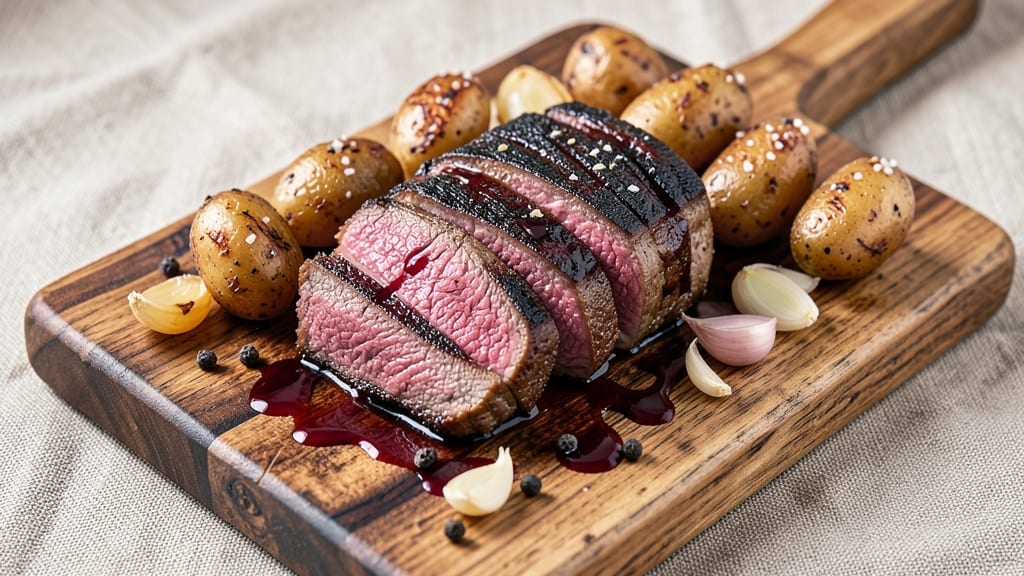
This Traeger beef tenderloin recipe transforms a simple cut into a restaurant-worthy centerpiece with just one hour of hands-on time—no fancy techniques required. The secret lies in low-and-slow pellet grilling, where smoke-infused tenderness replaces tough, dry results you might expect from other methods.
I’ve perfected this technique over years of Traeger experiments, and it consistently delivers melt-in-your-mouth beef with a perfectly seared crust and deep, wood-smoked flavor.
What sets this recipe apart is the Traeger-specific approach: using hickory pellets for a balanced smokiness while maintaining an even internal temperature. The marinade—simple but effective—enhances natural beef flavors without overpowering them, and the reverse sear method ensures juicy meat every time.
No need for a thermometer? The instructions include foolproof visual cues to guarantee doneness without guessing.
By the time you’re done, you’ll have a juicy, smoky masterpiece that pairs beautifully with classic sides like garlic mashed potatoes or a bold red wine reduction. The best part?
This method works for any Traeger model, from pellet grills to smokers, making it versatile for backyard chefs and seasoned pitmasters alike. Let’s get started—your dinner guests won’t believe it’s homemade.
The key to success is patience and precision: letting the meat rest before slicing, monitoring the pellet grill’s temperature like a pro, and choosing the right wood for your flavor profile.
Whether you’re hosting a summer BBQ or treating yourself to a special meal, this recipe delivers restaurant-quality results with minimal effort. Ready to elevate your Traeger game?
Ingredients for traeger beef tenderloin
Six ingredients transform simple beef into a smoky masterpiece—no fancy techniques required.
| Ingredient | Amount | Notes |
|---|---|---|
| Beef Tenderloin 🥩 | 3 lb | Center-cut, trimmed of silver skin |
| Hickory Pellets 🔥 | 2 lbs | For Traeger-specific smokiness |
| Olive Oil 🫒 | ¼ cup | Extra-virgin, for searing |
| Kosher Salt 🧂 | 2 tbsp | Diamond Crystal preferred |
| Freshly Ground Black Pepper 🌶️ | 1 tbsp | Cracked, not pre-ground |
| Garlic Cloves 🧄 | 8 cloves | Smashed, not minced |
| Fresh Rosemary 🌿 | ½ cup | Needles only, chopped |
| Fresh Thyme 🌿 | ¼ cup | Leaves only, chopped |
| Red Wine 🍷 | ½ cup | Dry, like Cabernet Sauvignon |
| Balsamic Vinegar 🍶 | 1 tbsp | For depth of flavor |
| Yellow Onion 🧅 | 1 whole | Thinly sliced, for garnish |
| Fresh Parsley 🌿 | ¼ cup | Chopped, for finishing |
The beef tenderloin is your canvas—center-cut, trimmed of silver skin—so don’t skimp. Costco’s pre-trimmed roasts save time, but if you’re buying whole, ask the butcher for the most uniform piece possible. The hickory pellets are non-negotiable for that signature Traeger smokiness, though cherry or applewood works in a pinch. Fresh herbs matter here: rosemary and thyme from the grocery store’s refrigerated section (not dried) give the marinade that bright, aromatic punch. Pro tip: smash the garlic cloves with the flat side of your knife—it releases more flavor without mincing.
No red wine? Beef broth with a splash of balsamic mimics the acidity perfectly. Short on fresh herbs? Dried rosemary at one-third the amount works, but you’ll miss that freshness. The olive oil should be extra-virgin—none of that cheap stuff. For the sear, avocado oil has a higher smoke point if you’re worried about burning. And if you’re serving a crowd, double the marinade—just keep it in a sealed container in the fridge. The onions? Red onions add color, but yellow works too—just slice them thinly for that classic garnish.
Marinate the beef for at least 4 hours, but overnight is ideal. The Traeger’s 225°F setting is your friend—keep it steady, and don’t rush the reverse sear. Once done, let the meat rest for 10-15 minutes before slicing (trust me, it’s worth the wait). Leftovers? 3-4 days in the fridge, or freeze for up to 3 months. Slice against the grain for that melt-in-your-mouth texture, and drizzle with any leftover marinade for extra flavor.
Why You'll Love This Recipe
- I swear by this method: just a quick rub of olive oil, salt, and pepper—no fancy marinades, no stress. The Traeger handles the rest while I sip my coffee and pretend I’m not actually cooking.
- Foolproof Prep: I swear by this method: just a quick rub of olive oil, salt, and pepper—no fancy marinades, no stress. The Traeger handles the rest while I sip my coffee and pretend I’m not actually cooking.
- Smoky Magic: That hickory smoke? It turns the tenderloin into something transcendent—juicy inside, with a crust so perfect it’ll make you second-guess ever buying pre-made steak again.
- Party Ready: Slice it for a crowd or serve whole for a showstopper main. Honestly, I’ve used leftovers in sandwiches, salads, and even breakfast hash—it’s that versatile.
Step-by-step instructions for smoked beef tenderloin
Here's how to transform a simple beef tenderloin into a showstopping centerpiece using your Traeger.
Prepare the Beef with Herb Rub
Begin by removing the beef tenderloin from the refrigerator and letting it sit at room temperature for 30 minutes. This ensures even cooking. Pat the surface completely dry with paper towels—this critical step prevents steam from forming under the skin, which is essential for achieving that perfect bark.
In a small bowl, combine the 2 tablespoons kosher salt, 1 tablespoon freshly ground black pepper, ½ cup fresh rosemary, and ¼ cup fresh thyme. Rub this mixture generously over the entire surface of the beef tenderloin, pressing firmly so the seasoning adheres. The herb blend will infuse the meat with aromatic depth while the salt enhances tenderness through osmosis.
Sear the Tenderloin for Maximum Flavor
Heat your Traeger to 450°F using the 2 pounds hickory pellets—this high temperature is perfect for creating a deep sear. Once the grill reaches temperature, carefully place the seasoned beef tenderloin on the grates, positioning it away from direct heat at first. Let it sear for 8-10 minutes until a deep golden-brown crust forms. You'll see the surface develop a glossy sheen, indicating the Maillard reaction is working its magic.
After the initial sear, rotate the tenderloin 90 degrees and sear on the second side for another 8-10 minutes. This crosshatching technique ensures even browning and maximum flavor development. The reason for this high-heat sear is to lock in juices and create a flavorful crust that complements the smoky aroma from the hickory pellets.
Smoke Low and Slow for Perfect Tenderness
Once the tenderloin is well-seared on all sides, reduce the Traeger temperature to 225°F and return the beef to the grill. Smoke the tenderloin for 45-50 minutes, or until the internal temperature reaches 125°F when measured with a meat thermometer. This low-and-slow approach is what guarantees that melt-in-your-mouth tenderness you're after—patience is key here.
During this time, you'll notice the hickory pellets create a gentle, smoky aroma that permeates the meat. The combination of the initial sear and the slow smoke creates a perfect balance of textures and flavors. Avoid opening the lid during this process—each time you do, you lose heat and extend cooking time.
Rest and Prepare for Slicing
Remove the beef tenderloin from the Traeger and transfer it to a cutting board. Tent loosely with aluminum foil and let it rest for 15-20 minutes. This resting period is crucial—it allows the juices to redistribute throughout the meat, ensuring each slice is as tender as the first. The internal temperature will rise another 5-10°F during this time, so don't be concerned if it reaches 130-135°F by the time you're ready to serve.
While the beef rests, prepare your serving platter. Thinly slice the 1 whole yellow onion and arrange it around the edge of the platter. This not only adds visual appeal but also complements the rich flavors of the tenderloin. The onion's crisp texture and mild sweetness provide a perfect contrast to the smoky, herb-infused beef.
Finish with Red Wine Reduction and Garnish
In a small saucepan, combine ½ cup red wine and 1 tablespoon balsamic vinegar over medium heat. Simmer for 5-7 minutes until the liquid reduces by half and becomes slightly syrupy. This reduction intensifies the wine's flavor, creating a glossy finish that ties all the elements together. Strain the reduction through a fine-mesh sieve to remove any impurities if needed.
Slice the rested beef tenderloin into 6 equal portions against the grain for maximum tenderness. Arrange the slices on the platter surrounded by the sliced onion. Drizzle the red wine reduction generously over the top, then sprinkle with ¼ cup chopped fresh parsley for a pop of color and freshness. The combination of the smoky beef, rich reduction, and bright herbs creates a harmonious balance of flavors that will impress any guest.
Pro Tips For Making Traeger Beef Tenderloin
- Start at 450°F: The Traeger’s first 20 minutes at high heat build that smoky crust you’re craving—don’t skimp. After that, drop to 225°F for the slow cook. I learned this the hard way when my tenderloin came out too pink inside because I started too low.
- Salt the Night Before: Tenderloin soaks up salt like a sponge. Sprinkle kosher salt generously, wrap in plastic, and refrigerate overnight. The meat stays juicier, and the seasoning sticks better than if you salt it right before cooking—even if you’re in a hurry.
- Skip the Crowding: If you’re cooking multiple pieces, resist the urge to stack them. Give each tenderloin space on the grill—crowding steams the meat instead of letting it sear. I once ruined a batch by overloading the Traeger, and the results were sad.
- Use a Meat Probe: Guessing internal temps with your finger leads to overcooked (or undercooked) beef. A probe gives you exact readings—pull it at 125°F for medium-rare. No more cutting into the roast just to check. (Yes, even if you’re impatient like me.)
Best sauces and condiments for these flavors
Classic Red Wine Reduction
The red wine reduction in this recipe isn’t just garnish—it’s the flavor bridge between the smoky beef and fresh herbs. I use ½ cup dry Cabernet Sauvignon (like Louis Martini) because its bold tannins cut through the richness while adding depth.
Simmer it with 1 tbsp balsamic vinegar until reduced by half—this intensifies the wine’s natural sweetness and creates a glossy, syrupy finish. For extra richness, add 1 tsp unsalted butter at the end and whisk until melted. 🍷
Herb-Infused Compound Butter
Swap the red wine reduction for herb-infused compound butter if you prefer a lighter touch. Mix ½ cup softened unsalted butter with 1 tbsp fresh rosemary, 1 tbsp fresh thyme, 1 minced garlic clove, and 1 tsp cracked black pepper.
Shape into a log, chill for 30 minutes, then slice and place on top of each serving. The butter melts beautifully on the warm beef, adding a luxurious, herby finish. 🌿
Smoky Chipotle Cream Sauce
For a spicy kick, try this smoky chipotle cream sauce. Blend ½ cup sour cream, 1 tbsp adobo sauce (from canned chipotles), 1 tsp smoked paprika, and ½ tsp cumin until smooth.
Drizzle over sliced beef and garnish with chopped cilantro. The creaminess balances the smokiness, while the chipotle adds a subtle heat that pairs perfectly with the tenderloin’s richness. 🌶️
Balsamic Glaze with Honey
For a sweet-and-tangy contrast, reduce ½ cup balsamic vinegar with 1 tbsp honey until syrupy. The honey softens the acidity, creating a glossy, caramelized drizzle. I like to add a pinch of flaky sea salt before serving—it enhances the beef’s natural sweetness and adds a gourmet touch.
This glaze works especially well with medium-rare tenderloin. 🍯
Garlic-Herb Butter Sauce
Melt ¼ cup butter with 3 minced garlic cloves and 1 tbsp fresh parsley in a small saucepan over low heat. Keep it warm until serving, then spoon it over each slice of beef.
The garlic mellows into a fragrant, aromatic sauce that complements the smoky flavors without overpowering them. For extra depth, deglaze the pan with 1 tbsp white wine after cooking the garlic. 🧄
Traeger-Smoked Brown Butter
For a nutty, caramelized finish, smoke ½ cup browned butter (cooked until golden and nutty) on the Traeger at 225°F for 10 minutes using hickory pellets. Drizzle over the sliced beef and sprinkle with flaky salt.
The smoky butter adds another layer of complexity, tying the dish together with a rich, aromatic note. 🔥
Nutrition facts
Frequently asked questions
How do I know when the beef tenderloin is done on the Traeger?
Use a meat thermometer for accuracy—aim for an internal temperature of 125°F before resting. The meat will rise to 130-135°F while resting, giving you perfectly medium-rare beef. For visual cues, look for a deep golden-brown crust and slightly firm edges when pressed gently. Never rely on time alone, as pellet grill temperatures can vary.
Can I use a different wood pellet flavor besides hickory?
While hickory is ideal for its balanced smokiness, cherry or applewood add sweeter notes, and mesquite brings a bolder, earthier flavor. Avoid overly sweet woods like pecan if you prefer a classic smoked taste. For the best results, stick to one wood type for this recipe to maintain flavor harmony.
Why does my Traeger beef tenderloin turn out dry?
Overcooking is the most common cause—beef tenderloin is lean and dries out quickly above 140°F. Always use the reverse sear method (low-and-slow smoke first, then high-heat sear) and pull it off the grill when it hits 125°F. Also, pat the meat completely dry before seasoning to prevent steam from forming under the crust.
How far ahead can I marinate the beef tenderloin?
Marinate for at least 4 hours, but overnight (up to 24 hours) yields the best flavor infusion. Store the beef and marinade in a sealed container in the fridge. For extra safety, keep the marinade in a separate container and pour it over the beef just before grilling.
What’s the best way to slice beef tenderloin for maximum tenderness?
Slice against the grain (perpendicular to the muscle fibers) into ½-inch thick slices. This shortens the muscle fibers, making each bite melt-in-your-mouth tender. Use a sharp chef’s knife and cut at a 45-degree angle for elegant presentation. Never slice while the meat is still hot—always let it rest first.