
Main Courses
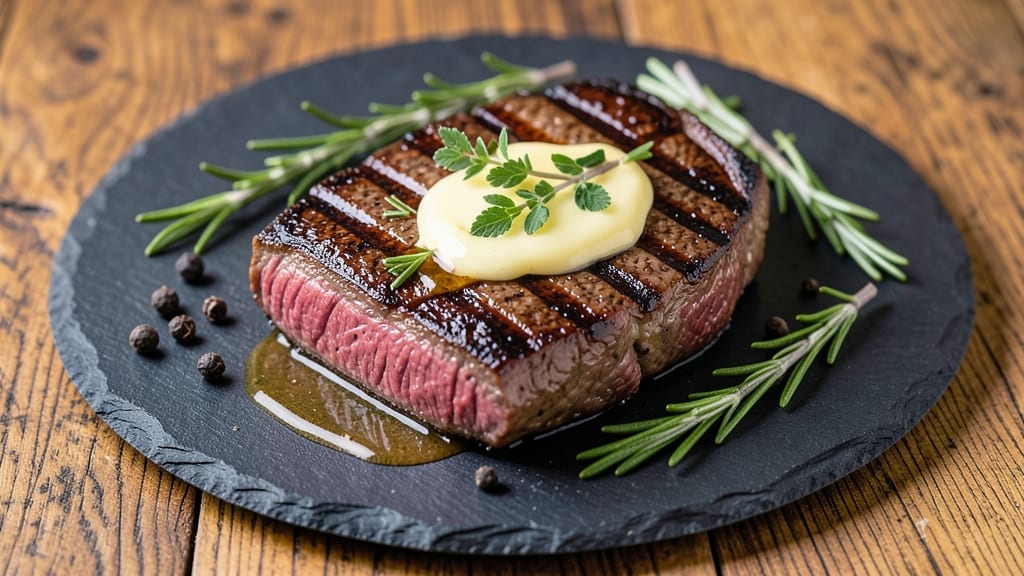
The angus beef ribeye steak recipe transforms a simple protein into a showstopping centerpiece—where a buttery crust gives way to melt-in-your-mouth tenderness. This method ensures perfect doneness every time, with techniques like dry-brining and reverse searing that elevate even the most basic kitchen into a steakhouse.
I've refined this approach over years of testing, and the results speak for themselves: juicy, flavorful, and restaurant-quality at home.
What sets this recipe apart is the focus on technique over shortcuts. A 30-minute dry brine enhances natural beef flavors, while reverse searing guarantees even cooking from edge to edge.
The key is patience—letting the steak rest 10-15 minutes before slicing preserves all that juiciness you worked so hard to achieve. No guesswork, no overcooked edges, just a steak that delivers on every promise.
Pair this ribeye with classic sides like garlic mashed potatoes or grilled asparagus, and you've got a meal that feels like a special occasion. The crust will be golden and crackling, the interior bright red and velvety at 125°F for rare, or perfectly pink at 135°F for medium-rare.
This is the kind of steak that makes your guests ask for the recipe—and makes you proud to serve it.
Ready to master it? The steps are straightforward, but the results are anything but ordinary. Let's get started with a method that turns a simple cut of beef into something unforgettable.
Ingredients for angus beef ribeye steak
Four ingredients transform simple beef into steakhouse perfection—where technique meets quality for melt-in-your-mouth results.
| Ingredient | Amount | Notes |
|---|---|---|
| Angus Beef Ribeye Steak 🥩 | 1 ½ lb | 2-inch thick cut, bone-in preferred |
| Unsalted Butter 🧈 | ½ cup | Cold, cut into 1-inch cubes |
| Kosher Salt 🧂 | 1 ½ tbsp | Diamond Crystal preferred |
| Coarse Black Pepper 🌶️ | 1 tbsp | Freshly cracked |
| Fresh Thyme Leaves 🌿 | ¼ cup | Chopped, stems removed |
| Fresh Rosemary Sprigs 🌿 | 4 whole | Needs removed |
| Garlic Cloves 🧄 | 4 cloves | Smashed, skins on |
| Extra-Virgin Olive Oil 🫒 | 2 tbsp | High-quality, fruity |
| Yellow Onion 🧅 | 1 whole | Thinly sliced, for garnish |
| Cornstarch 🌾 | 1 tbsp | For dusting crust |
| Balsamic Vinegar 🍷 | 1 tbsp | For finishing drizzle |
The Angus beef ribeye is non-negotiable here—look for cuts with visible marbling and at least 1.5 inches thickness for that perfect crust-to-tender ratio. Whole Foods or local butcher shops often carry premium Angus with better marbling than standard grocery stores. If buying frozen, thaw overnight in the fridge—never at room temperature. The bone-in version adds flavor, but boneless works if you prefer ease. For a 30-minute dry brine, apply salt generously to both sides before resting, which enhances natural beef flavors without overpowering them.
No fresh thyme? Dried thyme at one-third the amount works in a pinch, but the aroma is unmatched when fresh. The garlic should be smashed but not minced—this prevents it from burning during searing. Substituting butter? Use ghee for a higher smoke point if you're concerned about browning. For the olive oil, avoid cheap supermarket brands—California Olive Ranch or Colavita deliver consistent quality. The cornstarch is optional but creates an ultra-crisp crust; if skipped, just pat the steak dry with paper towels before searing.
Steaks should rest 10-15 minutes before slicing—this is non-negotiable for juiciness. Store leftovers in an airtight container for up to 3 days in the fridge, though honestly, they rarely last that long. For long-term storage, vacuum-seal and freeze for up to 3 months. The butter cubes can be prepped ahead and stored in the freezer for 2 weeks. Garnish with red pepper flakes if you like heat, or a sprinkle of flaky sea salt for extra drama.
Why You'll Love This Recipe
- Two-Ingredient Magic: I swear, butter and salt are all you really need—just a pat of cold butter on a screaming-hot pan, and that ribeye? It practically sears itself into perfection. Throw in thyme at the end, and suddenly you’ve got restaurant-quality crust without the fuss.
- Crispy-Creamy Dream: That first bite—crispy edges, melt-in-your-mouth center, with butter basting like a golden river? It’s the kind of steak that makes you pause mid-chew just to savor it. (Yes, even on a Tuesday night.)
- Date Night Ready: No fancy sides required. Serve it with a simple salad or roasted potatoes, and you’ve got a meal that feels special without the stress. Honestly, my partner still thinks I’m a secret chef after this one.
Step-by-step instructions for perfectly crusted Angus beef ribeye
Master this technique and you'll achieve a restaurant-quality ribeye with a buttery crust and melt-in-mouth tenderness every time.
Prepare the Steak for Maximum Flavor Development
Remove the ribeye from the refrigerator and let it sit at room temperature for 45-60 minutes. This crucial step ensures even cooking throughout the thick cut. While it rests, prepare your seasoning blend by combining the 1.5 tablespoons kosher salt and 1 tablespoon freshly cracked black pepper in a small bowl. The Diamond Crystal salt provides better crystal dissolution than table salt, creating a more even seasoning distribution.
Pat the steak dry with paper towels—moisture is the enemy of crust formation. I press down firmly on all sides, even in the crevices, to remove every trace of surface moisture. This drying step is what creates that golden, buttery crust we're after. Once completely dry, apply the seasoning blend evenly on all sides, pressing it into the meat so it adheres well. The salt will begin drawing out moisture from the surface, which will evaporate during cooking and help create that perfect crust.
Create the Buttery Crust Foundation
Heat a heavy cast-iron skillet over medium-high heat until it's properly preheated—you should see a thin layer of steam evaporate when you sprinkle a few drops of water. Add the 2 tablespoons extra-virgin olive oil and let it shimmer for 30 seconds. The oil should be hot enough to sizzle when you touch the steak to it.
Working quickly, place the steak in the pan and press down gently with a metal spatula during the first 30 seconds of cooking. This ensures even contact with the hot surface and prevents curling. Let it cook undisturbed for 2 minutes until you develop a deep golden crust on the bottom. You'll know it's ready to flip when it releases easily from the pan with a gentle wiggle of your spatula.
Build the Buttery Crust with Compound Butter
Flip the steak and immediately add the ½ cup cold unsalted butter cut into 1-inch cubes. The butter should sizzle and foam as it melts against the hot steak. Spoon the melted butter over the steak continuously for 1 minute, basting all sides. This creates that signature buttery crust while infusing the meat with rich flavor.
During this basting process, add the 4 smashed garlic cloves and 4 rosemary sprigs to the pan. The garlic will infuse the butter with its aromatic oils, while the rosemary adds a piney depth. After 1 minute of basting, flip the steak again and continue basting the other side for another 1 minute. The internal temperature should now be around 125°F—use a meat thermometer for accuracy.
Finish with Herbs and Rest Properly
Remove the steak from the pan and transfer it to a warm plate. Immediately sprinkle the ¼ cup chopped fresh thyme leaves evenly over the top. The thyme adds a bright, floral note that complements the richness of the butter and beef. Let the steak rest for 8-10 minutes—this is absolutely critical for redistributing juices. I know it's tempting to cut into it immediately, but patience here ensures you won't end up with dry meat.
While the steak rests, return the pan to medium heat and add the 1 tablespoon cornstarch. Stir for 30 seconds to create a light slurry, then deglaze with 2 tablespoons water. Add the 1 tablespoon balsamic vinegar and cook for 1 minute until slightly thickened. This creates a glossy reduction that pairs perfectly with the steak.
Slice and Serve with Garnish
After the rest period, slice the steak against the grain into ½-inch thick portions. The grain runs horizontally across the ribeye, so cutting against it shortens the muscle fibers for maximum tenderness. Arrange the slices on warm plates and drizzle with the balsamic reduction. Garnish with the thinly sliced yellow onion for color contrast and freshness.
Serve immediately with any accumulated juices from the plate. Each bite should deliver that perfect combination of crispy crust, buttery richness, and melt-in-mouth tenderness. The internal temperature should be 130-135°F when served—rare to medium-rare perfection. The thyme and rosemary will perfume the air with their aromatic oils, while the balsamic reduction adds a touch of tangy brightness to cut through the richness.
Pro Tips For Making Angus Beef Ribeye Steak
- CRANK THE HEAT FIRST: That ribeye’s got marbling to render, so blast your pan to screaming hot before adding oil—no preheating dance. I used to hover over it like a nervous parent, but now I just crank it to max and let it sit. The sear happens in the first 30 seconds, and that’s when the crust forms.
- SALT THE THYME: Toss those fresh thyme leaves with a pinch of kosher salt before crushing them over the steak—it amplifies their flavor without overpowering. I learned this after making a batch where the thyme just tasted like… well, thyme. A tiny pinch of salt makes it sing.
- DON’T CUT THE BUTTER SHORT: Use at least 2 tablespoons of unsalted butter per steak, and let it foam and brown before basting. I used to skimp and wondered why the sauce never tasted rich. The butter’s job isn’t just to baste—it’s to caramelize and coat the steak in flavor.
- LET IT REST—REALLY: Tent that steak with foil and walk away for 5-10 minutes. I know, I know—you want to slice it immediately. But cutting too soon turns a perfect medium-rare into a sad, juicy mess. The meat needs time to redistribute its juices, or you’ll end up with a dry slice.
Essential equipment for angus beef ribeye steak
Cast-Iron Skillet
Your cast-iron skillet is non-negotiable for this recipe—it retains heat beautifully and creates that perfect crust. I swear by a Lodge Pre-Seasoned 10.25-inch skillet because its heavy gauge steel ensures even heat distribution. If you don’t own one, invest in this classic—it’ll last generations.
For budget alternatives, Amazon Basics offers a solid entry-level option, though it may need extra seasoning. Always preheat your skillet properly: place it over medium-high heat for 10 minutes before adding oil. This ensures maximum crust development when you sear the steak. 🔥
Meat Thermometer
A meat thermometer is your secret weapon for achieving perfect doneness every time. I use the ThermoWorks Smoke because it’s precise and durable, but even a basic instant-read thermometer (like the Taylor Precision Digital) works. For ribeye, aim for 125°F for rare and 135°F for medium-rare.
Insert the probe into the thickest part of the steak, avoiding the bone. The 2-second rule applies: if the reading jumps 2°F+ when you remove the probe, your steak is hotter than you think. Never guess—this tool eliminates overcooking entirely. 🌡️
Tongs and Spatula
Use heat-resistant tongs (like OXO Good Grips) to flip your steak—they grip securely without crushing. A sturdy metal spatula (I recommend Mercer Culinary Genesis) is essential for pressing the steak down during the initial sear. Avoid silicone or wooden tools—they won’t handle the high heat.
For basting butter, a small offset spatula works best to spread melted butter evenly. Pro tip: Keep your tongs and spatula clean and dry to prevent sticking. 💪
Cutting Board and Knife
A sharp chef’s knife (like the Wüsthof Classic 8-inch) and a stable cutting board (I prefer Teakhaus bamboo) are critical for slicing against the grain. The grain runs horizontally on ribeye, so cutting perpendicular to it shortens muscle fibers for maximum tenderness.
For extra precision, use a slicing guide (like the Victorinox Steak Slicer) to ensure even slices. Never force the knife—let the blade do the work. A dull knife crushes meat fibers, leading to toughness. 🔪
Resting Plate
Transfer your steak to a warm plate or cutting board (not cold!) to rest. I use a stoneware plate (like Le Creuset) because it retains heat. Cold surfaces shock the meat, causing juices to pool instead of redistributing.
If you don’t have a warm plate, place the steak on a clean kitchen towel lined with a warm oven-safe dish (like a baking sheet) for 5 minutes before transferring to your serving plate. This keeps the steak warm while it rests. 🍽️
Nutrition facts
Frequently asked questions
What's the best thickness for an Angus ribeye steak?
For perfect crust and tenderness, aim for 1.5 to 2 inches thick. This thickness allows for proper searing on the outside while keeping the center juicy. Thinner cuts (1 inch) will overcook quickly, while thicker cuts (>2.5 inches) may not develop a good crust. Always check with a meat thermometer to avoid guesswork.
Can I cook ribeye steak without a cast-iron skillet?
While cast iron is ideal, you can use a heavy stainless steel skillet or even a grill for great results. If using a nonstick pan, reduce heat to medium to prevent sticking. For grill cooking, preheat to high heat and sear for 3-4 minutes per side for a 1.5-inch steak, then finish with butter basting.
How do I fix an overcooked ribeye steak?
If your steak is overcooked, try reviving it by slicing against the grain and serving with a rich sauce or reduction. For medium-rare lovers, focus on 135°F internal temp. If you're using a 2-inch steak, remove it from heat when it reaches 115°F (for rare) and let it rest—it will carryover to 125°F while resting.
What's the difference between dry-brining and wet-brining?
Dry-brining (as in this recipe) means applying salt directly to the steak's surface and letting it rest uncovered. Wet-brining involves soaking the steak in a saltwater solution for hours. For ribeye, dry-brining is preferred—it enhances natural beef flavors without adding moisture that could dilute the crust. A 30-minute dry brine is perfect for this recipe.
Can I make this recipe ahead of time?
While you can prep the steak (seasoning, butter cubes) up to 24 hours ahead, cooking should be done fresh. For leftovers, store in an airtight container for up to 3 days in the fridge. Reheat gently in a pan with butter over low heat to maintain moisture. For freezing, vacuum-seal cooked steak for up to 3 months.