
Main Courses
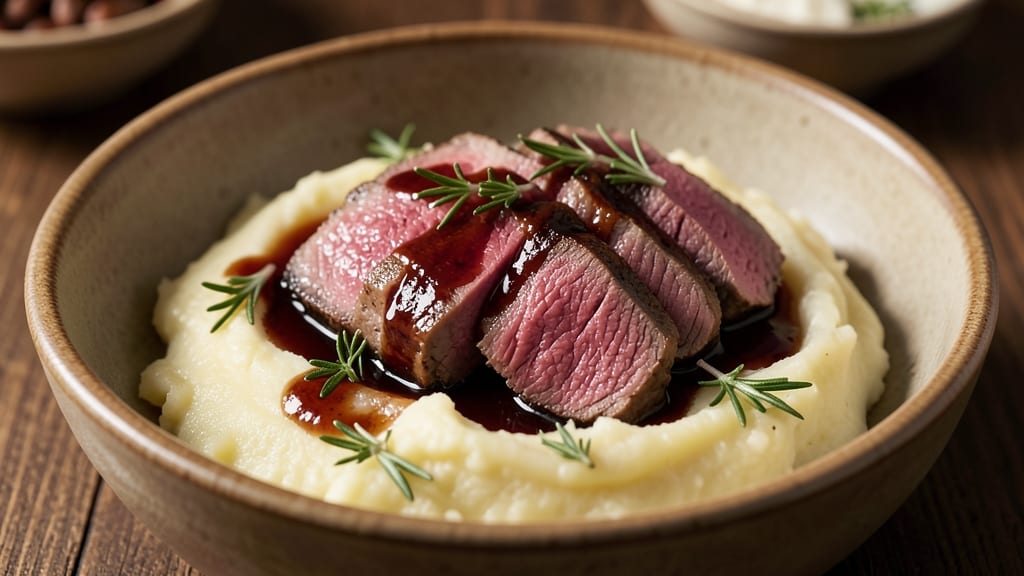
A perfectly seared beef tenderloin deserves a sauce that matches its richness—this au jus recipe with beef bouillon cubes delivers deep, savory flavor without the fuss of traditional reductions.
The secret lies in deglazing the pan with beef bouillon and a splash of red wine, transforming leftover drippings into a velvety, restaurant-worthy sauce that clings to every bite.
Start with a pan-seared beef tenderloin—the crusty exterior and tender interior set the stage for this sauce. As the beef cooks, those precious browned bits stick to the pan, forming the foundation of your au jus.
A beef bouillon cube dissolves effortlessly into the pan, amplifying umami depth while a splash of red wine adds brightness and complexity.
What you’ll end up with is a glossy, aromatic sauce that pools beautifully around your beef, enhancing its natural flavors rather than overpowering them. The bouillon cubes cut prep time without sacrificing authenticity, making this the perfect balance of tradition and convenience for weeknight dinners or special occasions.
Serve the beef sliced over roasted garlic mashed potatoes or a bed of crispy roasted baby potatoes, then drizzle generously with the au jus. The sauce’s richness pairs perfectly with the buttery, creamy potatoes, creating a meal that feels indulgent yet effortless. Let’s get cooking!
Ingredients for au jus recipe with beef bouillon cubes
Rich, savory flavors start with these simple yet transformative ingredients for restaurant-quality au jus.
| Ingredient | Amount | Notes |
|---|---|---|
| Beef Tenderloin 🥩 | 1 ½ lb | Center-cut for even cooking |
| Beef Bouillon Cubes 🍲 | 2 whole | Knorr or Maggi brand preferred |
| Red Wine 🍷 | ½ cup | Bold dry variety like Cabernet |
| Beef Stock 🥫 | 1 cup | Homemade or quality store-bought |
| All-Purpose Flour 🌾 | 1 tbsp | For thickening sauce |
| Cold Water 💧 | ½ cup | Slurry for smooth thickening |
| Olive Oil 🫒 | 2 tbsp | For searing beef |
| Kosher Salt 🧂 | 1 ½ tsp | Diamond Crystal preferred |
| Freshly Ground Black Pepper 🌶️ | ½ tsp | Cracked peppercorns preferred |
| Fresh Thyme Leaves 🌿 | ¼ cup | Or 1 tsp dried thyme |
| Fresh Rosemary Sprig 🌿 | 1 whole | For aromatics |
| Garlic Cloves 🧄 | 2 cloves | Smashed for flavor |
| Unsalted Butter 🧈 | 2 tbsp | For finishing sauce |
The beef tenderloin is your star—center-cut pieces stay juicy while building that golden crust. Costco or Whole Foods carry excellent cuts, but any quality butcher will do. For the bouillon cubes, Knorr or Maggi are the gold standard—they dissolve cleanly and add that deep umami punch. Fresh thyme and rosemary? Local farmers markets often have better quality than grocery stores, but the dried stuff works in a pinch. Just make sure they smell vibrant, not stale. The red wine should be bold—Cabernet Sauvignon or Merlot from a decent bottle, not that $5 boxed stuff.
No beef bouillon? Substitute with 1 cup beef stock plus 1 tsp Worcestershire sauce—it’ll get you close. Running low on red wine? Dry sherry or even beef broth with a splash of balsamic works surprisingly well. Fresh herbs wilt fast? Dried thyme at one-third the amount keeps the flavor without the fuss. The flour slurry is key for that silky texture—make sure it’s cold when you mix it in, or you’ll get lumps. And if you’re worried about the butter finishing the sauce, use European-style butter like Plugrá—the flavor difference is night and day.
This sauce tastes even better the next day—make extra and freeze portions for future meals. Store it in a glass jar in the fridge for up to 5 days, or freeze for 3 months. I like to keep a stash in my freezer so I can just reheat and drizzle whenever beef tenderloin appears on the menu. Pro tip: Strain the sauce before serving if you want it completely smooth—just don’t skip the herbs in the initial pan deglazing, or you’ll lose that aromatic punch.
Why You'll Love This Recipe
- No-Fuss Pan Sauce: I swear by the bouillon cubes here—they’re my shortcut to restaurant-quality depth without measuring spices. Just toss one in while the wine reduces, and boom—that rich, umami punch you’d pay $20 for.
- Wine-Infused Magic: The red wine cuts through the richness of the beef tenderloin like a knife through butter. Simmer it down with the bouillon, and you’ve got a sauce that’s bold enough for steak night but simple enough to drizzle over grilled chicken.
- Leftovers Reinvented: That au jus? It’s my secret weapon for turning day-old beef into next-day hero meals. Toss slices with crusty bread, or use it to deglaze a pan for stir-fries—suddenly, dinner feels fancy again.
- Budget Steakhouse Vibes: Beef tenderloin feels fancy, but this method keeps it approachable. A single cube of bouillon and a splash of wine elevate even a modest cut, making it taste like you splurged—without the splurge. (Yes, even on a Tuesday night.)
Step-by-step instructions for rich beef au jus
Here's how to transform simple ingredients into a velvety, restaurant-quality au jus that complements your tenderloin perfectly.
Sear the Beef Tenderloin to Lock in Flavors
Pat the 1.5 lb beef tenderloin completely dry with paper towels—this ensures maximum browning. Heat 2 tablespoons olive oil in a heavy-bottomed Dutch oven over medium-high heat until shimmering. Season the beef generously with 1.5 teaspoons kosher salt and 0.5 teaspoon freshly ground black pepper, then sear for 3-4 minutes per side until developing a deep mahogany crust.
Here's the thing—don't rush this step. You want that crust to form before you remove the beef. Once golden brown, transfer the tenderloin to a plate and let it rest while you build the sauce. The residual heat will keep it warm, and the crust will stay intact when you return it to the pan later.
Build the Flavor Base with Wine and Aromatics
Reduce heat to medium and immediately add the 2 smashed garlic cloves, 0.25 cup fresh thyme leaves, and 1 whole fresh rosemary sprig to the same Dutch oven. Cook for 1 minute until fragrant—you should smell that herbal, garlicky aroma wafting through your kitchen.
Pour in the 0.5 cup red wine and scrape up all those delicious browned bits from the bottom of the pan (this is called deglazing). Let it simmer for 3-4 minutes until reduced by half. The alcohol will cook off, leaving behind concentrated flavor. If you're impatient, don't walk away—wine evaporates quickly and can burn if unattended.
Create the Bouillon Slurry for Depth
In a small bowl, whisk together the 2 whole beef bouillon cubes with the 0.5 cup cold water until completely dissolved. This creates a smooth slurry that will infuse your sauce with umami richness. Pour this mixture into the Dutch oven along with the 1 cup beef stock. Bring to a gentle simmer and let it cook uncovered for 10 minutes to meld the flavors.
I like to add a splash of the red wine from earlier if the sauce seems too thick at this stage—this keeps it balanced and prevents it from becoming gluey. The bouillon cubes will dissolve completely, creating a smooth foundation for your au jus.
Thicken and Finish the Sauce
Remove the beef from the Dutch oven and set it aside (keep it warm). Sprinkle the 1 tablespoon all-purpose flour over the sauce and whisk vigorously to combine. Cook for 2-3 minutes on medium heat, stirring constantly, until the sauce thickens slightly and coats the back of a spoon. This is where the magic happens—the flour creates a velvety texture without making the sauce heavy.
Return the beef to the pan and add the 2 tablespoons unsalted butter, letting it melt into the sauce. The butter adds richness and helps emulsify the sauce for a silky finish. Taste and adjust seasoning—you might need a pinch more salt or pepper to balance the flavors. The au jus should coat the back of a spoon but still be pourable.
Rest and Serve for Maximum Flavor
Let the beef and au jus rest together for 5-10 minutes off the heat. This allows the juices to redistribute and the sauce to thicken slightly as it cools. For serving, strain the au jus through a fine-mesh sieve if you prefer a smoother texture, or leave it slightly chunky for added depth. The beef should be fork-tender with a beautiful pink center.
Serve the beef sliced against the grain with the au jus spooned over the top. The sauce should cling beautifully to the meat, delivering layers of wine, herb, and bouillon flavor with every bite. If the sauce thickens too much while serving, simply whisk in a splash of hot water to loosen it back to the perfect consistency.
Pro Tips For Making Au Jus Recipe With Beef Bouillon Cubes
- CRISP THE FLOUR COAT: I learned this the hard way—skipping the cold flour step means a gummy, underwhelming crust. Toss the seared tenderloin in the flour right out of the fridge (yes, even if you're impatient like me), then shake off the excess. The cold meat keeps the flour from steaming instead of browning, giving you that golden, crisp barrier that actually matters for juices later.
- DEGLAZE HOT, NOT LUKEWARM: After searing the beef, the pan will have a crusty fond that’s begging to be turned into au jus. Pour in the red wine immediately—while the pan is still smoking hot. If you wait, the fond sticks like glue and you’ll end up scraping burnt bits instead of dissolving them into a silky sauce. Scrape with a wooden spoon like you’re digging for buried treasure.
- DILUTE THE BOUILLON GRADUALLY: Beef bouillon cubes are convenient, but they’re also salt bombs if you’re not careful. Start by dissolving just one cube in the beef stock first, then taste. Add the second cube only if you’re craving more punch—most store-bought bouillon packs enough umami to overpower the wine’s acidity. Better to adjust than regret a one-note sauce.
- STRAIN THE RED WINE: I was skeptical until I tried it: unfiltered red wine in au jus leaves behind sediment that makes the sauce look murky and taste bitter. Pour the wine through a fine-mesh strainer (or even a clean tea towel) into the pan before deglazing. It’s an extra 30 seconds that guarantees a cleaner, brighter sauce—no one will guess you took the shortcut.
Common mistakes when making this dish
Skipping the Sear
Skipping the sear is the biggest mistake I see home cooks make—those browned bits on your pan are pure flavor gold! Without them, your au jus will taste flat and one-dimensional.
Always sear your beef until it develops a deep mahogany crust before removing it. Pro tip: Use a Dutch oven for maximum surface area to capture those precious fond bits. 🔥
Using Low-Quality Bouillon
Not all bouillon cubes are created equal. Cheap, generic brands can leave a metallic or chemical aftertaste that ruins your sauce. Stick with Knorr or Maggi—they dissolve cleanly and deliver that authentic umami depth.
If you're using a substitute like beef stock, opt for high-quality store-bought or homemade versions. The difference is noticeable!
Ignoring Deglazing
Deglazing is where the magic happens, yet many cooks rush this step. After searing, let the pan cool slightly, then pour in your wine and scrape vigorously with a wooden spoon.
Those browned bits (fond) are packed with flavor—don't let them go to waste! If you're in a hurry, reduce the heat to medium-low to prevent burning the wine.
Overcooking the Beef
Au jus pairs best with medium-rare to medium beef (internal temp of 130-140°F). Overcooking to well-done turns the tenderloin tough and dries out the sauce. Use a meat thermometer to track doneness, and let the beef rest for 10 minutes before slicing.
This keeps it juicy while the au jus thickens beautifully.
Thickening Too Early
Adding flour before the sauce has had time to develop flavor is a rookie mistake. Let the wine, bouillon, and stock simmer for at least 10 minutes to meld before thickening.
If your sauce reduces too quickly, add a splash of water or stock instead of rushing the flour. The goal is balance—smooth but not gluey.
Forgetting to Taste
Never skip the taste test! The au jus should be rich but not overpowering. If it's too salty, add a splash of water or beef stock to dilute. If it's bland, a pinch of Worcestershire sauce or extra bouillon cube can elevate it.
Adjust seasoning gradually—you can always add more, but you can't take it out once it's in. ✨
Nutrition facts
Frequently asked questions
Can I use this au jus recipe with other cuts of beef?
While tenderloin is ideal, this recipe works beautifully with ribeye, sirloin, or even beef short ribs. For tougher cuts like short ribs, braise them first for 2-3 hours before making the au jus to tenderize. The bouillon cubes will still add that rich depth, but adjust cooking times based on your chosen cut.
How do I make this au jus without red wine?
No problem! Substitute the 0.5 cup red wine with 0.5 cup beef stock plus 1 tablespoon balsamic vinegar for depth, or use 0.5 cup dry sherry for a sweeter, more aromatic flavor. The key is balancing acidity—just ensure your substitute adds complexity to the sauce. The bouillon cubes will still deliver that umami punch.
Can I make the au jus ahead of time?
Yes, but with a twist! Prepare the au jus base (wine, bouillon, stock) up to 2 days ahead and refrigerate it. When ready to serve, reheat gently, then finish with the flour slurry and butter. For longer storage, freeze the completed sauce (without butter) for up to 3 months. Just thaw and reheat before adding fresh butter.
What if my au jus turns out too thin?
Simply mix 1 tablespoon cornstarch with 2 tablespoons cold water to create a slurry, then whisk it into the simmering sauce. Cook for 1-2 minutes until thickened. If it’s still too thin, repeat the process. The bouillon cubes help, but sometimes the sauce needs extra help—especially if you used extra stock.
Is this au jus recipe gluten-free?
Not as written, but it’s easy to adapt! Replace the all-purpose flour with gluten-free flour blend or cornstarch for thickening. Just whisk it into the sauce and simmer until it reaches your desired consistency. The beef bouillon cubes are typically gluten-free, but always check the label.