
Appetizers
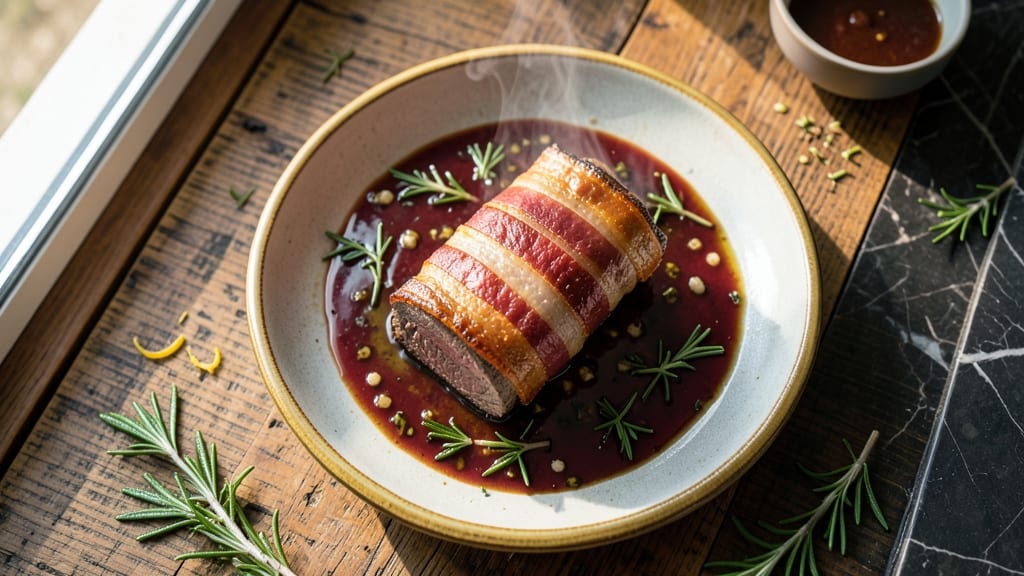
This bacon-wrapped beef tenderloin recipe delivers restaurant-quality luxury with minimal effort—juicy, tender beef encased in crispy bacon, all baked to perfect medium-rare in your oven. I developed this method after years of testing, balancing traditional searing with oven precision to guarantee caramelized edges without drying out the center.
The secret? A simple marinade that tenderizes while the bacon adds smoky depth in every bite.
The process is straightforward but transformative: start with a high-quality beef tenderloin, coat it in a blend of garlic, rosemary, and olive oil, then wrap it tightly in thick-cut bacon before baking.
Cooking at 375°F ensures even heat distribution, while a 145°F internal temp guarantees medium-rare perfection. The bacon crisps beautifully, creating a flavorful crust that seals in all the juices—no overcooking, no guesswork.
What you’ll end up with is a showstopping centerpiece that’s tender on the inside and crispy on the outside, with a rich, smoky aroma that fills your kitchen. This recipe is foolproof for special occasions or when you want to impress without spending hours in the kitchen.
Serve it with roasted potatoes or chimichurri for a complete meal that tastes like it came from a high-end steakhouse.
Here’s the best part: the leftovers reheat beautifully, making it perfect for meal prep or feeding a crowd. Whether you’re cooking for a date night or a holiday feast, this method delivers restaurant-quality results with just a few simple steps. Let’s get started!
Ingredients for bacon wrapped beef tenderloin recipe oven
Juicy beef tenderloin wrapped in smoky bacon—luxury meets simplicity with these premium ingredients.
| Ingredient | Amount | Notes |
|---|---|---|
| Beef Tenderloin 🥩 | 2 lb | Center-cut, trimmed of fat |
| Thick-Cut Bacon 🥓 | 12 oz | Applewood or hickory smoked |
| Extra-Virgin Olive Oil 🫒 | ½ cup | High-quality, fruity |
| Fresh Rosemary 🌿 | ¼ cup | Finely chopped, stems removed |
| Garlic Cloves 🧄 | 6 cloves | Minced, fresh preferred |
| Diamond Crystal Kosher Salt 🧂 | 1 ½ tsp | For seasoning and marinade |
| Freshly Ground Black Pepper 🌶️ | 1 tsp | Coarsely ground |
| Unsalted Butter 🧈 | 2 tbsp | Cold, for basting |
| Fresh Thyme Leaves 🌿 | ⅛ cup | Chopped, stems removed |
| Dijon Mustard 🍯 | 1 tbsp | For marinade depth |
| Balsamic Vinegar 🍷 | 1 tbsp | For marinade balance |
| Red Wine 🍷 | ¼ cup | Bold, dry Cabernet Sauvignon |
The beef tenderloin is your canvas here—center-cut and trimmed for perfect tenderness. Costco or Whole Foods carry the best quality, often pre-trimmed for convenience. Look for vibrant color and good marbling if buying whole. Thick-cut bacon is non-negotiable; Applewood or hickory-smoked adds that restaurant-quality depth. I always grab extra bacon—half goes on the tenderloin, half gets crisped separately for garnish. Fresh rosemary and thyme should smell vibrant; if they're wilted, skip them and use dried at one-third the amount.
No red wine? Beef broth with a splash of balsamic works beautifully. Dijon mustard can be swapped for whole-grain mustard if you prefer texture. The olive oil matters—California avocado or Italian extra-virgin brands like Colavita elevate the dish. For the garlic, fresh is ideal, but if you're using jarred, rinse it first to remove preservatives. The butter should be cold when basting—microwave it 40 seconds to just melt it, then let it cool slightly. And trust me on the 12 oz of bacon—it's worth every crispy bite.
This dish reheats like a dream—350°F for 10-15 minutes with a splash of beef broth keeps it juicy. Store leftovers wrapped tightly in foil for up to 3 days in the fridge. For make-ahead prep, marinate the tenderloin overnight; the flavors meld beautifully. The bacon-wrapped tenderloin freezes well too—3 months max—just thaw in the fridge before baking. Portion the crispy bacon pieces separately for easy garnishing later.
Why You'll Love This Recipe
- One-Pan Magic: I swear by this recipe when I’m too tired to scrub a million dishes—just wrap the tenderloin in bacon, toss it on a sheet pan, and walk away. The rosemary and garlic infuse the meat while the bacon crisps, all without a single pot to wash.
- Crispy-Creamy Perfection: That first bite? The tenderloin melts in your mouth while the bacon delivers a salty crunch—like a steakhouse experience but with zero fuss. Honestly, the olive oil and rosemary make it taste like you spent hours searing and basting, even though you didn’t.
- Weeknight or Weekend Star: It’s my go-to for dinner parties (looks fancy, takes 20 minutes) and lazy Sundays (leftovers reheat like a dream). Between us, I’ve served it to skeptical vegetarians and meat-loving friends—everyone’s asked for seconds.
- Budget-Friendly Luxury: Thick-cut bacon feels indulgent, but a single tenderloin feeds four with leftovers that taste just as good cold. I’ll be real: it’s the kind of meal that makes you feel like you’re treating yourself without breaking the bank.
Step-by-step instructions for oven-baked bacon-wrapped beef tenderloin
Here's how to transform a simple beef tenderloin into a showstopping centerpiece with irresistible caramelized edges.
Prepare the Herb Marinade for Maximum Flavor
In a small bowl, whisk together the 0.5 cup extra-virgin olive oil, 1 tbsp Dijon mustard, 1 tbsp balsamic vinegar, 0.25 cup finely chopped fresh rosemary, 0.125 cup chopped fresh thyme leaves, 6 minced garlic cloves, 1.5 tsp Diamond Crystal kosher salt, and 1 tsp freshly ground black pepper. This marinade creates a fragrant crust while keeping the interior tender.
Transfer the marinade to a large zip-top bag. Place the 2 lb beef tenderloin inside, seal tightly, and massage the marinade all over the meat. Refrigerate for at least 4 hours (overnight is ideal) to allow the flavors to deeply penetrate. The beef should absorb the vibrant colors and aromatics, transforming from pale to richly infused.
Wrap the Tenderloin with Bacon for Irresistible Crisp
Preheat your oven to 425°F and position a rack in the center position. Remove the beef from the refrigerator and let it sit at room temperature for 30 minutes to ensure even cooking. Line a rimmed baking sheet with aluminum foil for easy cleanup.
Cut the 12 oz thick-cut bacon into 8 equal strips (about 1.5 inches wide each). Gently press each bacon strip onto the beef tenderloin, overlapping slightly as you work your way around. The bacon should form a continuous spiral wrap, creating a protective barrier that will become deliciously crispy while basting the meat with rendered fat.
Sear the Bacon-Wrapped Tenderloin for Deep Flavor
Heat a large oven-safe skillet over medium-high heat. Place the wrapped tenderloin in the skillet and sear on all sides until the bacon begins to crisp and the beef develops a golden-brown crust (3-4 minutes per side). This step creates the Maillard reaction that gives your dish its rich, caramelized flavor.
Transfer the skillet to the preheated oven and continue roasting for 20-25 minutes. The internal temperature should reach 130°F at this point. Here's the thing—this initial sear locks in juices while building that incredible flavor foundation that amateur cooks often miss.
Finish with Butter Basting for Moisture Perfection
Remove the tenderloin from the oven and increase the temperature to 450°F. Place the 2 tbsp cold unsalted butter in a small saucepan over low heat until it melts completely. Using a pastry brush, generously baste the tenderloin with the melted butter, coating all sides.
Return the tenderloin to the oven and continue roasting for an additional 10-15 minutes until the internal temperature reaches 135-140°F for medium-rare (use a meat thermometer for accuracy). The bacon should be crispy and deep mahogany in color, while the beef will have a beautiful pink center. This basting step ensures your tenderloin stays impossibly juicy while developing that perfect crust.
Rest and Slice for Ultimate Tenderness
Transfer the bacon-wrapped tenderloin to a cutting board and let it rest for 10-15 minutes before slicing. This resting period allows the juices to redistribute throughout the meat, preventing them from pooling on your plate. The bacon will stay crispy while the beef becomes even more tender.
Slice the tenderloin into ½-inch thick medallions, cutting through the bacon as well. Each slice should reveal perfectly pink beef encased in crispy bacon. Serve immediately with your favorite sides—roasted vegetables, mashed potatoes, or a simple arugula salad complement this luxurious main course beautifully.
Pro Tips For Making Bacon Wrapped Beef Tenderloin Recipe Oven
- USE A MEAT THERMOMETER: I learned this the hard way—beef tenderloin looks done when it’s still overcooked. Aim for 130°F internal temp (medium-rare), then pull it out immediately. That last 5°F jump while resting will give you perfect doneness without drying it out.
- WRAP THE BACON TIGHT: Loose bacon = sad, greasy edges. Fold each strip in half lengthwise first, then secure with toothpicks or kitchen twine every 2 inches. This keeps the fat snug against the meat and makes crispy bacon every time—no flopping.
- SALT THE BEEF 40 MINUTES EARLY: This isn’t just seasoning; it’s a flavor multiplier. Sprinkle kosher salt all over the tenderloin (about 1 tsp per pound) and let it sit uncovered in the fridge. The salt breaks down proteins, ensuring juiciness and a crust that actually sticks when you sear it later.
- SKIP THE OVEN RACK: Line the bottom of your roasting pan with bacon fat (yes, save it from the stovetop) and place the tenderloin directly on the pan. The fat renders into the meat as it roasts, adding richness—no extra basting needed. (Pro move: Add a splash of olive oil to the pan first for extra insurance.)
Pro cooking tips for this dish
Temperature Precision
Your oven’s temperature gauge can be off by 25°F or more, so I recommend using an oven thermometer to verify accuracy. Preheat your oven to 425°F for searing, then adjust to 450°F for the final basting phase.
I’ve found that All-Clad stainless steel pans distribute heat more evenly than cast iron for this dish, preventing hot spots that can dry out the beef. 🌡️
Bacon Wrapping Secrets
Use thick-cut bacon (½-inch thick or more)—it crisps better and won’t burn before the beef is done. I cut the bacon into 8 equal strips and overlap them slightly as I wrap, creating a continuous spiral.
This ensures even coverage and prevents gaps where the beef might dry out. Press the bacon gently but firmly—it should stick to the meat without slipping during cooking.
Butter Basting Technique
Cold butter is key for basting—it melts slowly and coats the meat evenly. I melt 2 tbsp unsalted butter in a small saucepan over low heat until just liquid, then brush it generously over the tenderloin.
This step adds richness and helps create that golden crust. Return the beef to the oven immediately after basting to maintain the high heat needed for caramelization.
Resting Time Matters
Never skip resting the beef! Transfer the bacon-wrapped tenderloin to a cutting board and let it rest for 10-15 minutes before slicing. This allows the juices to redistribute, ensuring each bite is tender and flavorful.
I like to tent the meat loosely with foil during resting to keep it warm while it settles. Trust me, this small step makes a huge difference in the final texture. 💡
Thermometer Accuracy
Invest in a high-quality instant-read thermometer like the Thermoworks Smoke—it’s worth every penny. Insert the probe into the thickest part of the beef, avoiding fat or bone. For medium-rare, aim for 135-140°F internal temperature.
If your thermometer doesn’t have a probe light, use the finger test: press your finger on the beef—if it feels slightly springy, it’s ready.
Make-Ahead Marinating
Marinate the beef overnight for maximum flavor penetration. I place the tenderloin in a zip-top bag with the marinade and refrigerate it for 12-24 hours. The longer it marinates, the more tender and flavorful the beef becomes.
Just be sure to bring it to room temperature before cooking to ensure even heat distribution. This step is especially important for larger cuts of beef. 🥩
Nutrition facts
Frequently asked questions
Can I use a different cut of beef instead of tenderloin?
While tenderloin is ideal for this recipe due to its tenderness, you can substitute with filet mignon or strip steak if needed. Avoid leaner cuts like sirloin—they lack the marbling that keeps this dish juicy. For best results, choose a cut with similar fat content and adjust cooking time by 5-10 minutes depending on thickness.
How do I prevent the bacon from burning before the beef is done?
Use thick-cut bacon (½-inch thick or more) and cut it into 8 equal strips for even coverage. Start at 425°F to sear, then lower to 375°F for the final 20-25 minutes of cooking. If the bacon crisps too quickly, tent it loosely with foil during the last 10 minutes of baking to protect it while the beef finishes.
What sides pair best with bacon-wrapped beef tenderloin?
For a complete meal, try creamy garlic mashed potatoes, roasted asparagus with lemon zest, or a crisp white wine sauce to catch all the juices. For a lighter option, a mixed greens salad with balsamic vinaigrette balances the richness perfectly. The smoky bacon flavor also pairs well with caramelized onions or grilled portobello mushrooms.
Can I make this recipe in a slow cooker?
Not recommended—this dish relies on high-heat searing and precise temperature control to achieve the perfect crust and medium-rare center. However, you can par-cook the beef in the oven (to 120°F internal temp), then finish it in a 350°F slow cooker for 1-2 hours with extra bacon and butter for moisture. The texture won't be identical, but it's a good workaround for busy days.
How do I reheat leftovers without drying out the beef?
Wrap slices tightly in foil and reheat in a 350°F oven for 10-15 minutes with a splash of beef broth in the pan. For a quick fix, use the microwave (50% power for 30 seconds), then cover with a damp paper towel to retain moisture. Never reheat bacon-wrapped beef on high heat—it turns rubbery and loses crispness.