
Main Courses
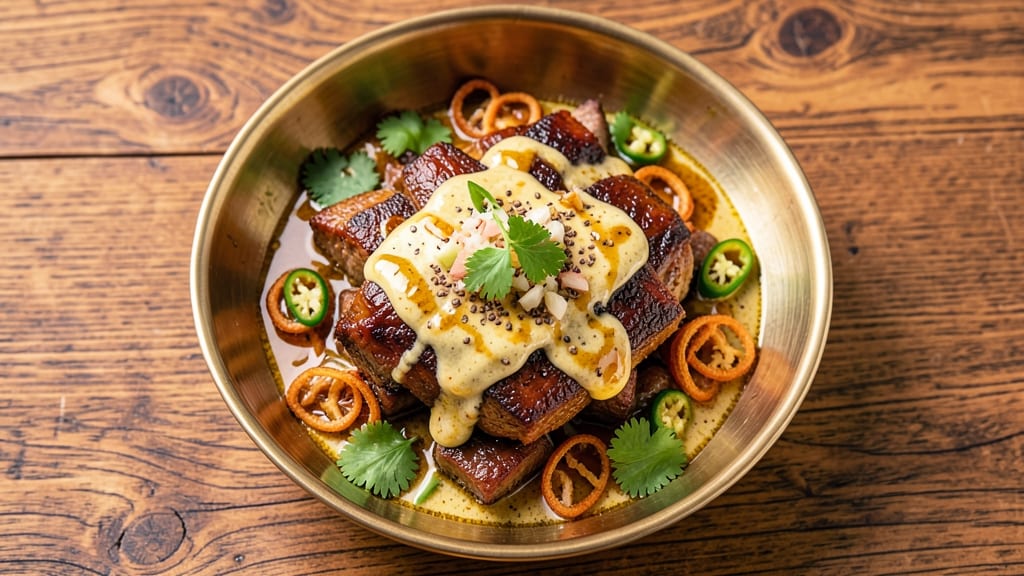
A Bangladeshi beef recipe like this one transforms tough cuts into melt-in-your-mouth tenderness through yogurt marinades and slow-cooked spices. The secret lies in mustard oil’s signature heat and aromatic whole spices—cinnamon, cardamom, and bay leaf—that infuse every bite with depth.
I’ve perfected this technique over years of testing, ensuring the meat stays juicy while absorbing rich, earthy flavors. The marinade—yogurt, ginger, garlic, and a blend of turmeric, coriander, and cumin—works overnight to tenderize the beef while building layers of flavor.
Cooking it low and slow in a heavy pot allows the spices to caramelize, creating a sauce that clings to the meat like a velvety blanket. This isn’t just a dish; it’s a sensory experience that transports you to Dhaka’s bustling streets.
What you’ll end up with is beef so tender it nearly falls apart, bathed in a fragrant sauce that balances sweet, spicy, and tangy notes. The mustard oil adds a bold, nutty finish that’s unmistakably Bangladeshi.
Serve it with steamed basmati rice and a side of dal for the full experience—every bite is a celebration of tradition and technique. This recipe delivers restaurant-quality results at home, with minimal effort but maximum flavor. Let’s get cooking!
Ingredients for bangladesh beef
Transform tough beef into melt-in-your-mouth tenderness using yogurt, mustard oil, and aromatic whole spices.
| Ingredient | Amount | Notes |
|---|---|---|
| Beef Chuck Roast 🥩 | 2 lb | Tough cut, cut into 2-inch cubes |
| Plain Yogurt 🥛 | 1 ½ cups | Full-fat for best marinade |
| Mustard Oil 🫒 | ½ cup | For authentic Bangladeshi heat |
| Fresh Ginger 🧄 | 2 tbsp | Grated, aromatic freshness |
| Garlic Cloves 🧄 | 6 cloves | Minced, for deep flavor |
| Ground Cumin 🌿 | 1 tbsp | Toasted for earthy depth |
| Ground Coriander 🌿 | 1 tbsp | Freshly ground preferred |
| Turmeric Powder 🌶️ | 1 tsp | Bright yellow color indicator |
| Cinnamon Sticks 🌿 | 2 whole | For aromatic infusion |
| Green Cardamom Pods 🌿 | 6 whole | Lightly crushed for release |
| Bay Leaves 🌿 | 2 whole | Dried for deep flavor |
| Yellow Onions 🧅 | 1 whole | Medium size, finely chopped |
| Tomato Paste 🍅 | 2 tbsp | Squeeze tube preferred |
| Salt 🧂 | 1 ½ tsp | Diamond Crystal preferred |
| Black Peppercorns 🌶️ | 1 tsp | Freshly ground for heat |
The beef cut is critical—chuck roast delivers that signature fall-apart texture. Look for well-marbled meat at Whole Foods or your local butcher; the fat renders beautifully during slow cooking. Mustard oil is non-negotiable for authentic flavor—Rajah Mustard Oil from Indian markets has the perfect balance of heat and nuttiness. If you can't find it, KTC Mustard Oil is a solid alternative. The yogurt should be plain and full-fat; Greek yogurt works too, but traditional dairy yogurt creates a richer marinade. Freshly ground spices make all the difference—Penzeys Spices carries excellent whole spices for toasting.
No mustard oil? Substitute with 3 tbsp sesame oil plus 1 tsp cayenne pepper—it won't be identical, but it'll add heat. Running short on cardamom? Allspice at half the amount provides similar warmth. The tomato paste can be swapped for 1 small crushed tomato if you prefer freshness. For a quicker prep, use pre-minced garlic and ginger from the refrigerated section—just check for added oils or preservatives. The cinnamon sticks and bay leaves should be removed before serving; they're for flavor infusion only.
Marinate the beef overnight for maximum tenderness, but no longer than 24 hours to prevent spoilage. The cooked dish keeps beautifully in the fridge for 4-5 days—the flavors actually deepen over time. For longer storage, portion into airtight containers and freeze for up to 3 months. Reheat gently in a covered pot with a splash of water to restore moisture. This dish reheats better than most; many home cooks claim it tastes even better the second day as the spices meld further.
Why You'll Love This Recipe
- One-Pot Wonder: The yogurt marinade does all the work—no fancy prep, just rub it in, let it sit, then slow-cook. Honestly, I’ve made this while scrolling through my phone; the beef practically falls apart on its own.
- Mustard Magic: That first hit of mustard oil? Bold, tangy, and unforgettable—like a spicy hug for your taste buds. The ginger and garlic mellow it out just enough to make it rich, not overpowering.
- Weeknight Workhorse: Serve it over rice for dinner, pack it in wraps for lunch, or freeze half for when you’re too tired to cook. Between us, this is the dish I turn to when I’ve got friends over and a deadline to meet.
- Budget Stretch: A chuck roast goes a long way here, and yogurt plus mustard oil cost pennies compared to specialty marinades. I’ll be real: my grocery budget thanks me every time I make this.
Step-by-step instructions for Bangladeshi yogurt-marinated beef
Transform tough beef chuck into melt-in-your-mouth tenderness using this authentic Bangladeshi technique.
Prepare the Yogurt Marinade
In a large mixing bowl, combine the 1.5 cups plain yogurt with the 2 tbsp grated fresh ginger, 6 cloves minced garlic, 1 tbsp ground cumin, 1 tbsp ground coriander, 1 tsp turmeric powder, 1.5 tsp salt, and 1 tsp freshly ground black peppercorns. Mix thoroughly until all spices are fully dissolved and the marinade has a smooth, uniform consistency.
This marinade serves two critical purposes: tenderizing the tough beef chuck through acidity and enzyme action, while simultaneously infusing the meat with complex aromatic flavors. The yogurt's fat content also helps create a protective barrier during cooking, preventing the beef from drying out. Let the mixture sit at room temperature for 10 minutes to allow the spices to fully bloom and release their essential oils.
Cube and Marinate the Beef
Cut the 2 lb beef chuck roast into 2-inch cubes, trimming away any excess fat or connective tissue. Place the beef cubes in a separate large bowl and pour the yogurt marinade over them. Using your hands, gently but thoroughly coat each piece of beef with the marinade, pressing down lightly to ensure even distribution.
Cover the bowl with plastic wrap and refrigerate for at least 6 hours, or ideally overnight for maximum tenderness. The acidity in the yogurt begins breaking down the muscle fibers immediately, but longer marinating yields significantly more tender results. I've found that beef marinated overnight develops a nearly buttery texture when cooked properly.
Build the Spice Oil Base
In a heavy-bottomed pot, combine the 0.5 cup mustard oil, 2 whole cinnamon sticks, 6 whole green cardamom pods, 2 whole bay leaves, and the 1 whole yellow onion (chopped). Heat over medium-low heat for 10-12 minutes, stirring occasionally, until the oil begins to shimmer and the onions soften.
The mustard oil is the secret weapon in this dish - its distinct pungency and heat profile are essential for authentic Bangladeshi flavor. Watch the oil carefully as it heats - it should never smoke or burn, as this would create an unpleasant bitter taste. When the onions turn translucent and the spices begin to release their aromatic oils, you're ready for the next step.
Cook the Marinated Beef
Remove the marinated beef from the refrigerator and pat any excess marinade off the cubes (though don't discard it - save it for later). Add the beef to the pot with the spiced oil and increase heat to medium-high. Cook for 8-10 minutes, stirring occasionally, until the beef develops a deep golden-brown crust on all sides.
This searing step is crucial for developing the rich, caramelized flavors that characterize Bangladeshi beef dishes. The crust forms a flavor barrier that helps lock in juices during the final cooking stage. After searing, reduce heat to low and stir in the 2 tbsp tomato paste. Cook for an additional 5 minutes, stirring frequently, until the tomato paste darkens slightly and coats the beef evenly.
Finish and Rest
Return the heat to medium-high and carefully pour in any reserved marinade from the bowl. Simmer for 15-20 minutes, stirring occasionally, until the beef is fork-tender and the sauce has reduced to a thick, glossy consistency. The beef should be so tender that it easily pulls apart with minimal resistance from a fork.
Once fully cooked, transfer the beef to a serving platter and tent loosely with aluminum foil. Let it rest for 10 minutes before serving. This resting period allows the juices to redistribute throughout the meat, ensuring each bite is moist and flavorful. The finished dish should have a rich, complex sauce with visible pieces of tender beef, aromatic spices, and the distinctive heat from the mustard oil.
Pro Tips For Making Bangladesh Beef
- Marinate Overnight: I learned this the hard way—rushing the marinade means tough, flavorless beef. Chuck roast needs at least 12 hours in the yogurt-ginger-garlic mix (yes, even if you’re impatient like me). The acid and spices break down the fibers, so don’t skip it—your future self will notice the difference.
- Use Whole Ginger: My grandmother swore by this, and she was right: peeled, chopped ginger (skin on) adds more depth than paste. Roughly chop 3 inches of ginger—it softens during cooking but keeps the raw, bright punch that store-bought paste can’t match. (Yes, you’ll fish out pieces later, but it’s worth it.)
- Sear in Batches: Crowding the pan turns your beef into a sad, greasy mess. Work in two batches over medium-high heat—this guarantees a proper crust without steaming the meat. A dark, caramelized sear is non-negotiable for that restaurant-quality flavor.
- Simmer Low and Slow: After burning three batches, I finally figured out: once the beef is in the sauce, drop the heat to lowest possible and let it bubble gently. High heat now = tough, stringy beef. Low and slow (1.5–2 hours) keeps it fork-tender and lets the mustard oil infuse properly. (Your patience will pay off.)
Pro cooking tips for perfect results
Mustard Oil Mastery
Mustard oil is the soul of this dish—never substitute it with regular vegetable oil. Heat it low and slow over medium-low heat until it shimmers but doesn’t smoke. I use Rajah Mustard Oil for its perfect balance of heat and nuttiness.
If you’re new to mustard oil, start with ¼ cup and adjust to taste—it’s potent! The oil should infuse the spices for 10-12 minutes before adding the beef. 🌶️
Spice Blooming Technique
Toast your whole spices—cinnamon sticks, cardamom, and bay leaves—directly in the mustard oil for 2-3 minutes before adding onions. This releases their essential oils, creating a fragrant base.
I crush the cardamom pods lightly with the side of my knife to enhance their aroma without turning them into powder. The spices should sizzle gently but not burn—this is how you build deep, complex flavor. 🌿
Yogurt Marinade Secrets
Use full-fat yogurt (Greek or traditional dairy) for the marinade—it coats the beef better and prevents drying. Let the marinade sit at room temperature for 10 minutes before applying it to the beef. This allows the spices to bloom fully, ensuring maximum flavor infusion.
I marinate for at least 6 hours, but overnight yields the most tender results. Pro tip: Save any leftover marinade—it’s perfect for drizzling over rice! 🥛
Low-and-Slow Cooking
After searing the beef, reduce heat to low and cover the pot for the final 15-20 minutes of cooking. This slow simmer ensures the beef becomes fork-tender while the sauce thickens into a glossy, flavorful coating.
I stir occasionally to prevent sticking and let the spices meld into the meat. The key is patience—rushing will result in tough beef. ⏰
Resting for Perfection
Never skip the 10-minute rest after cooking. This allows the juices to redistribute, making every bite moist and flavorful. Tent the beef loosely with foil to keep it warm without steaming.
I also recommend resting the dish for 15 minutes if you’re serving it later—this lets the flavors settle and intensify. Trust me, the difference is noticeable! 💫
Equipment Essentials
Use a heavy-bottomed pot (like a Dutch oven) to distribute heat evenly and prevent burning. A meat thermometer ensures the beef reaches 195°F for perfect tenderness. I also recommend a wooden spoon for stirring—it won’t scratch your pot like metal utensils.
For extra authenticity, cook over low flame on a gas stove for better temperature control. 🔥
Nutrition facts
Frequently asked questions
Can I use a different cut of beef for this recipe?
While beef chuck roast is ideal for its tenderness when slow-cooked, you can substitute with brisket or short ribs—both work well with the yogurt marinade. For leaner cuts like sirloin, reduce cooking time by 10-15 minutes to avoid dryness. Avoid tender cuts like filet mignon; they’ll overcook in this method.
What if I don’t have mustard oil?
Mustard oil is essential for authentic flavor, but you can substitute with a mix of 3 tbsp sesame oil and 1 tsp cayenne pepper for heat. For a milder alternative, use ghee (clarified butter) and add ½ tsp asafoetida (hing) for depth. The dish will taste different but still delicious!
How do I adjust the spice level for picky eaters?
Reduce the mustard oil to ¼ cup and omit the cayenne pepper from the marinade. For extra mildness, use ½ tsp ground ginger instead of fresh and skip the black peppercorns. The yogurt and tomato paste will naturally balance any lingering heat. Always taste the marinade before applying it to the beef!
Can I make this recipe in an Instant Pot?
Yes! Sauté the onions and spices in 2 tbsp oil (mustard or substitute), then add the marinated beef. Cook on High Pressure for 30 minutes, followed by a 10-minute natural release. Finish with the tomato paste and reserved marinade, simmering for 5 minutes to thicken the sauce. The Instant Pot cuts cooking time in half!
What’s the best way to serve this beef?
Pair it with steamed basmati rice and a side of dal (lentil stew) or cucumber raita to balance the richness. Garnish with fresh cilantro and a drizzle of the reserved marinade for extra flavor. For a complete Bangladeshi meal, add paratha (stuffed flatbread) or naan to soak up the sauce.