
Main Courses
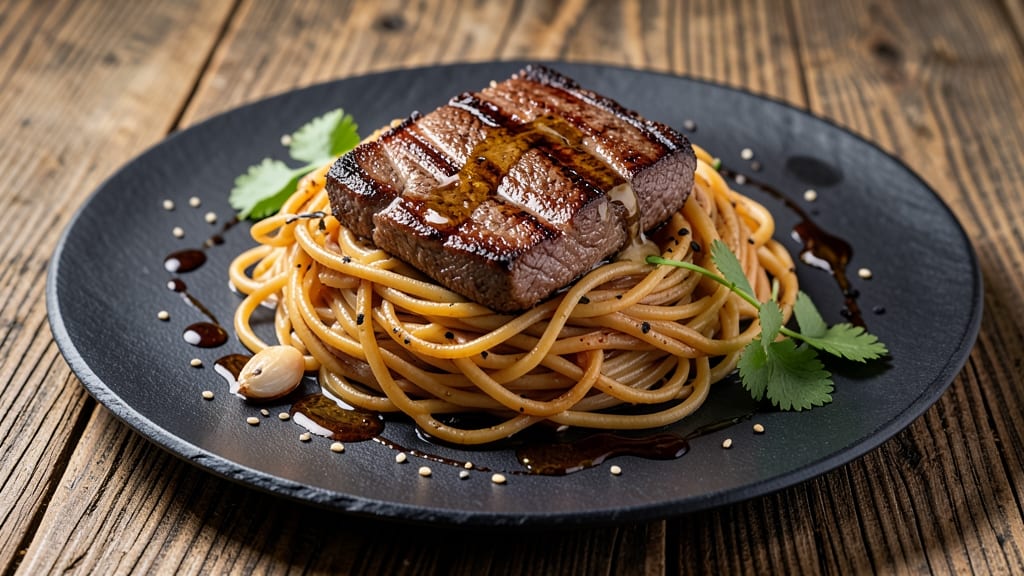
This beef and butter noodles recipe delivers restaurant-quality comfort in under 30 minutes, transforming simple ingredients into a dish that feels like a hug on a plate. The secret lies in perfectly caramelized beef bites—seared until golden and tender—tossed with silky, buttery noodles that soak up every savory drop.
I developed this version after years of testing, balancing rich, umami-packed beef with the velvety melt of brown butter and garlic-infused oil.
The process is straightforward yet transformative: high-heat searing for the beef creates deep flavor, while the noodles cook just until al dente to maintain their bite. A quick stir-fry with garlic and butter ties everything together, creating a sauce that clings to each strand.
What makes this dish special is how it adapts—whether you want a classic Japanese-inspired butadon or a heartier Italian-style pasta, the technique remains the same.
By the time you're done, you'll have a bowl of golden noodles draped in caramelized beef and glossy butter, where every bite delivers a perfect balance of textures—tender beef, chewy noodles, and a rich, aromatic sauce.
The aroma alone will have everyone gathering around the table, and the leftovers? Even better the next day as flavors meld.
Perfect for weeknight dinners or special occasions, this recipe scales effortlessly from one serving to a crowd. The beauty lies in its simplicity—no fancy techniques, just precise timing and quality ingredients working together. Let's get cooking!
Ingredients for beef and butter noodles
Restaurant-quality beef and butter noodles start with these twelve ingredients—rich, aromatic, and perfectly balanced.
| Ingredient | Amount | Notes |
|---|---|---|
| Ribeye Steak 🥩 | 1 lb | Thinly sliced against grain |
| Ezekiel Noodles 🍜 | 12 oz | Fresh or dried, uncooked |
| Unsalted Butter 🧈 | ½ cup | Cold, cubed for browning |
| Garlic Cloves 🧄 | 6 cloves | Thinly sliced, peeled |
| Soy Sauce 🍶 | 3 tbsp | High-quality, reduced |
| Sesame Oil 🫒 | 1 tbsp | Toasted, for aroma |
| Ground Black Pepper 🌶️ | 1 tsp | Freshly cracked |
| Diamond Crystal Kosher Salt 🧂 | 1 ½ tsp | For seasoning |
| Vegetable Oil 🫒 | 2 tbsp | High smoke point |
| Green Onions 🧅 | 3 whole | Sliced, for garnish |
| Toasted Sesame Seeds 🌾 | 1 tbsp | For finishing |
| Fresh Ginger 🌿 | 1 tbsp | Finely grated |
The ribeye is non-negotiable for this dish—its marbling delivers that unmistakable beefy richness. Look for USDA Choice or Prime cuts at Whole Foods or your local butcher, and ask for it sliced paper-thin against the grain for maximum tenderness. Slice it yourself if possible; pre-sliced often has uneven thickness. The Ezekiel noodles are worth seeking out—they hold their shape better than standard wheat noodles and add a subtle nuttiness. Trader Joe's carries them, or check the gluten-free aisle at Kroger. For the butter, Plugrá or Land O'Lakes unsalted are my go-tos—they brown beautifully without overpowering.
No ribeye? Flank steak or sirloin work in a pinch, but slice it extra thin. Running low on sesame oil? Toasted peanut oil mimics the aroma, though it lacks the same depth. The soy sauce should be reduced—simmer Kikkoman or Pearl River Bridge for 5 minutes to intensify the flavor. Fresh ginger is ideal, but powdered works at half the amount. The green onions can be subbed with scallions or chives if needed. For a deeper umami kick, add 1 tsp fish sauce—just don't tell the purists. The vegetable oil should have a high smoke point; Avocado or grapeseed oil are reliable choices.
Store pre-sliced beef in an airtight container with a paper towel to absorb moisture—use within 2 days. Ezekiel noodles keep for 6 months in a cool, dark place, but fresh is always better. Browned butter freezes beautifully for up to 3 months—portion it into ice cube trays for easy use. The finished dish reheats best in a skillet with a splash of water to restore moisture. Leftovers keep for 3 days in the fridge, though they're rarely that long-lived around here.
Why You'll Love This Recipe
- No Chopping Needed: I swear by this—just slice that ribeye thin, no dicing or mincing. The Ezekiel noodles? Grab ‘em pre-cooked if you’re in a rush, or boil ‘em fresh in 5 minutes. That’s it. Honestly, the hardest part’s deciding whether to use the last of the butter or save it for toast.
- Buttery-Garlicky Magic: That ribeye, seared until it’s got a caramelized crust, then tossed with melted butter and crushed garlic? It’s like someone poured liquid satisfaction over your noodles. The soy sauce ties it all together—salty, umami, and just enough to make your taste buds do a happy dance.
- Lunchbox Hero: Between us, this is my go-to for meal prep. Pack the leftovers in a thermos, and you’ve got a hearty, protein-packed lunch that’ll keep you full until dinner. (Yes, even on a Tuesday.) The noodles hold up, the beef stays tender, and it’s way better than sad desk salads.
- Budget Steak Night: Here’s what sold me—you’re getting ribeye for less than takeout. A single steak stretches across two servings, and the butter and garlic cost pennies. Plus, Ezekiel noodles? They’re pricier than regular pasta, but they’re worth it for the texture and nutrition. Fancy dinner without the fancy price tag.
Step-by-step instructions for buttery ribbons with caramelized beef bites
Master this technique and you'll transform simple ingredients into a restaurant-quality dish.
🍳 Step 1: Sear and Caramelize the Ribeye
Pat the 1 lb ribeye steak completely dry with paper towels and thinly slice it against the grain. Heat 2 tablespoons vegetable oil in a large skillet over high heat until shimmering. Add half the sliced steak in a single layer—don't crowd the pan—and sear undisturbed for 2-3 minutes until the edges turn deep golden brown. Flip and repeat for the remaining steak.
Once browned, reduce heat to medium and add 6 cloves sliced garlic and 1 tablespoon finely grated fresh ginger. Cook for 30 seconds until fragrant but not browned. Remove the beef and garlic mixture from the pan and set aside. The residual heat will continue caramelizing the beef slightly—this is where the deep flavor develops.
👨🍳 Step 2: Build the Butter Sauce
In the same skillet, add 0.5 cup cold cubed unsalted butter and melt over medium-low heat. Swirl occasionally to distribute the butter evenly across the pan. Once fully melted, add 3 tablespoons soy sauce and 1 tablespoon toasted sesame oil, stirring constantly for 1-2 minutes until the sauce begins to thicken and coat the back of a spoon.
The butter should take on a golden hue and develop a nutty aroma. This is your signal that the sauce is ready. If the sauce becomes too thick, add 1 tablespoon water to loosen it. The sauce should be glossy and velvety—this is the foundation of your dish, so don't rush this step.
🍳 Step 3: Cook the Ezekiel Noodles
Bring a large pot of well-salted water to a rolling boil. Add 12 oz Ezekiel noodles and cook according to package instructions until al dente—typically 8-10 minutes. Reserve 1 cup pasta water before draining, as it contains starch that will help emulsify the sauce.
Drain the noodles and immediately return them to the pot. Add the reserved 1 cup pasta water and toss to coat the noodles evenly. This step prevents the noodles from sticking together and ensures they absorb the rich sauce perfectly.
🥘 Step 4: Combine and Finish
Add the cooked noodles to the skillet with the butter sauce and caramelized beef. Toss everything together over medium heat for 2-3 minutes until the noodles are fully coated and heated through. The residual heat from the pan will melt any remaining butter and create a silky, cohesive sauce.
Season with 1.5 teaspoons Diamond Crystal kosher salt and 1 teaspoon freshly cracked ground black pepper. Taste and adjust the seasoning—you may need a bit more soy sauce for depth of flavor. The dish should be savory, slightly sweet, and well-balanced.
🍽️ Step 5: Garnish and Serve
Divide the beef and noodles among four plates. Garnish each serving with 3 whole sliced green onions and 1 tablespoon toasted sesame seeds for a pop of color and texture. The green onions add a fresh contrast to the rich, buttery flavors, while the sesame seeds provide a nutty crunch.
Serve immediately while the noodles are hot and the butter sauce is still glossy. The dish should be vibrant, with caramelized beef bits peeking through the buttery noodles. Each bite should deliver a perfect balance of tender beef, al dente noodles, and a luxurious sauce.
Pro Tips For Making Beef And Butter Noodles
- SEAR THE STEAK FAST: High heat for 30 seconds per side—yes, even if it looks raw inside. Ribeye needs that crust to hold up when sliced thin, and rushing the sear just makes it tough. Let it finish in the residual heat while you prep the garlic.
- SLICE THE GARLIC THIN: Mince those cloves into paper-thin shards instead of chopping them. They’ll cook faster without burning, and the flavor will melt into the butter like a whisper instead of a shout. (I learned this the hard way after tasting bitter garlic in my first batch.)
- DON’T BOIL THE NOODLES: Al dente is a myth here—Ezekiel noodles need to be just tender, not mushy. Taste at 2 minutes, then drain immediately. Overcooking turns them into glue, and no amount of butter will fix that. (Your future self will thank you.)
- USE COLD BUTTER: Toss the steak slices and noodles in butter straight from the fridge. The cold fat clings better, creating a silky coat instead of a greasy mess. Warm it up in the pan—just enough to melt, not sizzle. (Sounds weird, but it works.)
Storing and reheating your leftovers
Refrigerator Storage
Let your beef and butter noodles cool to room temperature for no more than 15 minutes before storing. Transfer to an airtight container—I prefer glass Pyrex with a tight-sealing lid—to keep flavors fresh. Store in the fridge for up to 3 days, but honestly?
These disappear faster than that around my house. The butter sauce thickens slightly when chilled, so toss with 1 tablespoon water when reheating. 💫
Freezer-Friendly Tips
For longer storage, freeze portions in single-serving airtight containers or ziplock bags (lay flat to save space). The noodles hold up beautifully for up to 3 months, though the texture may soften slightly.
Freeze the sauce separately if you prefer a fresher butter taste—just thaw and reheat it with the noodles. Label with dates to track freshness. ❄️
Stovetop Reheating
My favorite method: Heat a skillet over medium heat with 1 tablespoon vegetable oil or 1 pat of butter. Add the noodles and toss for 2-3 minutes before adding 2 tablespoons water to restore moisture.
Cover and cook for another 3-4 minutes, stirring occasionally. The residual heat will melt the butter and revive the sauce beautifully. Taste and adjust seasoning—you might need a splash more soy sauce. 🔥
Microwave Shortcut
For quick meals, transfer noodles to a microwave-safe bowl, cover loosely with a damp paper towel, and heat on medium power for 2-3 minutes. Stir, then continue in 30-second bursts until reaching 165°F.
Add 1 tablespoon water or beef broth if the sauce looks dry. The texture won’t be as perfect as stovetop, but it’s a lifesaver on busy nights. ✨
Reviving Leftovers
If your noodles seem dry after reheating, don’t toss them! Toss with 1 tablespoon toasted sesame oil and a pinch of freshly cracked black pepper for a quick flavor boost. The caramelized beef bits will still taste incredible, and the oil adds that signature aroma.
Leftovers also make a fantastic fried rice—just scramble with a beaten egg and extra soy sauce for a whole new dish. 💛
Nutrition facts
Frequently asked questions
Can I use regular wheat noodles instead of Ezekiel noodles?
The recipe works beautifully with standard wheat noodles like spaghetti or linguine, but you'll lose the nutty depth and chewier texture of Ezekiel. For best results, choose bronze-cut or whole wheat pasta—they hold up better to the rich butter sauce and add subtle complexity. If you're gluten-free, look for certified GF noodles made with rice or chickpea flour.
How do I prevent the butter sauce from separating?
Stir constantly while melting the butter and adding soy sauce, and never let it boil. The starch from the reserved pasta water helps emulsify the sauce—toss it in at the end to bind everything together. If separation happens, whisk in 1 tablespoon cold water while the pan is still warm. For extra insurance, add 1/2 teaspoon cornstarch mixed with water to the sauce before combining with noodles.
What's the best way to slice ribeye for this recipe?
Slice against the grain into paper-thin strips (about 1/8-inch thick) for maximum tenderness. Use a sharp knife and cut at a 45-degree angle for even cooking. If pre-sliced beef is too thick, slice it again before searing. For extra flavor, freeze the sliced beef for 30 minutes before cooking—this helps render fat and creates better sear marks.
Can I make this dish ahead of time?
Assemble the dish completely (without garnish) and refrigerate for up to 2 days. Reheat gently with 1 tablespoon water or beef broth to restore moisture. For freezing, package components separately: cook the beef and sauce, then freeze separately from the noodles. Thaw overnight in the fridge before reheating together. The flavors actually improve overnight as they meld!
What if I don't have sesame oil?
Don't worry—you can substitute with toasted peanut oil (1:1 ratio) or even light olive oil in a pinch. For depth, add 1/2 teaspoon fish sauce or an extra 1/2 teaspoon soy sauce to compensate. The dish will still be delicious, though the nutty aroma will be slightly different.